Critical initiative to protect children’s rights rolled out in Uganda
The joint effort by rights organizations working with UNICEF aims primarily at ensuring that the political actors, parents and the public prioritize the protection and promotion of child rights during the 2026 election season in Uganda.

As Uganda’s general elections to fill nearly 550 seats for national legislators and for the president of the republic draw near, a new initiative to protect the most vulnerable in society – the children – has been launched in Kampala.
The joint effort by rights organizations working with UNICEF aims primarily at ensuring that the political actors, parents and the public prioritize the protection and promotion of child rights during the 2026 election season in Uganda. One of the key strategies towards achieving this is enabling the country’s media to prioritize, monitor and better cover the actions and omissions that affect the rights and wellbeing of the children during the charged electoral season, whose climax is scheduled for January 15th, 2026, polling day.
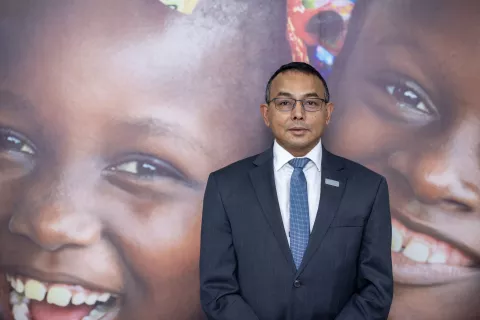
The initiative’s founding stakeholders who are working with UNICEF Uganda, namely the non-governmental National Initiative for Civic Education (NICE) and Uganda Child Rights NGO network (UCRNN) with the statutory Uganda Human Rights Commission (UHRC), rolled out the initiative on 8th December to the country’s media organizations. The half-day event thus started a partnership whose spirit Dr. Robin Nandy, the UNICEF Representative in the country summed up as aiming at working “for the best interests of the child”.

In addition to the sensitization briefing for the media practitioners regarding the general and specific rights of the children in times of heightened political activity, the journalists were also given the contacts of the initiative partners for easy access in the tense period that is already affecting all aspects of life.
This coalition comes at a specifically critical time as the election season is coinciding with the long school holidays that finds the children at home – away from the institutional cover that would have accorded them significant protection from the hazards associated with electoral campaigns and polling activities. So, all children without exception – school going or not, boarding learners or day scholars – are exposed and vulnerable to adversities of political competition including violence and exposure to intoxicants.
Already since schools closed at the beginning of December, children have been sighted at different locations in the country dressed in branded partisan T-shirts, which makes them targets of election violence. Others have been seen participating in party primaries and riding on trucks ferrying candidates’ supporters to campaign rallies.

Uganda’s Human Rights Commission Chairperson Mariam Wangadya used the occasion to appeal to all political actors, media and parents to protect children’s rights during the period.
Dr. Robin Nandy reaffirmed UNICEF’s dedication to working with the Government of Uganda alongside all partners including cultural, faith-based and civil institutions to protect and promote children’s rights, ensuring their safety and well-being across the country during and after the election period.
With this initiative fostering purposeful engagement between the media and the children rights workers, the journalists are expected to further keep pursuing the children’s rights after the January 15th elections. This will see them focus on and highlighting other critical issues like access to education, right to registration, nutrition, health, domestic violence, child labour and those specific to refugees, as Uganda hosts large numbers the flee from the volatile neighbourhood.