Reaching every child
A community’s journey to immunization equity in Kamwenge District
In the quiet villages of Kamwenge District, an effort began that would transform the lives of many children and improve the health of families. With funding from Latter Day Saints Church (LDSC) and Primary Health Care (PHC), two Village Health Teams (VHTs) in each village were equipped with the skills and knowledge to conduct house-to-house registration of all children under five years. Their mission was clear: identify every child, especially those who had never received a single vaccine (zero-dose), those who had missed doses, and those who were fully immunized.
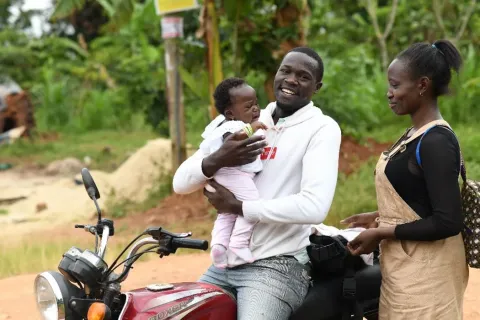
As they moved from house to house, the VHTs became more than data collectors; they became trusted community voices. During each visit, they held meaningful conversations with caregivers, addressed fears, corrected misconceptions, and highlighted the role of immunization in protecting children from life-threatening vaccine-preventable diseases. These one-on-one engagements were strengthened by broader community mobilization through radio talk shows, DJ mentions, and stakeholder engagements, which raised awareness and encouraged caregivers to seek services.
These combined efforts brought previously hidden gaps to light. Several villages were found to have high numbers of zero-dose and under-immunized children. In response, health teams introduced defaulter tracking registers at every outreach site to ensure no child was left behind. Every missed child became a renewed call to action.
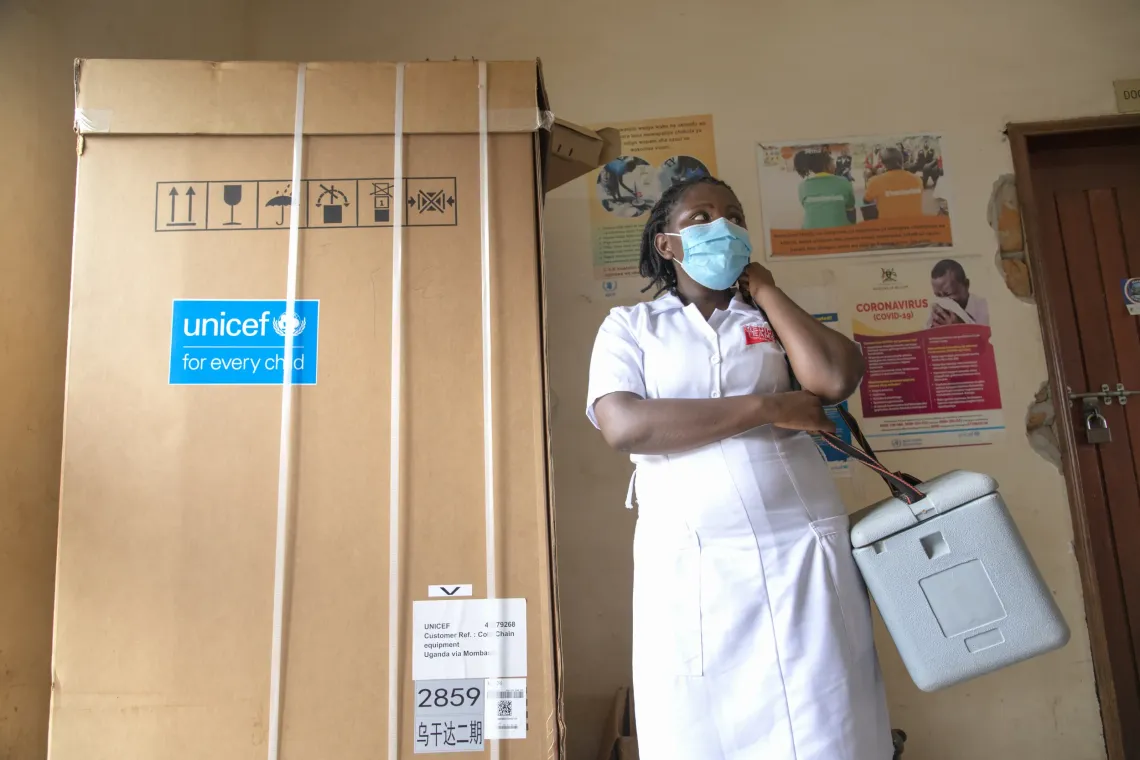
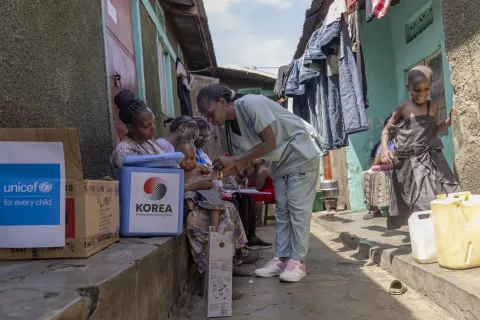
At one outreach site, the impact was already visible. Mothers and carergivers arrived with their children; some had walked long distances, while others were brought by neighbours or community volunteers. With support from Primary Health Care (PHC), many children who had missed vaccinations were reached and immunized, giving them a renewed chance at a healthier future.
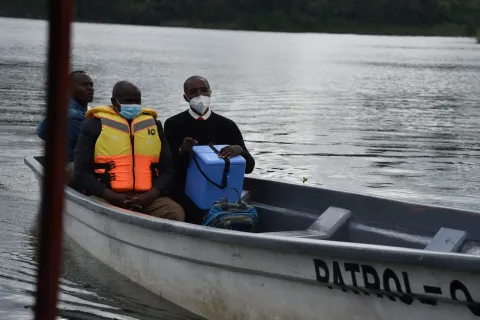
However, some families continued to face significant challenges. For households affected by long distances, poverty, disability, or child-headed family structures, accessing health services was not always possible. In response, UNICEF-supported targeted outreach sessions brought services closer to the most vulnerable. Health workers and VHTs worked tirelessly to ensure that even the hardest-to-reach children were vaccinated.
Each day, health teams reviewed their progress against targets, identified gaps, and adjusted their strategies. This continuous monitoring strengthened accountability and kept momentum high.
The results were remarkable. Coverage for the first and second doses of the measles-rubella vaccine (MR1 and MR2) rose significantly, exceeding 95 per cent for both antigens. More importantly, the district interrupted measles outbreaks in high-risk areas, including Kyakaitaba Parish in Bwizi Subcounty, parts of Biguli Subcounty, and previously vulnerable refugee settlement communities.
Behind these achievements are families empowered with knowledge, health workers committed to service, and communities united to protect their children. This initiative is about more than vaccines; it is about restoring hope, strengthening trust, and ensuring every child, regardless of where they live or their circumstances, has the right to a healthy start in life.