Protecting Ntungamo’s children
Faith and community in action beyond the pulpit

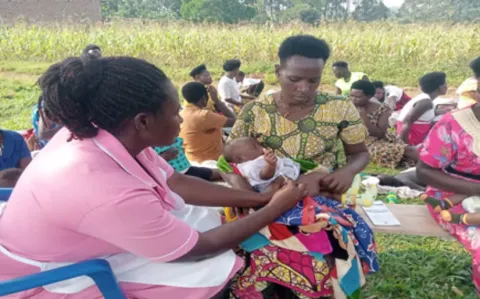
In the lush, banana-fringed Village of Kitwe 1, nestled in Uganda’s Ntungamo District, neighbours gather for a small but profound moment: five-month-old Davis and his five-year-old sister, Patience, receiving their vaccinations. Their home, miles from the nearest health centre, lies hidden within a vast banana plantation. As villagers chuckle and urge their own children forward, Davis, an unvaccinated ‘zero-dose’ child yet to be baptised, has his name inked on an official document for the first time. Patience, clutching her mother Beatrice’s colourful dress, watches with wide-eyed curiosity. Born at home, neither child has known the routine of health centre visits. Beatrice shares that Patience received two early doses, one within a month of birth and another a few months later, but a house fire destroyed her immunization card. ‘I was afraid to return without it,’ she admits softly. For Davis, the thought of vaccines never surfaced, as Beatrice was consumed by the daily struggle for survival.
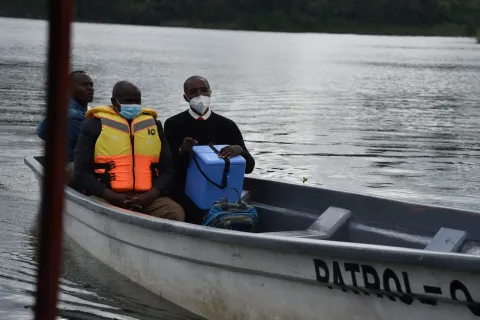
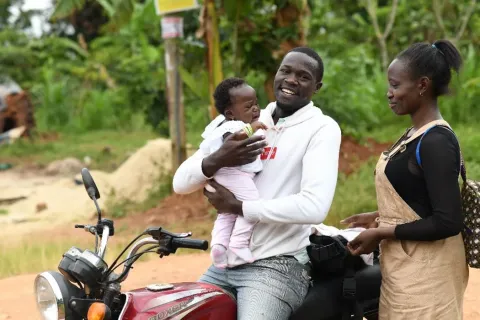
As Beatrice cradles Davis, Health Inspector Nesterio Twesigye leans toward Nurse Stephanie Tumuramye and whispers, ‘start with patience. If the baby cries first, she’ll run away.’ Patience, brave at first, takes the tablet, mouth drops, and arm injections in stride, but the thigh shots draw a sharp scream. She dashes back to her mother’s side, leaving a boy who had been holding her in place chuckling. His own brother, watching curiously, bolts into the banana plantation. It is Davis’s turn. Nurse Stephanie gently cautions Beatrice, ‘He might run a fever after this – when he does, breastfeed him, and it will pass.’ She hands Beatrice the newly completed immunization card and, with a firm yet kind voice, urges her to attend follow-up visits at the health centre. Stephanie’s journey to homes like these is no small feat. Carried on a boda boda over rutted paths, vaccine cooler strapped tightly to her side, she stops often to talk with families, her commitment unwavering despite the dust and jolts.

Beyond individual homes, the community of Kitwe 1 rallies to bridge the vaccination gap. David Muhoozi, a Village Health Team (VHT) member, strides through the village with a loudspeaker, his voice echoing: ‘Bring your children under five for immunization!’ He scribbles names and tracks unvaccinated children, noting the barriers these families face. Many cite the distance to Kitwe’s health facility as too far and costly. Some mothers confide that their husbands refuse vaccines, fearing illness or death. ‘Mothers know better, but they will not defy their husbands,’ David sighs. When resistance persists, Local Council (LC) I Chairperson Jimmy Mugyenyi Mugabi steps in. ‘I visit the family to talk sense into them,’ he says. ‘If they do not listen, I bring the police. Some need a firm hand. Once the mother shows up at the police station with the child’s immunization card, the fathers who have been arrested are free to go.’ His frustration with defiant parents is palpable, yet his resolve strengthens the community’s efforts.
Ntungamo District, with over 5,000 zero dose and under-vaccinated children as of January 2025, according to the routine District Information Health System data, faces persistent challenges in meeting the Ministry of Health’s 95 per cent coverage target. Since May 2025, a partnership between the Church of Jesus Christ of Latter-day Saints and UNICEF has fuelled transformative change. District biostatistician Robert Muhwezi explains that the Church’s funding supports micro-planning, house-to-house child registration, community dialogues, radio shows, and outreaches to remote areas. ‘In Ngoma, we found a family with four unvaccinated children, unaware of immunization needs,’ he says. ‘By August this year, Kitwe Health Centre IV’s Measles-Rubella 2 vaccinations jumped from 33 to 247.’ Progress is evident, but there are still gaps. ‘You find that health workers rely on hired boda bodas because many health centres do not have motorcycles. These hired boda bodas will not wait for them until they do all the work they need to do, so the health workers try to rush and that means, some children will not be immunized.’ Parents also question the need for vaccines, noting that diseases like polio are rare. ‘We have stressed that children without vaccination cards may face barriers to schooling or healthcare,’ Robert adds. ‘That has woken some up.’

This message resonates in Nyakisa Village, where a community gathers under the shady trees of the Nyakisa Church of Uganda as clouds loom overhead. Present are Local government councillors, Village Health Teams, parents, the health unit management team, and a registered nurse who is the in charge of Nyabushenyi Health Centre II. Health Inspector Nesterio leads a heartfelt discussion. ‘We are here for our children’s lives,’ he says. ‘Some claim diseases are gone, so why vaccinate? Many only target Tuberculosis and Measles – that is dangerous. We have come to hear from you.’ A church leader asks, ‘Besides TB, what diseases do these vaccines prevent?’ Murmurs ripple; most know the answer, so ignorance is clearly not the sole issue. One woman points to chairpersons demanding allowances, overburdening VHTs. Others cite domestic violence, long distances, lost cards, and religious objections. A Local Council 1 Chairperson, stunned to hear of unvaccinated children, urges, ‘We must preach this in churches, at funerals – everywhere. One sick child endangers us all.’ The community nods, praising Nyabushenyi Health Centre II’s in-charge, Catherine Nuwagaba, for her tireless outreach. ‘Serving people is my dream,’ Catherine says, her eyes teary with emotion. ‘Since arriving, I have pushed outreaches to every corner, even calling families by phone. No child should be unvaccinated.’
Across Ntungamo, health officials like Beatrice Chemusto, the Assistant District Health Officer with 18 years of experience, bring passion to the fight. Hailing from Kapchorwa, home of champion runners, she declares, ‘You can’t run if polio disables you.’ She recounts religious leaders misquoting scripture, claiming ‘Jesus immunizes,’ or families hiding children during campaigns. ‘Some even flee to neighbouring districts,’ she says, exasperated. The Church’s funding has enabled dialogues in eight of Ntungamo’s 34 sub-counties, targeting low-coverage areas. Yet, challenges persist. Many parents misunderstand the immunization schedule, skipping doses after new vaccines were introduced. In Kibeho, one mother presented a fake card to dodge scrutiny. ‘She needed it to travel,’ Beatrice explains, ‘but her husband wouldn’t fund outreach visits. We will follow up once she completes the schedule, we want to know where she got it.’ Some families trust herbal remedies over vaccines, unconvinced by their necessity. ‘With house-to-house tracking and dialogues, we are changing mindsets,’ Beatrice says. ‘Scaling this up could cut unvaccinated children drastically in eight months.’
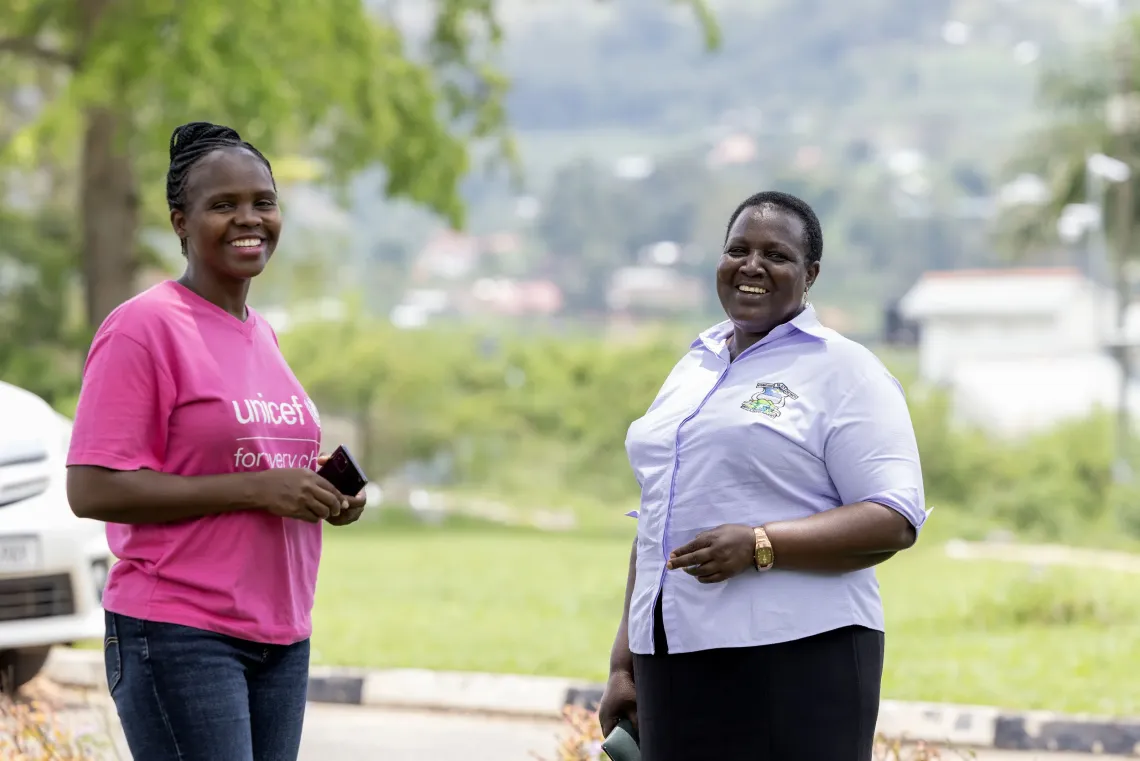
‘The Church’s support lets us name and track unvaccinated children through VHTs and targeted outreaches. UNICEF trains health workers, strengthens micro-planning, and engages religious, cultural, and political leaders to sustain demand. Success is communities demanding vaccines and no unvaccinated children,’ she adds. ‘We are on track, but sustaining quality – cold chains, supervision – needs ongoing support.’
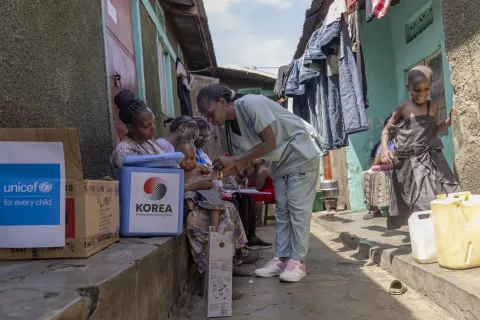
Far in Nshenyi Village, near Tanzania’s border, Nerico Gumisiriza strides from a shower as his mother shoos a cow from sweet potato plants and his wife searches for vaseline. His daughters, Elizabeth and Martha, are fully vaccinated but they will need some deworming tablets. ‘Men must get their wives to hospitals for delivery – it’s safer, and the government knows you,’ he says confidently. Nearby, a group of mothers surround Nurse Stephanie, their children in tow. ‘I vaccinated my children for a good life for us all,’ Nerico adds. ‘Not vaccinating is foolish. You risk your children and others.’
The Church of Jesus Christ of Latter-day Saints’ funding remains a lifeline in Ntungamo, ensuring children in remote communities like Kitwe 1 and Nshenyi grow up free from vaccine-preventable diseases, their futures as vibrant as the banana plantations surrounding their homes. In just months, 500 of the district’s 5,000 unvaccinated or under-vaccinated children have been immunized. Scaling this effort – training more health workers, nurturing community demand, and overcoming barriers – will build a sustainable future that includes all children.