From policy to action
Key Lessons from inside the PROSPECTS Partnership in Uganda

“Do not be afraid of failure.”
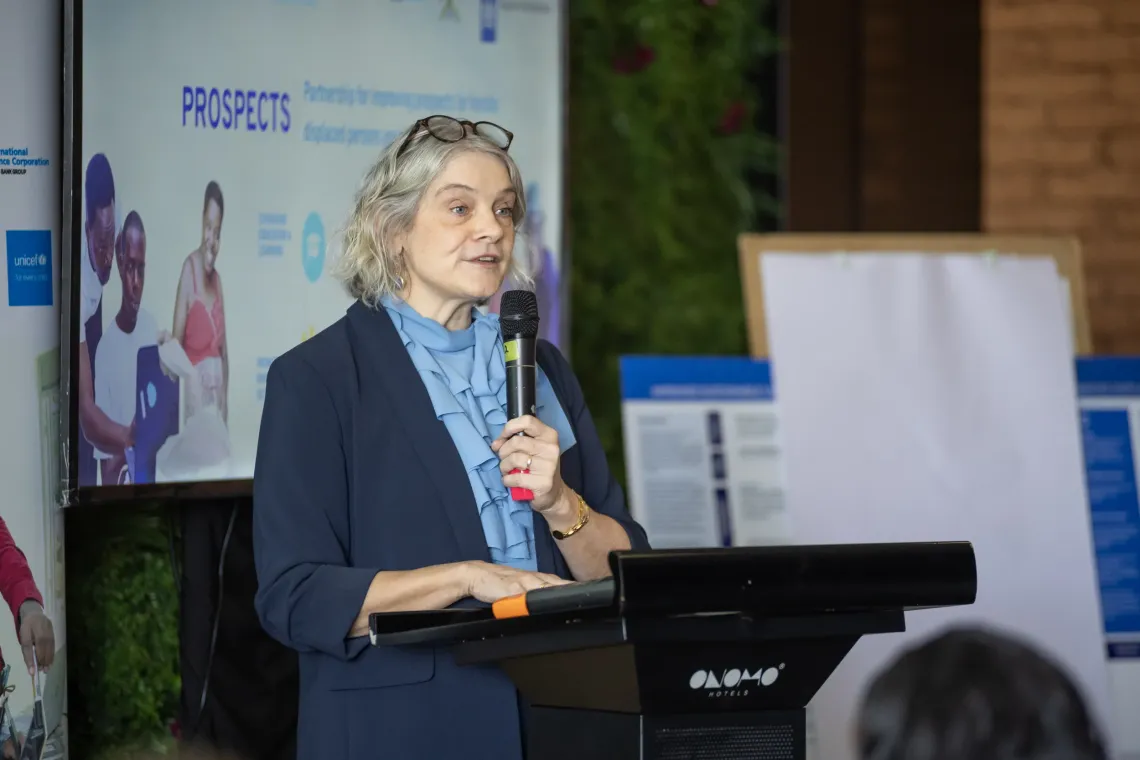
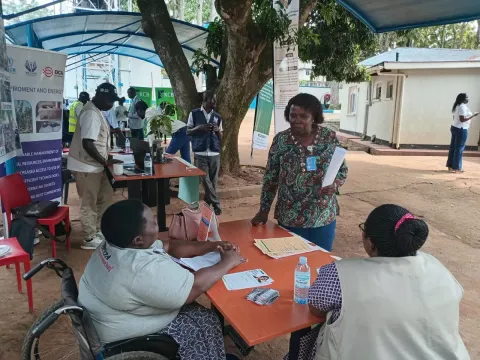
The room fell into a sudden hush as the Ambassador of the Kingdom of the Netherlands, Her Excellency Angéle Samura, lifted her gaze off her written notes, and spoke plainly. Representing a country funding a multimillion-dollar project, the Ambassador’s mention of failure could have had multiple implications for the occupants of the hushed conference room, gathered for a monitoring, evaluation and learning (MEL) session. Still speaking off script, the Ambassador’s next words were followed by multi-heads nodding in agreement;
“MEL means daily learning: how is it going, and what mistakes did we make along the way? We must learn from what has gone wrong, and not only celebrate what has gone right, ” she said.
This set the tone for two days of candid conversation about the Partnership for Improving Prospects for Forcibly Displaced Persons and Host Communities (PROSPECTS). On 21 and 22 September 2026, the representatives of the implementing partners and stakeholders from within and outside Uganda held detailed discussions to identify what has worked, what needs to work, what lessons could be scaled to guide decision-making in the final year of PROSPECTS and what can be done to sustain the gains long after the programme ends.
PROSPECTS in Uganda
Funded by the Kingdom of the Netherlands, PROSPECTS was launched in 2019, and is currently in its second phase (2024-2027) to address the shared and evolving needs of refugees and host communities, working alongside the Government of Uganda to build more inclusive societies.
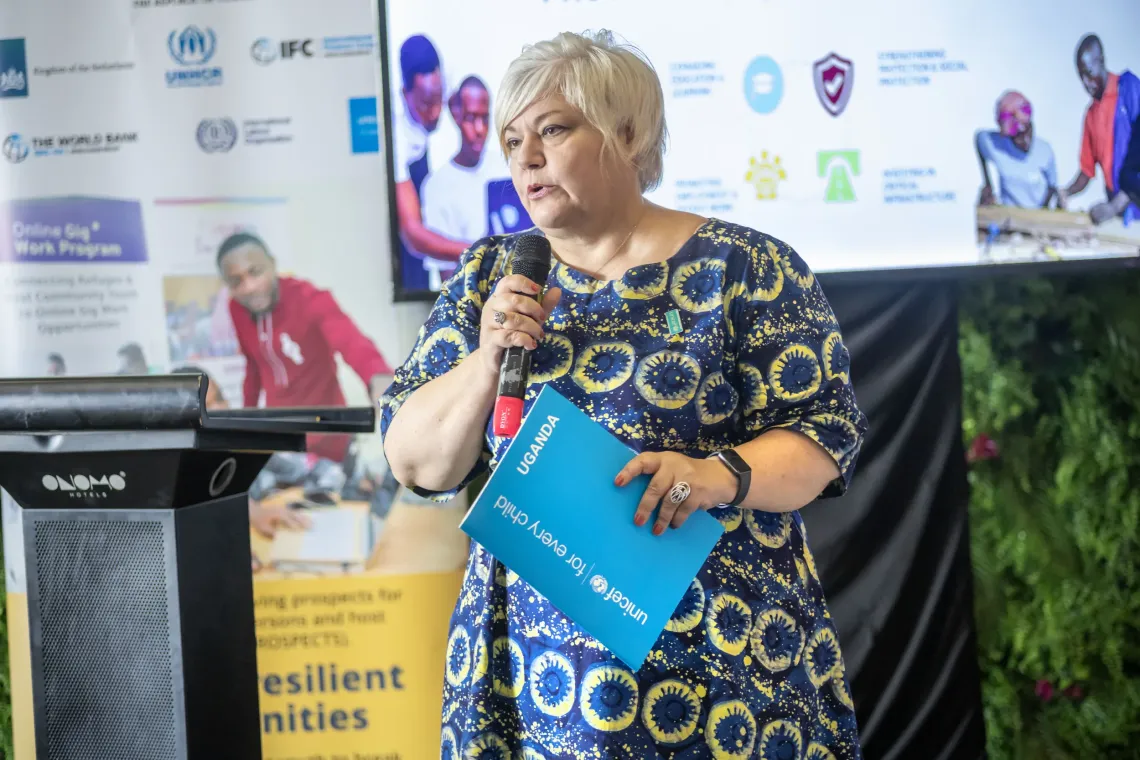
The initiative is built around four interconnected pillars: education and training; economic inclusion; protection and social protection; and critical infrastructure, and is implemented by five agencies: United Nations Children’s Fund, United Nations High Commissioner for Refugees, the International Labour Organization, the World Bank and the International Finance Corporation, in three refugee-hosting districts: Isingiro, Madi-Okollo, Terego and one urban town council: Kampala.
What has worked
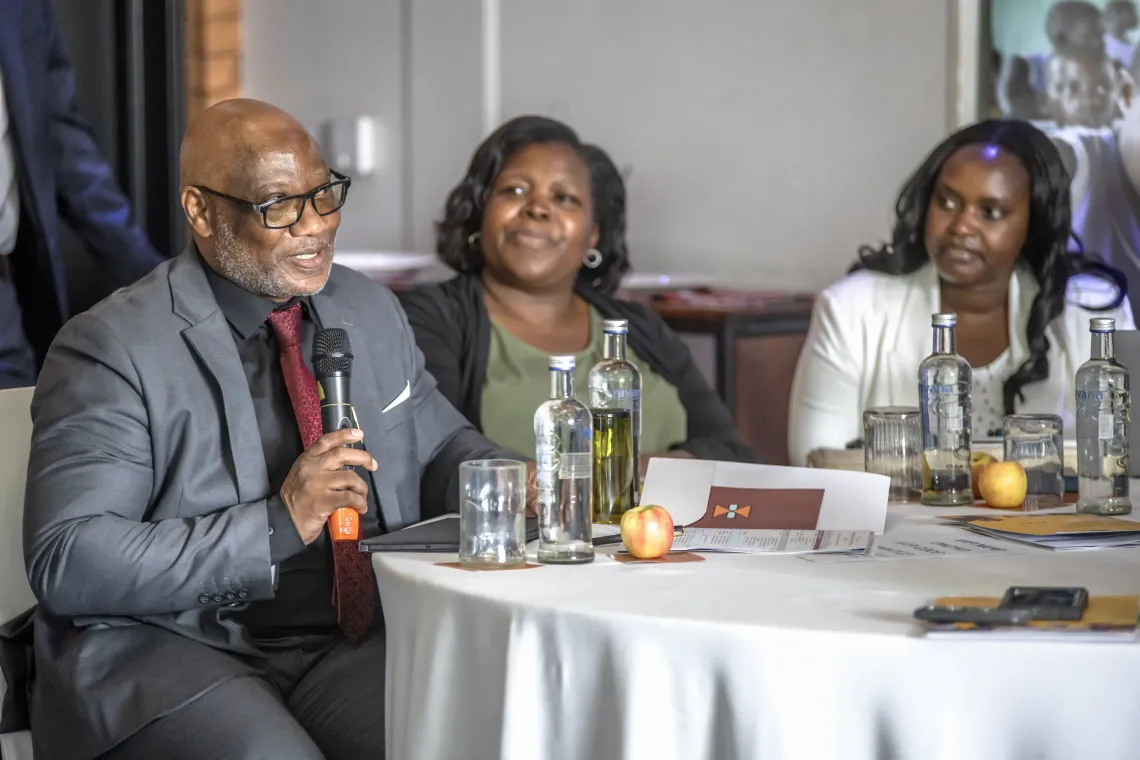
According to Margaret Atieno, the UNHCR Representative in Uganda, PROSPECTS has helped to write a new pilot model for ways of working collectively. Refugee inclusion is now written into Uganda’s national development planning because the PROSPECTS team, worked alongside government as genuinely credible partners, not external actors. Representatives of all five implementing agencies highlighted the opportunity to scale what already works, expanding these models to other locations and deepening digital and market-based livelihoods. Margarita Tileva, UNICEF Uganda Deputy Representative Uganda also noted that PROSPECTS has helped amend more than 50 national policies and frameworks, laying a foundation that the Government of Uganda can build on, to enable peaceful co-existence of refugee and host communities. Under PROSPECTS, six multi-purpose community centres are becoming social and economic hubs where both refugees and host communities access skills, enterprise support and psychosocial services under one roof.
What needs to work
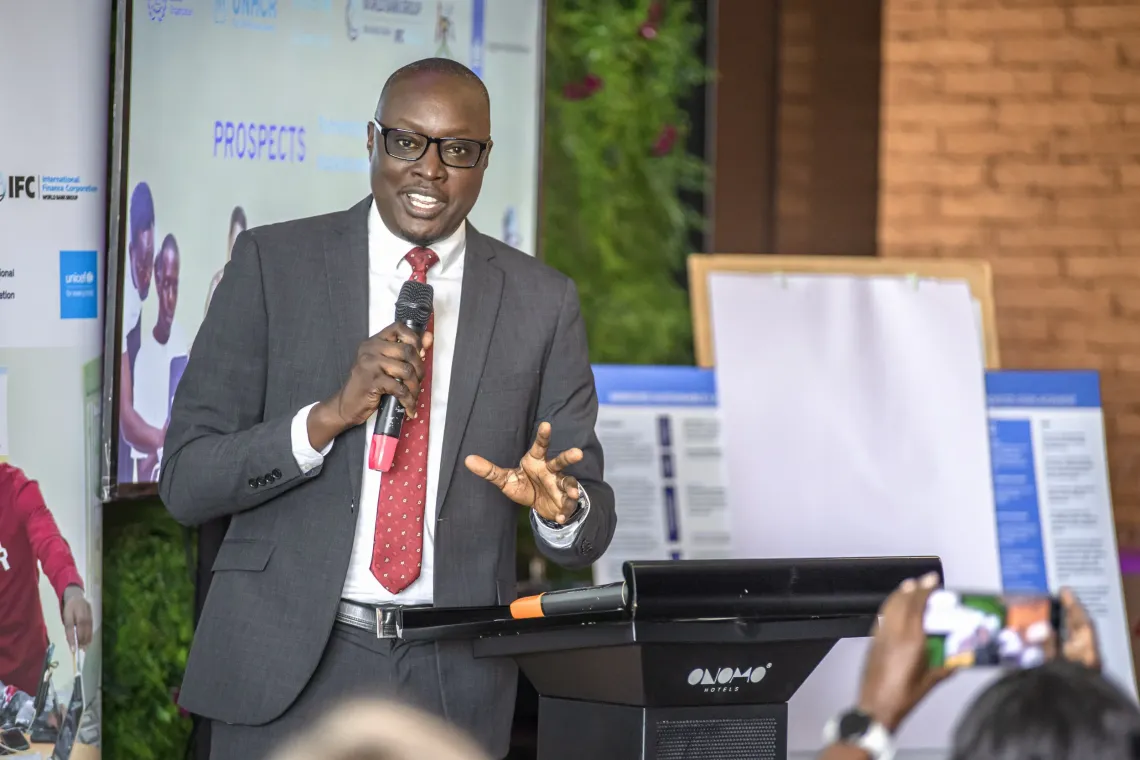
A critical part of the MEL session took the form of an honest accounting of what still is not working, why it needs to work and what can help it work. Tony Emmy Ameny, the Acting Commissioner for Refugee Management at the Office of the Prime Minister, explained the desired outcome in practical terms; a child who completes school is building human capital, and a refugee household that becomes economically self-reliant is less dependent on humanitarian assistance. Achieving that, participants agreed, means removing the everyday barriers that still keep refugees from temporal land ownership and use, documentation and gainful work, while ensuring efficient social protection. It also means turning policy commitments into outcomes that last, building on models like the existing apprenticeship model that has already achieved a 70 per cent employment outcome among its graduates, and extending that success into agriculture, a cornerstone of Uganda's economy.
Ensuring that the work continues
Cognisant of shrinking worldwide funding for humanitarian work despite increasing need, participants agreed that sustaining PROSPECTS' gains beyond the programme's final year will depend on embedding its pillars permanently into Uganda's National Development Plan IV, strengthening local governments capability to take on community-level programmes, and drawing in private investment through public-private partnerships. At the close of the two days, a key agreed action was to schedule at least two ‘mini-MELs’; shorter programme assessment and learning sessions throughout the year to internationally facilitate continued and shared learning.
Voicing the optimism in the room, one participant pointed to the consistent lessons learnt, the shared ambition of the implementing agencies, the government commitment and the continued partnership of the Kingdom of the Netherlands, and drew a conclusion, “It will work.”