A new kind of egg: How powdered nutrition is saving Uganda’s stunted children
“Here, we have the good food—eggs, avocados, pineapples—but we sell it all!”
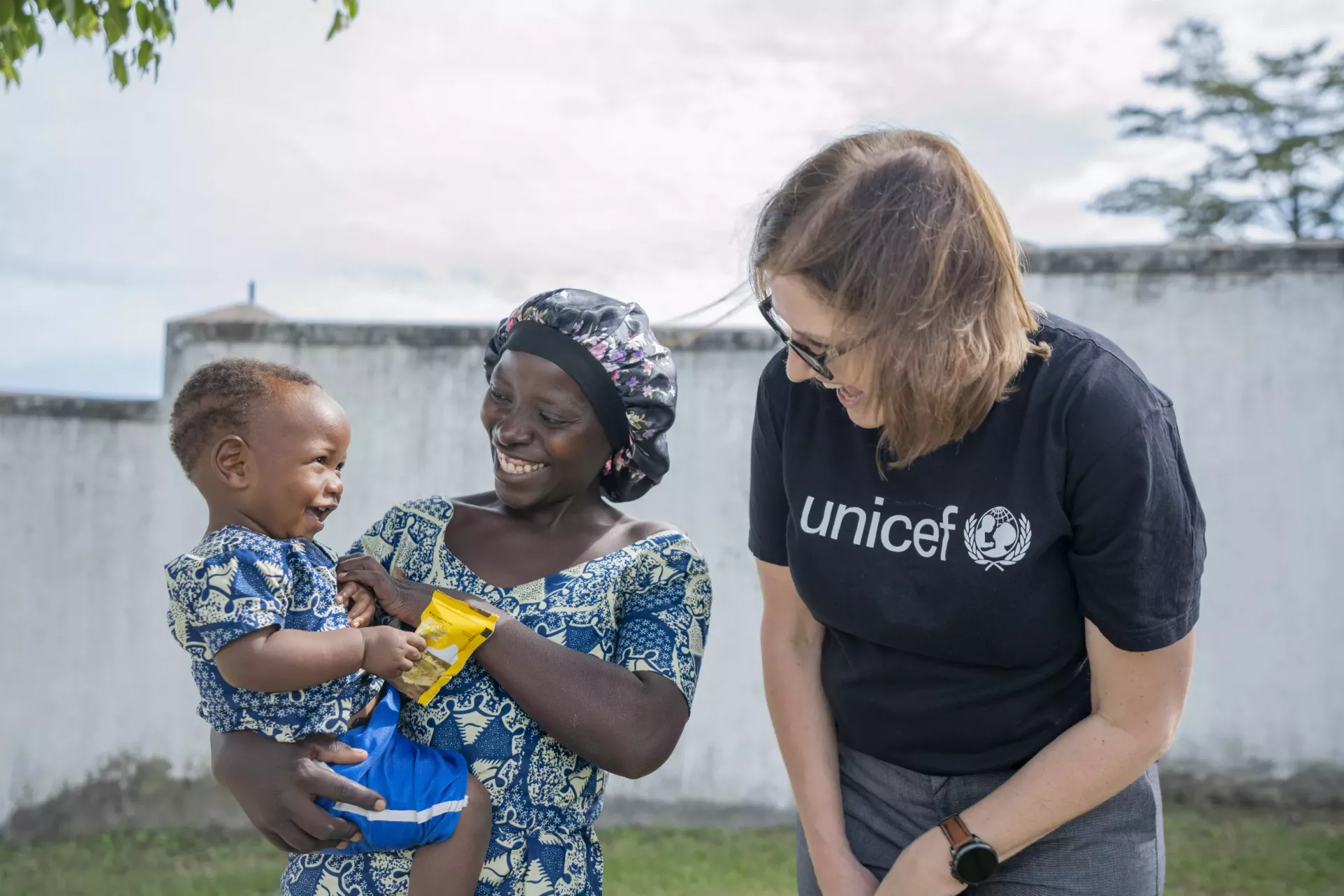
In the green hills of Uganda’s Tooro region, where local markets are rich with bananas, pineapples, and cassava, a silent crisis has long been unfolding. Despite the abundance of food, nearly 40 per cent of children in districts like Kamwenge are stunted, robbed of their full potential before they can even speak in full sentences. But now, hope comes in the form of a small sachet, small enough to fit in the palm of a caregiver’s hand, filled with an unexpected source of life-changing nutrition: powdered egg.
On April 23, in Kamwenge District, a simple omelette cooked from egg powder marked the launch of a bold new chapter for child nutrition in Uganda. At the heart of the initiative—known as EPIC, short for the Egg Powder Initiative for Children—is a partnership between UNICEF, the Government of Uganda, and a local private company, Pristine Foods Ltd. Supported by the Norwegian Agency for Development Cooperation (Norad), EPIC is not just introducing a product; it is redefining what it means to nourish a child.
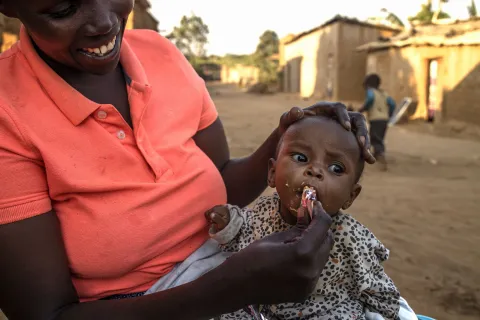
Christine Tuhaise, a mother from Kamwenge, understands the problem only too well. “Here, we have the good food—eggs, avocados, pineapples—but we sell it all,” she explained. “Our children are left eating cassava, matoke, or maize every day. And with the little money we earn, we often buy junk food instead of nutritious meals.” Christine, like many mothers, said she is determined to do things differently.
“I will give my four-month-old child what he deserves—real food, with carbohydrates, proteins, and vitamins. We have learnt that children need different types of food, not just the same starchy meal every day.”
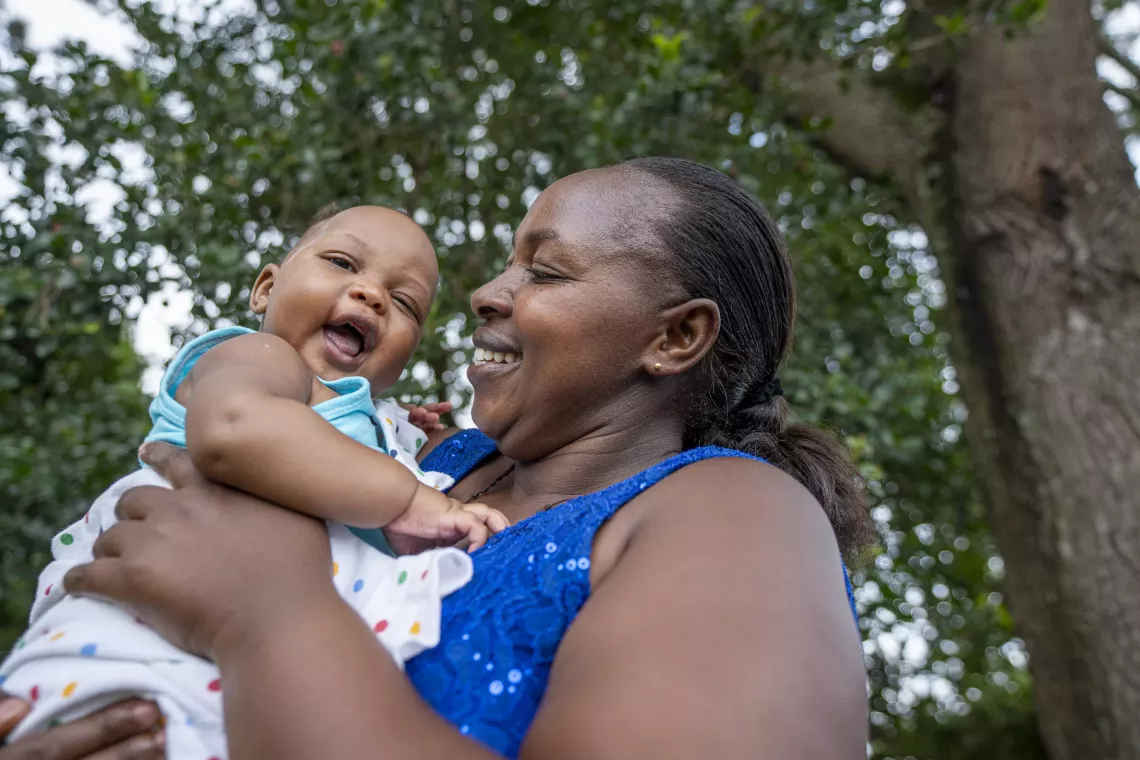
The statistics tell a sobering story. According to the 2022 Uganda Demographic and Health Survey, 26 per cent of children under five are stunted, meaning they are too short for their age due to chronic malnutrition. In 2001, the figure was an even grimmer 45 per cent, according to Samalie Namukose, assistant Commissioner, Nutritional Health – Ministry of Health. Although progress has been made, reaching Uganda’s target of reducing stunting to 12.5 per cent by 2030 requires an ambitious acceleration—from an annual reduction rate of 0.9 percentage points to 5.3 percentage points per year.
“Tooro is a food basket. Yet, when you look at the data, it’s competing with Karamoja for the highest rates of malnutrition, said Dr Daniel Kyabayinze, Director of Public Health at the Ministry of Health, during the launch event. “In Karamoja, food is scarce. Here, it is not. The President often tells us, you, health people have failed to teach communities what to eat. This initiative is about changing that.”
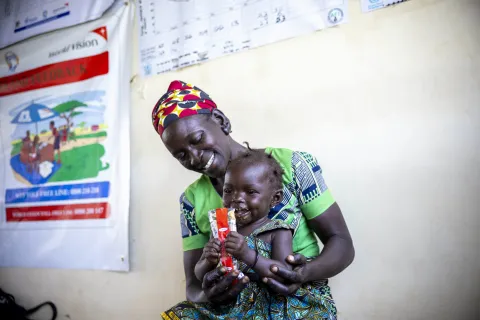
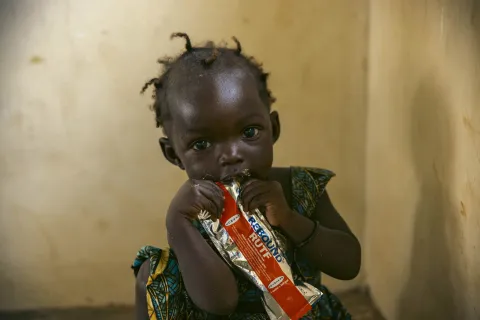
The EPIC sachets, developed by Pristine Foods Ltd, offer a practical, affordable, and accessible solution. Each 12-gram packet contains the equivalent of a whole egg. It can be mixed easily into everyday meals—stirred into porridge, added to beans or rice, or cooked into a simple omelette. The production process is straightforward but thorough: eggs sourced from over 100 smallholder farmers are collected at regional centres, then transported to a factory in Kireka where they are checked for quality, pasteurised, and dehydrated, says Erina Guma, General Manager at Pristine Foods Ltd. The result is a product with a shelf life of two to 10 months, making it ideal for communities where fresh eggs are scarce or unaffordable.

“This is a quality product that we are embracing as part of our strategy to end all forms of malnutrition,” said Samalie Namukose. She added that egg powder has been successfully used in Ethiopia and Kenya to reduce stunting, and Uganda is now poised to follow suit. “We are running this under the theme: ‘No Time to Waste – Together, Let’s End Child Stunting Now.’ Every one of us has a role to play.”
EPIC is part of UNICEF’s wider First Foods Africa strategy, a continental effort aimed at making nutrient-dense complementary foods available, affordable and acceptable for young children.
Christiane Rudert, UNICEF’s Regional Nutrition Advisor, said EPIC addresses a crucial gap. “Many children here are fed mono diets of starch, with very little protein. Without protein and other essential nutrients, children don’t grow well. This initiative is about getting mothers to have egg powder in their homes, and to want to use it every day, to build healthier, stronger children.”
EPIC’s initial rollout will target 50,000 children aged six to 23 months in the pilot phase in Kamwenge. Each child—will receive one sachet per day for six months. That’s 180 life-boosting doses of nutrition. But the plan doesn’t stop there. EPIC aims to scale up to more districts, including Kasese and Kyegegwa, covering the entire Tooro region by year-end.
Mothers like Christine will not only benefit from free distribution during the pilot phase, but also from a wide-reaching social marketing campaign designed to make egg powder a familiar, aspirational purchase in every local market and kiosk. For the many families who cannot afford it, UNICEF and partners will continue supporting them.
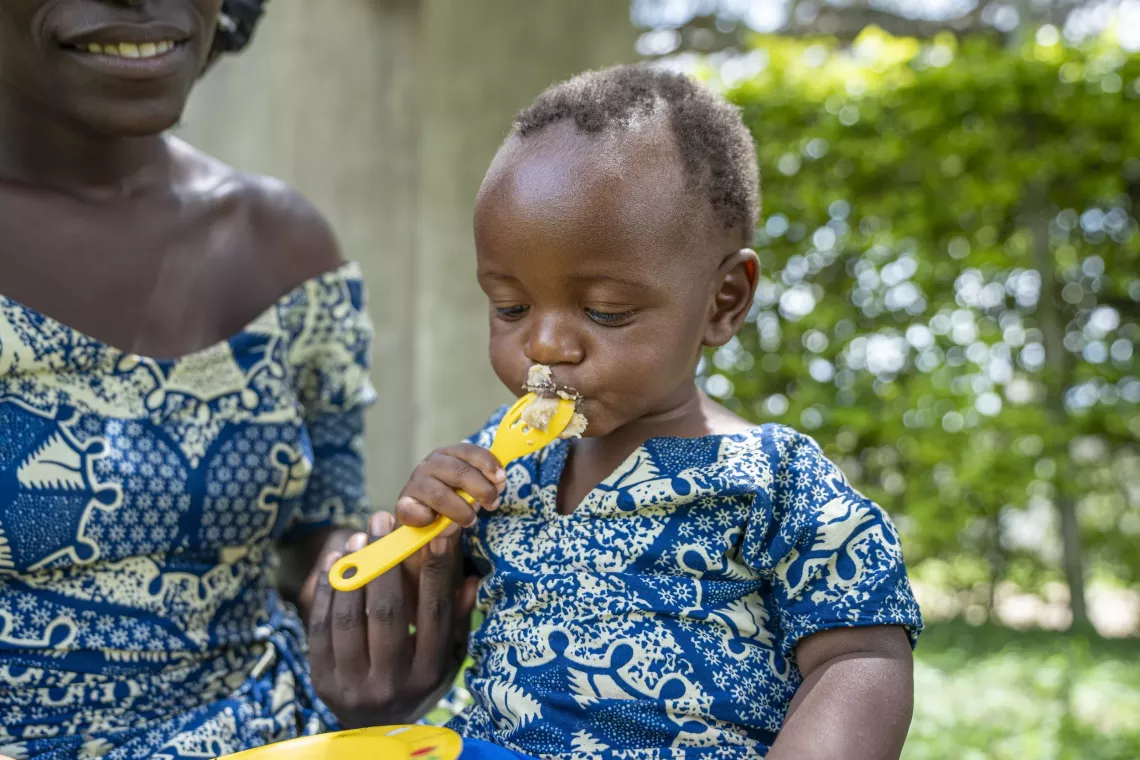
Stunting robs children of their future, undermining their ability to learn, earn, and lead healthy lives. But as Dr Kyabayinze put it, saving even 10 children out of 100 is a monumental achievement.
Mothers like Christine will not only benefit from free distribution during the pilot phase, but also from a wide-reaching social marketing campaign designed to make egg powder a familiar, aspirational purchase in every local market and kiosk. For the many families who cannot afford it, UNICEF and partners will continue supporting them.
Stunting robs children of their future, undermining their ability to learn, earn, and lead healthy lives. But as Dr Kyabayinze put it, saving even 10 children out of 100 is a monumental achievement.