Mpox vaccination brings hope to people in fishing communities in Entebbe
“We looked forward to this moment of mpox vaccination and we are to receive the vaccine today”
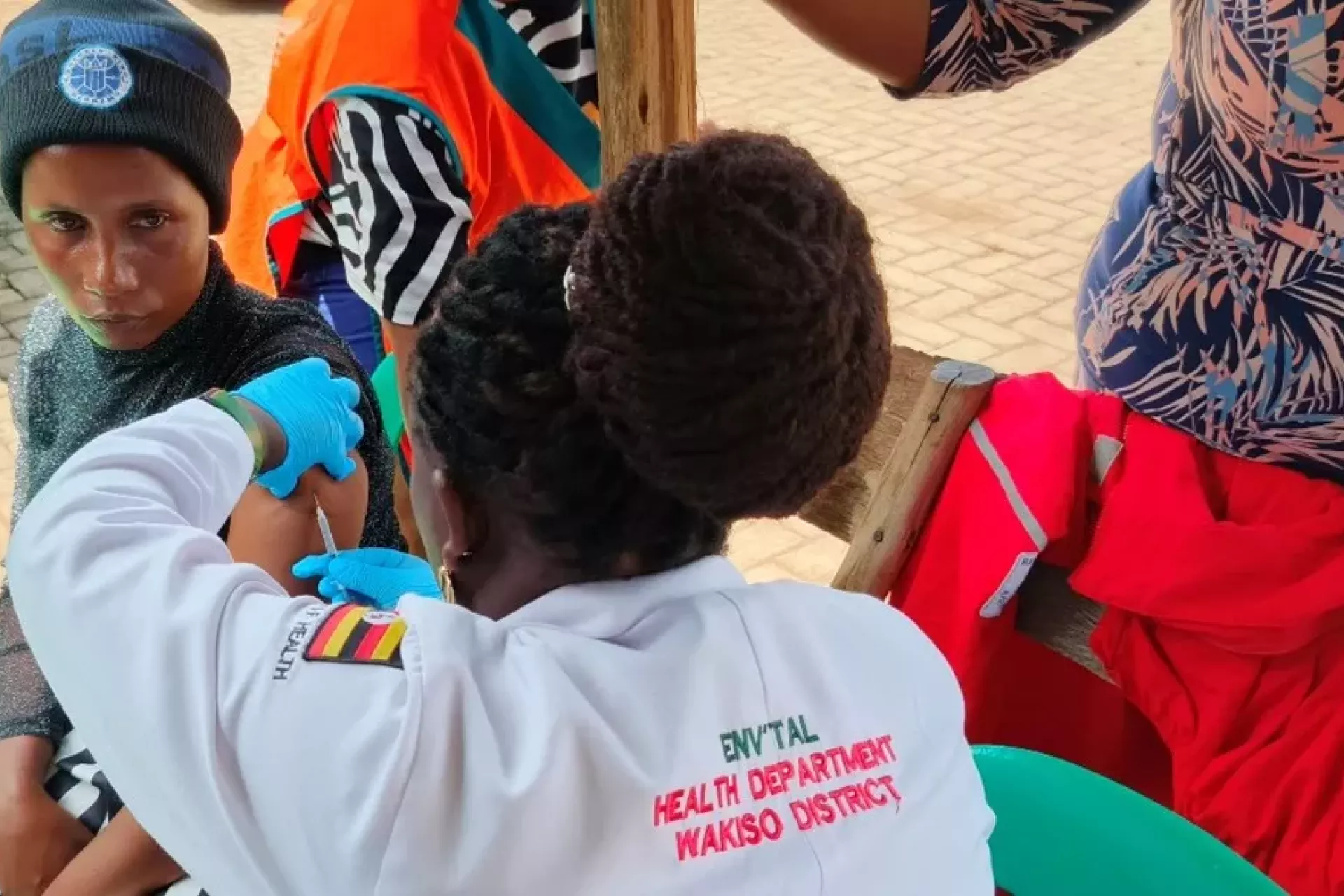
Uganda's fishing communities have been disproportionately affected by the recent mpox outbreak, with the disease spreading rapidly through densely populated settlements where residents live and work in proximity. Since September 2024, Uganda has recorded 5,725 cases and 40 deaths nationwide, with fishing communities along Lake Victoria suffering some of the highest infection rates.
The Kasenyi fishing community along Entebbe Road represents various cohorts of key populations that are vulnerable to infectious disease outbreaks like mpox, cholera, HIV/AIDS and malaria. These settlements are characterized by crowded living conditions, extreme poverty, limited healthcare access, and economic activities that involve close physical contact.
Beatrice Amita, a single mother who lives in Kasenyi fishing community, runs a bar to support her nine family members. She was appointed a peer leader by women dealing in silver fish locally known as ‘Mukene’, while others deal in selling fresh, dried and fried fish products and preparation of local food dishes.
“I often get information from my peers suffering from mpox, with visible scary signs and symptoms, and help in referring or taking them for health services, including Entebbe General Hospital Isolation Unit, where many people with mpox have been treated and cured,” Beatrice Amita, peer leader of the Kasenyi fishing community.
Amita’s community is characterized by bar and lodge businesses, where fishermen go for relaxation after fishing as they wait for their fishing nets to be rearranged again for the night fishing shift. At the hangoutareas, the fishermen interact with barmaids or freelance ladies commonly known as ‘Neko’ or ‘Ba’nekolera gyange’ (self-employed). These transactional sexual practices, hangouts and establishments like bars and lodges become critical points for both disease transmission and health intervention outreach.
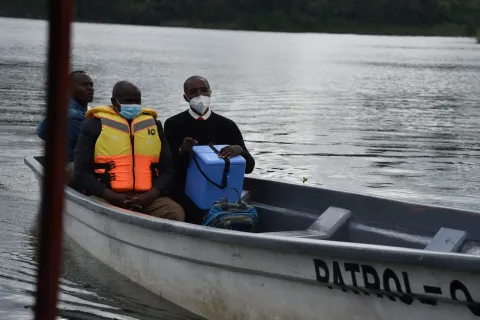
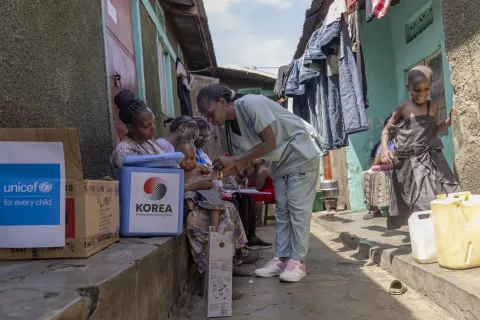
In response to the growing crisis, the Ministry of Health collaborated with partners, including WHO and UNICEF, with support from The Church of Jesus Christ of Latter-day Saints and USAID, to launch a targeted mpox vaccination campaign. The campaign successfully saw the vaccination of 10,000 eligible people in Wakiso District, including those in Kasenyi and Kigungu fishing communities and Lake Victoria Islands of Bussi and Zzinga
The campaign utilized a community-centred approach, leveraging trusted local leaders to increase vaccine awareness and acceptance. Peer leaders like Beatrice Amita, who played a critical role in mobilizing community members for vaccination, stated, “We looked forward to this moment of mpox vaccination or cure, and we are happy to receive the vaccine today.”
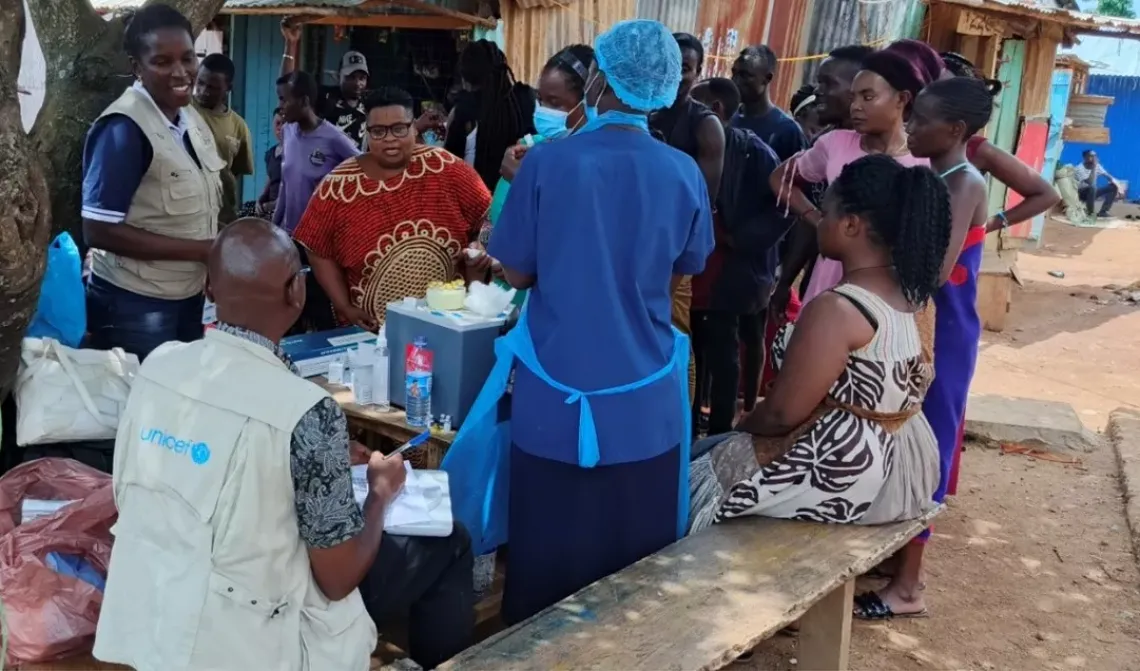
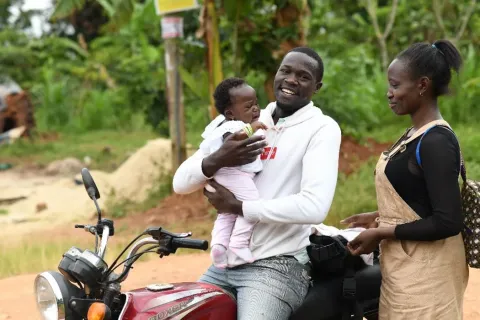
During mpox vaccination at Kasenyi fishing community, Beatrice worked hand in hand with community leaders and vaccination teams to mobilise eligible groups through one-on-one conversations and group engagements especially in bars, at boda boda stages, with fishermen at their boats and at lodges, shops and homes. As she talks to her peers, she continues to encourage them to get vaccinated against mpox and remain vigilant and report to the health facility whenever they get signs and symptoms of mpox.
For Rose Namirembe who operates a bar in Kigungu fishing community where most of her customers are fishermen, her sister and three of her workers got mpox and got cured after treatment at Entebbe General Hospital Isolation unit. “Mpox vaccination is our saviour from this painful mpox disease and when I got information from our leader, I could not hesitate to come for the service,” Rose Namirembe Says.
The vaccination campaign in April and May 2025 represented a critical step towards building health resilience in communities that remain vulnerable to infectious disease outbreaks. By protecting nearly 10,000 individuals against mpox, the initiative not only prevents immediate suffering but also helps maintain economic stability in communities that depend on fishing for their livelihoods.
The campaign's emphasis on working through established community networks proved essential in reaching a population that might otherwise be sceptical of outside intervention. By engaging peer leaders who understand local customs, networks and relationships, the vaccination teams could effectively address concerns and encourage participation.
The success of this intervention demonstrates how strategic partnerships between government, UN agencies, implementing partners, and community leaders can effectively address health challenges in vulnerable populations.
The testimonials from community members offer powerful evidence of impact. Each vaccination represents not just protection against disease, but also the preservation of livelihoods, family stability, and community wellbeing.