Clean water, restored hope
Aquatabs bring relief to refugees in Nakivale Refugee Settlement

When conflict in the Democratic Republic of Congo (DRC) forced thousands to flee to Uganda. Since January 2025, 70,802 refugees from the DRC have crossed into Uganda mainly through southwestern border and 90 per cent of those settled in Nakivale Refugee Settlement. This significant increase in numbers has strained the existing services particularly water access. In most parts of the settlement access to water is less than 7 litres per person, per day forcing the people to resort to surface water that is very unsafe.
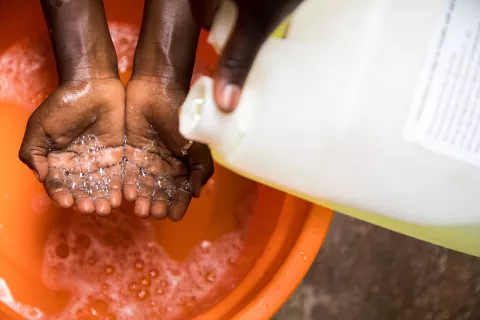
UNICEF in partnerships with Nsamizi Training Institute, the UNHCR WASH implementing partner has provided aquatabs as an interim solution focusing on new arrival areas to relieve the water quality issues as efforts are underway to extend safe water to these communities. Through rehabilitation of the existing boreholes and piped water extensions among the activities that UNICEF is also supporting.
So far, 3360 families have received the aquatabs, each family receiving ten sachets of ten tablets. With only two tablets needed to purify a 20-liter jerrycan, this simple intervention quickly restored health and peace of mind for newly arrived families.
Before aquatabs, families were at risk!
Angella Muhaya, a single mother of three young children, fled eastern DRC earlier this year. She recalls those first months in Nakivale: “We fetched water from the dam and tried letting it settle in containers. Still, my children kept falling sick with diarrhea and typhoid.”
Each illness meant long hours at the health centre instead of tending to her family’s other needs.
Mwindo Kamala, a father of four, had no way to treat water at all. “We just drank it as it was. The children suffered rashes and stomach-aches and missed school often. We also lost time in the garden, caring for them.”
For Issa Musafiri, a widowed father of four, untreated water meant his children were constantly weak. “We rarely boiled water because fuel was scarce. Every time the children got sick, we spent whole days at the clinic. It was exhausting, and their learning suffered.”
A quiet sense of stability has settled over the village since the aquatabs distribution in June. The constant, low-level anxiety that once simmered beneath the surface of daily life has finally begun to recede. Families have watched as the persistent outbreaks of diarrhea and painful skin infections that plagued their children have disappeared. The laughter of healthy children, now strong enough to attend school regularly, has become a more common sound than their pained cries.
This newfound health has given back the one thing more precious than medicine: time. Parents no longer lose entire mornings to the painstaking process of decanting water or whiling away hours in long, desperate queues at the clinic. Instead, that time is now invested in the rich soil of their gardens, in small ventures to earn an income, and in the simple, joyful act of caring for their families.
More than anything, the safe water has lifted a daily burden of fear.
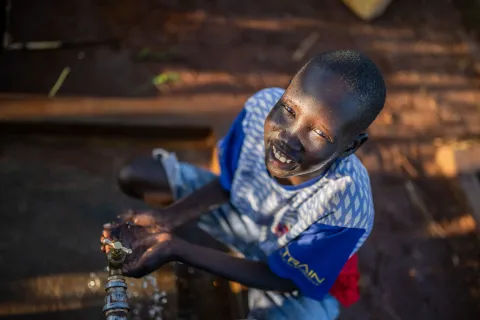
As Angella remarked while watching her daughter drink deeply from a cup, “Now my children drink without worry. I can focus on food and other needs instead of thinking about sickness all the time.” It is a simple freedom, but it has changed everything.
Personal reflections
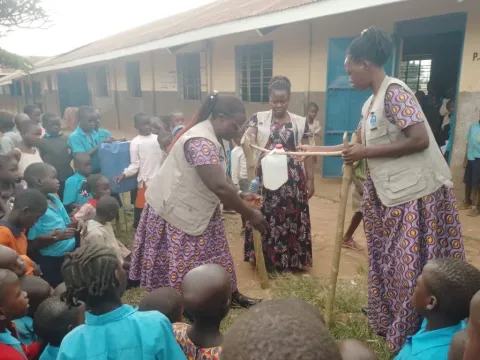
For Issa, the change is deeply personal: “When the VHT showed us how to use the tablets, I watched my children drink without fear for the first time. Their smiles gave me hope.”
Mwindo highlights the dignity that comes with safe water: “To me, clean water means when you drink and you don’t fall sick. It is that simple, and it changes everything.”
A lifeline amidst crises
For the families of Nakivale, aquatabs have done more than purify water. They have restored health, reduced strain on already stretched health facilities, and given parents and children the chance to focus on rebuilding life.
As Issa reflect; “You have given my children and me not just clean water, but peace of mind, dignity, and a chance at a healthier life.”