Before it turns deadly
UNICEF, WFP race to reach malnourished children

Chengem Rebecca knew her son was sick. What she did not know was why he was not getting better.
The 28-year-old mother from Moroto District had watched the one-year-old struggle through repeated bouts of fever and severe diarrhoea. She sought medical care.
Her son received treatment. But the illness persisted.
The boy became weak. He ate poorly. “I first realized something was wrong when he started having constant fevers and severe diarrhoea,” Rebecca recalls. “I took him to the health centre, and he was treated, but he was not responding.”
Rebecca knew fever. She knew diarrhoea. She didn’t know malnutrition.
That changed when an outreach team, supported by the United Nations Children’s Fund (UNICEF) and the World Food Programme (WFP) through funding from the Uganda Humanitarian Fund, reached her community.
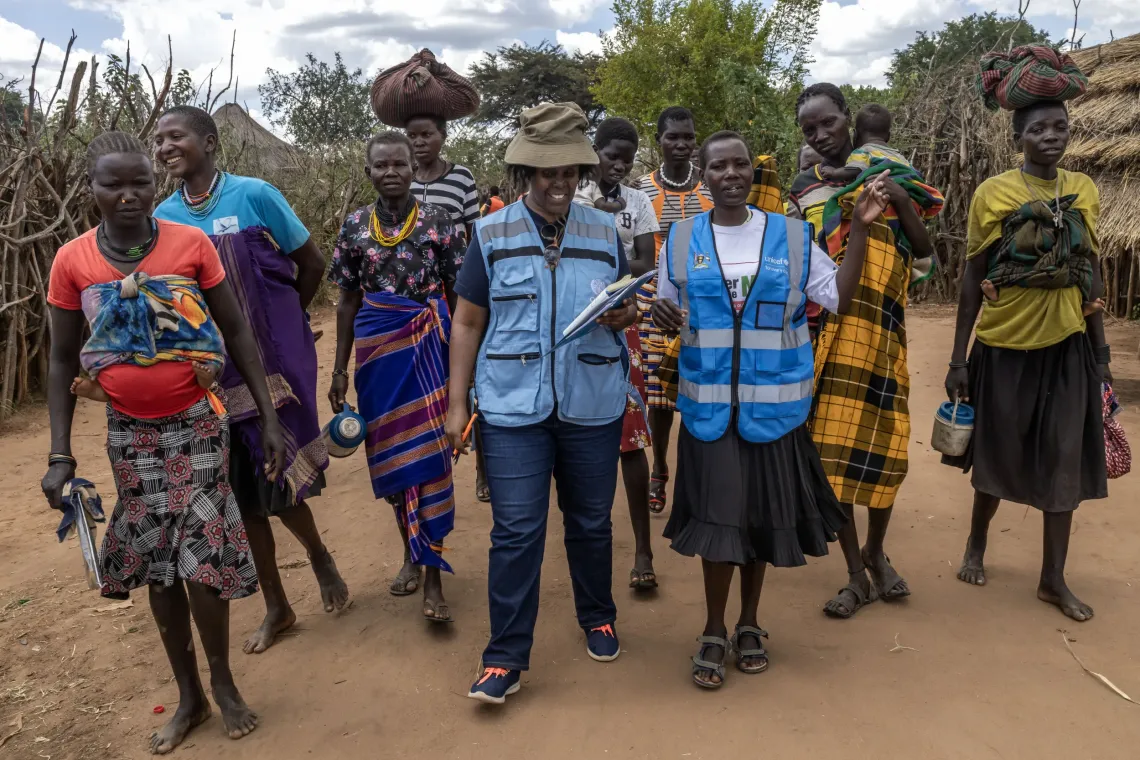
Rebecca took the boy to the Lorikokwa community outreach site for screening. A health worker measured his mid-upper arm circumference (MUAC), a simple test using a colour-coded tape wrapped around a child’s upper arm to identify acute malnutrition.
The result provided an answer that weeks of illness had obscured: Rebecca’s son was malnourished.
The diagnosis was also a turning point. The boy was enrolled for nutritional treatment. He has received three cycles of nutritional support in June, July and August. Slowly, Rebecca says, the child she feared she was losing began to return.
“When I first brought him, he was very weak, had constant diarrhoea and fevers, and was not responding well to treatment,” she says. “Now I can see a difference.”
He eats better. He moves. He plays.
Like Rebecca, Munyet Asunta knew her child was sick, but she did not know malnutrition was part of the problem.
The 30-year-old mother from Komaret village had watched her child suffer persistent fever and diarrhoea. Treatment at a health centre did not stop the fevers. It was only after screening at the Lorikokwa community outreach site that she learnt the child was malnourished and needed nutritional support.
Her child now receives nutritional support, but other children in the household are hungry too.
“The food is supposed to be for the child receiving treatment, but the other children are also hungry,” she says.
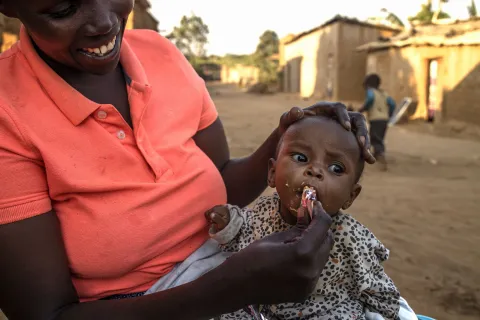
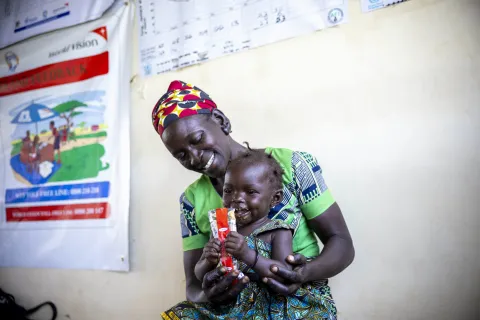
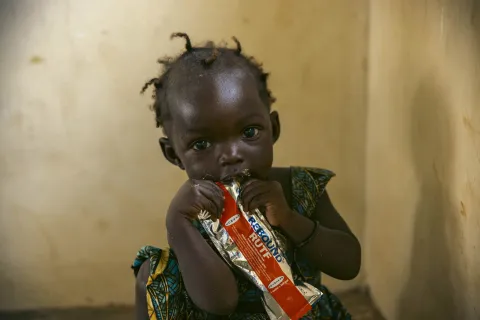
Children with moderate acute malnutrition (MAM) receive WFP’s Ready-to-Use Supplementary Food (RUSF), a high-energy, nutrient-rich paste containing protein, vitamins and minerals. Children with severe acute malnutrition (SAM) receive UNICEF’s Ready-to-Use Therapeutic Food (RUTF), a high-calorie, nutrient-dense peanut paste. Packaged in foil sachets, RUTF requires no water, cooking or refrigeration, making it safe and convenient for treatment at home.
Finding what caregivers cannot always see
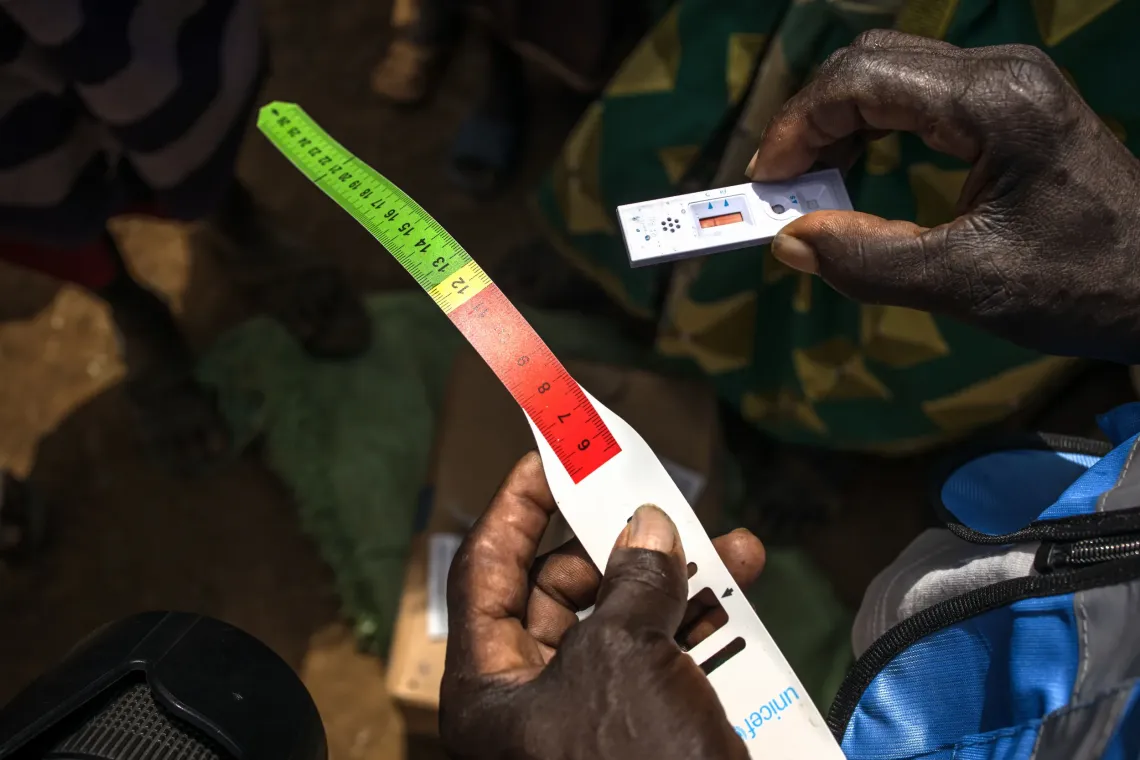
Acute malnutrition can become deadly when it is identified too late. Yet recognizing it is not always straightforward for caregivers, particularly when a child is also suffering from common illnesses such as diarrhoea, fever or malaria.
That is why bringing screening closer to families has become central to an emergency nutrition response launched in Karamoja in April 2026 by the United Nations Children’s Fund (UNICEF) and the World Food Programme (WFP), with support from the Uganda Humanitarian Fund. The Uganda Humanitarian Fund is managed by the United Nations Office for the Coordination of Humanitarian Affairs (OCHA).
The response has focused on Moroto, Kaabong and Kotido, where health workers and village health team members have been reaching communities with screening, referral and treatment services.
In Kaabong, enrolled nurse Robson Molo has seen how distance itself can determine whether a sick child is found.
“One of my parishes is 41 kilometres away from the Nakatapan outpost,” he says.
Before expanded outreach, reaching such communities was difficult. With transport and outreach support, health teams can now travel to villages rather than wait for caregivers to make the long journey to a health facility.
At an outreach, a child receives much more than a nutritional assessment. Health workers screen for malnutrition, test for illnesses such as malaria, check immunization status, provide vitamin A and deworming services, counsel caregivers and refer children who require further medical care. Village health team members follow up with children in their communities.
Treatment that reaches beyond nutrition
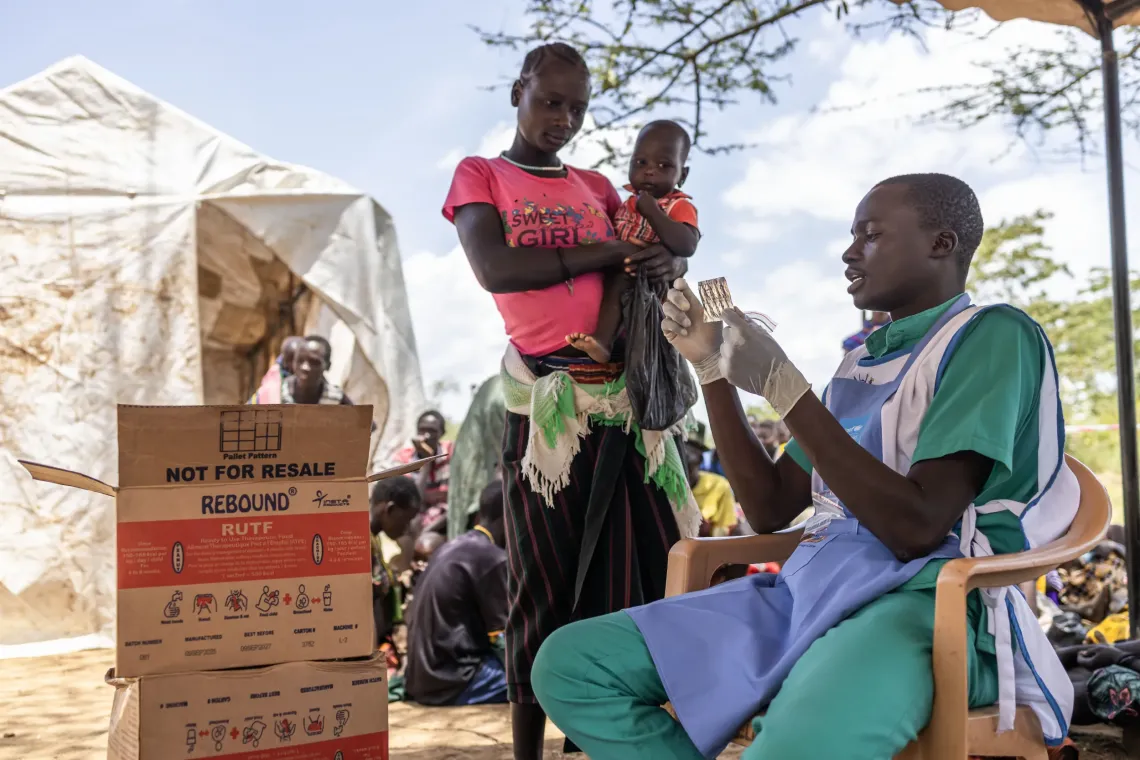
Rebecca Kwagala, UNICEF Chief of Field Office in Moroto, says the emergency outreaches have uncovered children and women who were missing other essential health services.
Children behind on vaccinations have been reached. Pregnant women who had missed antenatal care have been connected to services. Vitamin A supplementation and deworming have been provided alongside nutrition interventions.
Kwagala warns that hunger, unsafe water and poor sanitation can undermine a child’s recovery and contribute to relapse. Sustaining the response, particularly in hard-to-reach communities, therefore remains important. The approach matters because a malnourished child does not live inside a nutrition programme. The child lives in a household where water may be scarce, food may be limited and repeated infections may undo nutritional recovery.
For children already severely malnourished but without medical complications, treatment through outpatient therapeutic care is producing recovery rates above 75 per cent, according to Amos Hashaka, UNICEF’s nutrition specialist based in Moroto. Children with moderate acute malnutrition who are at high risk of deteriorating have also been reached with nutritional treatment before their condition progresses to severe malnutrition.
That early intervention is crucial. Severe acute malnutrition carries a substantially greater risk of illness and death.
Reaching families while there is still time
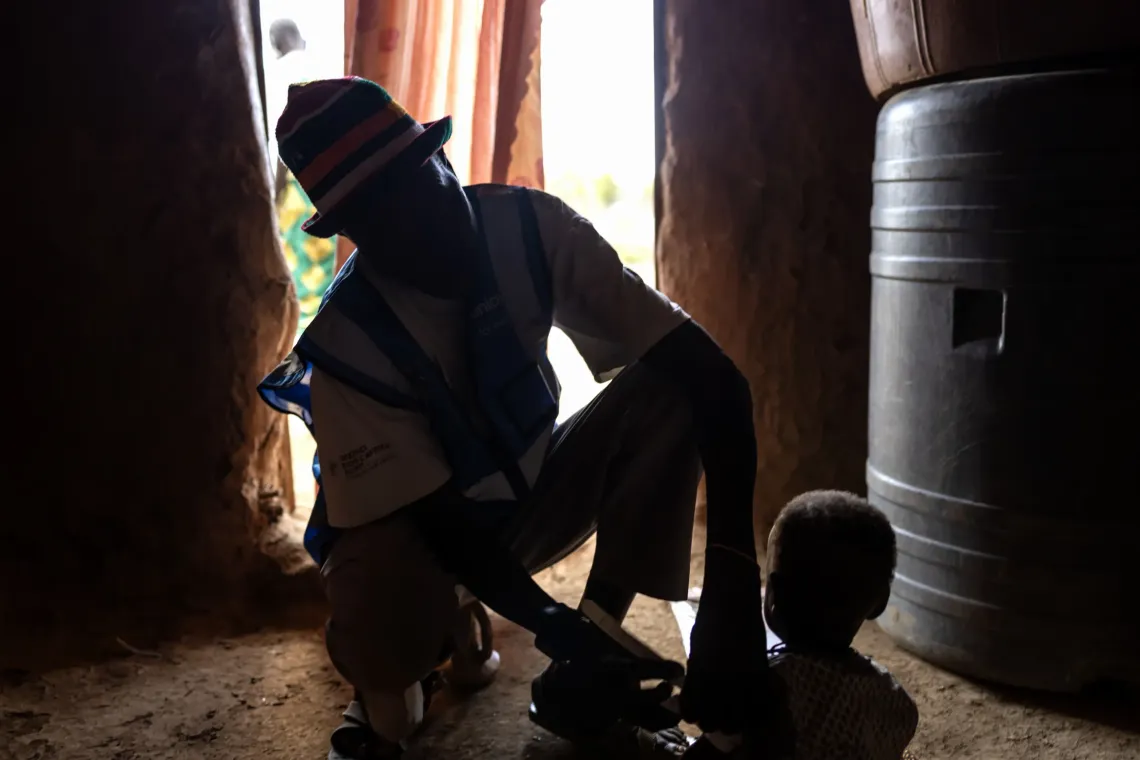
During an August 2026 monitoring visit to Karamoja, Pauline Mwaniki, Humanitarian Affairs Officer with the United Nations Office for the Coordination of Humanitarian Affairs (OCHA), saw communities receiving services through the outreach model.
“If there is something we should emphasize strongly, it is that these outreaches are providing communities with access to critical, life-saving services,” she says.
The urgency is heightened by shrinking humanitarian resources. The IPC analysis reports that reduced funding has already contributed to the closure of treatment services for moderate acute malnutrition in five Karamoja districts and reductions in community outreach and early identification.
The danger is straightforward: a child who is moderately malnourished and not reached may deteriorate into severe acute malnutrition.