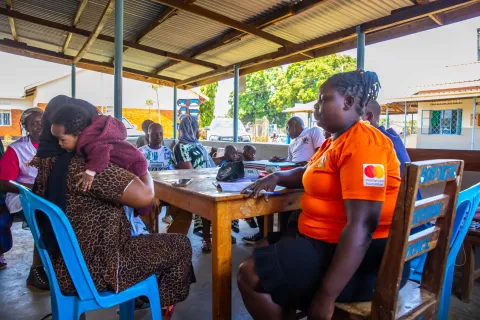
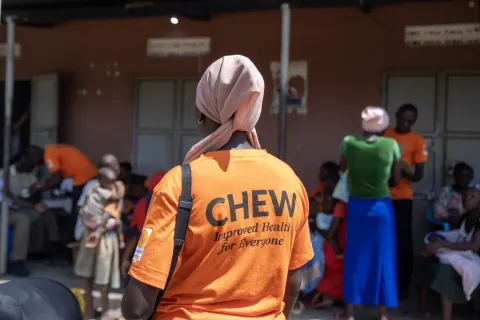
Community Health Extension Workers (CHEWs) are an essential workforce.
CHEWs serve on the front lines of community health.

Dr. Fred Duku, the Principal Medical Officer and Medical Superintendent at Masafu General Hospital in Busia District, says he is grateful that Uganda introduced the Community Health Extension Workers strategy, which was first piloted in Mayuge District in Eastern Uganda. He notes that while the first cohort of Village Health Teams did important work, many were not well structured and had limited education. According to him, the six-month training for Community Health Extension Workers is helping address the gaps previously observed in the Village Health Team approach.
Dr. Duku says CHEWs are a better workforce compared to VHTs, helping to fill critical gaps both in communities and at the health facility.. He notes that Masafu General Hospital is significantly understaffed, operating at only 32 per cent staffing levels. However, he emphasizes that VHTs remain important and will continue to work alongside CHEWs.
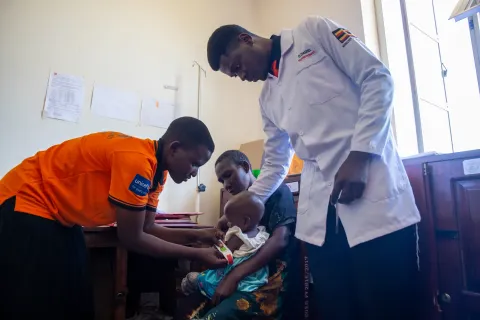
“We struggle a lot and cannot survive without volunteers or people like CHEWs,” he says. He adds that CHEWs have provided much-needed relief by conducting health education and identifying children in urgent need of health care services. He cited the example of a malnourished child identified by CHEWs, saying the child might have died without their intervention.
Dr. Duku revealed this during a UNICEF on-site supervision and documentation mission about the CHEWs programme in the district.
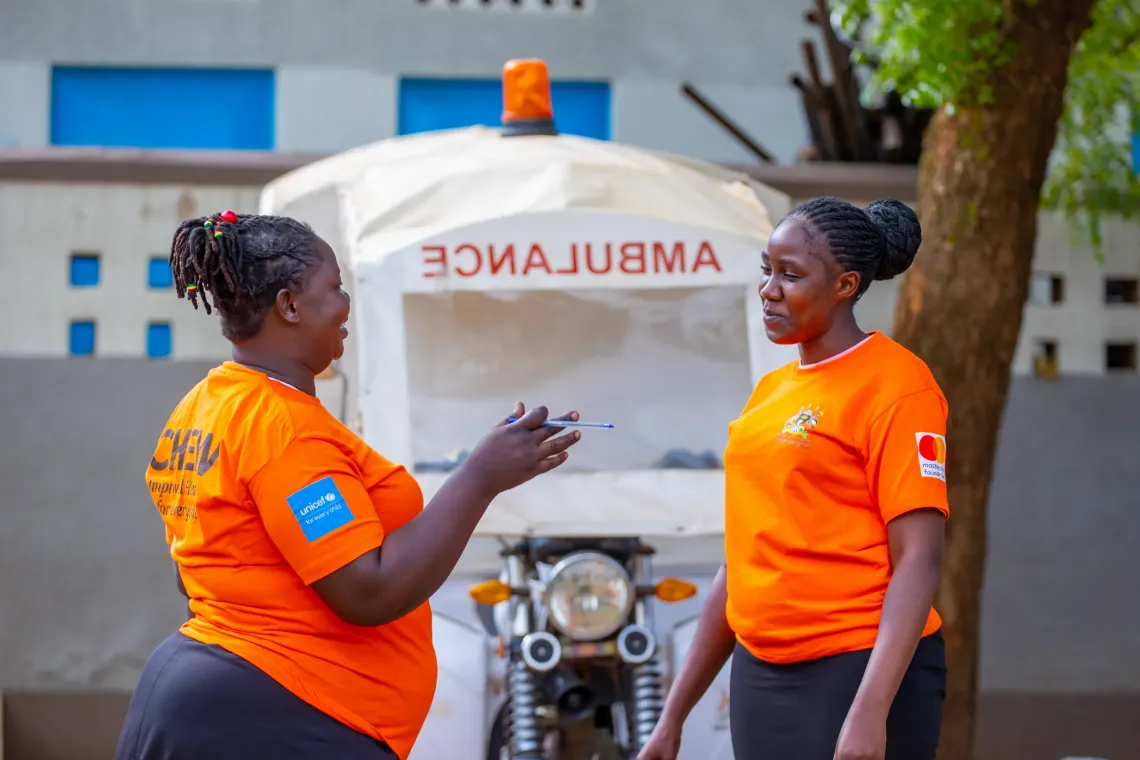
The Ministry of Health in partnership with UNICEF and Mastercard Foundation introduced CHEWs to strengthen primary health care and expand access to essential community services.
Rolled out in phases across 69 districts, the programme equips CHEWs to deliver preventive, promotive and selected curative services while linking communities to health facilities.
During a courtesy call to the district, Dr. Wabwire Mathias, Busia District Health Officer (DHO) explained that the recruitment process for the CHEWs was rigorous. The CHEWs work under the health assistants at the health facilities they are attached to.
“We wanted the CHEWs to acquaint themselves with the operations of the health facilities because this is where they make the referrals.
The DHO confirmed that once CHEWs in the district are commissioned, they will be integrated into existing structures and ongoing community initiatives to ensure the programme’s continuity and sustainability. He noted that the same approach is being applied to VHTs.
The President of CHEWs in Busia District David Wesonga explained the onboarding process and the qualifications required for selection. Having served for 15 years as a VHT in his village, Wesonga is now a CHEWs for Mawanga Parish. Under the CHEWs strategy, each parish is assigned two CHEWs. Wesonga believes that CHEWs are community resource persons and frontline solders.
“Becoming a VHT was optional. CHEWs gives me a role to work for my community and serve to the best. VHTs must coordinate with us,”
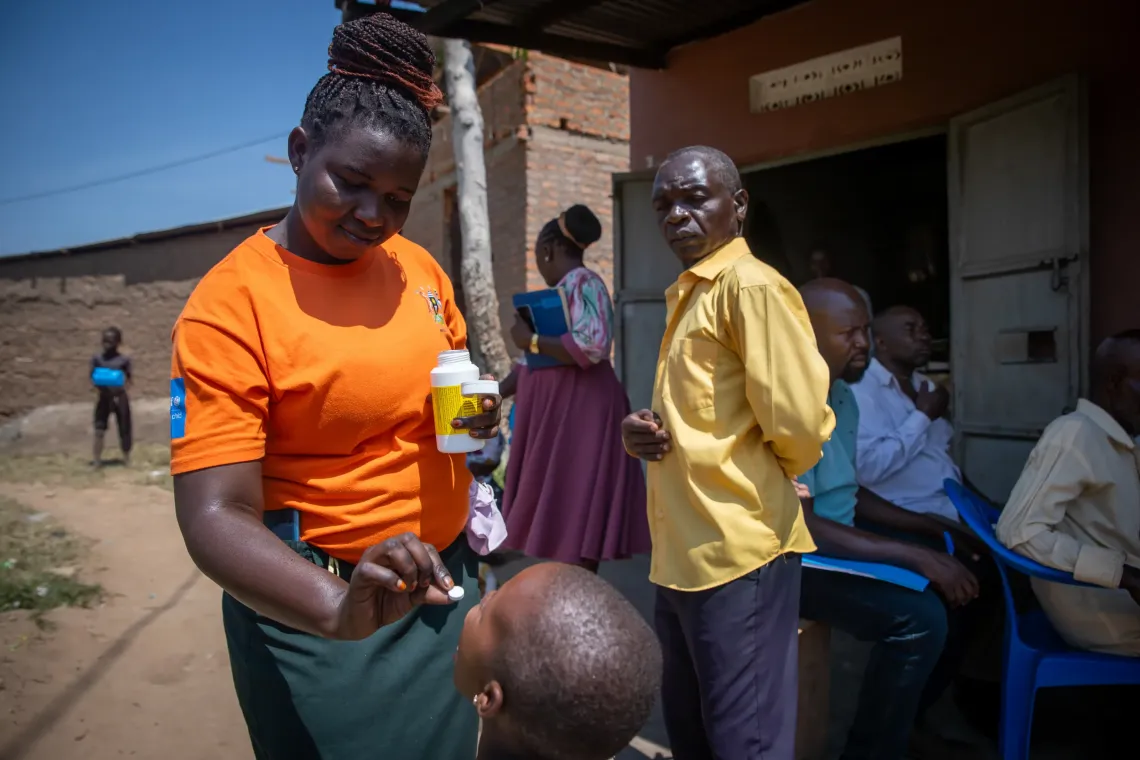
Busis District has 140 CHEWs. According to Wesonga, when they assumed this new responsibility, they set clear objectives to identify, trace and address gaps in community health care, including immunization, antenatal care, sanitation and hygiene.
He also highlighted three primary health care areas that CHEWs must follow up on: integrated health services, community engagement and the broader determinants of health.
On a personal level, Wesonga is proud to have qualified as a CHEW and is grateful to the Ministry of Health, UNICEF and Mastercard Foundation for the opportunity.
“The CHEWs training has given me the knowledge I need to support my community. Although I stopped at Ordinary Level, the training has been broad enough to enable me to conduct several assessments. We have also built trust within our communities, which makes me happy. Engaging leaders as a CHEW has been much easier than it was when I served as a VHT,” said Wesonga, who is undergoing practical training at Masafu General Hospital while using crutches following an accident.