1 year old baby saved from severe malnutrition
A Community Health Extension Worker identified danger signs and referred baby to hospital

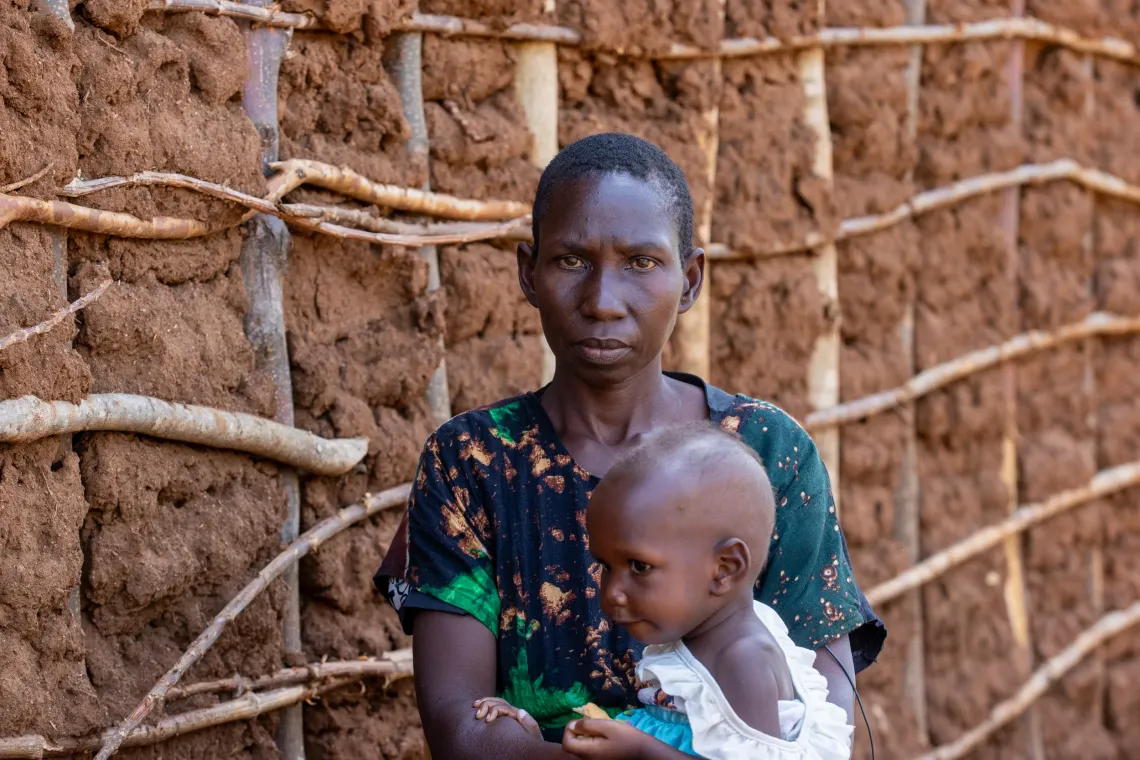
Whitney Shamim, aged one year and two months, was discovered by a Community Health Extension Worker when she was at risk of losing her life due to malnutrition.
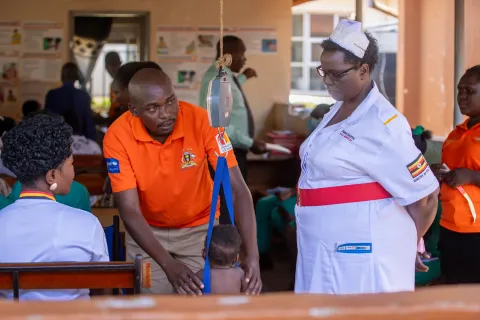
In July 2026, Christine Amajong, a Community Health Extension Worker while conducting routine activities at Kuba Health Centre II in Rudandu Village, observed Shamim’s condition and identified dangerous signs, including extreme body weakness, visible pelvic bones, and oedema—swelling of the feet. She immediately notified health workers at the health facility, who referred Shamim to Masafu General Hospital, Busia District for urgent care.
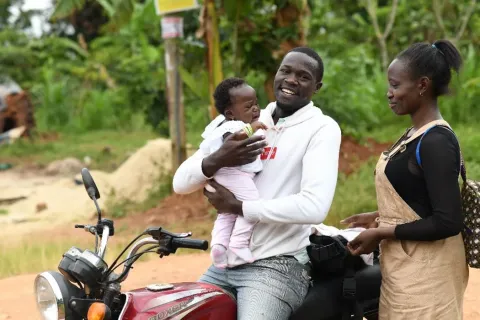
Nabwire Grace, Shamim’s mother said, “I was very worried when I saw my child becoming weaker each day. I did not know what to do, but I am grateful that the Community Health Extension Worker noticed her condition and helped us get urgent care by the health worker at the health facility.”
At Masafu General Hospital, Shamim was admitted to the nutrition unit for immediate care. According to Dr Daniel Ombada, the hospital nutritionist, Shamim had been referred to the centre by Christine Amajong, a Community Health Extension Worker. He explained that the baby had oedema in both feet, was severely wasted, and was admitted to the Intensive Therapeutic Care Unit, where she received antibiotics and F-75 therapeutic milk, which is given as the first feed to children with severe acute malnutrition.
“For the first two weeks, we restricted Shamim from taking any other foods or drinks as the medical team managed her complications. During this period, the oedema subsided. Before transitioning her to full treatment, the hospital conducted an appetite test and confirmed that she was ready to receive RUTF—Ready-to-Use Therapeutic Food. Health workers then trained her mother on how to give the therapeutic food correctly at home. By the time she was discharged from the hospital, severe acute malnutrition had been eliminated, and her condition had improved to moderate malnutrition,” Ombada explained while reviewing Shamim, who had returned to the clinic for a follow-up.
At the time of UNICEF’s site supervision and documentation mission on 26 August 2026, Shamim had tested positive for severe malaria and had been admitted to the hospital.
A team of CHEWs and UNICEF supported Nabwire to return home, collect essential items for the hospital stay, and make arrangements for the other child she had left at home.
Amajong and her colleague inspected Nabwire’s house, which had been built just five days earlier, and found an opening that allowed mosquitoes to enter. In addition, they identified she was not sleeping in a mosquito net. The CHEW sensitized Nabwire about the risks of not sleeping under a treated mosquito net before escorting her back to Masafu General Hospital. Nabwire is well known at the hospital, having given birth to quadruplets. Tragically, three of the babies died shortly after arriving home, after their paternal aunt convinced Nabwire that it was unnecessary to keep them in the Neonatal Unit where they had been admitted.
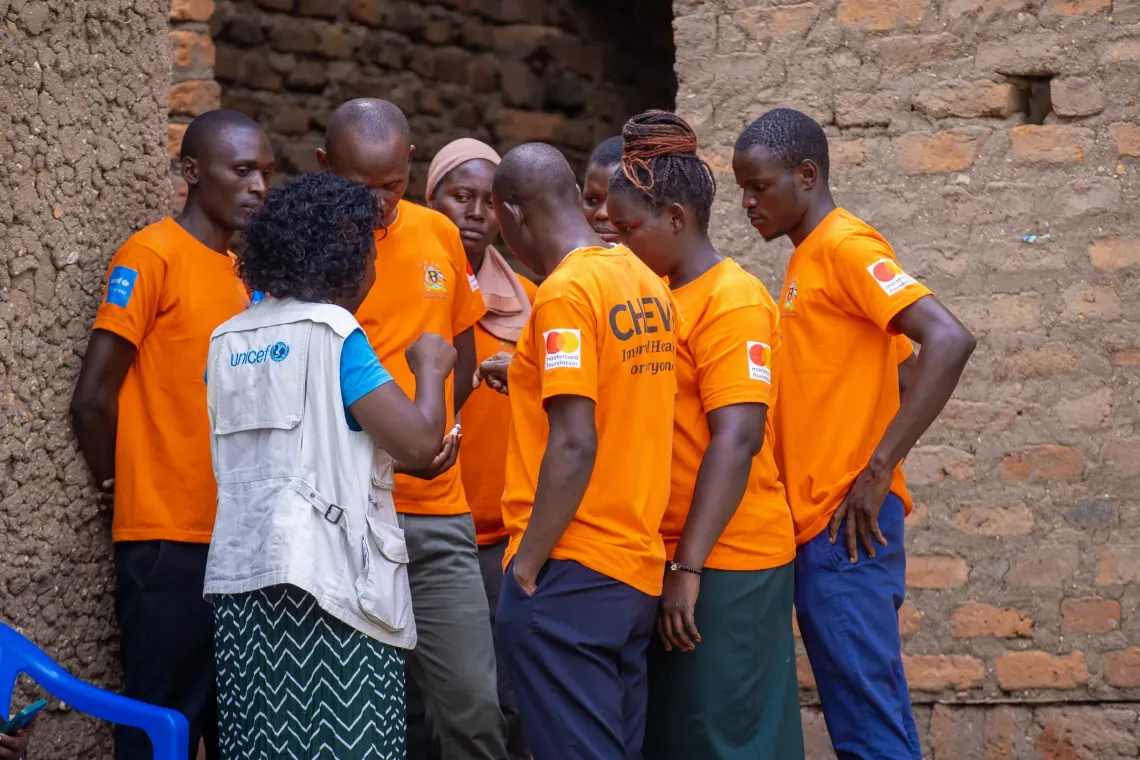
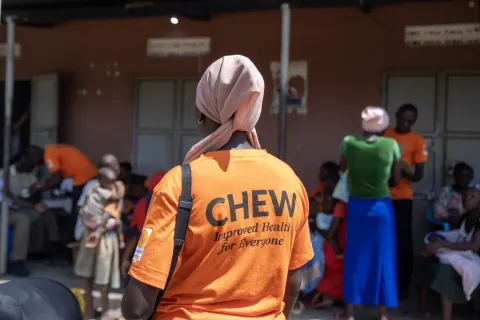
Busia District has 140 CHEWs currently undergoing practical training at health facilities and in communities. According to Lydia Okoth, Technical Assistant for the CHEWs Programme at the Ministry of Health, CHEWs are part of a national initiative implemented by the Ministry with support from partners to strengthen grassroots healthcare by training, equipping, and facilitating local health workers.
Okoth added that CHEWs and VHTs act as a bridge between households with health facilities, supporting disease prevention and the promotion of healthy practices.
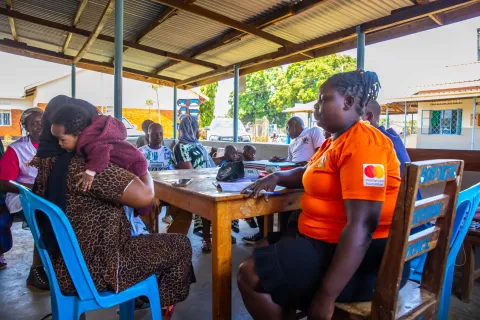
On 27 August 2026, a community dialogue meeting was held at St John Magombe Church of Uganda Silekani Village, Buhehe Sub County. The meeting brought together community members, Local Council One leaders, religious leaders, representatives from the District Health Officer’s office, and health workers from Buhehe Health Centre III. This was an initiative spearheaded by the CHEWs as part of their field practicum to improve intake of health services by the community by sharing available services at the with an additional focus on immunization uptake. Community members raised concerns and provided feedback on the delivery of health services, while the Assistant District Health Officer, the district health team, and health workers responded to inquiries and reassured the community that service delivery had improved. They also emphasized that the district, together with the Ministry of Health, remains committed to improving access to health services through CHEWs and Village Health Teams.