Living through scarcity: One family’s fight for water
UNICEF restores access to safe water for families in As Sweida
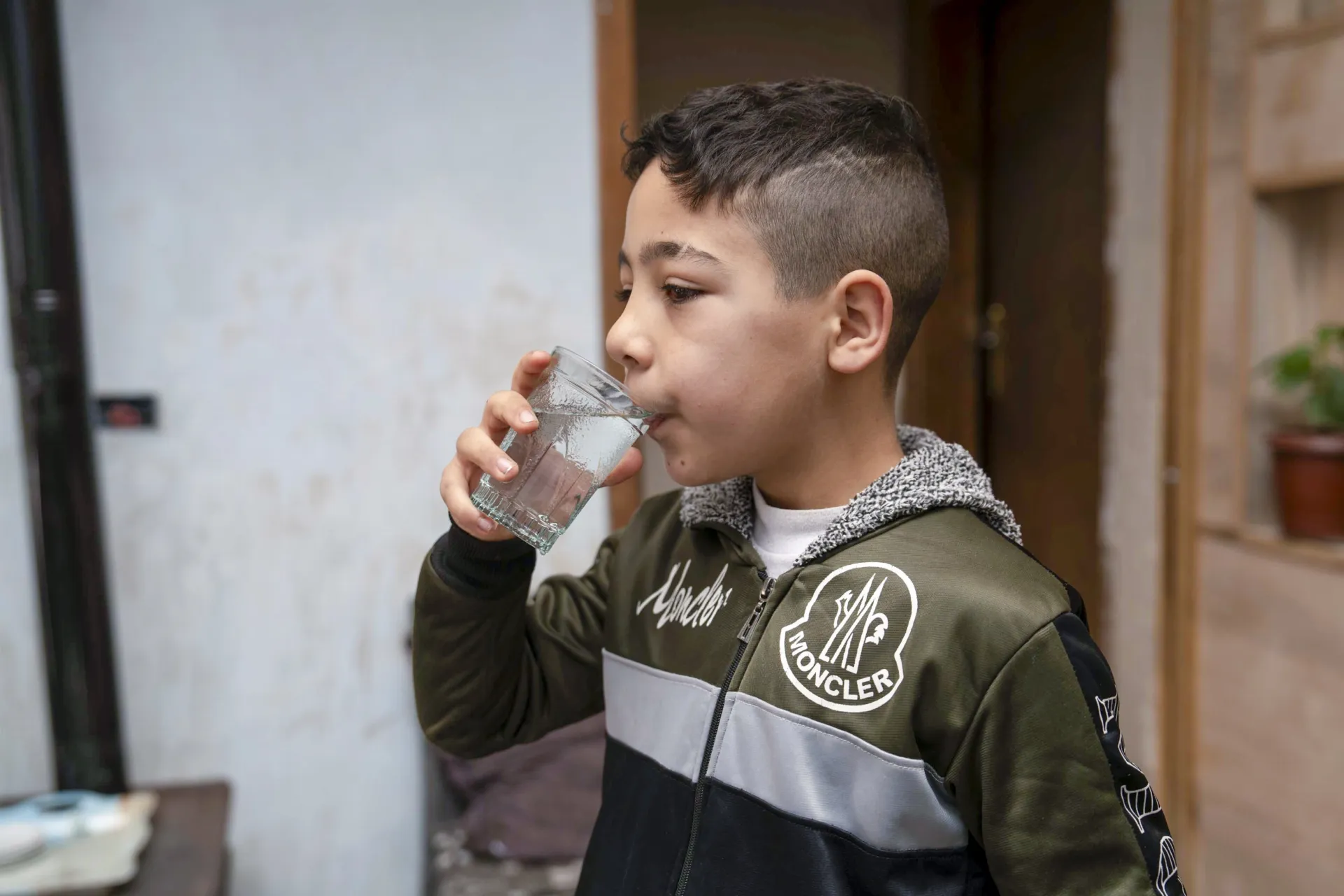
Shahba, As-Sweida, Syria - “I used to stop my children from playing outside,” said Hadeel, a mother of five from Shahba city in As-Sweida Governorate. “If they got dirty, there wouldn’t be enough water to wash.”
Prolonged drought in As-Sweida have depleted surface dams, while limited maintenance left many pumping stations and wells out of service, forcing families like Hadeel’s to endure chronic and severe water shortages.
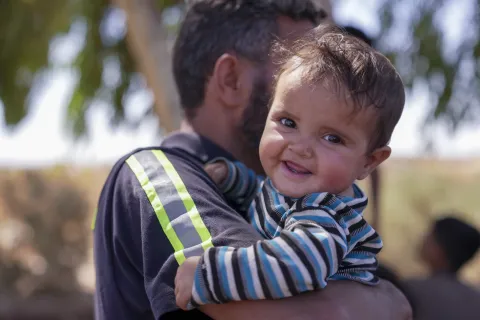
For Hadeel, water scarcity shaped every aspect of daily life. Basic routines such as washing clothes, bathing the children and cleaning the house had to be carefully rationed. She lives with her husband, Nidal, a driver, and their five children. Like many families across As-Sweida, they have been affected by the combined impact of conflict, drought and deteriorating infrastructure.
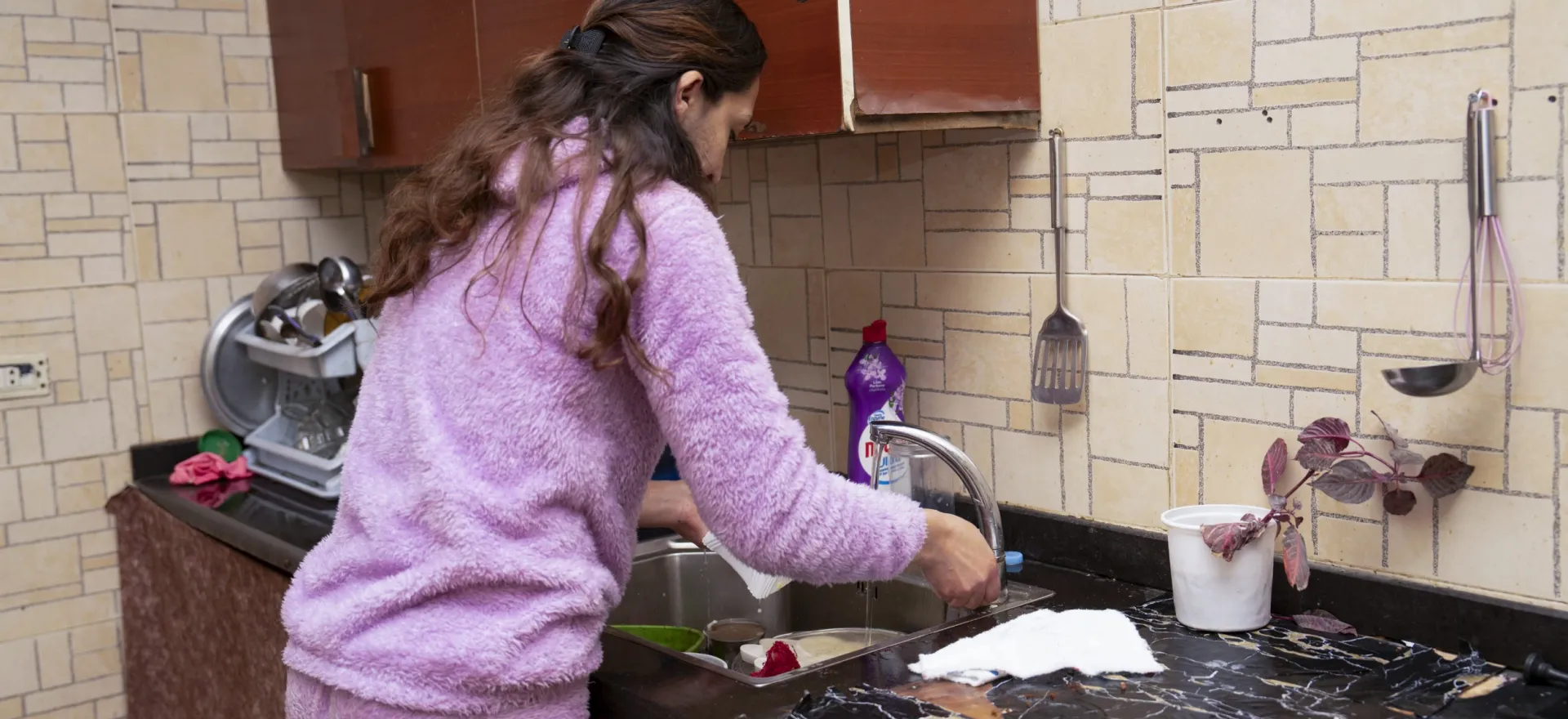
UNICEF/UNI967309/Johnny Shahan
“Life was very hard. You can get used to lacking many things, but not water.”
Hadeel, mother
For Nidal, the crisis also brought financial strain.
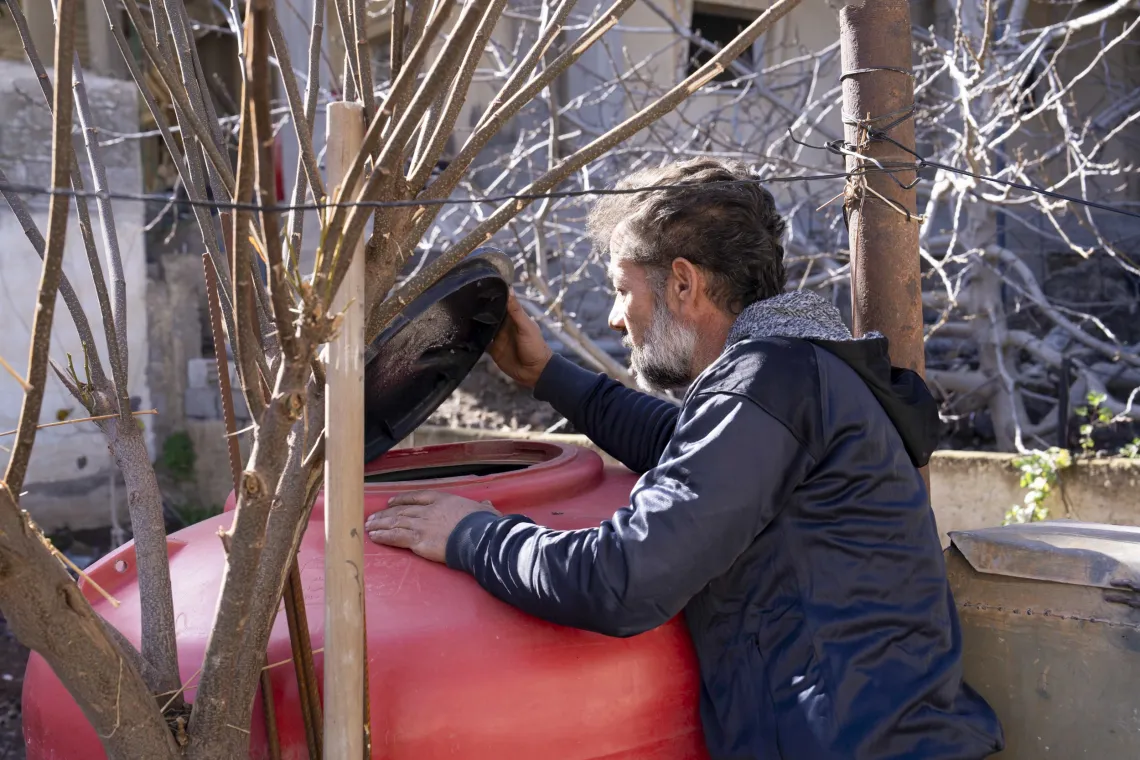
“Water was a constant worry,” he said. “We had to buy it regularly, and it was a heavy expense.”
Nidal, father
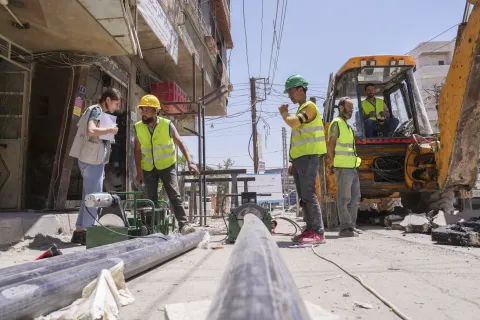
In 2025, in response to growing needs, UNICEF, in coordination with the General Establishment of Drinking Water of As-Sweida, and with funding from the German Federal Ministry for Economic Cooperation and Development (BMZ) through the KfW Development Bank, rehabilitated two water pumping stations in Salakhed village, which supply Shahba and nearby communities.

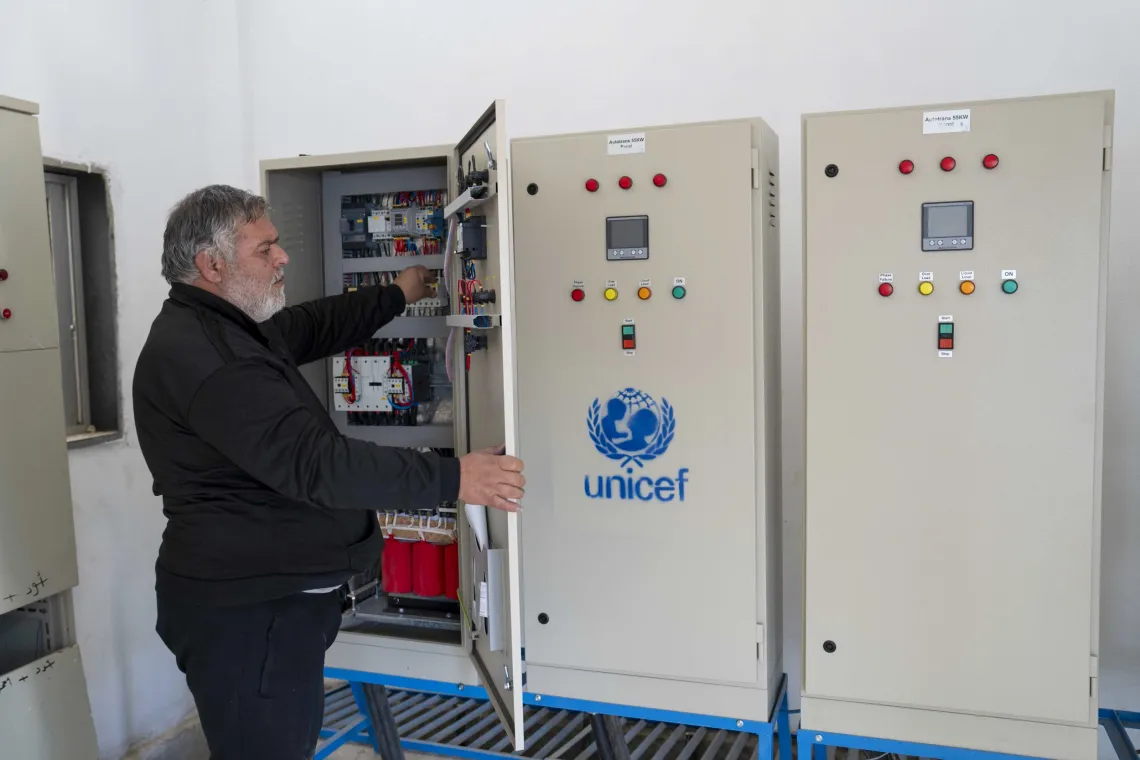

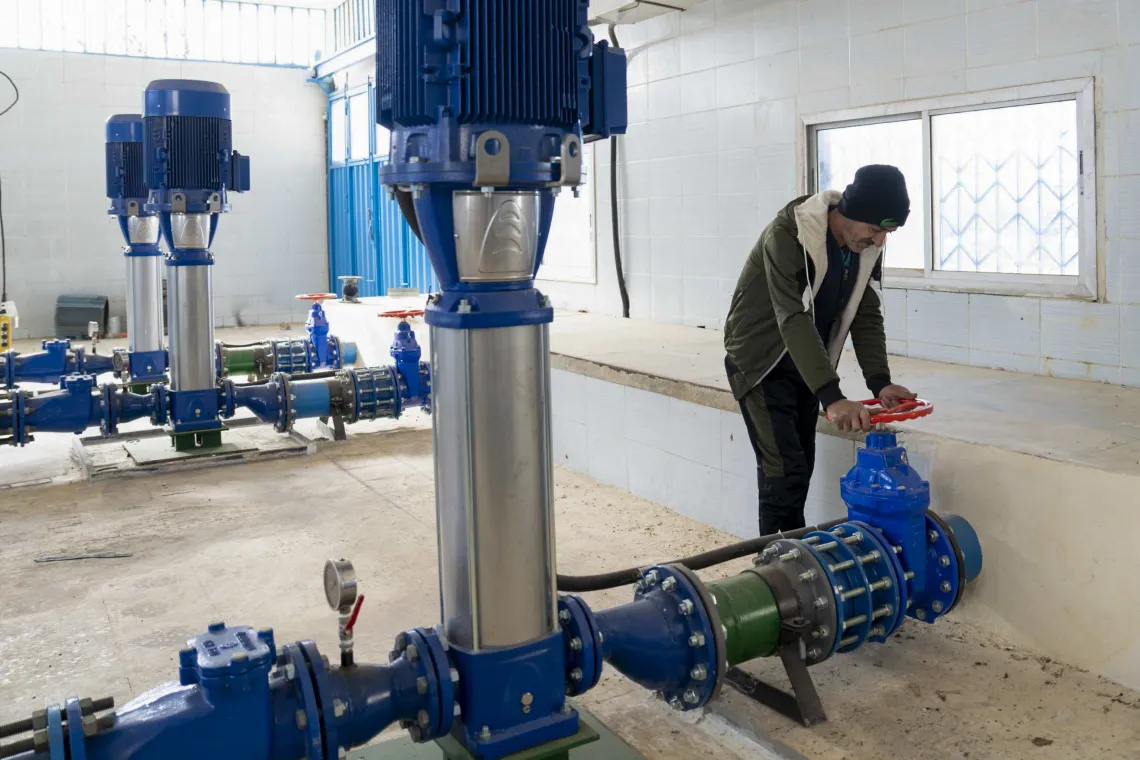
Over four months, the project restored critical infrastructure. New pumps, valves, pipes, electrical systems, control panels and storage tanks were installed, and operators were trained to ensure sustainability. The upgraded stations now provide safe, reliable drinking water to more than 40,000 people, most of them children and women.
For families in Shahba, the impact was immediate.

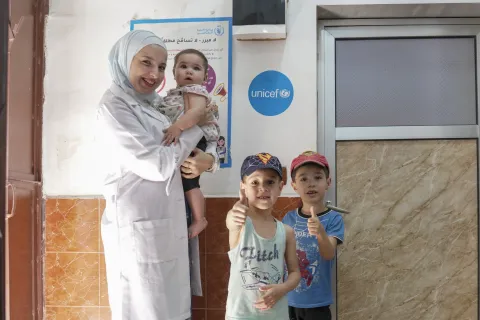
UNICEF/UNI967305/Johnny Shahan
UNICEF/UNI967302/Johnny Shahan
“When water started flowing regularly again, everything changed. The burden became lighter. Now I can use the money we used to spend on water for what really matters, especially my children’s education.”
Nidal, father
Inside the home, daily routines have regained normalcy.
“There is relief, relief in not worrying all the time, relief in feeling that our home is normal again.”
Hadeel, mother
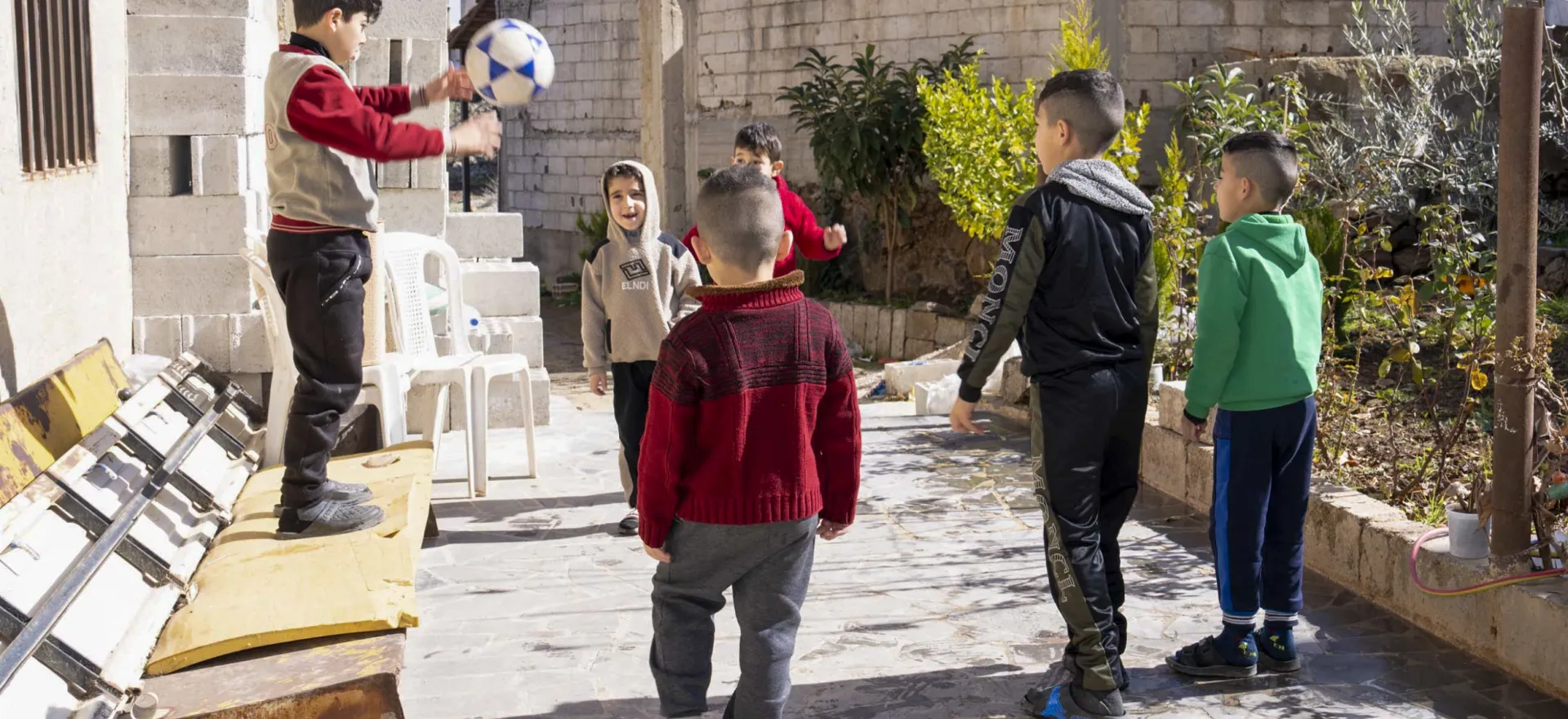
The children now play freely.
UNICEF/UNI967303/Johnny Shahan

UNICEF/UNI967308/Johnny Shahan
“I play outside with my cousins now. We run and have fun, and I don’t worry about getting dirty anymore.”
Amir, Hadeel’s 11‑year‑old son
Across Syria, 14.4 million people, including 6 million children, urgently need water, sanitation and hygiene assistance. UNICEF and its partners are working to restore these essential services to protect children’s health and wellbeing and support community recovery.
For families like Hadeel and Nidal’s, access to safe water restores dignity, eases stress, protects health and allows children to enjoy their childhood, a reminder that when water flows, hope flows with it.