Restoring safe water access for children and families in Rural Damascus
Funded by Syria Humanitarian Fund (SHF), UNICEF is helping restore safe and reliable water services for vulnerable communities.
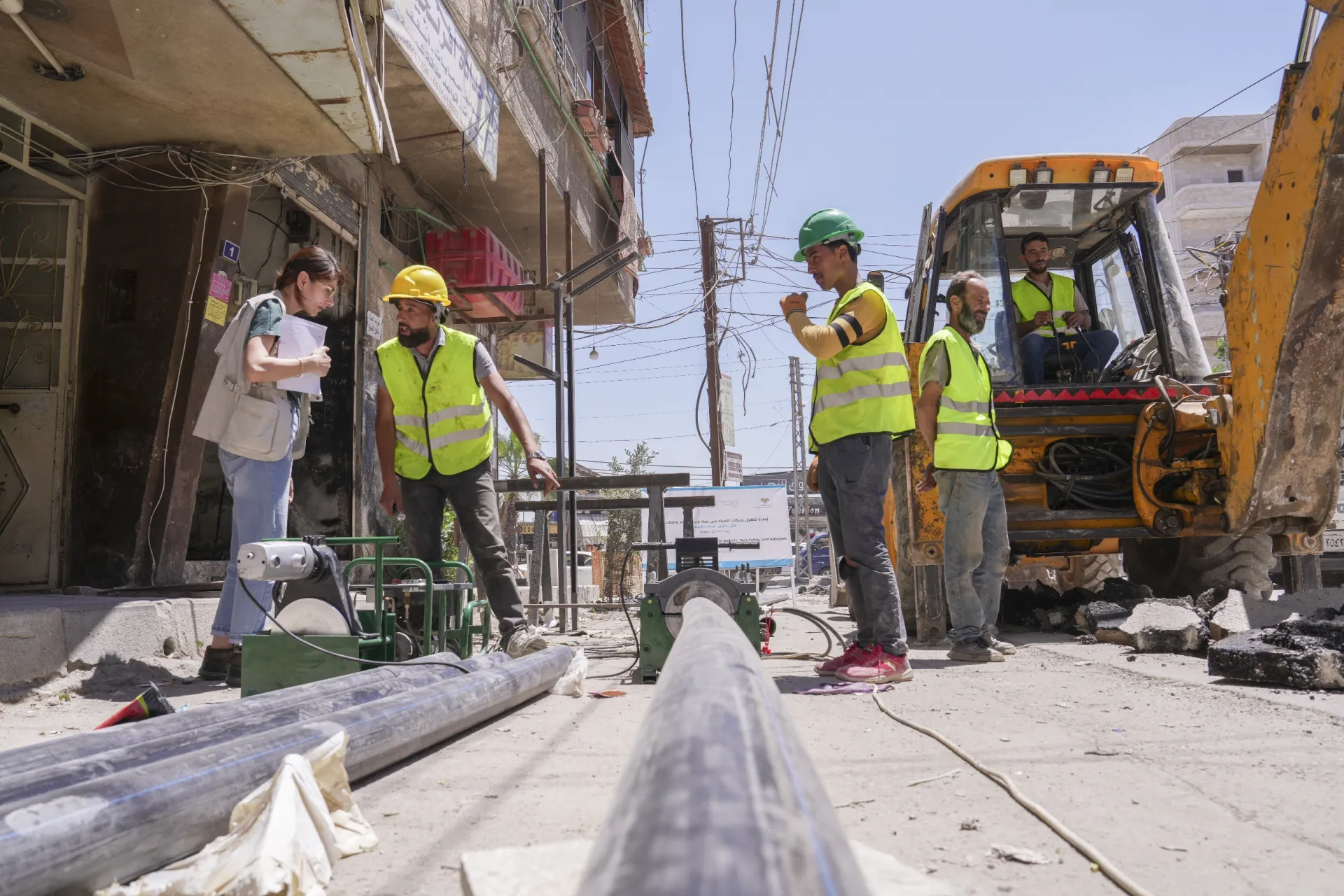
Babella and Adleiyeh villages, Rural Damascus - Funded by the Syria Humanitarian Fund (SHF), UNICEF is rehabilitating critical water infrastructure in Rural Damascus Governorate to help children and families regain reliable access to safe drinking water.
Years of conflict, compounded by ageing infrastructure and limited maintenance, have left large sections of the water network deteriorated and inefficient. Damaged and outdated pipelines frequently leak, resulting in significant water losses, low water pressure and increased risks of contamination. In some areas, more than half of the water supplied through the network is lost before reaching households, affecting the quality, reliability and safety of water services.
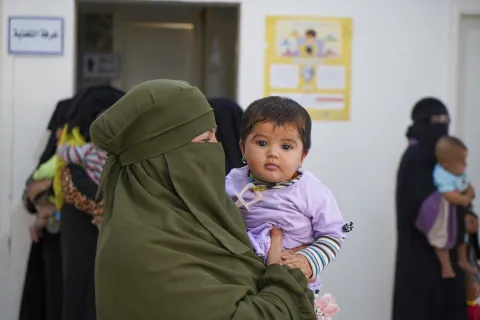
These challenges place families at heightened risk of waterborne diseases, particularly for children and force many households to rely on costly or unsafe water sources.
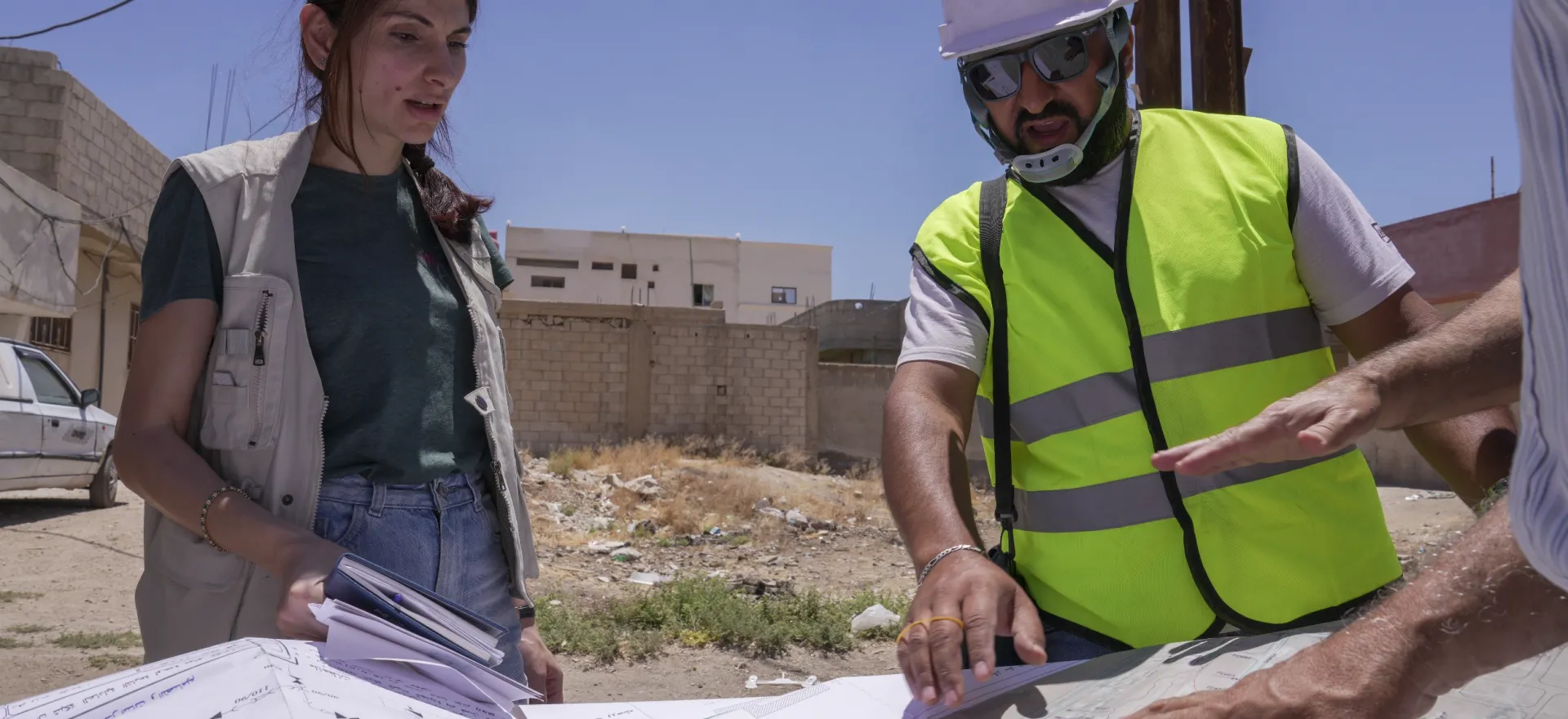
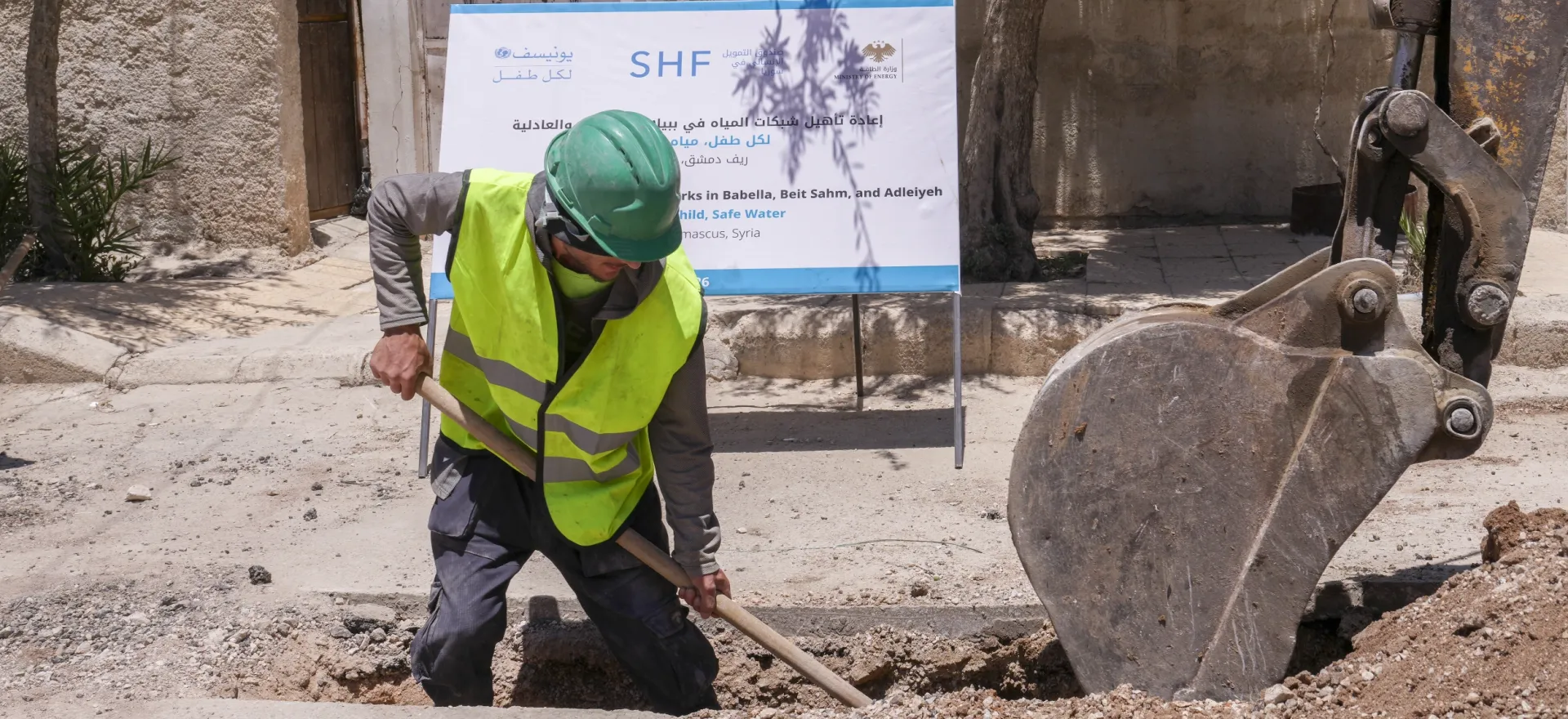
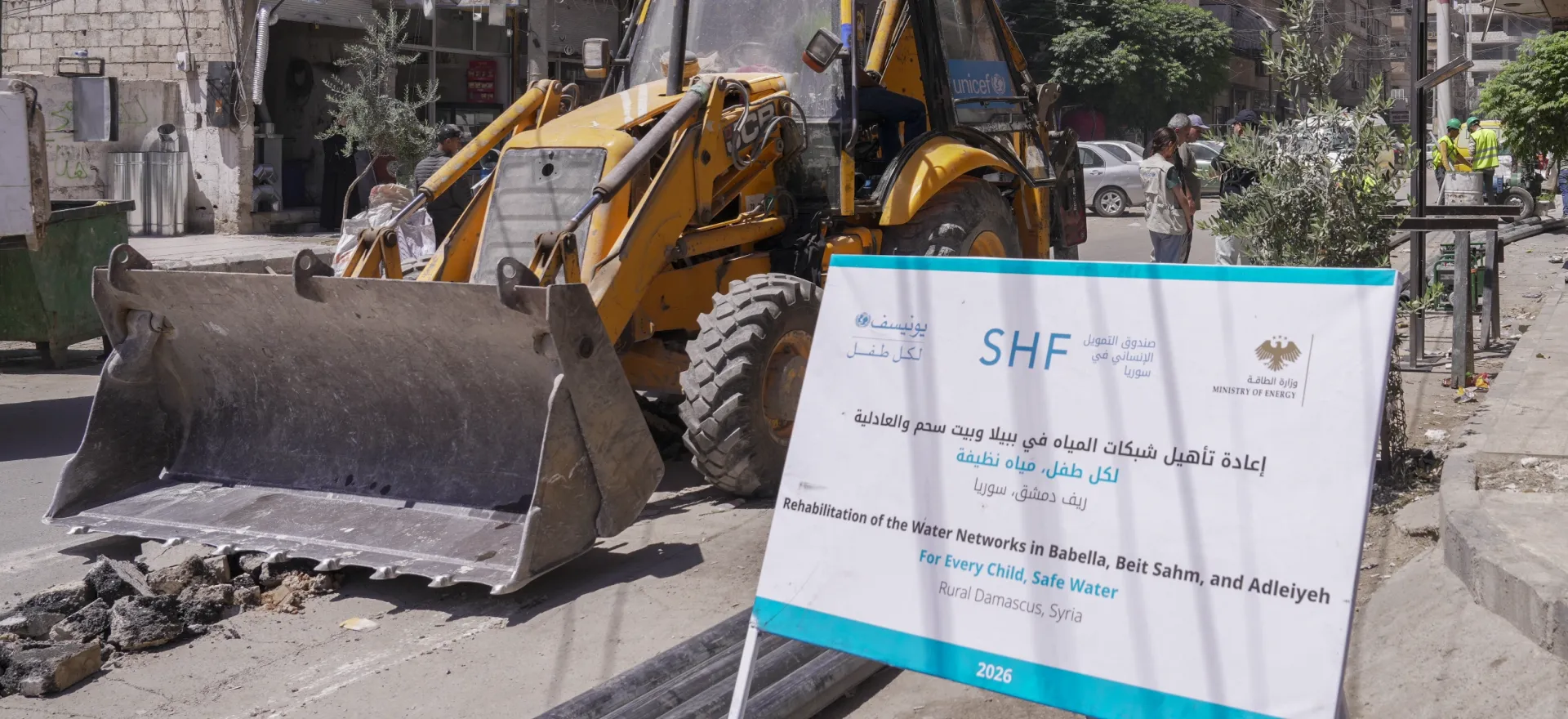
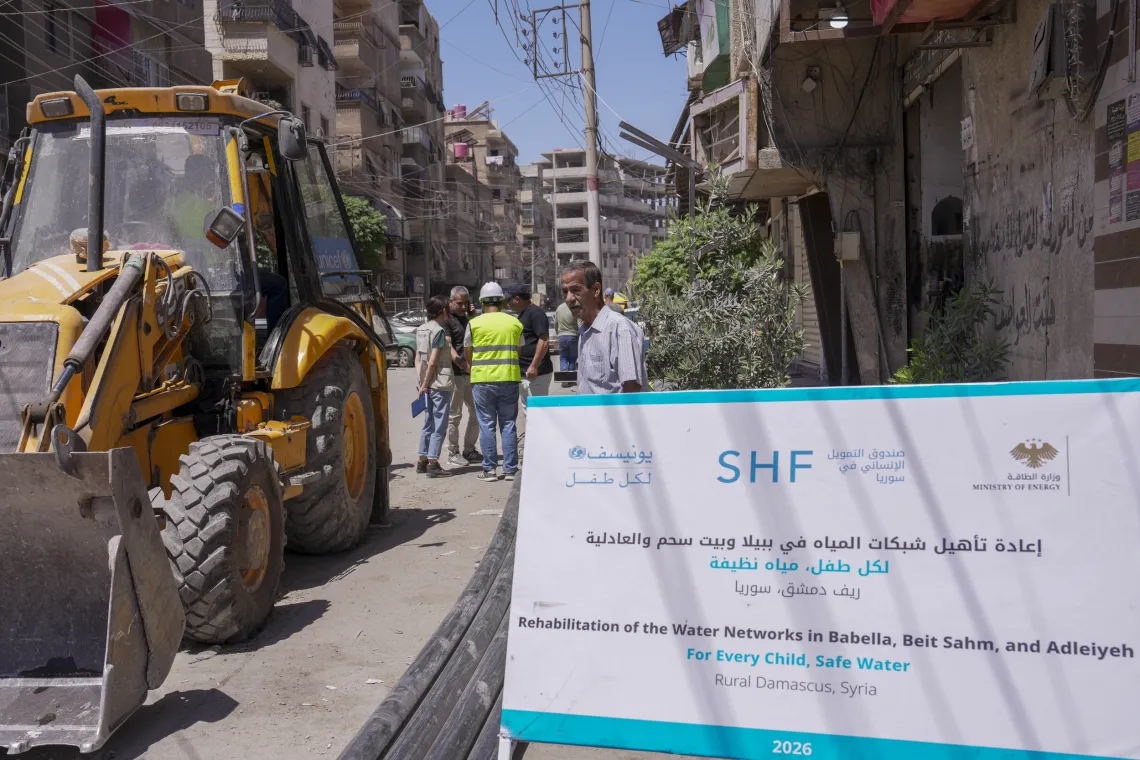
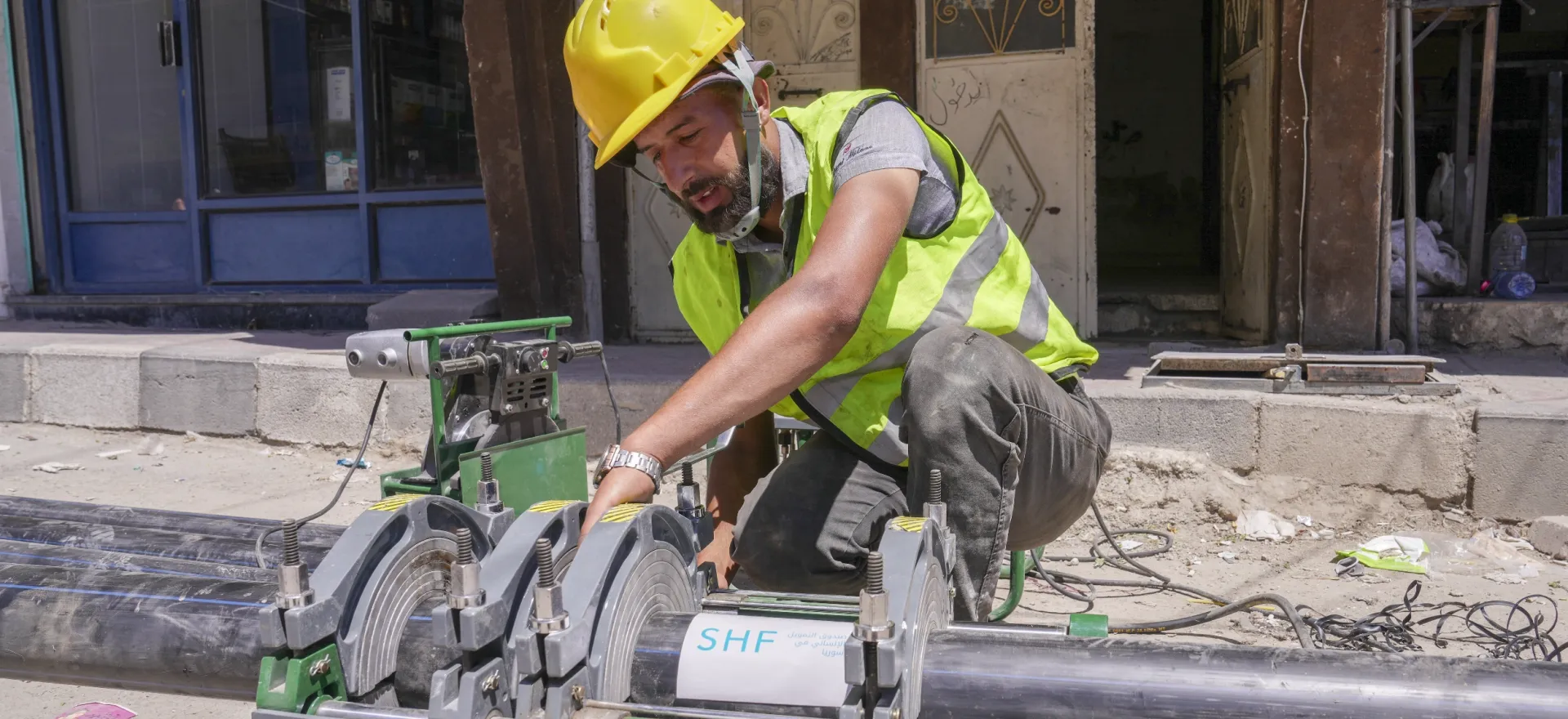
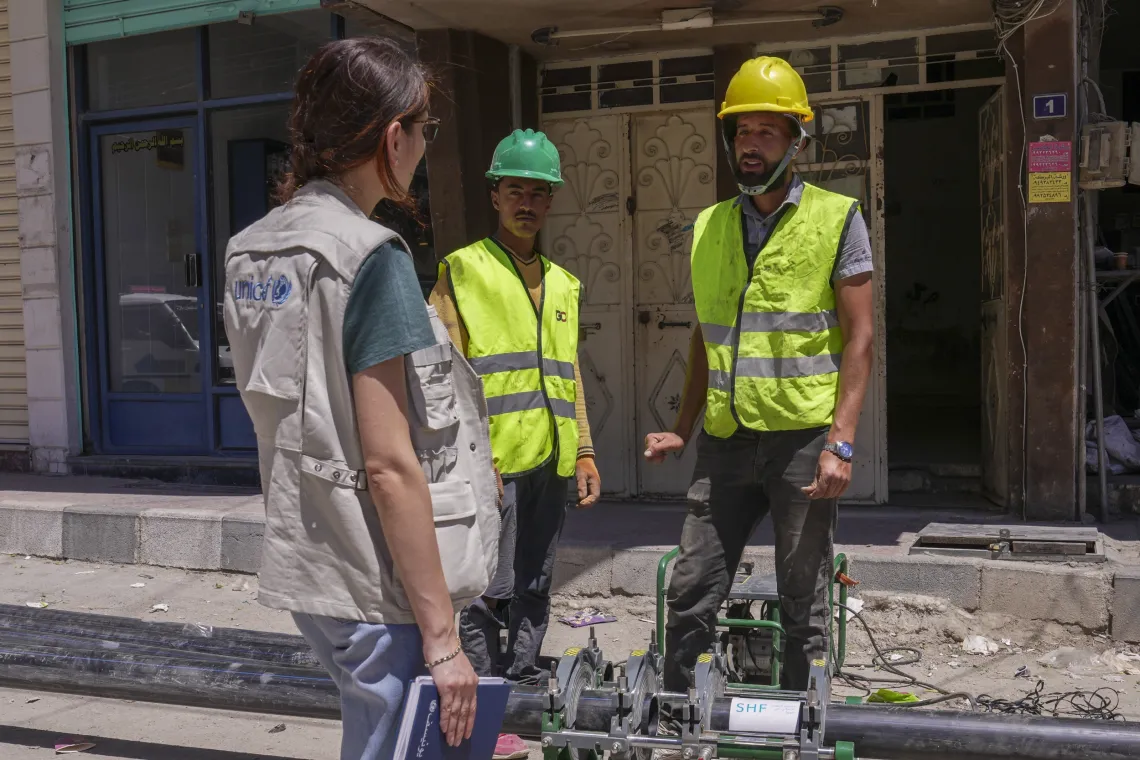
To address these urgent needs, UNICEF, funded by the Syria Humanitarian Fund (SHF), and in partnership with the Damascus Water Supply and Sanitation Authority and local municipalities, is rehabilitating critical sections of the water network in Babila, Beit Sahm, and Adleiyeh. The intervention includes the replacement of damaged pipelines and the installation of essential network components to improve the efficiency and performance of the water system.
UNICEF/UN0893901/Johnny Shahan
UNICEF/UN0893905/Johnny Shahan
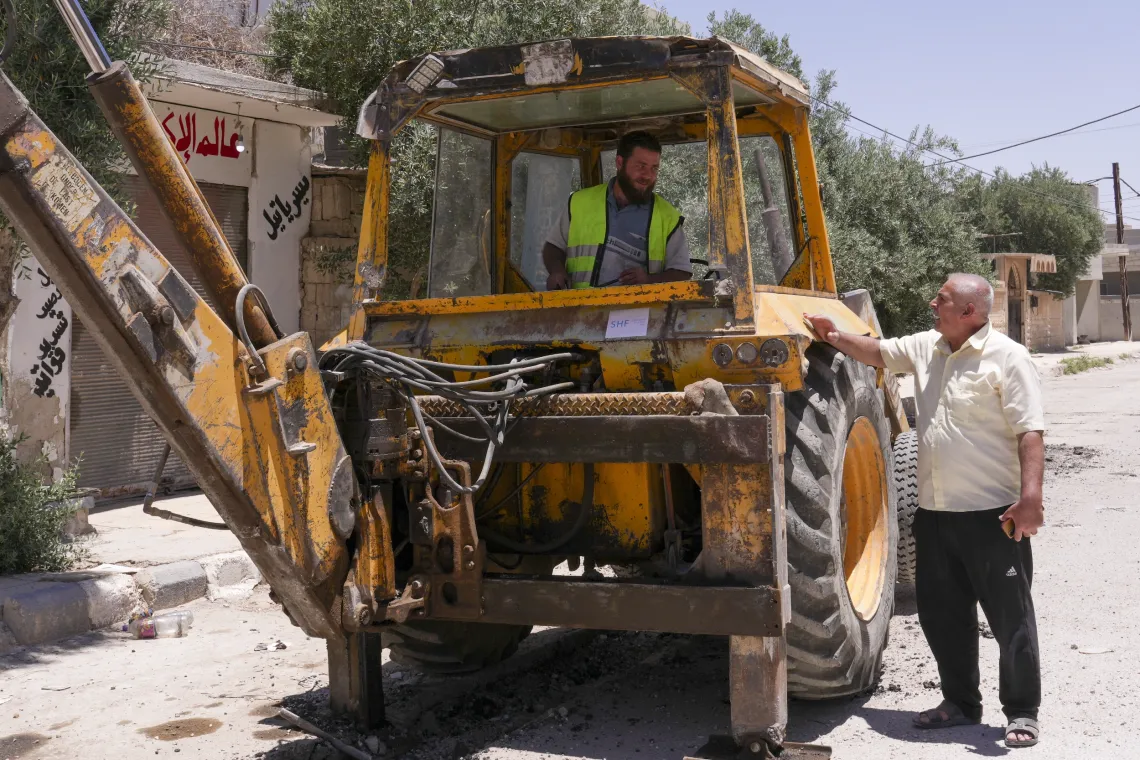
“Many families in the village were unable to access water due to the damaged network and were forced to rely on purchasing water from unreliable sources,”
- Ali, Adleiyeh village resident
UNICEF/UN0893904/Johnny Shahan
UNICEF/UN0893962/Johnny Shahan
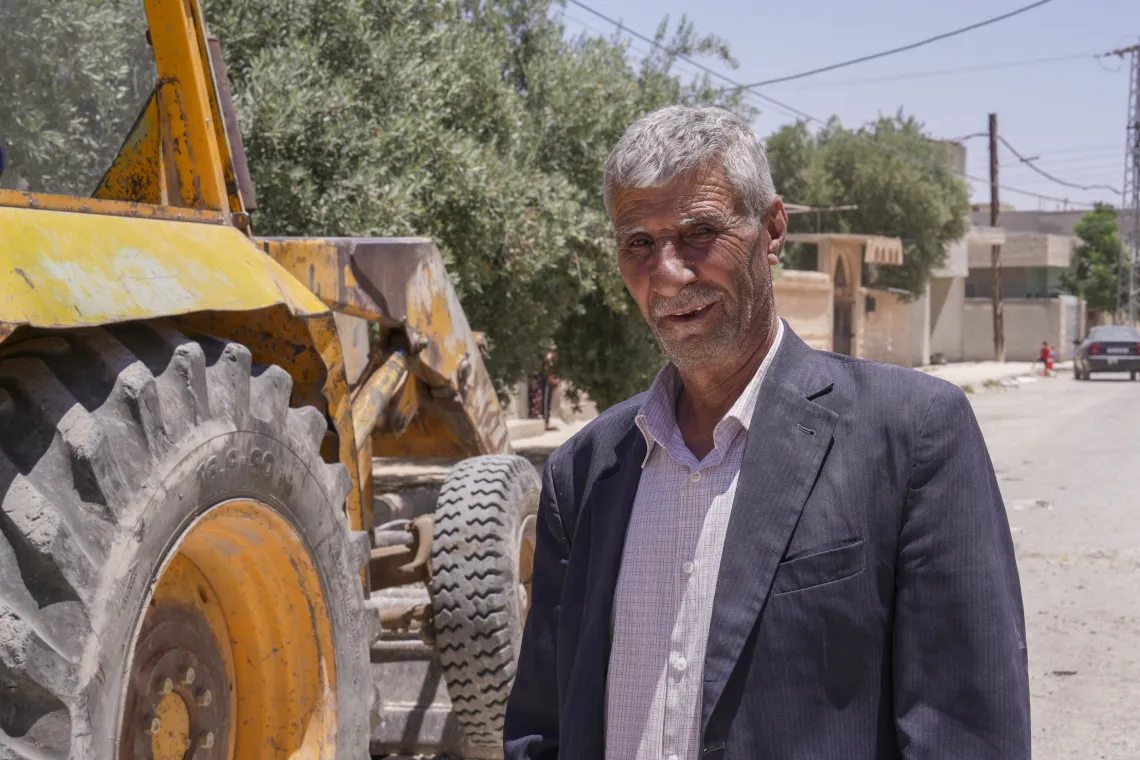
"Although the reservoir is full, many households receive little or no water because of leaks in the old network. We are relieved that these long-standing problems will finally be addressed."
- Mohamed, 67, Adleiyeh village resident
Once completed, the project will provide more than 100,000 people with access to safe and reliable water within five months. By reducing water losses and strengthening the resilience of the network, the rehabilitation works will help ensure a more continuous and sustainable water supply for communities.
UNICEF/UN0893902/Johnny Shahan
UNICEF/UN0893958/Johnny Shahan
"For years, we have struggled with water shortages caused by leaks in the old network. Once the network is rehabilitated, life will be much better for us and our families."
Maamoun, 60, shop owner, Babila
UNICEF/UN0893959/Johnny Shahan
UNICEF/UN0893903/Johnny Shahan
"Water is a basic right. By rehabilitating this network, we are helping more than 100,000 people access safe water and supporting children and families as they rebuild their lives."
- Reem, UNICEF Officer
Through this intervention, UNICEF and SHF are helping protect the health and well-being of children and families, supporting dignified access to safe water, and contributing to the resilience of vulnerable and returning populations across Rural Damascus.