Building hope, one visit at a time
UNICEF-supported mobile teams bring safe spaces, psychosocial support and vital services to children and families across southern Syria
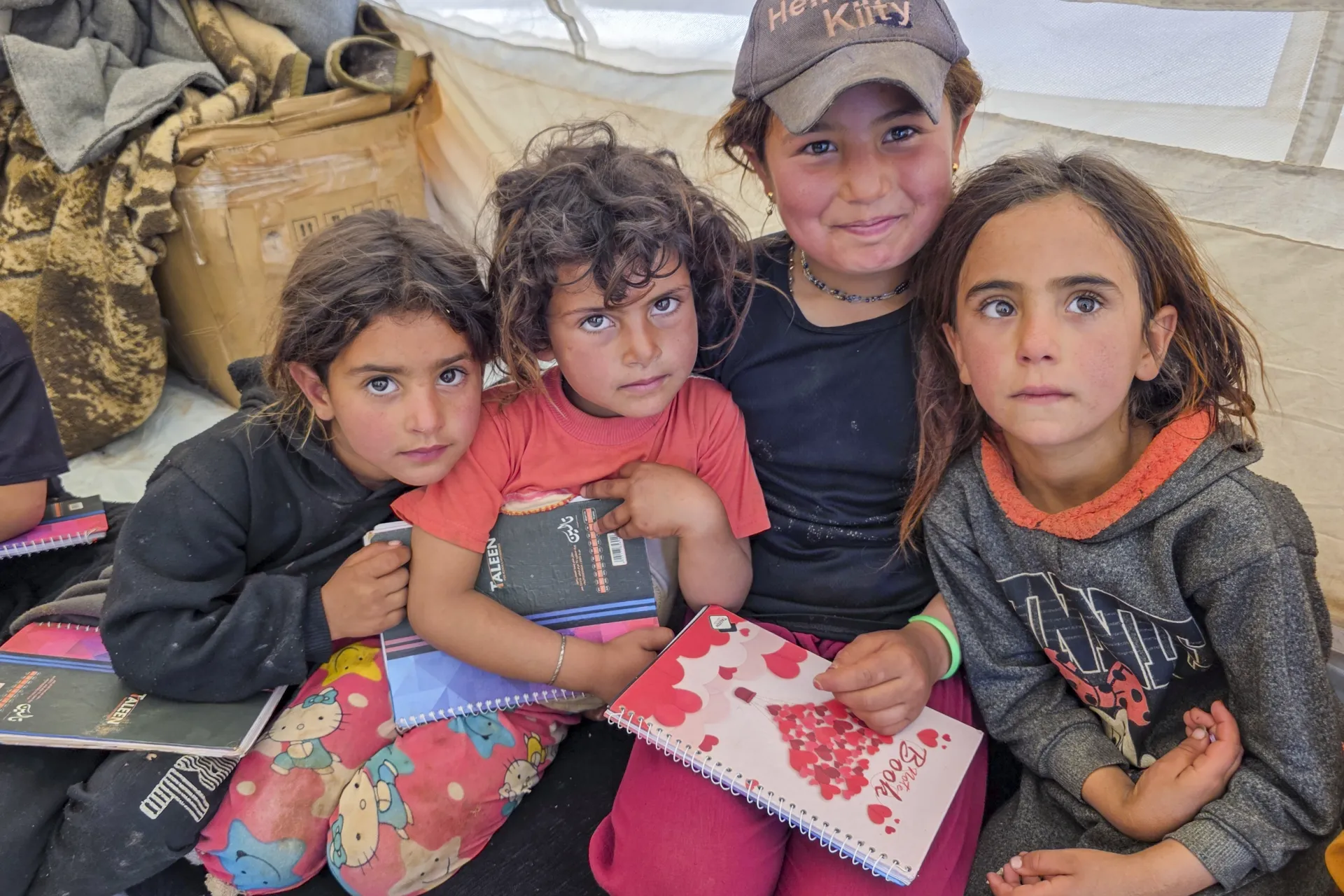
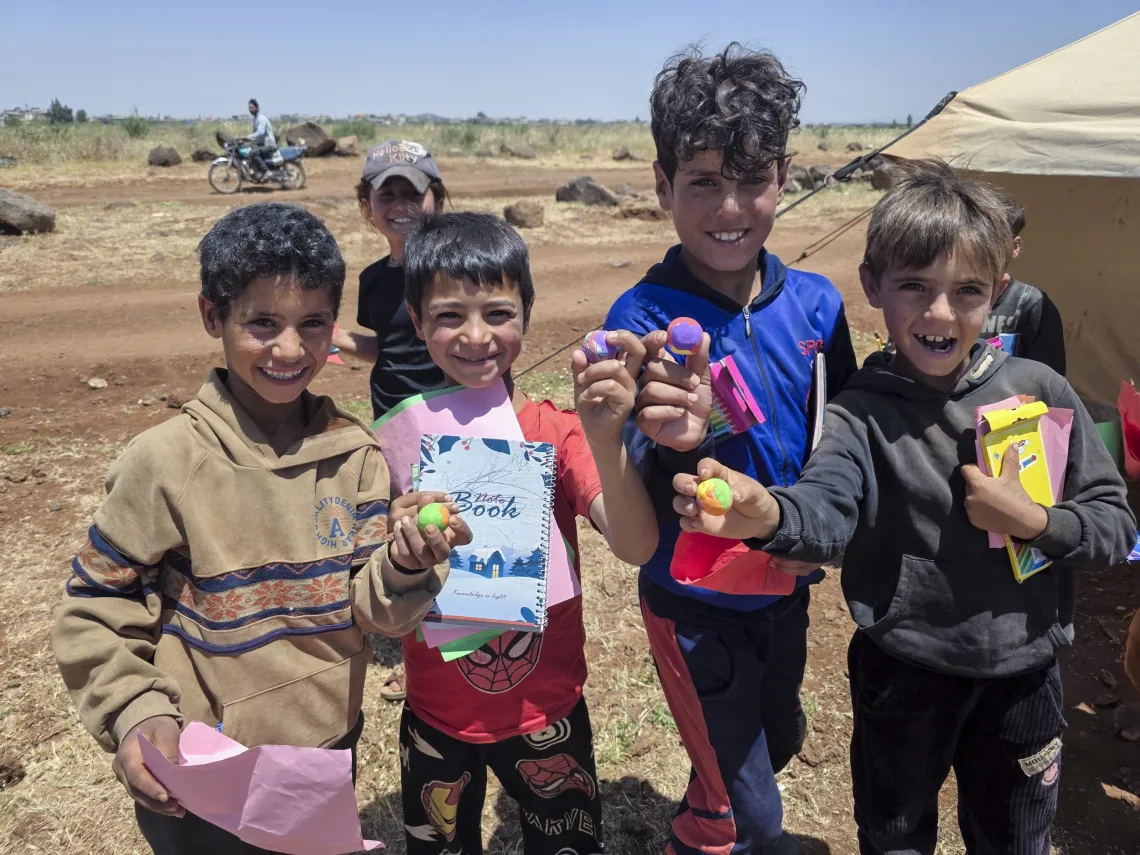
Mleihat, rural Dar’a - Every week, a UNICEF-supported child protection mobile team visits displacement camps in Sura, Hrak and Mleihat in Dar'a Governorate, southern Syria. In Mleihat, their arrival is met with excitement, children run out of their tents, laughing and calling out to welcome them.
For families who have spent years living in tents, these visits have become a vital source of support. For children growing up in displacement, access to safe spaces and trusted support can make a critical difference to their wellbeing, protection and development.
Since February 2026, the mobile team has been providing mental health and psychosocial support services for children and caregivers, helping them cope and regain a sense of normalcy. The Dar’a team is one of two UNICEF-supported mobile child protection teams serving southern Syria, alongside another team in As-Sweida.
“Children live in difficult circumstances in those camps. Children are dropping out of school, facing different types of risks. Families are living in open areas surrounded by the remnants of war. Our regular visits and protection services are very much needed.”
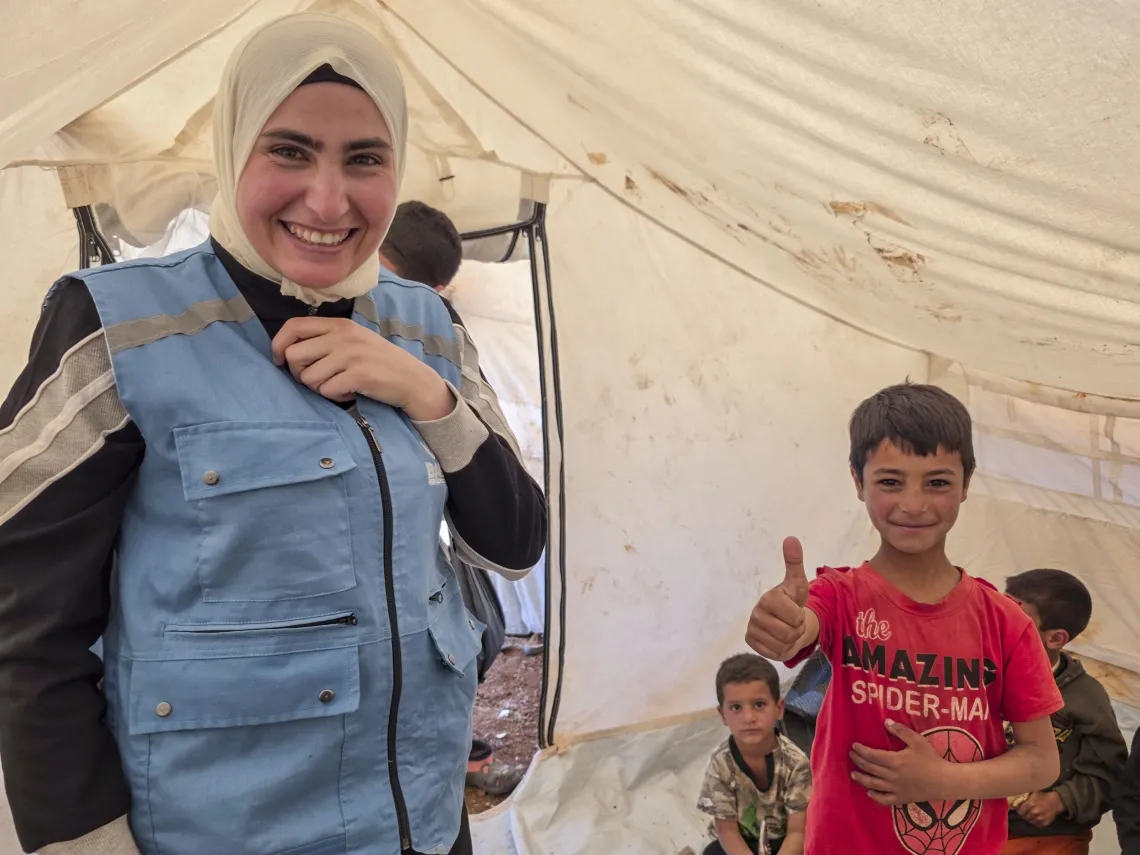
For many children, the team’s arrival offers a rare chance to simply be children. Inside a tent, they draw, colour and play together.
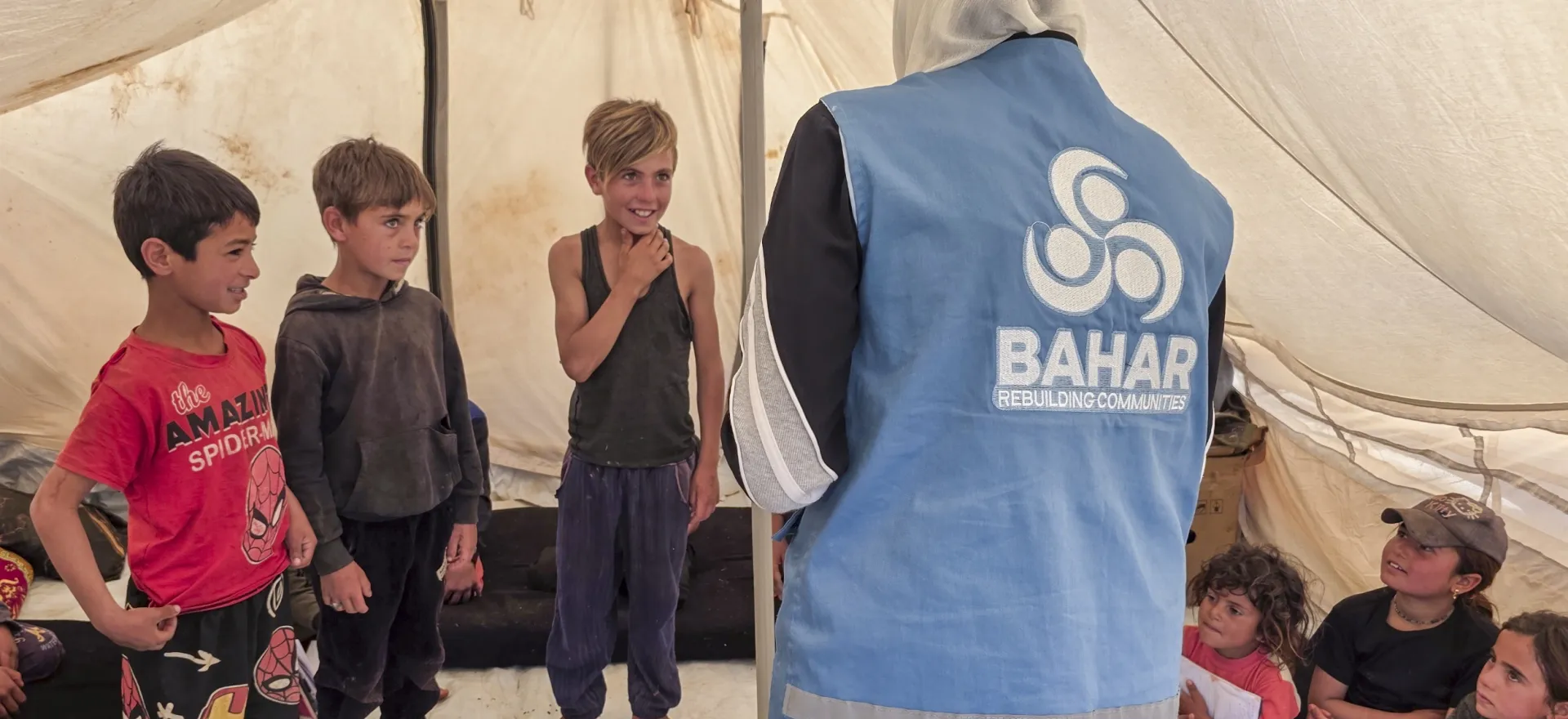
UNICEF/UN0885899/Sandra Awad
“I feel excited when they come because we play and draw together. I wait for them every week.”
- Laith, 11 (right)
Siba, a UNICEF-supported worker, said the children’s reactions make every journey worthwhile. “When I see them happy, I feel my heart is full of joy," she said.
The team has built strong trust with the communities it serves.
“Parents constantly mention that they feel their children are safe with us,”
During one session, the team distributed notebooks to children. By the next visit, many had already begun practicing letters and numbers with support from a teacher in the camp.
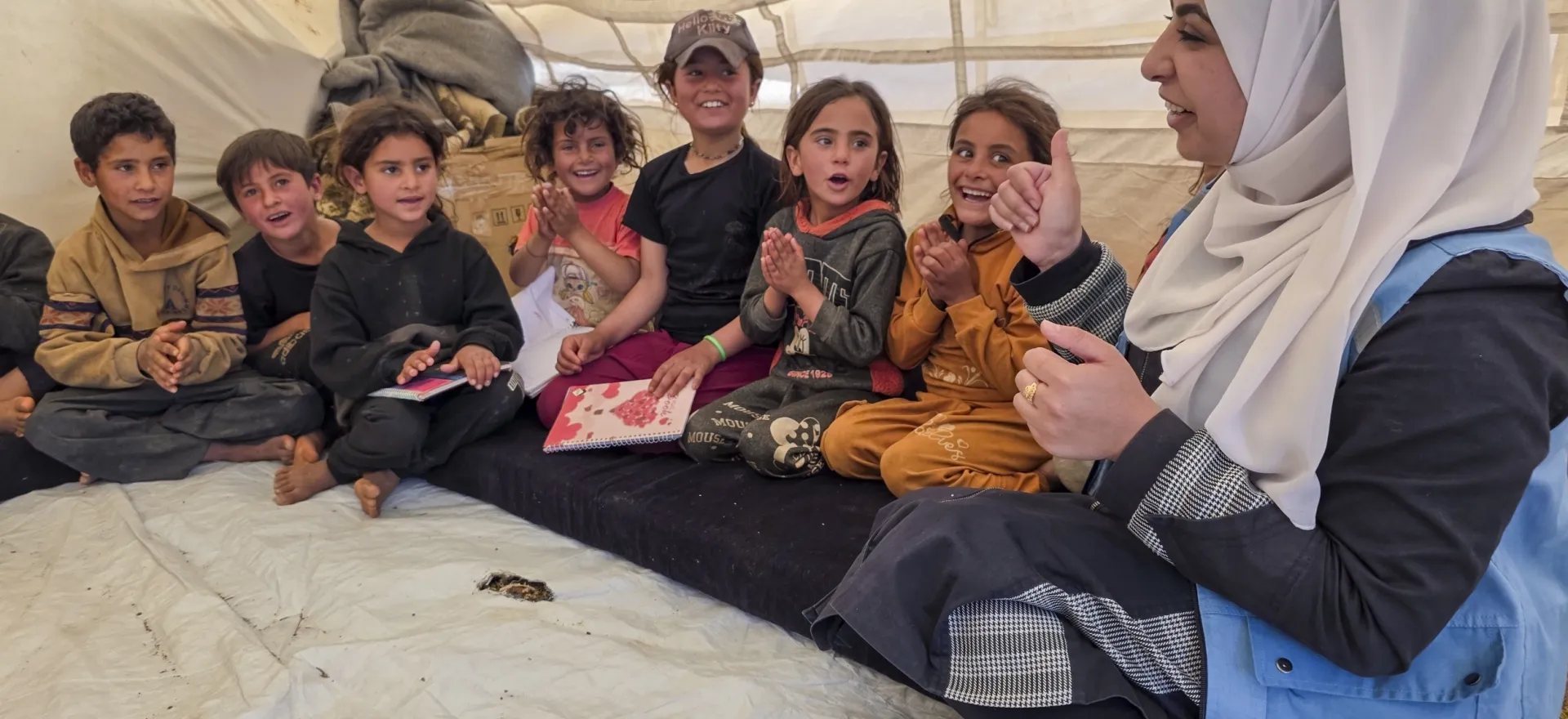
UNICEF/UN0885909/Sandra Awad
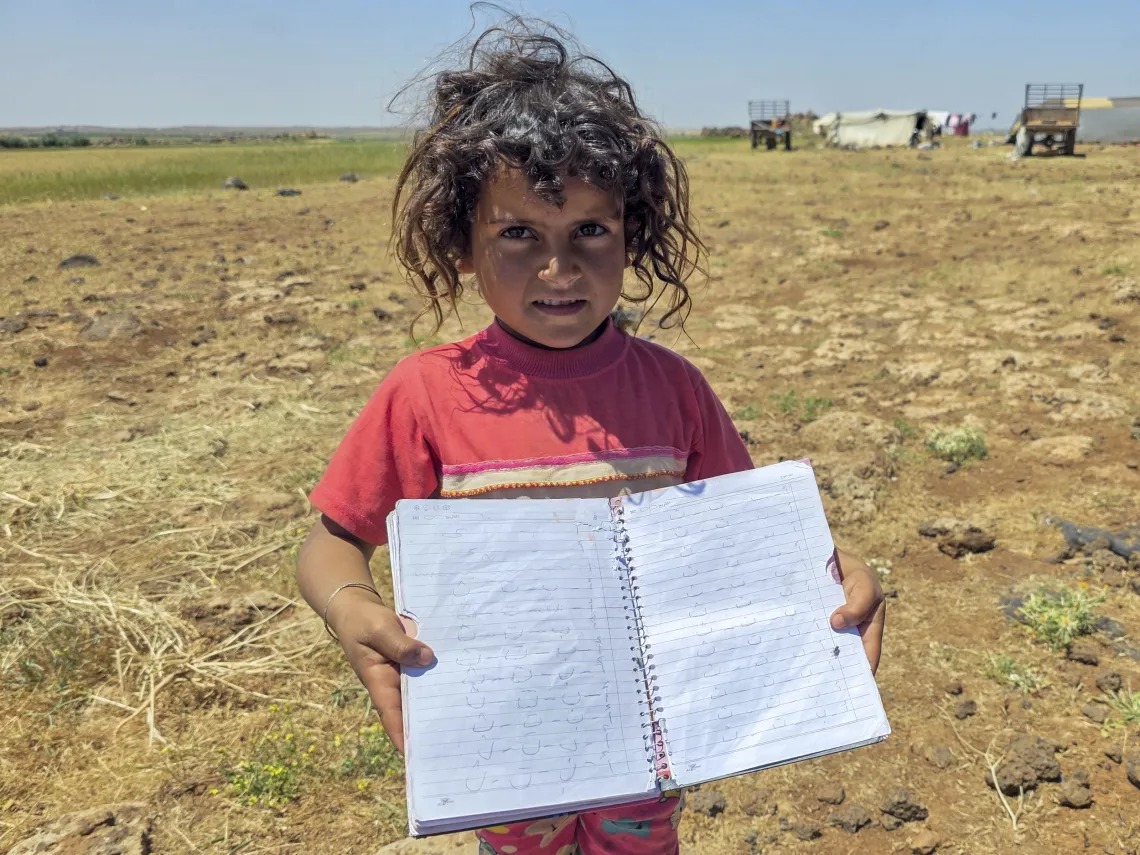
UNICEF/UN0885905/Sandra Awad
“Those small notebooks opened an opportunity to learn and gave children hope,”
- Siba, UNICEF-supported worker
UNICEF’s support also extends to caregivers. Women gather in a circle during parenting skills sessions, often after long hours of work and caregiving. Yet when the team arrives, they prioritise attending.
“This shows how much they need our support,” said Nour, a parenting skills facilitator.
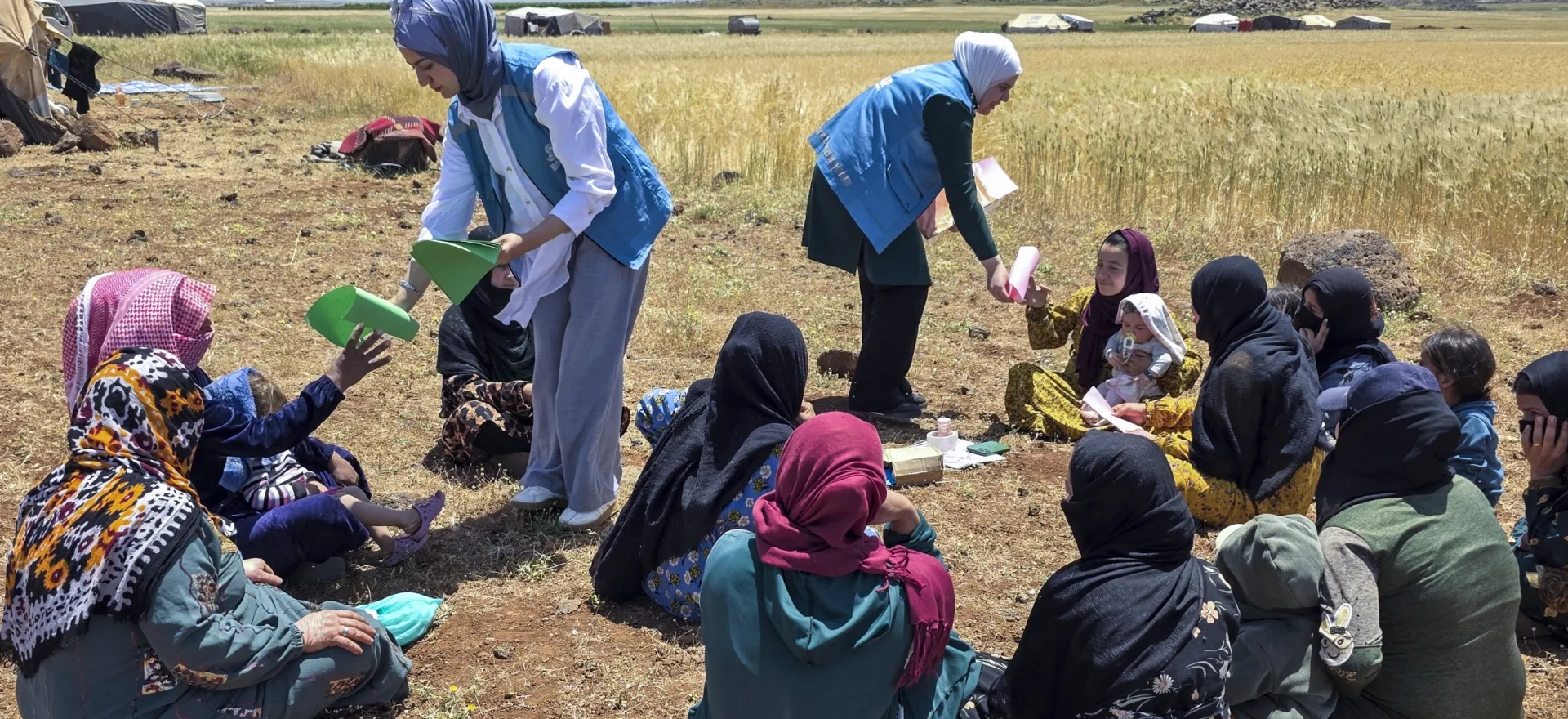
UNICEF/UN0885906/Sandra Awad
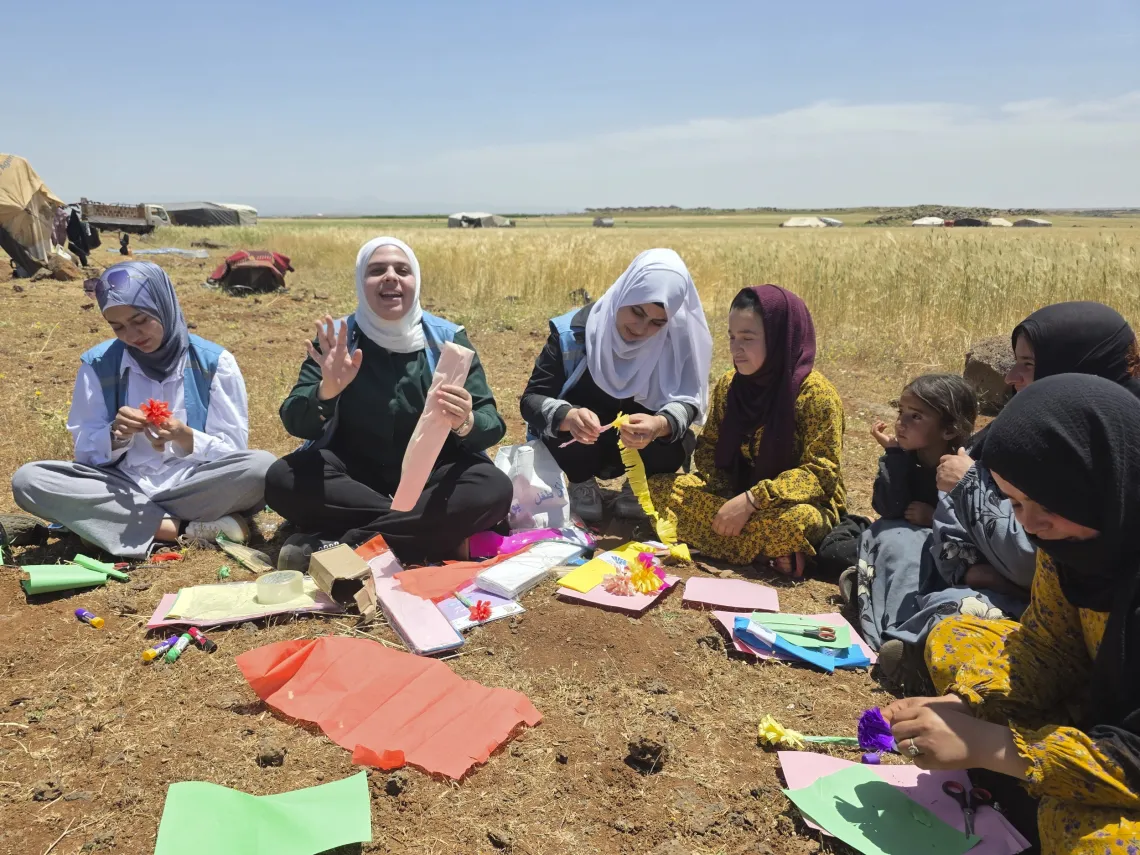
UNICEF/UN0885912/Sandra Awad
“Mothers carry a heavy burden in the camp. Our sessions give them a safe space to talk openly about stress, parenting challenges and daily struggles. They arrive tired and leave more relaxed and stronger.”
- Nour, a parenting skills facilitator
For Tiba, a mother of six, these sessions have become a highlight of her week.
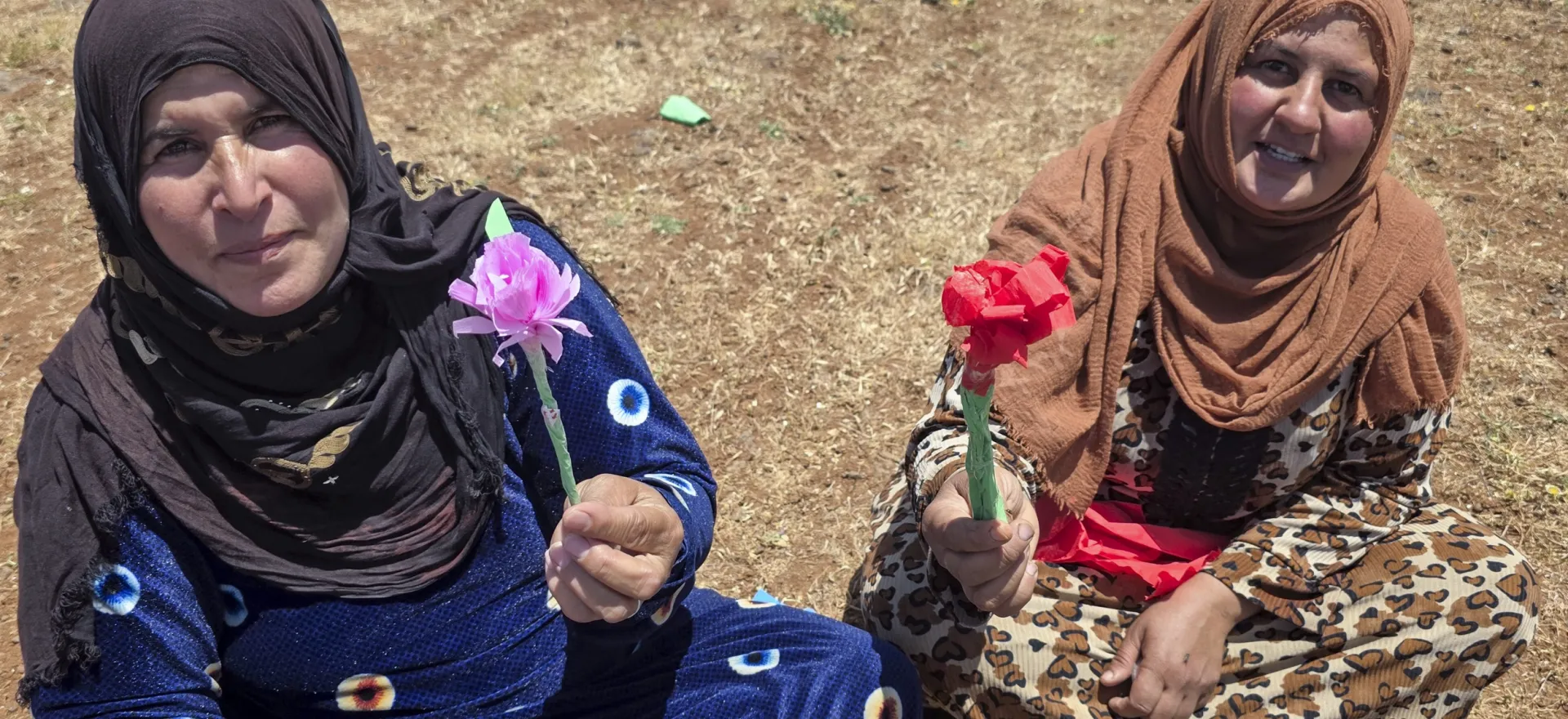
UNICEF/UN0885900/Sandra Awad
“When we sit together, talk and do activities with our hands, we forget the pressure for a little while. Our children also changed. They became happier after joining the activities.”
- Tiba, a mother of six (right)
Beyond psychosocial support, the mobile team connects families with other humanitarian services through referral pathways.
“The basic needs in the camps are immense. We try to connect families with service providers that can support them.”

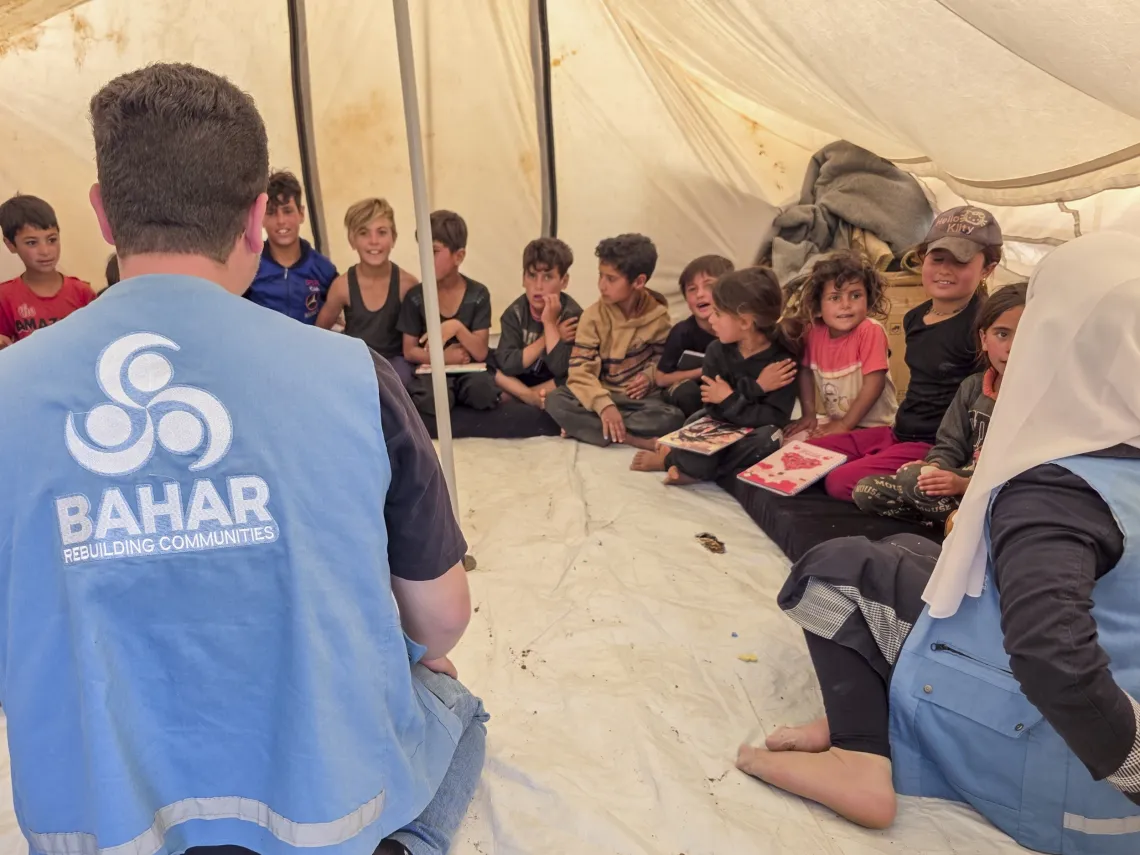


By supporting both children and caregivers, UNICEF-supported mobile teams are helping families rebuild resilience and restore stability in their daily lives.
Across Syria, since the beginning of 2026, UNICEF has reached nearly 21,000 children with mental health and psychosocial support (MHPSS) and around 9,700 parents and caregivers through parenting skills sessions. In addition, life-saving explosive ordnance risk education has been provided to more than 134,000 children and adults, while psychological first aid (PFA) support has reached approximately 24,600 children and caregivers, helping them cope with distress and strengthen their resilience.
These vital activities were possible thanks to the generous contributions from EU Humanitarian Aid; the Foreign Commonwealth and Development Office (FCDO); the German Federal Ministry for Economic Cooperation and Development (BMZ) through the KfW Development Bank; the Global Humanitarian Thematic Fund; Governments of New Zealand and Norway; Swiss Agency for Development and Cooperation (SDC); UNICEF National Committees; and the United States Government.