Supporting essential health and nutrition services in underserved communities
Funded by the Syria Humanitarian Fund (SHF), UNICEF supports essential health and nutrition services for vulnerable children and families across Syria

Al-Bab, rural Aleppo, Syria- In Al-Bab, in rural Aleppo, accessing health services remains a daily challenge for many families. Years of conflict have left the city and surrounding communities with limited health services, forcing people to travel long distances to seek care.
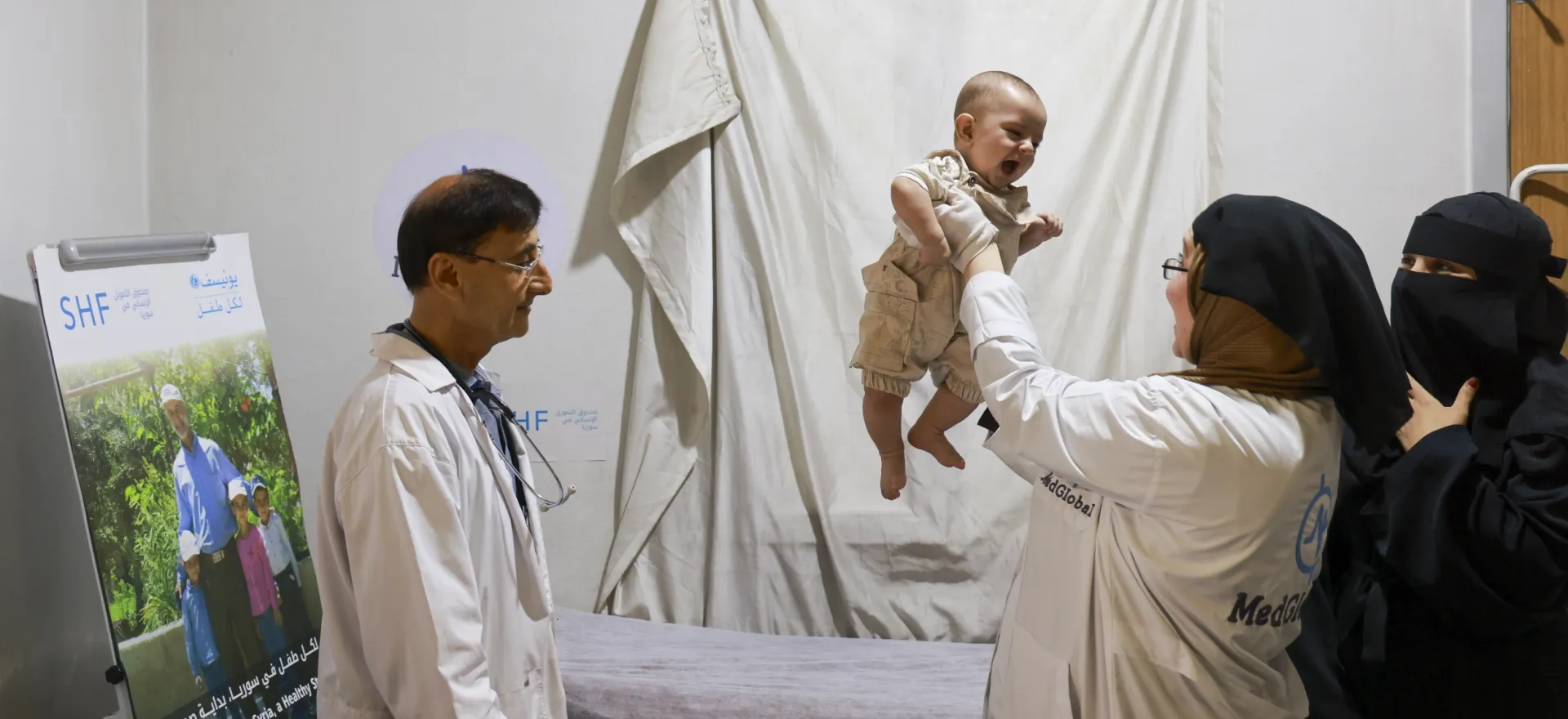
For more than 400,000 people, including large numbers of internally displaced families, the Al-Bab Primary Healthcare Centre has become a vital source of support. Funded by the Syria Humanitarian Fund (SHF), UNICEF supports the facility, which is currently the only fully operational primary healthcare centre serving the area.
UNICEF/UN0927918/Omar Alwan
UNICEF/UN0927914/Omar Alwan
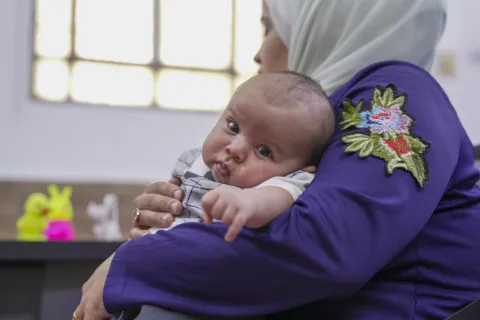
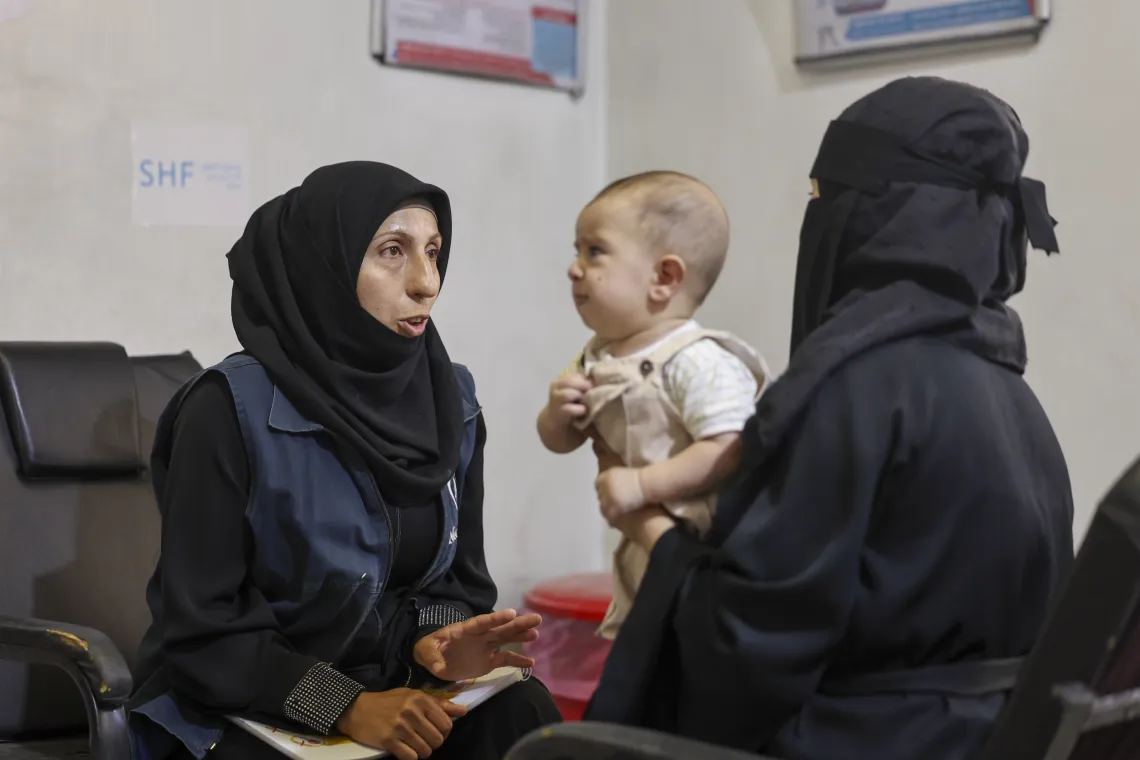
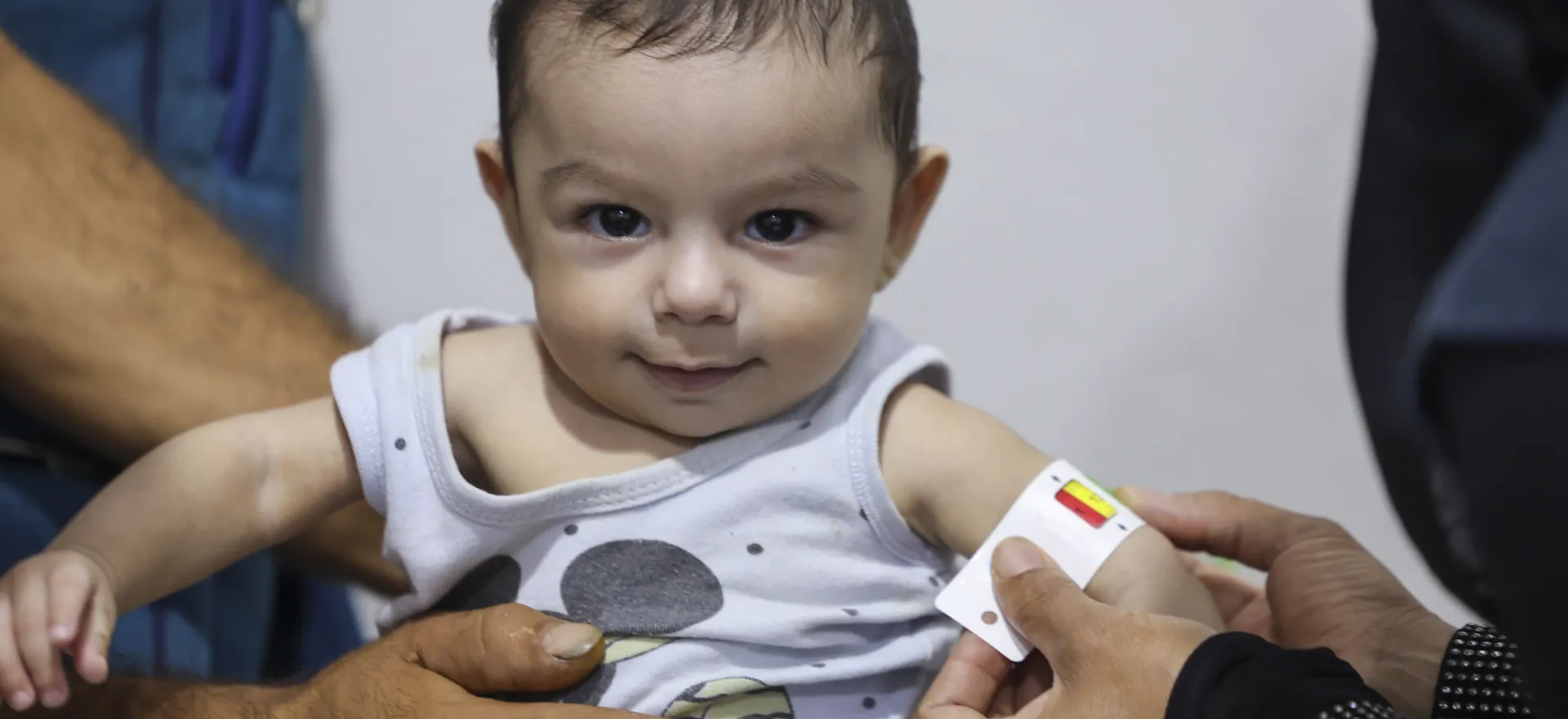
Nazek, a health worker, holds Omar, 4 months, following a routine growth monitoring check-up.
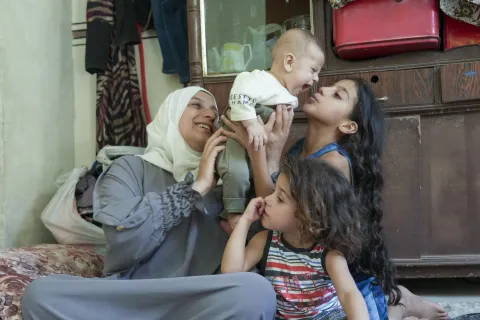
"With four young children, visiting a doctor or paying for medication privately can quickly become a financial burden. Receiving free, high-quality healthcare and guidance at this centre gives me peace of mind,"
Nisreen, mother
"More than half of the city's population is internally displaced, and around 90 per cent of those who visit the centre are displaced people. People come here because they need healthcare and cannot afford private services. For many families, even buying medicines is beyond their means."
Nearly 200 patients seek care at the centre each day. In coordination with the Health Directorate, children and families can access a comprehensive package of essential services, including primary healthcare consultations, reproductive health services, nursing care and essential medicines.

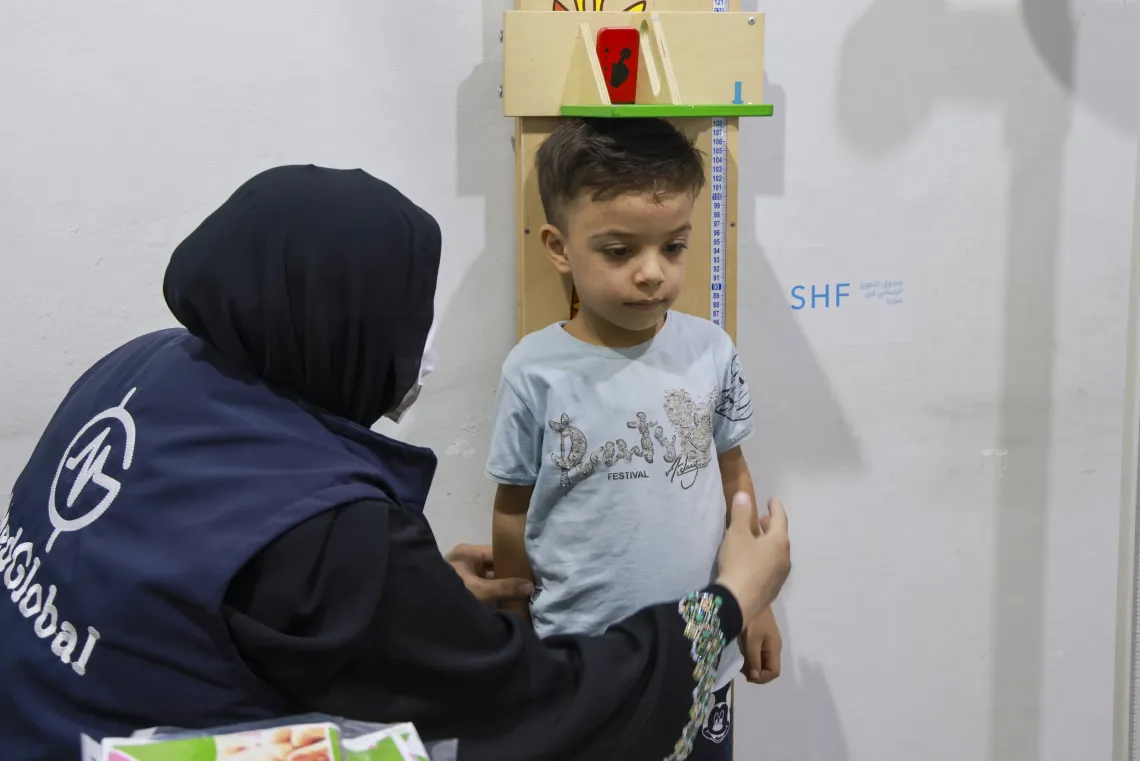

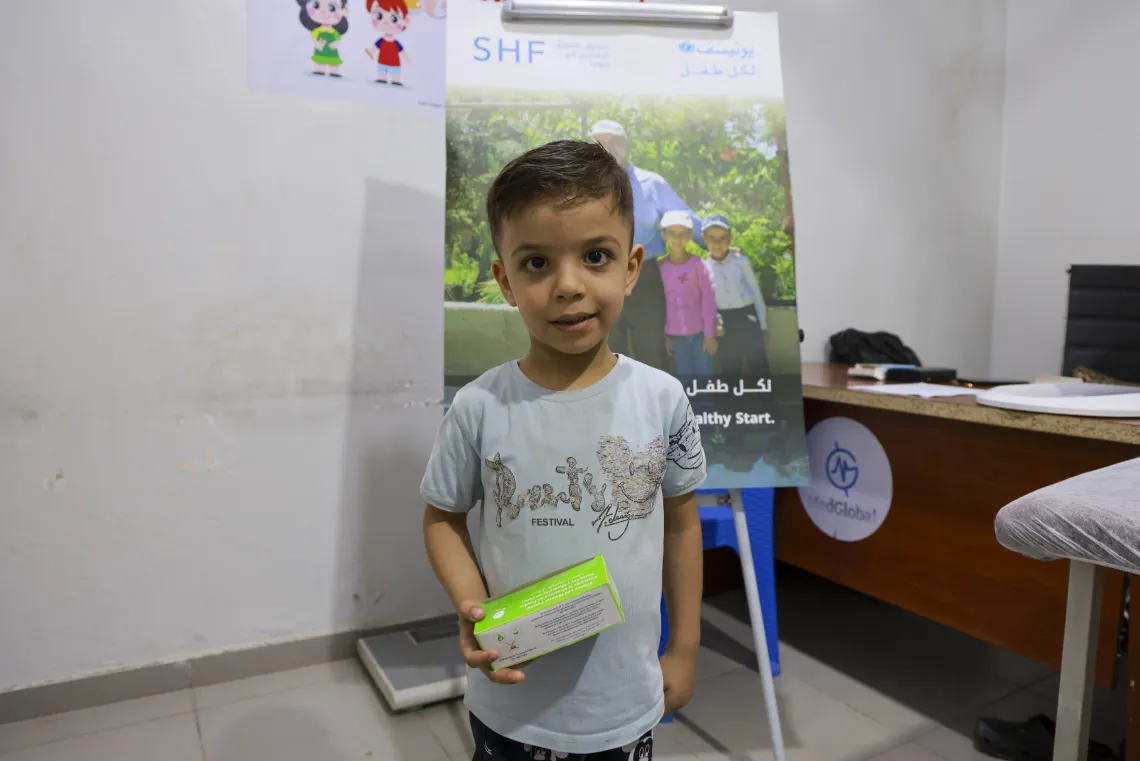
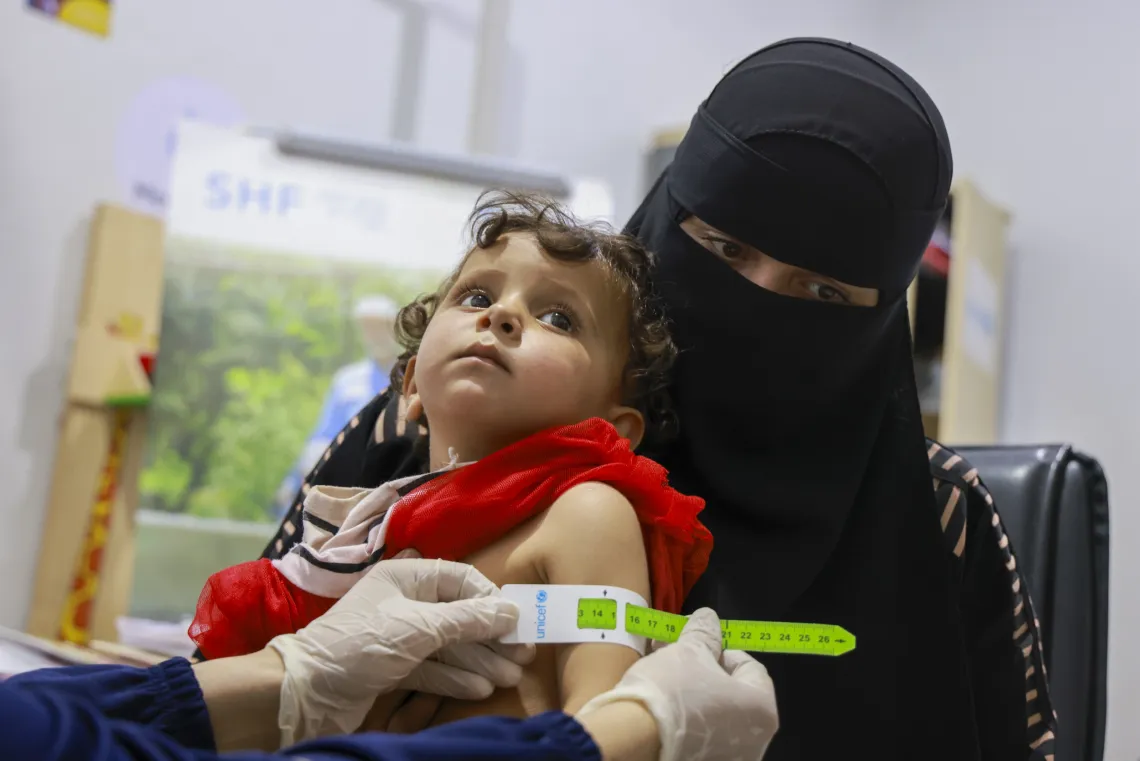
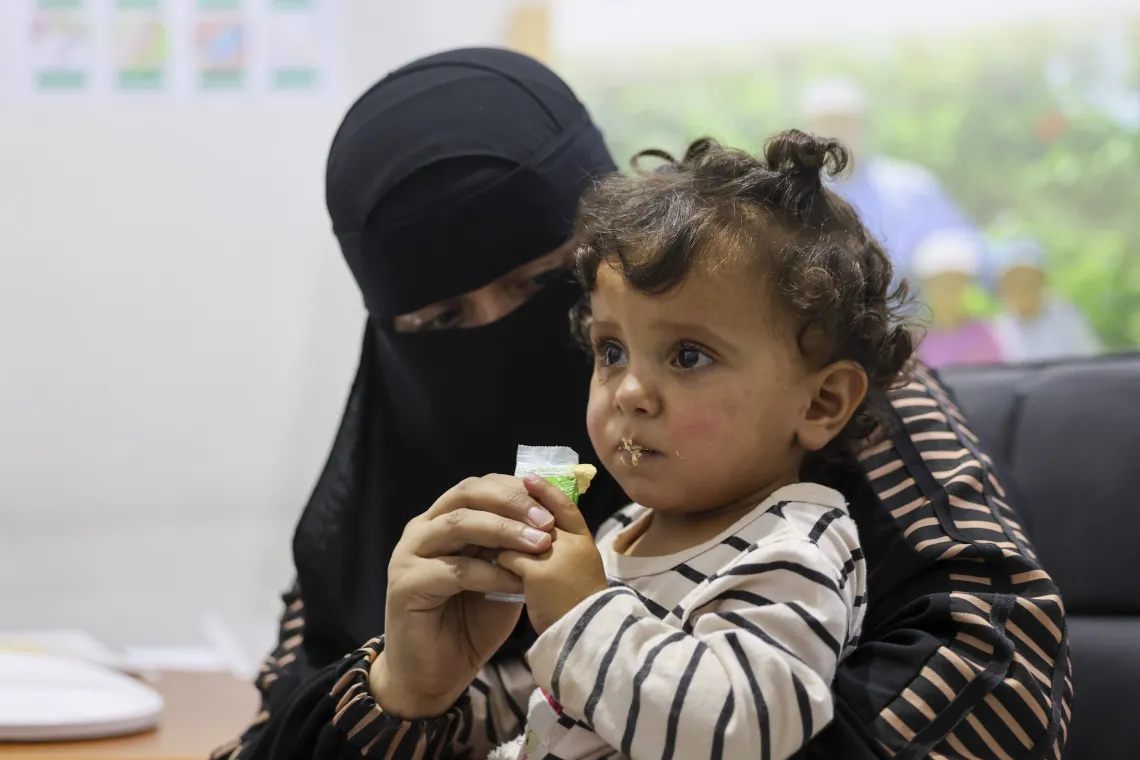
Nutrition services are a critical part of the centre's work. Health workers screen children and women for malnutrition, provide treatment, counselling, regular follow-up and support families with practical guidance on healthy feeding practices.
UNICEF/UN0927917/Omar Alwan
UNICEF/UN0927910/Omar Alwan
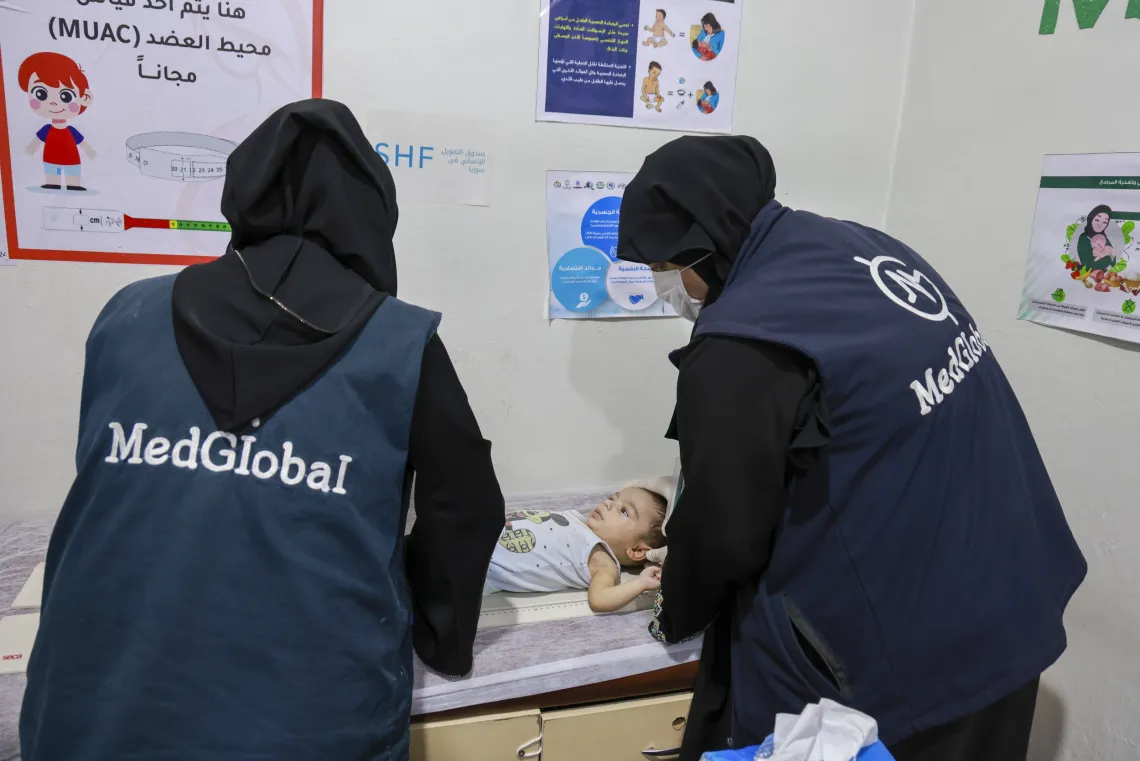
Health workers measure six-month old Tiam's mid-upper arm circumference and height at a health and nutrition centre in Al-Bab.
"I noticed that Taim wasn't as active as other babies his age, so we brought him here for advice."
Mohamed, father
UNICEF/UN0927853/Omar Alwan
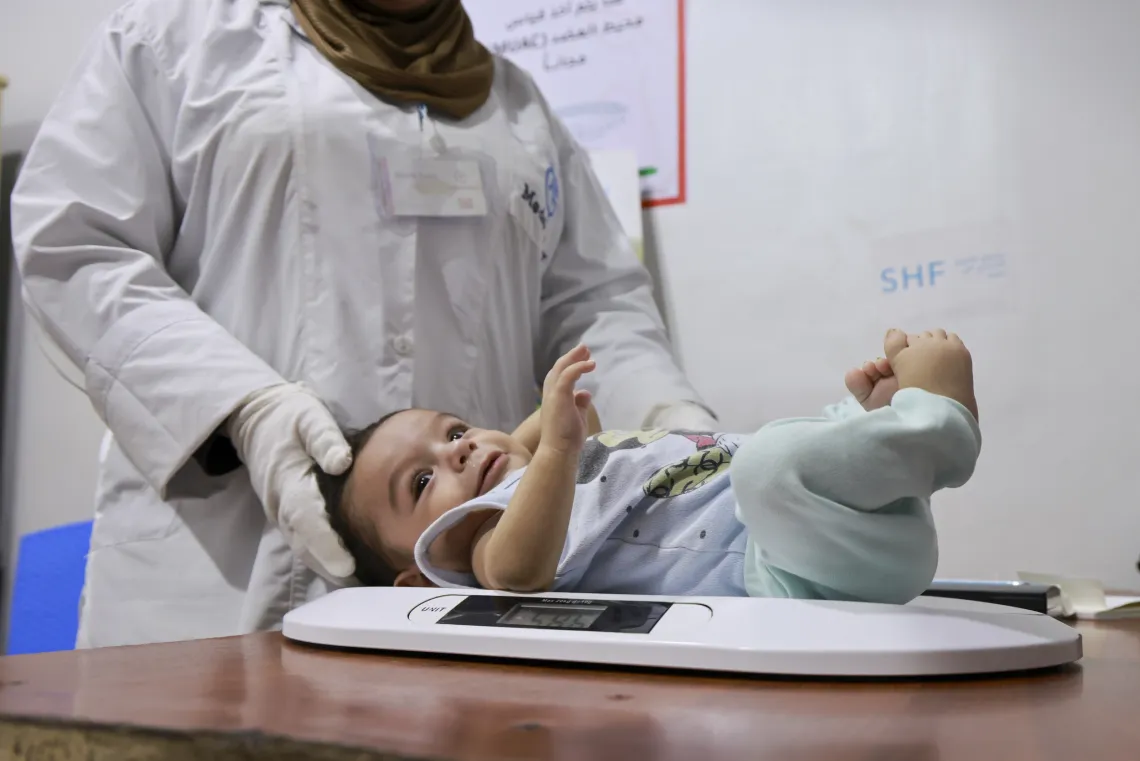
Taim is weighed by the nurse Nazek.
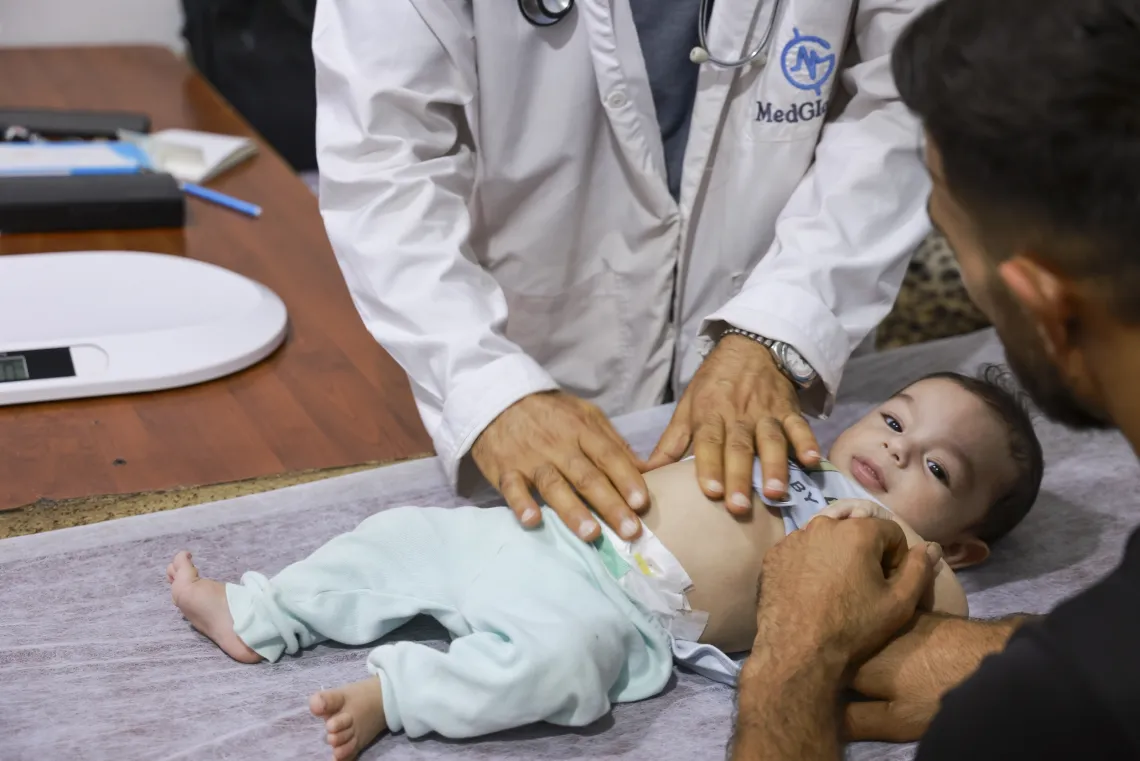
“Finding out that our son was malnourished was heartbreaking. But knowing that he is now receiving the care he needs gives us hope and reassurance.”
Mohamed, father
UNICEF/UN0927907/Omar Alwan
"We are grateful to have a centre like this nearby that helps care for our children and supports them to grow healthy and strong."
Mohamed, father
"Nutrition is one of the services that makes this centre particularly important. We monitor children and women at risk of malnutrition and follow up on their cases regularly."


For families living in remote communities, reaching healthcare can be difficult and expensive. To help bridge this gap, mobile teams travel to underserved areas such as Al-Uraymah, Tadef and nearby communities, bringing essential health and nutrition services closer to those who need them most.
Through support from the Syria Humanitarian Fund (SHF), UNICEF is helping ensure that children, women and families in Al-Bab and surrounding communities can continue to access lifesaving health and nutrition services, whether at the clinic or through outreach activities in remote areas. Between May and July 2026, UNICEF reached nearly 25,000 children and more than 13,500 women with health services across Syria. During the same period, almost 24,000 children under five and approximately 10,000 pregnant and lactating women were screened for malnutrition, with those requiring treatment referred for appropriate nutrition support and supplies.