

Childhoods interrupted
The long-term impact of the ongoing conflict in Syria
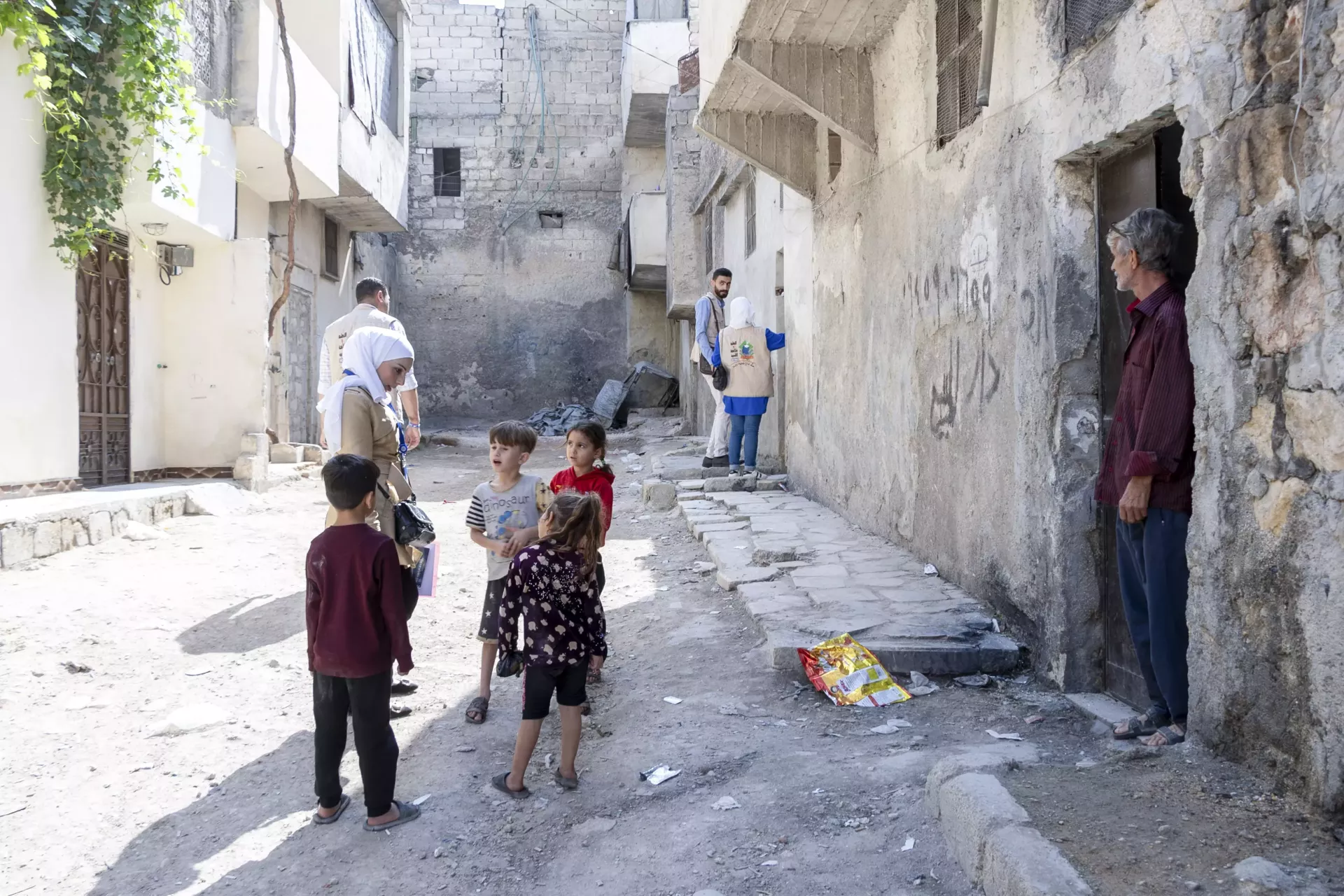
During the long years of conflict and displacement, children in Syria continue to bear the biggest brunt. The added effect of the unprecedented economic crisis, disease outbreaks, and most recently deadly earthquakes - crisis upon a crisis – is pushing the most vulnerable children to the brink of survival.
As the conflict in Syria enters its 14th year on 15 March, hostilities continue unabated in several parts of the country, particularly in the northwest. Grave violations of children’s rights persist. Since the beginning of the conflict, over 14,000 children in Syria have been killed or injured, according to UN data.
Continued exposure to violence and loss of caregivers has long-lasting negative impacts on children’s mental and psychosocial well-being. Many children have been the victims or survivors of violence and others have witnessed it. Often, they have been forced to flee their homes and separated from their families and loved ones. According to the household survey conducted in northern Syria, 34 per cent of girls and 31 per cent of boys reported psychosocial distress. Similarly, the rapid assessments conducted in earthquake-affected areas showed a high number of children exhibited severe behavioural psychological distress (83 per cent of respondents)[1].
17-year-old Hassan was severely injured and lost his hand when an unexploded ordnance went off. He is one of thousands of children in Syria injured or killed by land mines or explosive ordnance.
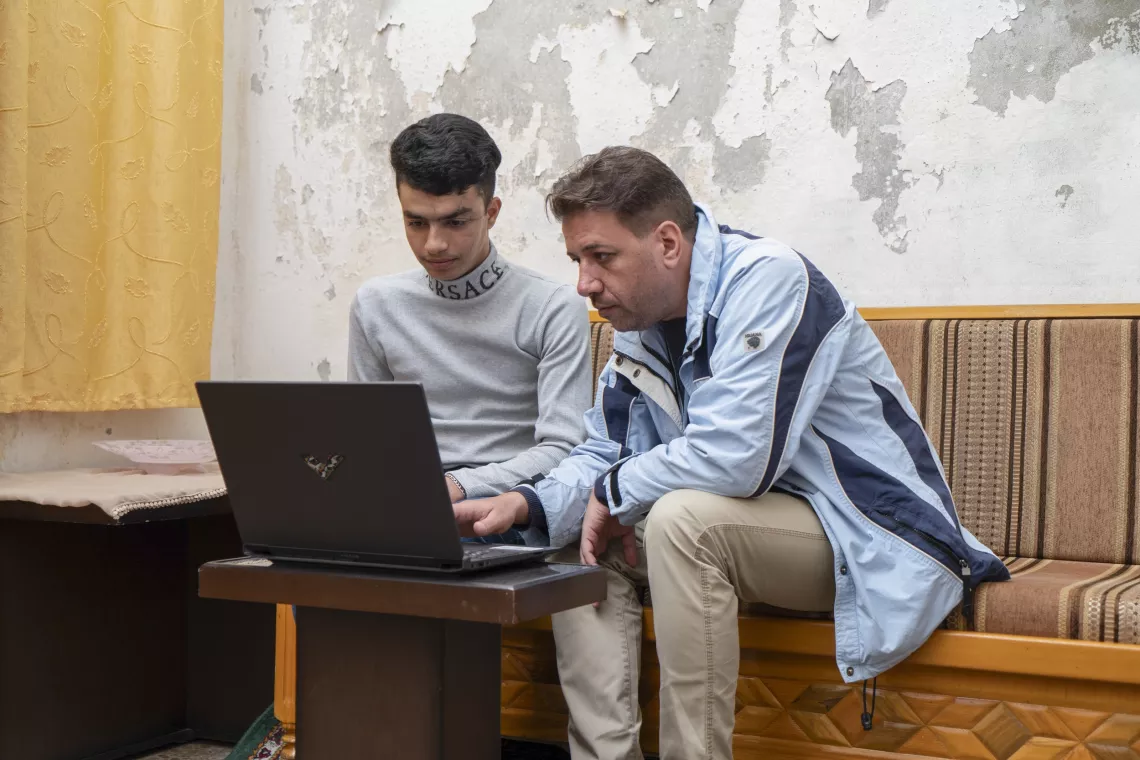
“I didn’t want to see pity in the eyes of my friends and neighbours, so I preferred to stay at home, surrendering to depression and sorrow.”
The conflict has also had a devastating effect on the Syrian economy, pushing millions of people into poverty. Most families are unable to make ends meet. They have depleted their resources, with limited employment opportunities, skyrocketing prices, and shortages of basic supplies.
Today, fewer children in Syria can access and consume a minimum diverse diet in early childhood. This compounded by collapsing service delivery systems and soaring commodity prices has resulted in a dramatic increase in malnutrition among children.
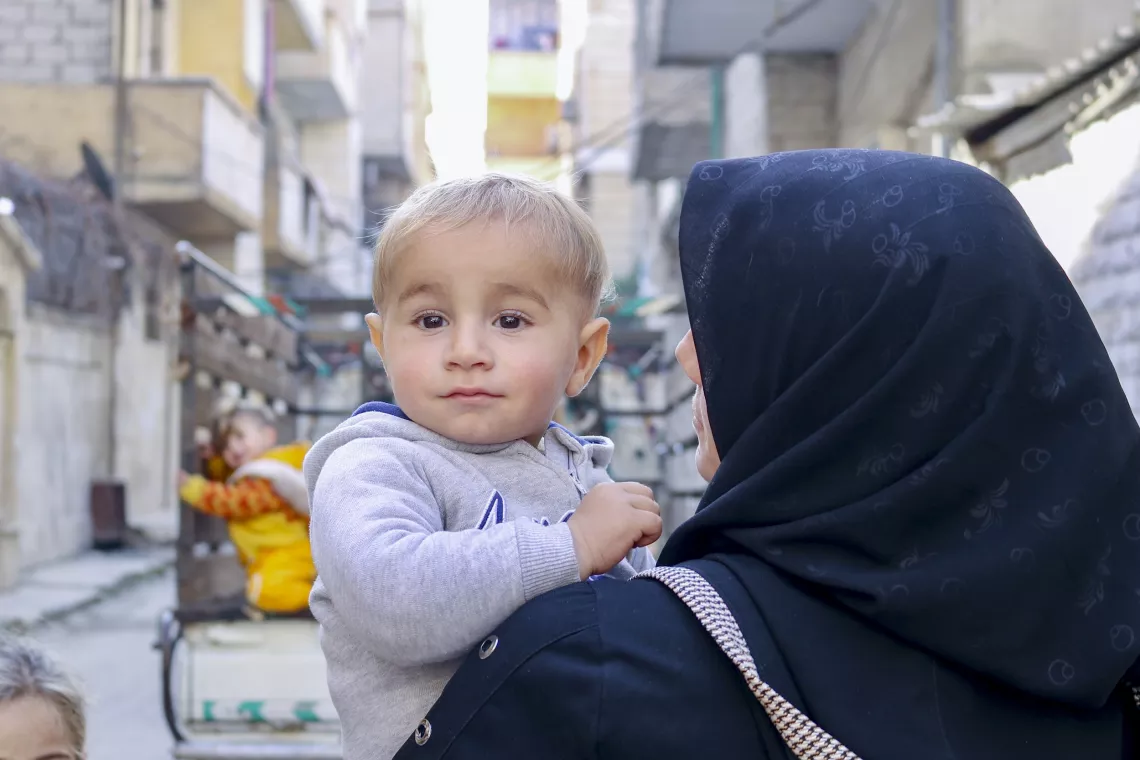
Manal is one of the many mothers struggling to feed her children.
“We never have enough food. The house is full of hungry children. How would you say ‘no’ to a child when they ask for food. My husband and I used to cry every night when our children went to bed hungry. They were too thin, and we feared losing them.”
According to the 2023 SMART survey in Syria, more than 650,000 children under the age of five are stunted. This is a significant increase from 2019 when the number of stunted children equalled 500,000. Chronic malnutrition, or stunting, causes irreversible damage to the physical and cognitive development of children, impacting their capacity to learn, their productivity, and their earnings later in adulthood.
In Syria, systems, underpinning access to essential services for children, are flailing. Half of the primary healthcare system is not functioning, and many families are forced to either delay medical care or take long trips if they can afford it. Disease outbreaks and the impact of the deadly earthquakes in February 2023 are putting additional pressure on the already over-burdened public health services and healthcare delivery in the country. It is anticipated to worsen access to essential health and nutrition services in 2024.
UNICEF and its partners are on the ground. In 2023, we reached more than 15.8 million people, including 10 million children, with essential services and supplies.

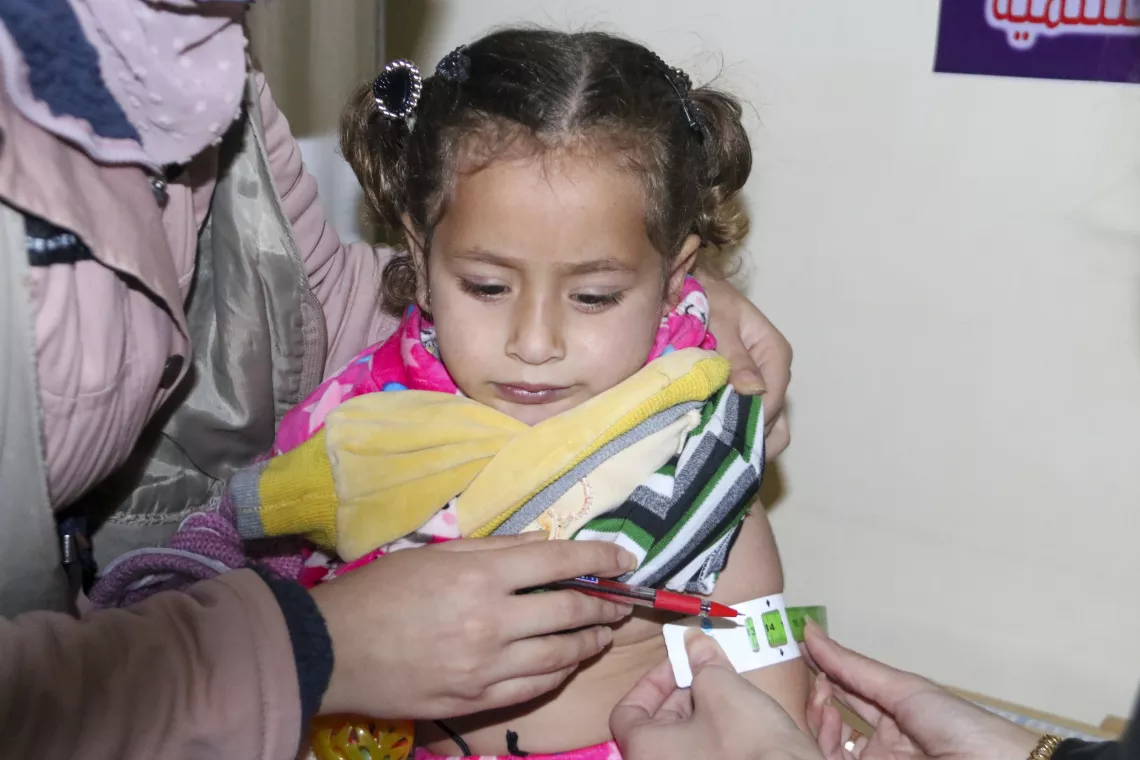

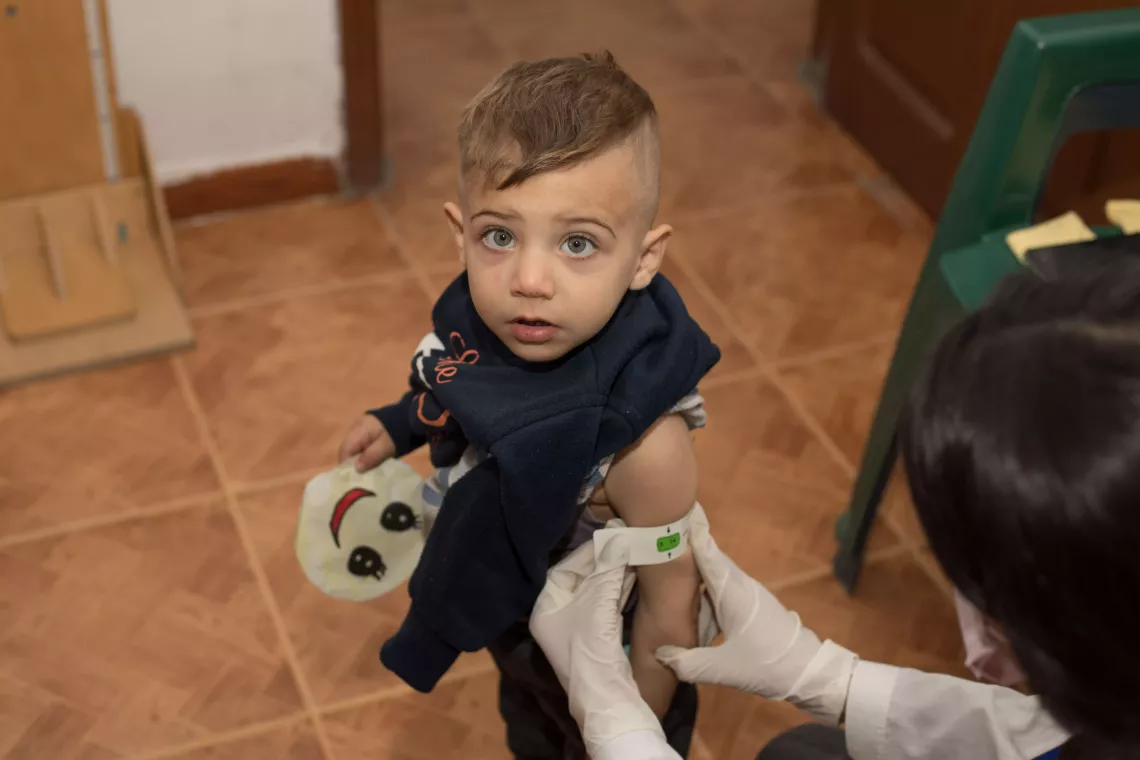

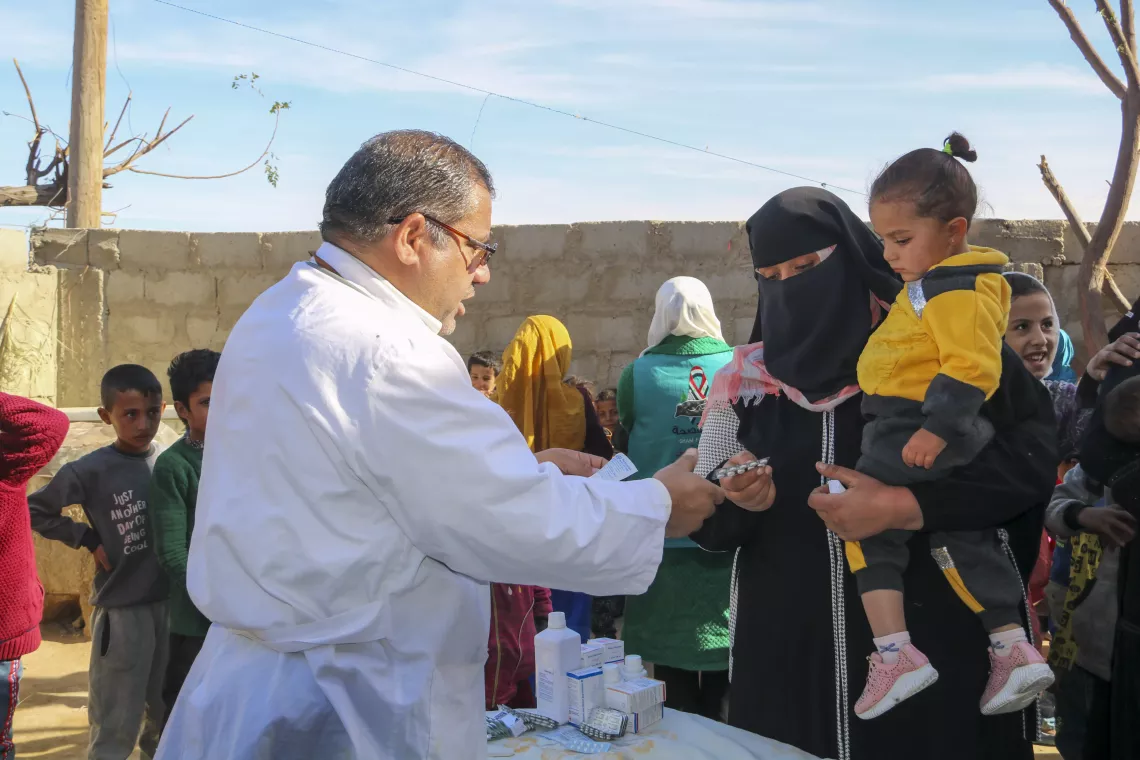
Nearly 3.2 people, like Manal, benefitted from lifesaving nutrition services. Across Syria, while investing in the early detection of malnutrition, we work with partners to deliver and scale up lifesaving treatment services for children suffering from severe acute malnutrition. Preventive nutrition services including micronutrient supplements, growth monitoring and counseling, and support on breastfeeding and age-appropriate complementary feeding are also being delivered. UNICEF also provides essential health services and supplies, access to clean water, and good sanitation to give more children a chance to survive.
Similarly, 1.7 million people, such as young Hassan, were reached with different child protection services and interventions. This included the provision of mental health and psychosocial support to help children develop skills to deal with crises, solve problems, manage their emotions, and form and maintain relationships. UNICEF also supported parents and primary caregivers to develop the knowledge and skills to support their children in distress.

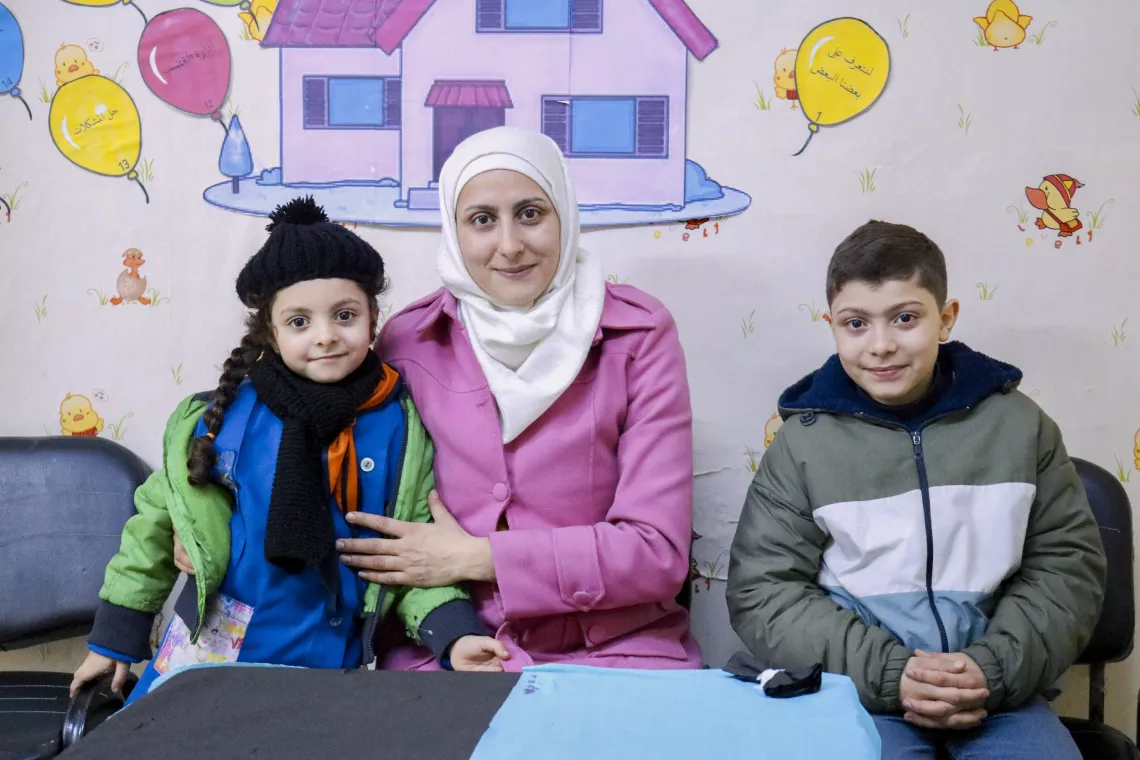

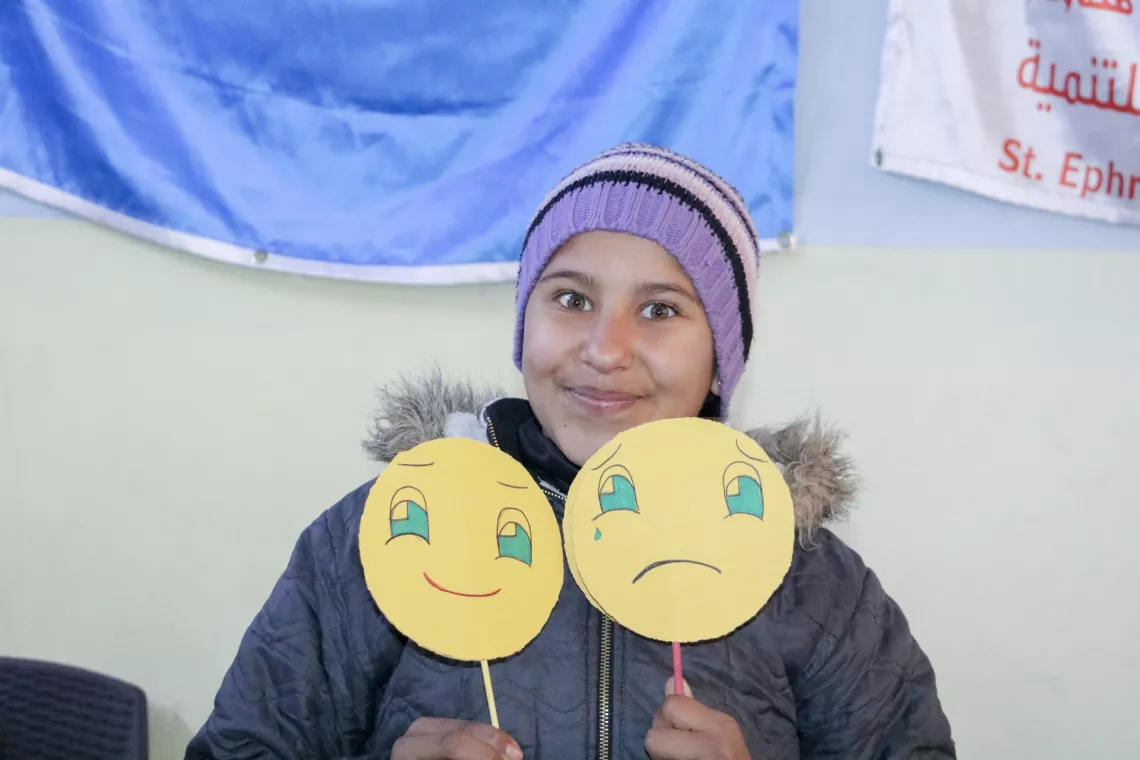

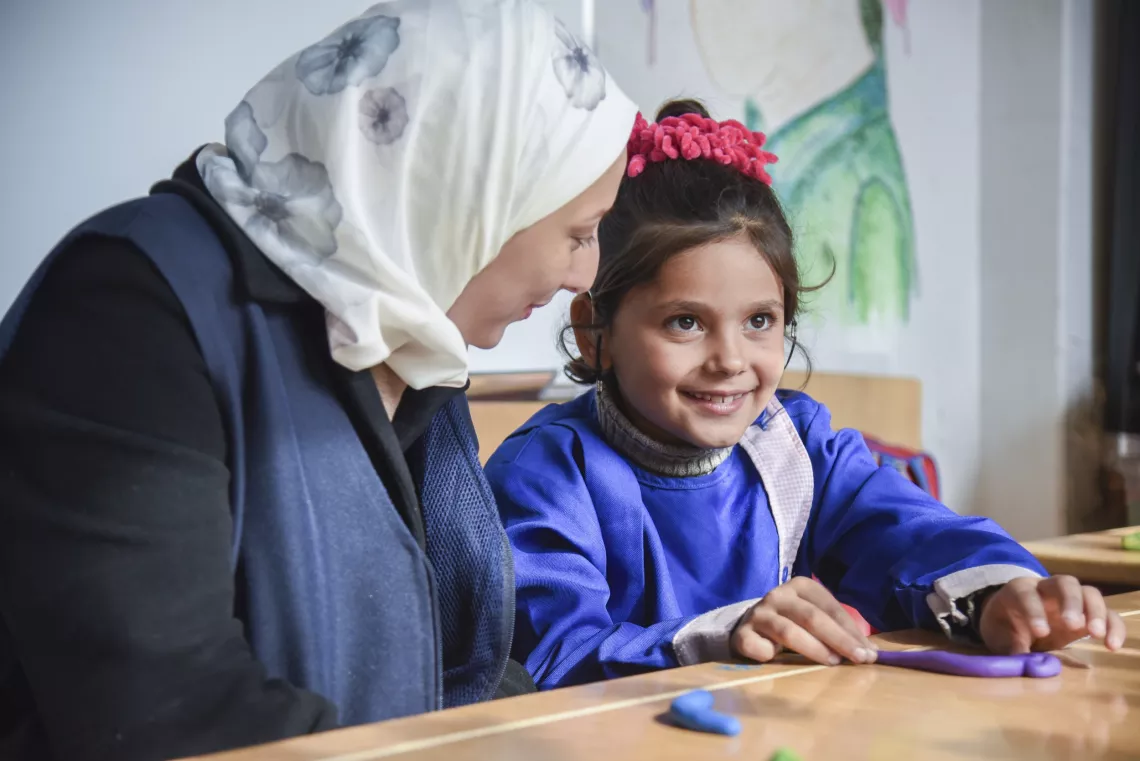
Yet, in 2024, 16.7 million people – the highest number since the beginning of the conflict in 2011 – will need humanitarian assistance. Nearly 7.5 million of them are children.
Much more needs to be done to support the vulnerable children across Syria while funding for the humanitarian response remains limited. In 2024, UNICEF requires US$ 401.7 million to provide an essential lifeline to 8.5 million people, including 5.4 million children. The greatest funding requirements are for water, sanitation, hygiene; health; and education, while protection remains a high priority.
It is paramount that the most vulnerable children in Syria are supported to recover and equipped with the skills they need to build a better future. Investments in their education, well-being, and safety can give them hope.
With additional funding, UNICEF can help to restore systems to deliver essential basic social services, like education, water and sanitation, health, nutrition, child and social protection, leaving no child in Syria behind.
[1] 2024 Humanitarian Needs Overview