Engaged from the start
How communities are shaping their own solutions

In Kassala, community members are not just beneficiaries of programmes- they are taking centre stage in shaping the change they want to see.
Through a community-led approach, they have been empowered to become change agents, identifying the most pressing needs and challenges that are critical to designing solutions that benefit children and families in both displaced and host communities.
Kassala State, located in eastern Sudan, is one of the relatively safer locations where thousands of internally displaced people (IDPs) fled when the conflict in Sudan began. It is also home to over 116,000 refugees and asylum seekers.
The continuous influx of people, coupled with the burden of large-scale displacement, has put immense pressure on health, education, water and sanitation services across the state. Until recently, schools were occupied by displaced families; disease outbreaks like cholera have become recurrent; the already fragile water infrastructure is overwhelmed; and the few functional health facilities are struggling with high patient loads.
To address these challenges, UNICEF and partners, through the Sudan Enhancing Community Resilience Project (ECRP), are working hand-in-hand with communities to identify the most pressing needs and prioritizing high impact interventions that benefit both host communities and IDPs.
The ECRP is unique in its design. It places communities at the forefront of efforts to improve access to basic services; aims to strengthen food security among conflict- affected communities and respond to the deep impacts of displacement. At the same time, it aims to support communities in restarting their path toward development.

Why is community engagement important?
Engaging communities from the very beginning ensures they are actively involved in identifying and prioritizing their needs- fostering a sense of ownership, trust, and acceptance. These elements are critical to the project’s long-term success and sustainability.
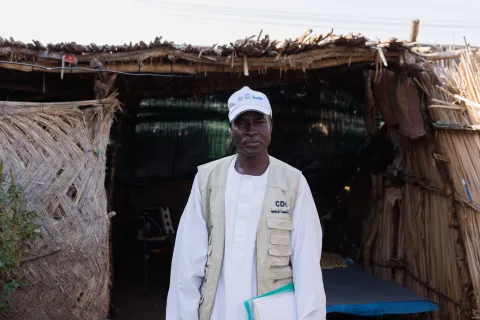
In Kassala, River Nile, and Northern states, community dialogues have begun to identify leaders who will oversee the implementation of the ECRP and ensure its objectives are met. Communities have been mobilized and informed about the project and asked to select inclusive leadership teams. These teams will constitute the Community Development Committees (CDCs).
In New Halfa, the consultations led to the creation of two CDCs through a participatory process:
- One representing Halfa Al-Shamaliya neighborhoods (Al-Amal, Fadasi, Dabira, Al-Safi) voted in by more than 500 people.
- Another representing Northern Suwagi, Al-Karmata, Tukruf, and Quz Beer communities, voted in by 416 people.

In Kassala locality, one CDC was similarly established through an inclusive process. Women, men, the elderly, and youth all have representation in the committees that will oversee the delivery of activities identified by the people themselves.
Key priorities that emerged during these consultations include:
- Strengthening health infrastructure.
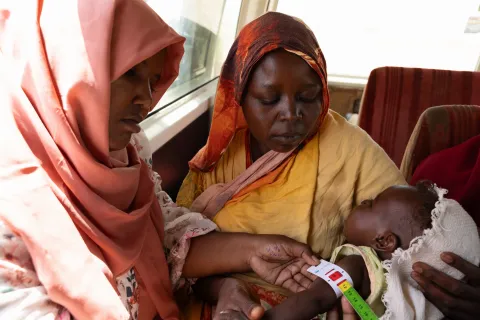
- Expanding nutrition programmes.
- Improving water, sanitation and hygiene (WASH) services.
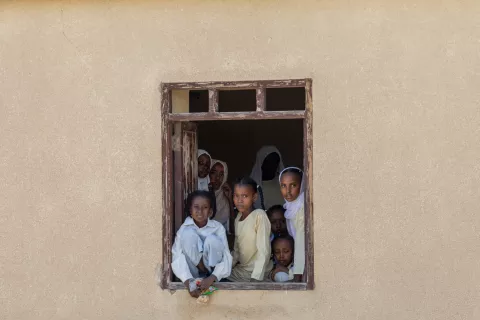
- Enhancing education access and quality.
- Strengthening child protection services.
These priorities will guide project interventions- but achieving them depends on the strong involvement and leadership of the newly constituted CDCs. Their oversight is essential to ensuring timely implementation that will enhance community resilience, improve access to essential services, and foster sustainable development.

“Engaging the communities at this stage of the project is critical if we are to deliver programmes that meet the needs of the people. They are best placed to identify their needs and design the right solutions.”
“And through the leadership of the CDCs, we are also able to foster local ownership and ensure sustainability for lasting change.”
The Community Development Committees (CDCs) and what they do
Community Development Committees (CDCs) are community-elected structures that serve as key platforms for civic participation and local governance under the Sudan ECRP and similar development programmes.
They are designed to bridge communities, local authorities, and development partners like UNICEF, ensuring that community voices are included in the planning, implementation, and monitoring of basic service delivery.
Each CDC typically compromises of 25 elected members, including representatives from marginalized groups such as women, youth, displaced persons, and persons with disabilities. They operate under a set of bylaws that govern membership, structure and procedures.
CDCs play a critical role in:
- Promoting social accountability.
- Monitoring project implementation and service quality.
- Ensuring transparency in resource allocation.
- Managing community-level grievance redress mechanisms (GRMs).
- Facilitating public sharing of budgets and progress reports.
- Creating feedback loops between citizens and service providers.
These mechanisms foster trust, improve service outcomes, and strengthen social cohesion- all while ensuring the community is at the heart of its own development.
To date, 24 CDCs have been established and are fully operational across Kassala, Northern, and River Nile states.
The SUDAN - ECRP project delivered by UNICEF with funding from the World Bank through ‘The Sudan Transition and Recovery Support (STARS) Trust Fund’ is benefiting approximately 560,000 people in Kassala, River Nile and Northern states, restoring access to basic services, addressing food insecurity and enhancing communities’ resilience.