A day in a life of Mohammed, a community worker
UNICEF and the World Bank empower communities for people-powered solutions
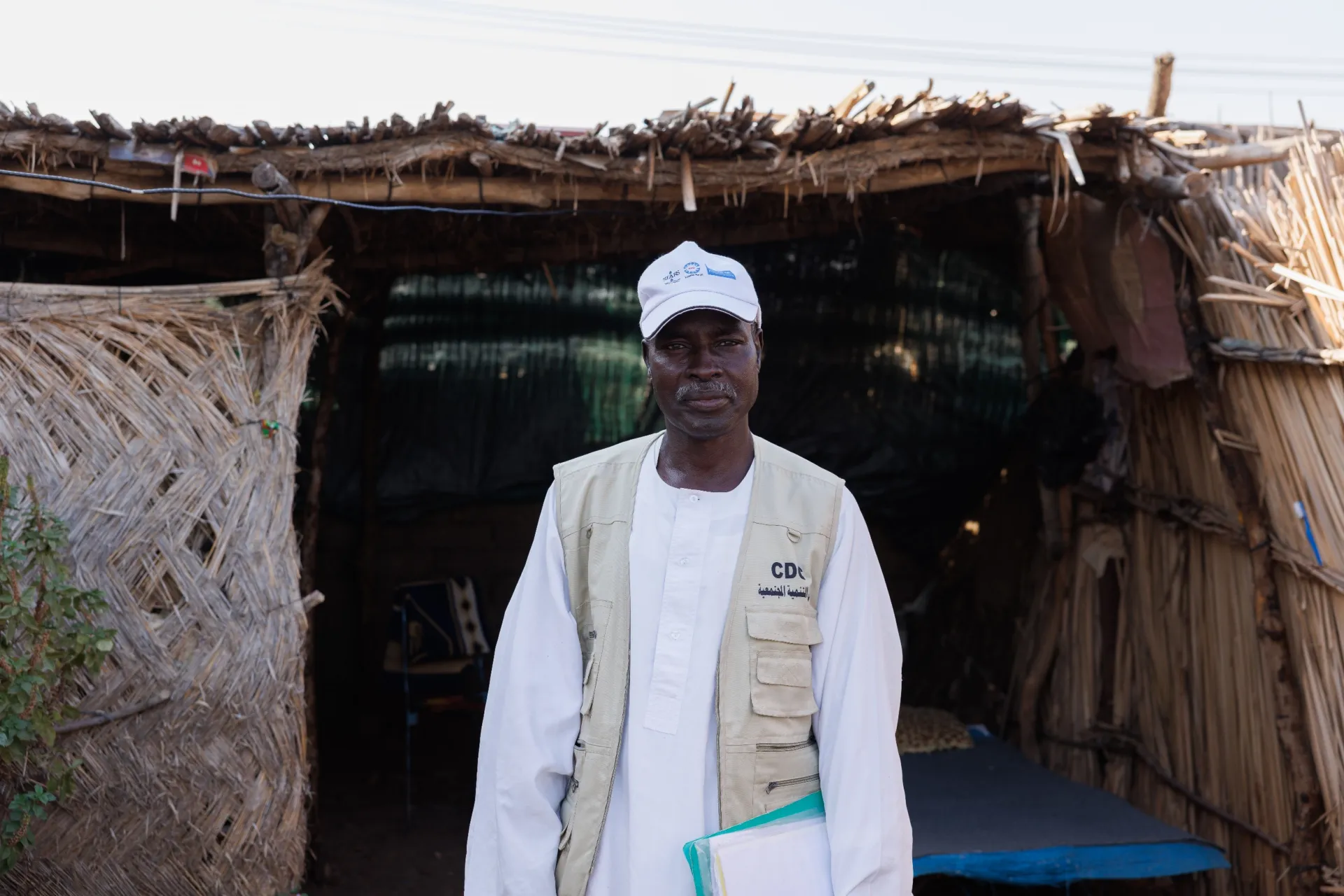
In rural New Halfa, Mohammed’s day starts early. After a light breakfast, he heads out for another long but fulfilling day serving his community.
Three years ago, Mohammed, a father of five, lived in Khartoum. Back then, decision making on community issues such as education, health services and water facilities was the responsibility of leaders alone. Communities were rarely consulted or involved.
In New Halfa, where Mohammed and his family fled after the war, things began to change when UNICEF and the World Bank with funding from the STARS Trust Fund, launched the Enhancing Community Resilience Project (THABAT). At the time, Mohammed did not know that he would later be nominated by his community to serve as a member of a key local structure - the Community Development Committee (CDC).
When asked what the CDC is and what it does, Mohammed quickly shares the journey that led to the formation of the 30-member committee. Today, the committee oversees the implementation of the project interventions across eight neighbourhoods in New Halfa, Kassala State.
In an area hosting a large number of displaced families, community workers like Mohammed are playing a critical role - bridging the gap between communities and leaders to improve access to essential services for all.
Mohammed shares a day in his life, highlighting how community workers are key to the sustainability of project activities.
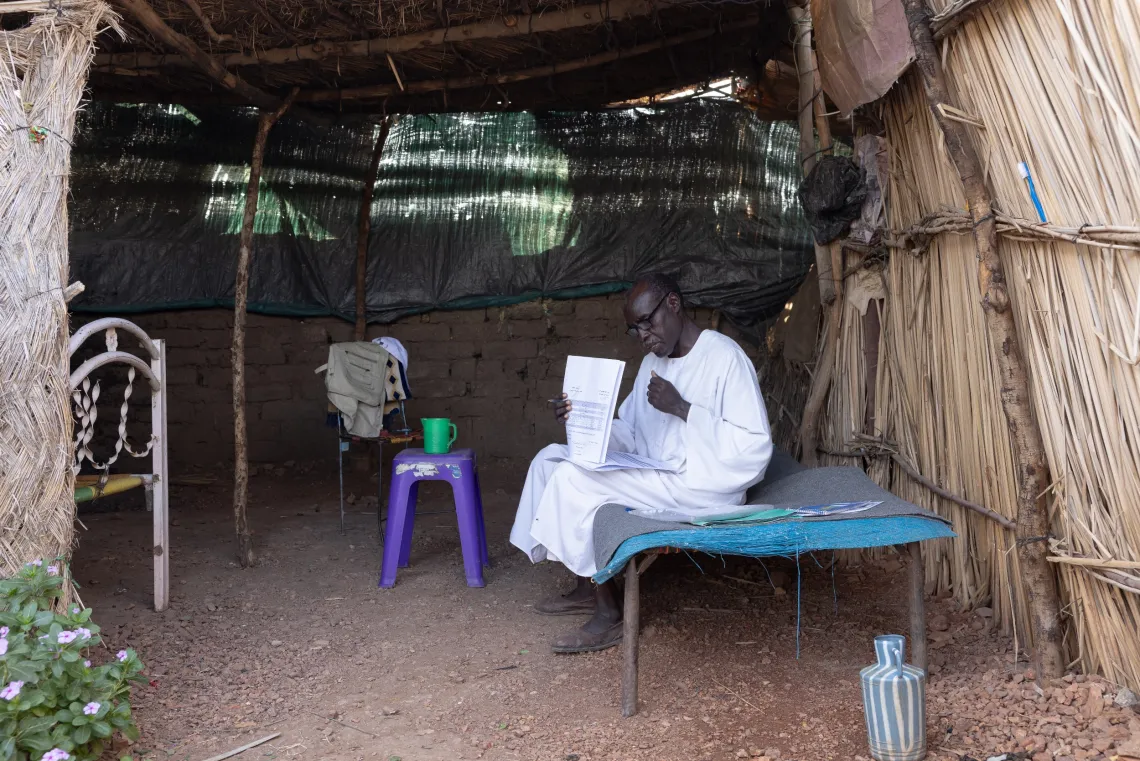
Planning for the day
Planning is essential for community workers like Mohammed. Each morning begins with a few phone calls and review of documents guiding the day’s activities.
Together with the other committee members, the CDC assesses community needs, informing the interventions prioritized under the THABAT project.
“This is where the importance of the committee lies,” Mohammed explains.
“Our role is more than just a supervisory- we work on the ground.”
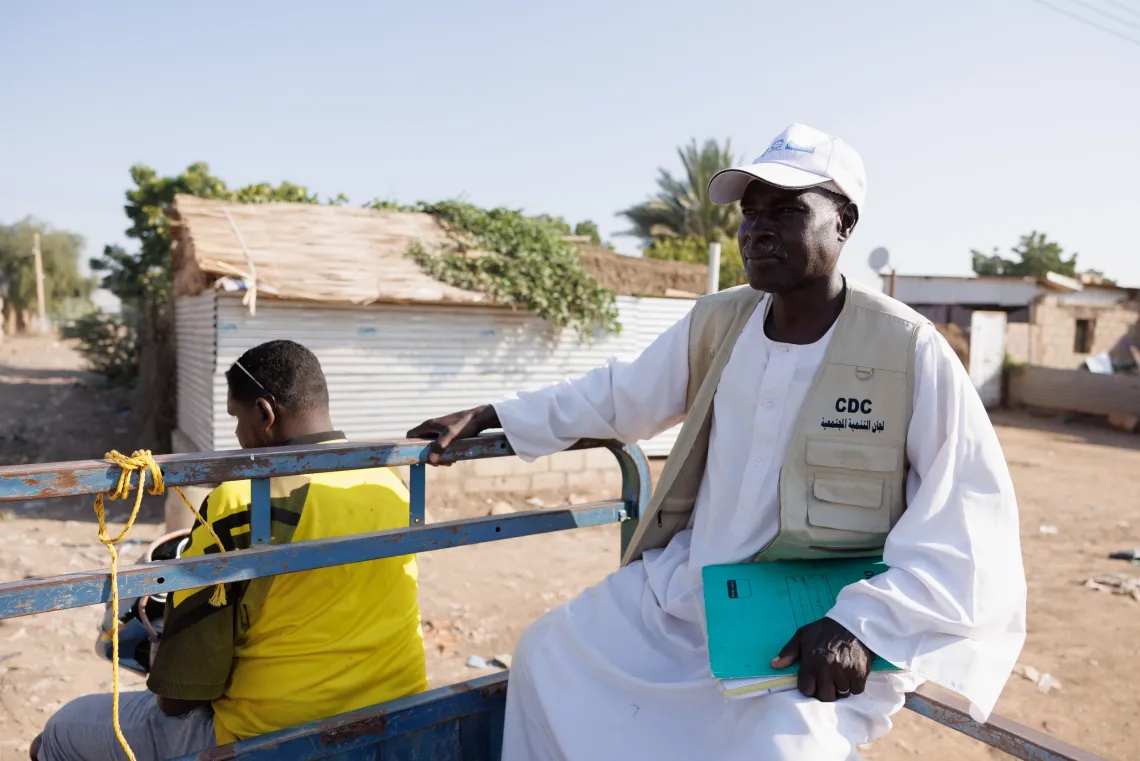
Strengthening services across sectors
Holding tightly onto the back of a motorcycle, Mohammed makes his first stop at the locality offices before heading out to communities to monitor ongoing interventions.
CDC members work closely with different sectors to improve service delivery in health, education, child protection, water and sanitation.
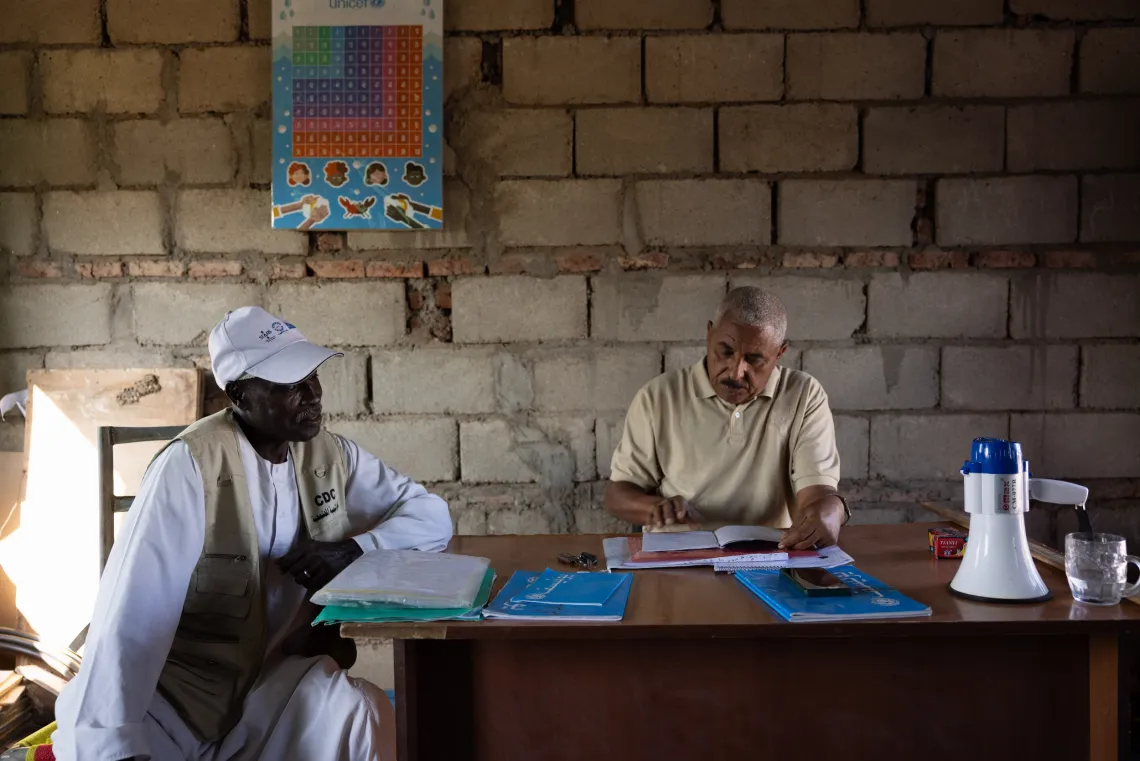
Ensuring children keep learning
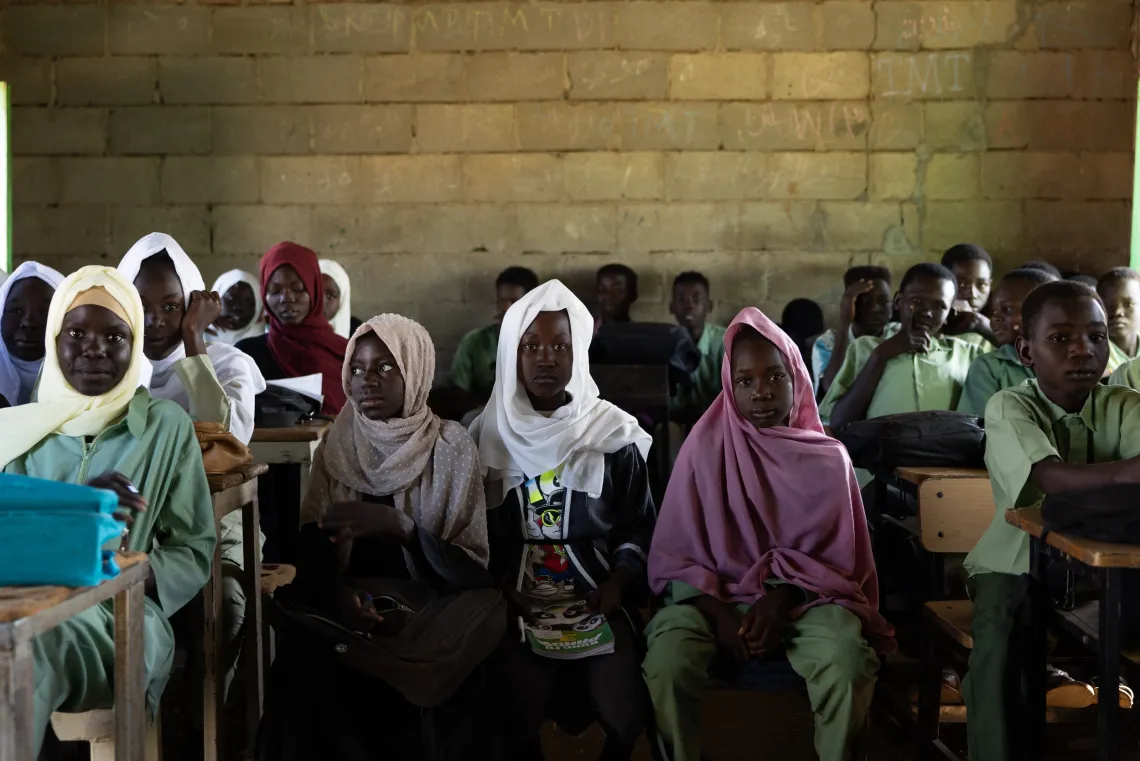
Today, Mohammed visits a nearby school that has enrolled hundreds of displaced children.
Alongside improving access to health and water, ensuring that children continue learning is a key priority for the CDC in New Halfa.
However, displacement has led to a surge in school enrolment, straining learning environments. Classrooms are overcrowded, many children lack desks, and some are forced to study outdoors.
“The number of children is very large,” Mohammed says.
At Al-Wafeq primary school, discussions with the head teacher focus on plans for rehabilitation and expansion under THABAT.
“We are seeking to divide the school into two sections – one for girls and one for boys,” Mohammed says.
While CDC members help identify community challenges and solutions, they have also received training from UNICEF on leadership, project cycle management, social accountability, record-keeping, service monitoring, planning and risk management—supporting their day-to-day work.
Listening to the community
“Our community needs many things,” Mohammed says.
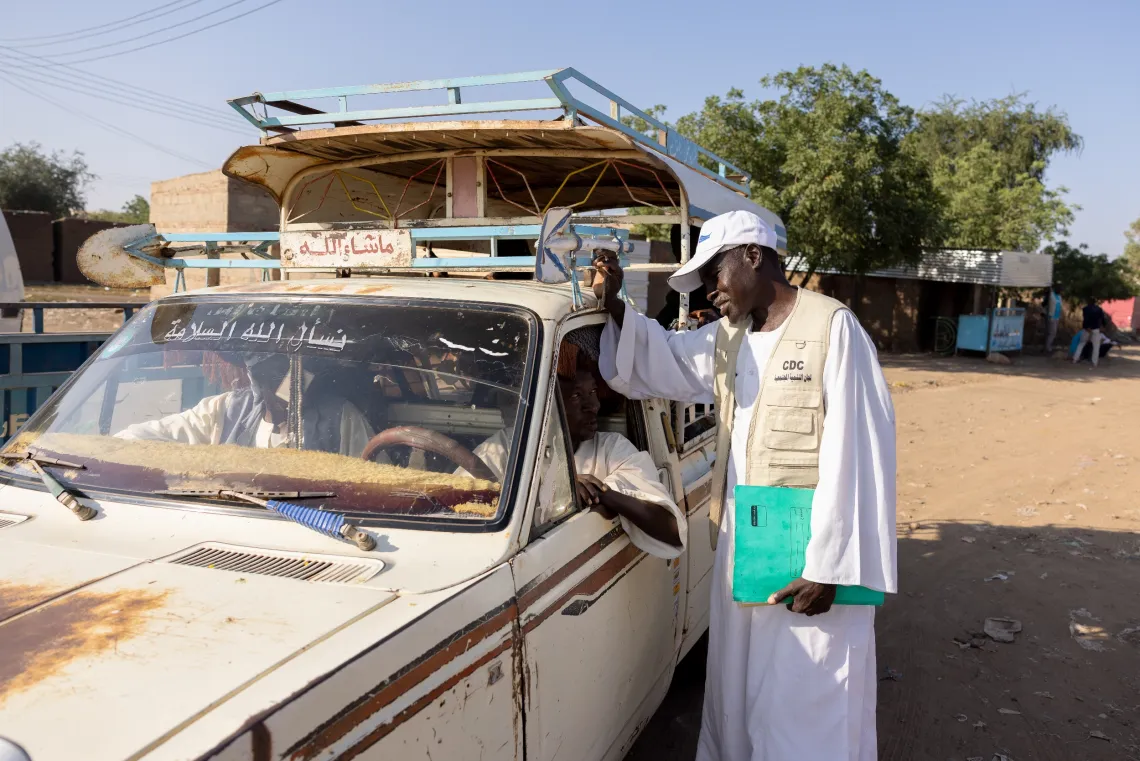
Engaging with people is part of Mohammed’s work. Through informal chats, he learns about the challenges families face.
He stops at local shops and speaks with people passing by.
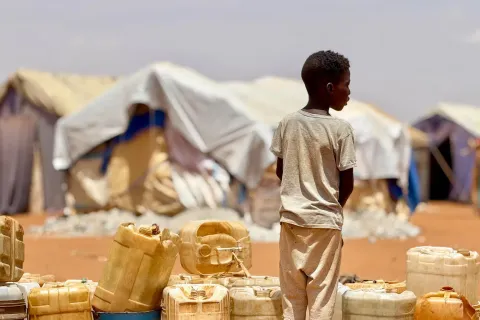
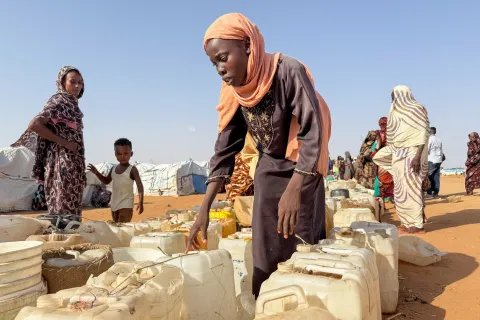
“We discussed water issues and shortages,” Mohammed highlights.
The committee is now recognized as a vital link between communities, authorities and partners, including UNICEF. Since its establishment, the CDC has led initiatives across health, child protection, education and water working closely with communities to develop practical solutions to shared challenges.
Much has been achieved but more remains to be done.
Strategizing under a tree
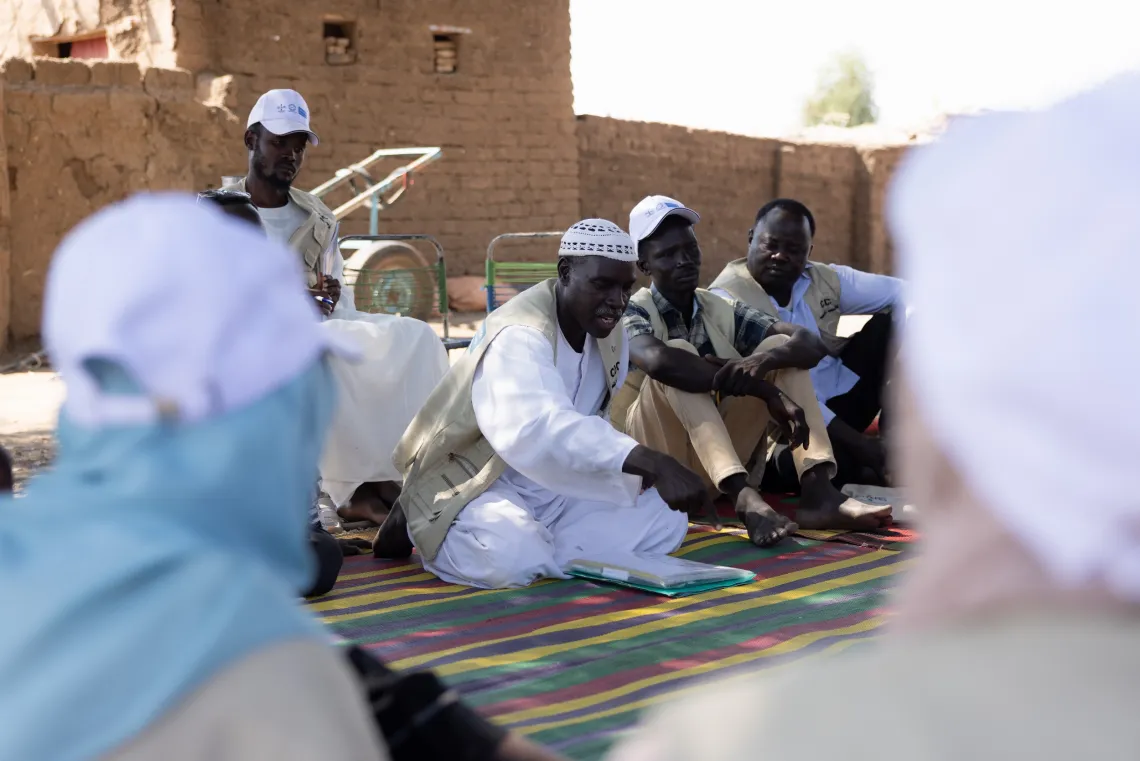
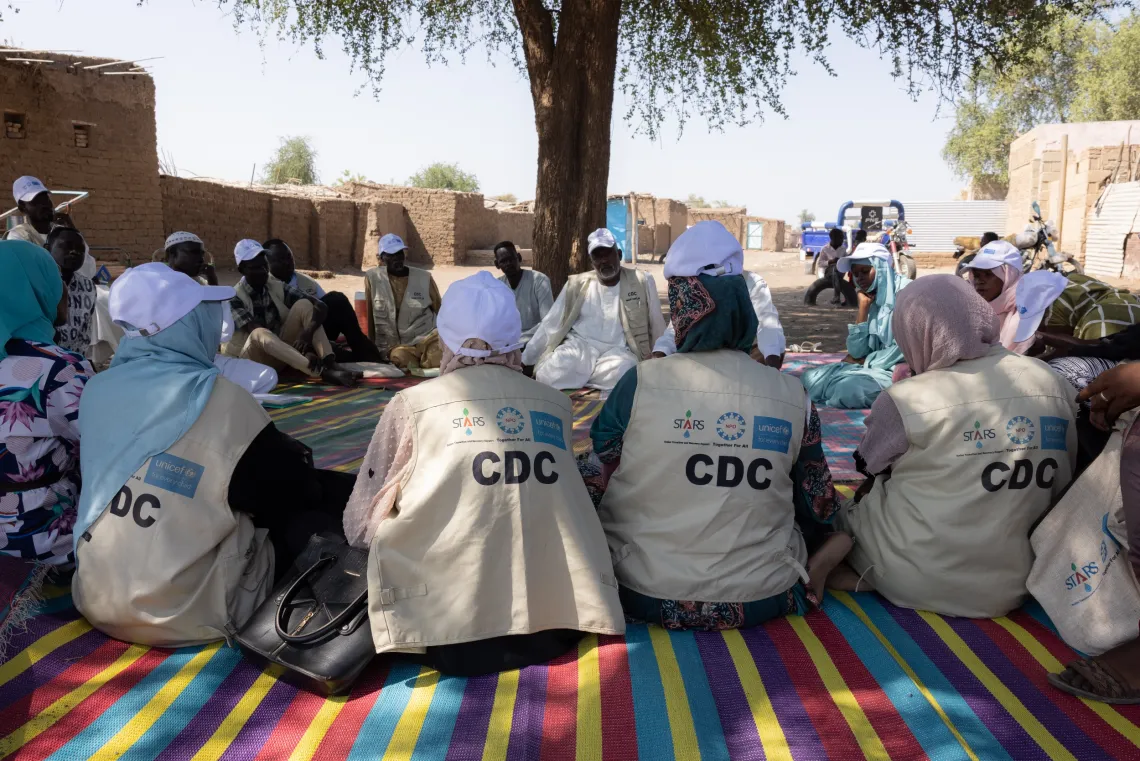
Later in the day, Mohammed joins fellow CDC members under the shade of a large tree.
Today’s focus: bringing health services closer to families through the construction of a health facility in Al-Safa neighbourhood.
“Building this health centre will be our greatest achievement,” Mohammed says.
With the nearest health facility far away, access to timely care remains a major challenge.
“When someone falls sick at night, we have no way to transport them,” one member explains.
“We need a health centre close by in case of emergencies,” adds another.
Under THABAT, solutions are developed through a participatory, community-led process.
The CDC in the Northern Community of New Halfa was established through community nominations following consultations under the THABAT project. The committee includes 30 members—women, internally displaced persons, people with disabilities, youth, and representatives of vulnerable and marginalized groups across four neighbourhoods.
This diverse structure strengthens accountability, promotes inclusive decision-making, and supports effective planning and implementation of community-driven interventions.
In New Halfa, THABAT has not only empowered the communities to lead the change they want to see, it has also enabled them to demand for their rights.
For Mohammed, community engagement is not only a daily task. It is a step towards better, more inclusive services for children and families around him.