Clean hands, healthy habits
At a school in South Darfur, handwashing lessons, safe water and dedicated teachers are helping children build healthy habits that protect them at school and at home.

At Uhud Basic School, Teacher Firdous rings the bell for the morning assembly. It is the first activity of the day before lessons begin.
Pupils rush from every corner of the school to the large assembly yard.
Today’s session is different. The school has dedicated the morning gathering to a simple but important topic – handwashing.
Teacher Firdous steps forward as the pupils listen attentively.
“Palms together. The back of the hands. Between the fingers, around the thumbs and across the fingertips.”
She demonstrates how to wash hands properly with soap and water before calling on a volunteer.
“In this school, cleanliness and hygiene are critical,” she says. “We encourage our learners, teachers and school personnel to wash their hands properly with soap and clean water.”
"This simple practice protects us from germs and keeps our school community healthy."
In the middle of the schoolyard, two large handwashing stations have been set up for the practical demonstration.
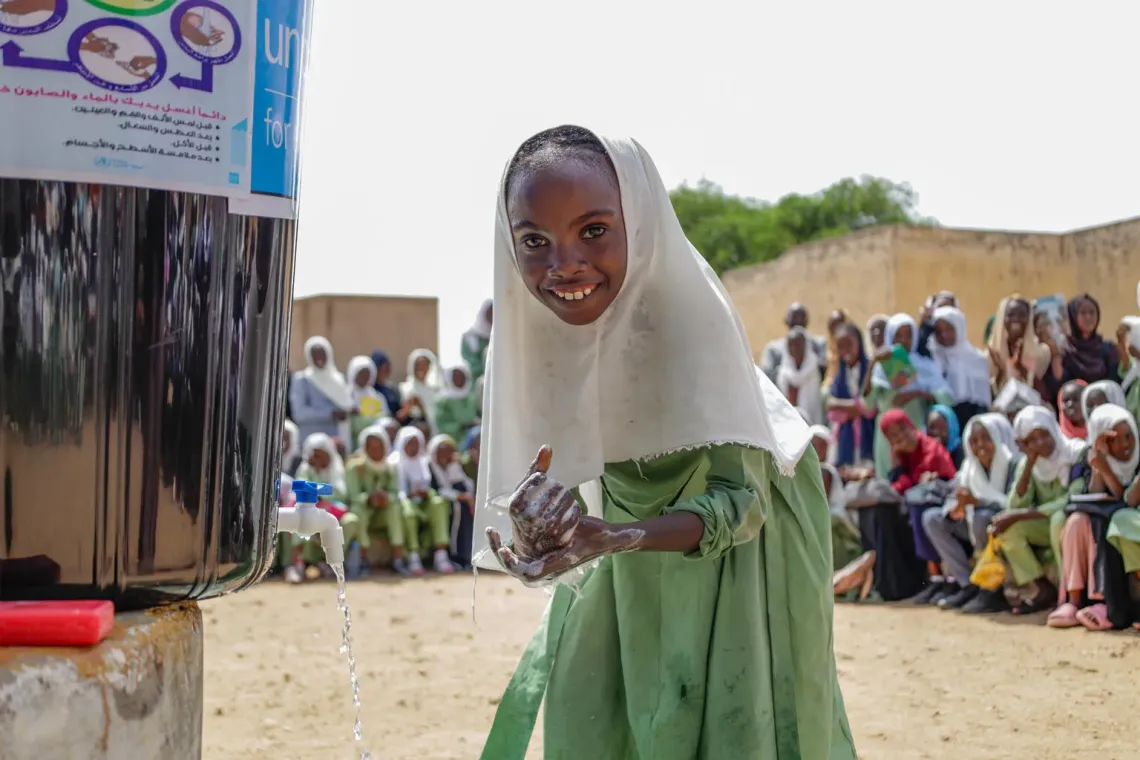
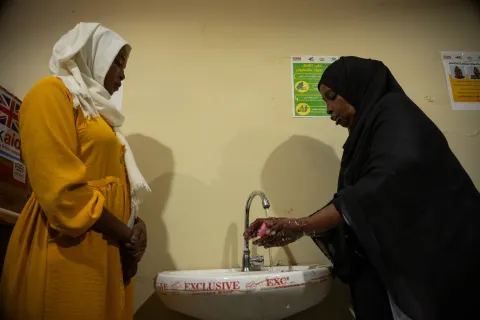
Ten-year-old Amna is called forward. At the handwashing station, she pushes back her sleeves, opens the tap and wets her hands before reaching for the soap. Following the steps demonstrated by Teacher Firdous, she carefully repeats each movement as hundreds of the pupils watch.
When she misses a step, Firdous gently demonstrates until Amna gets it right.
Small hands, healthy habits
At Uhud Basic School in Nyala, South Darfur, practical sessions like these are helping children turn hygiene lessons into everyday habits, at a time when many families have been displaced by conflict and face challenges accessing basic services.
During assembly, school leaders also reinforce messages on personal hygiene, helping children make these practices part of their daily routines.
With support from UNICEF and partners, handwashing facilities have been installed across the school, making it easier for pupils to practice what they learn. Teachers reinforce the messages through daily reminders, encouraging children to wash their hands before eating, after using the toilet and whenever their hands are dirty.
“The aim is for the children to make handwashing part of their daily routine,” Teacher Firdous says.
Water that makes a difference
But learning how to wash hands properly only makes a difference when children have water and soap to put that knowledge into practice.
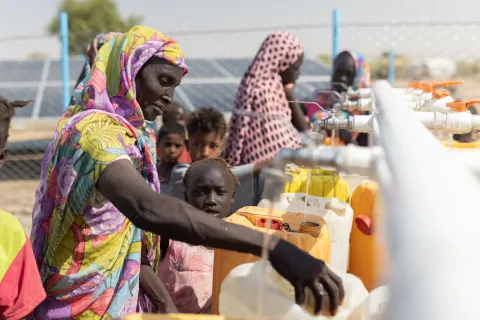
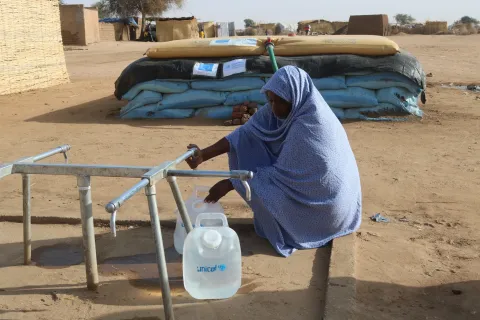
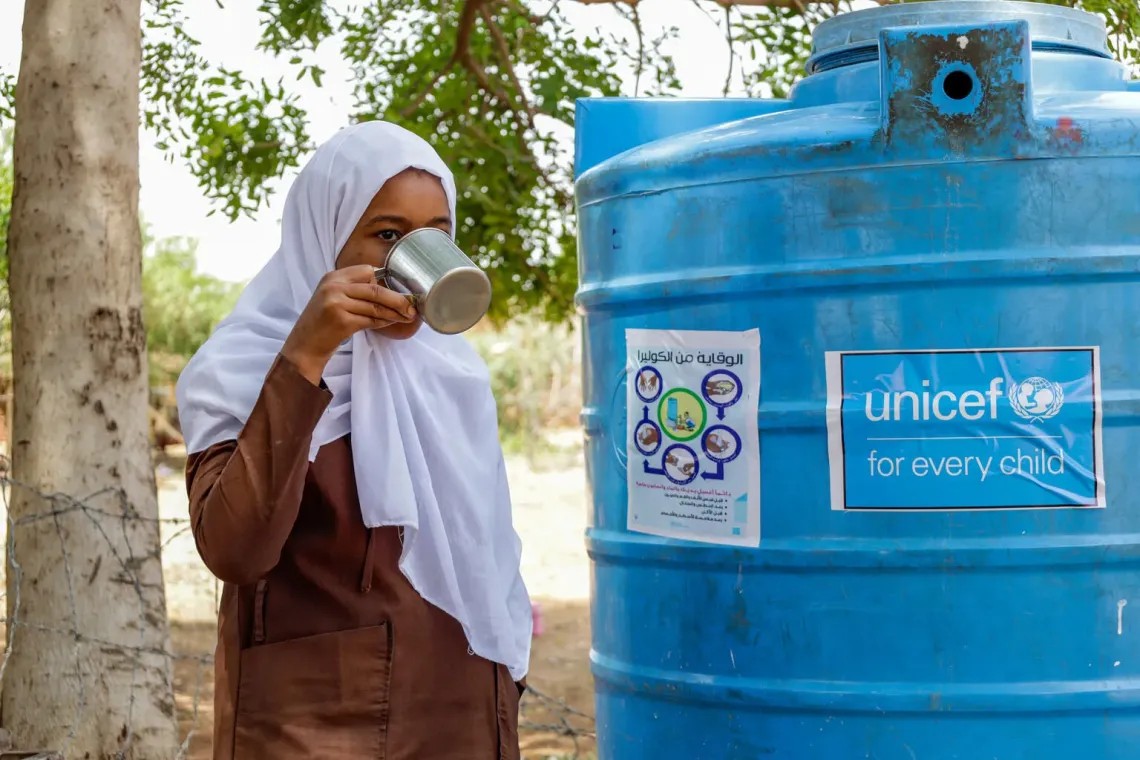
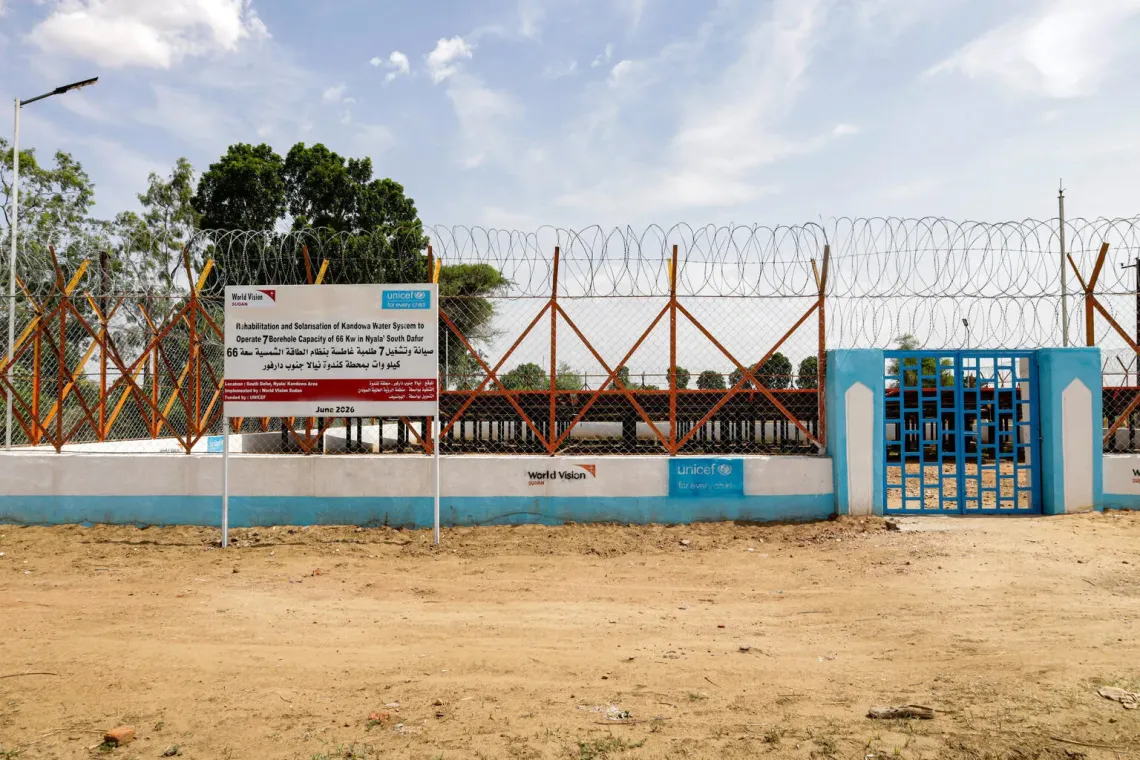
As part of UNICEF-supported water, sanitation and hygiene (WASH) interventions, the school has also been connected to a new water system, providing a reliable supply of water for drinking and handwashing.
Beyond the school, the wider water system is providing safe water to approximately 800,000 people across the area, including internally displaced people, host communities, returnees and South Sudanese refugees, as well as health facilities, public spaces and main markets.
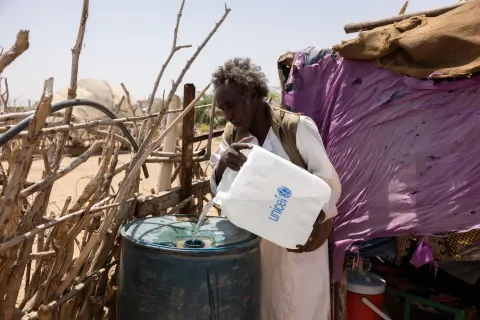
For children like Amna, access to safe water means the lessons taught during the morning assembly can become habits they practice every day.
A lesson children can take home
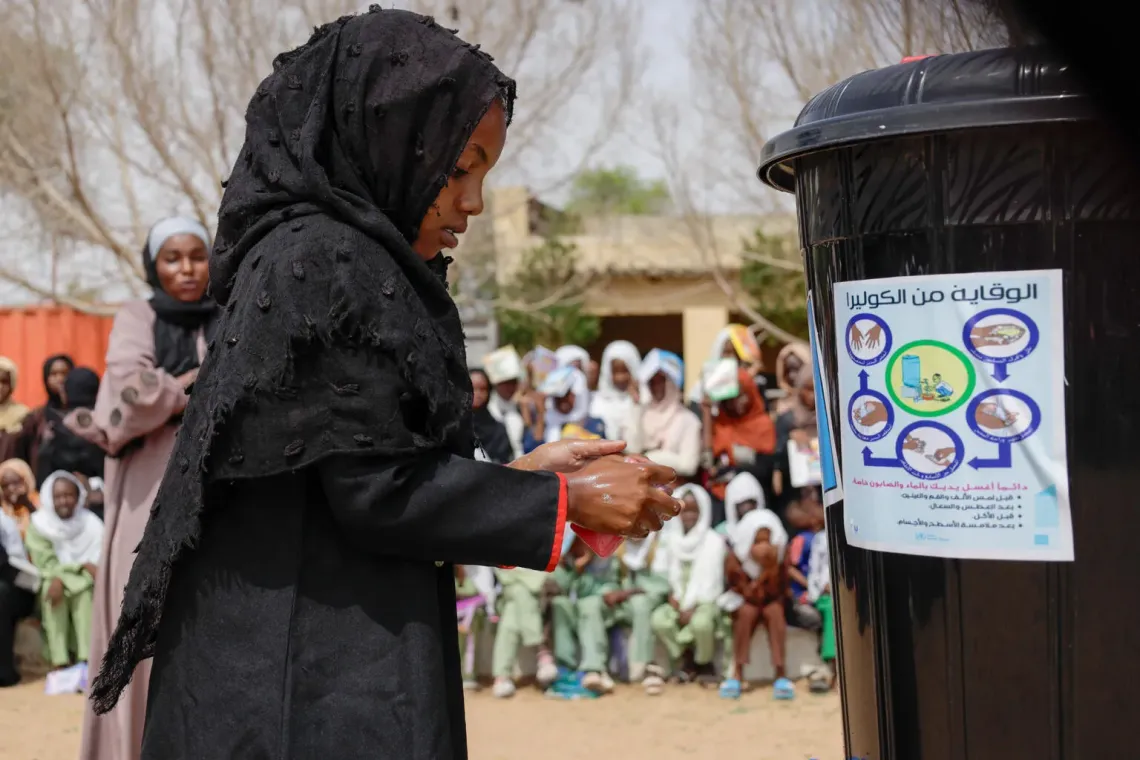
When the assembly ends, the practice continues. Across the school, children take turns at the various handwashing stations, encouraging one another and repeating what they have learned. With every wash, the steps become more familiar.
And the lessons do not stop at the school gate.
More than 700 pupils take part in the morning assembly, carrying what they learn back to their homes and sharing messages with siblings and parents.
For Amna and her classmates, handwashing may begin as a lesson at school. But with safe water, soap and the opportunity to practice, it can becomes a lifelong habit- one that helps children protect themselves, their families and their communities from preventable diseases.