When water flows again
How European Union–funded water investments are protecting children and families during the conflict in Sudan
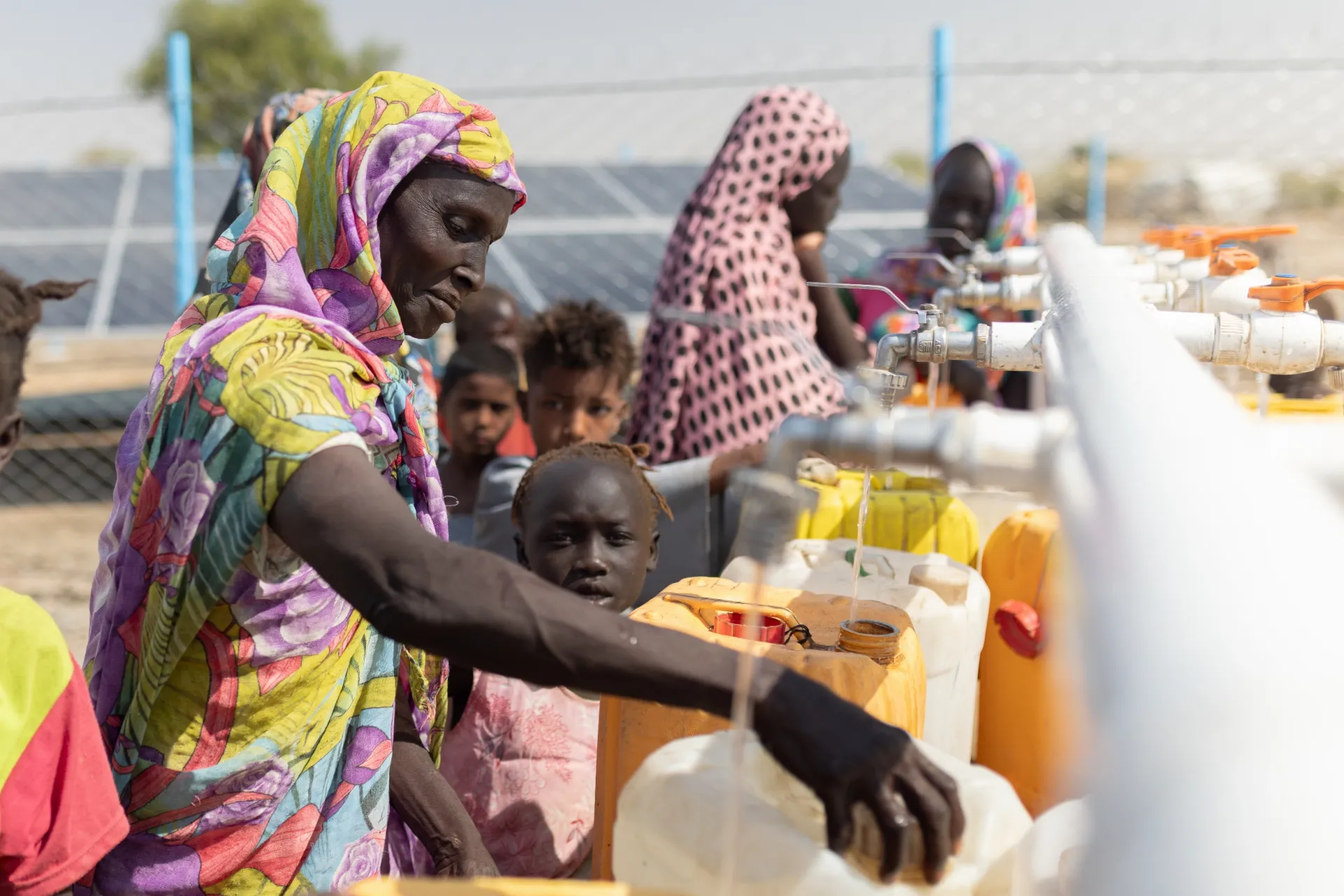
Water is a basic right. Yet for children and families affected by the conflict in Sudan, it remains out of reach.
Ongoing violence and displacement have cut millions of families off from essential services, including safe water. Systems that once served communities have been damaged or destroyed, creating severe shortages. In some areas, the pressure of displacement is straining already limited resources, leaving families with very little water for drinking, cooking or hygiene.
Without sufficient safe water, children face increased risk of malnutrition and preventable water-borne diseases, including diarrhoea, typhoid and cholera.
Across Sudan, UNICEF is working with partners to restore access to water through water trucking, treatment for safe drinking water, rehabilitation of damaged systems, and solarization to improve sustainability and yield.
In Sennar and Blue Nile states, support from the European Union is helping to change lives, reducing the daily burden of water collection and saving lives during the conflict.
This is how.
Water and a vegetable garden for Salma
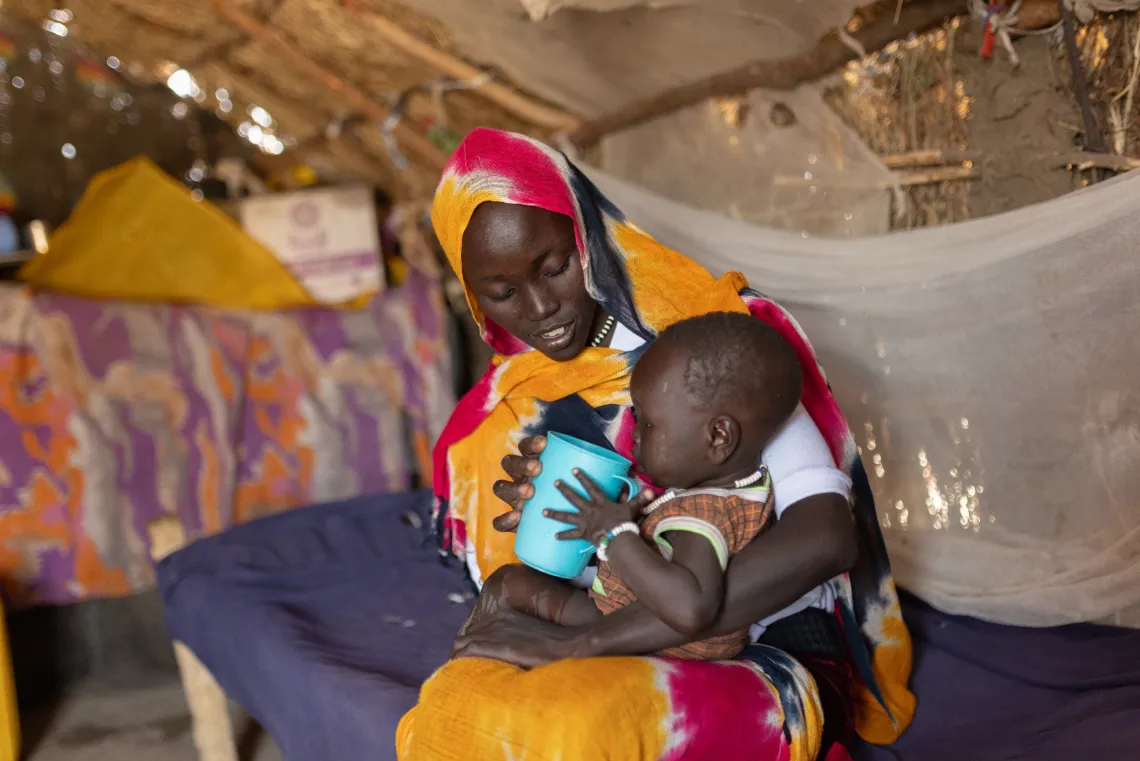
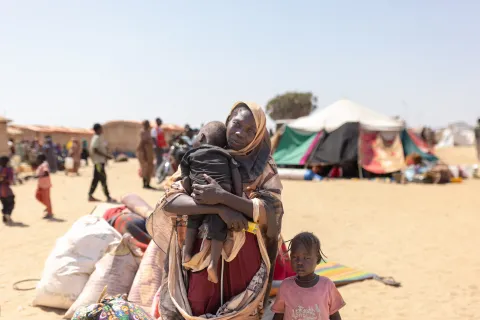
Al-Karama 8 IDP camp, in Damazine locality, is now home to more than 74,000 people, including families returning from South Sudan and those displaced by conflict. When families first arrived, the lack of water pushed them to the brink.
Salma, a mother of three, was relieved to return home but shocked to find life without water. With young children, daily survival was difficult. The nearest water source was far away, and collecting water consumed most of the day.
“We would leave in the morning and return at the end of the day,” Salma recalls.
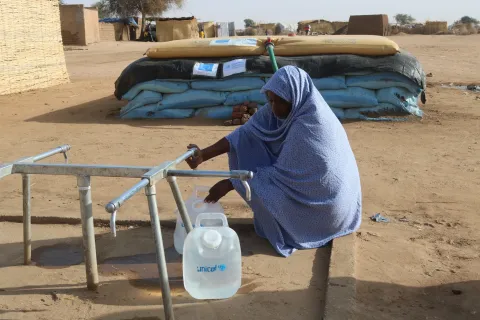
Relief came when a new water point was constructed close to her shelter, with water flowing daily.
“Today, we get water in a very short time,” Salma says.
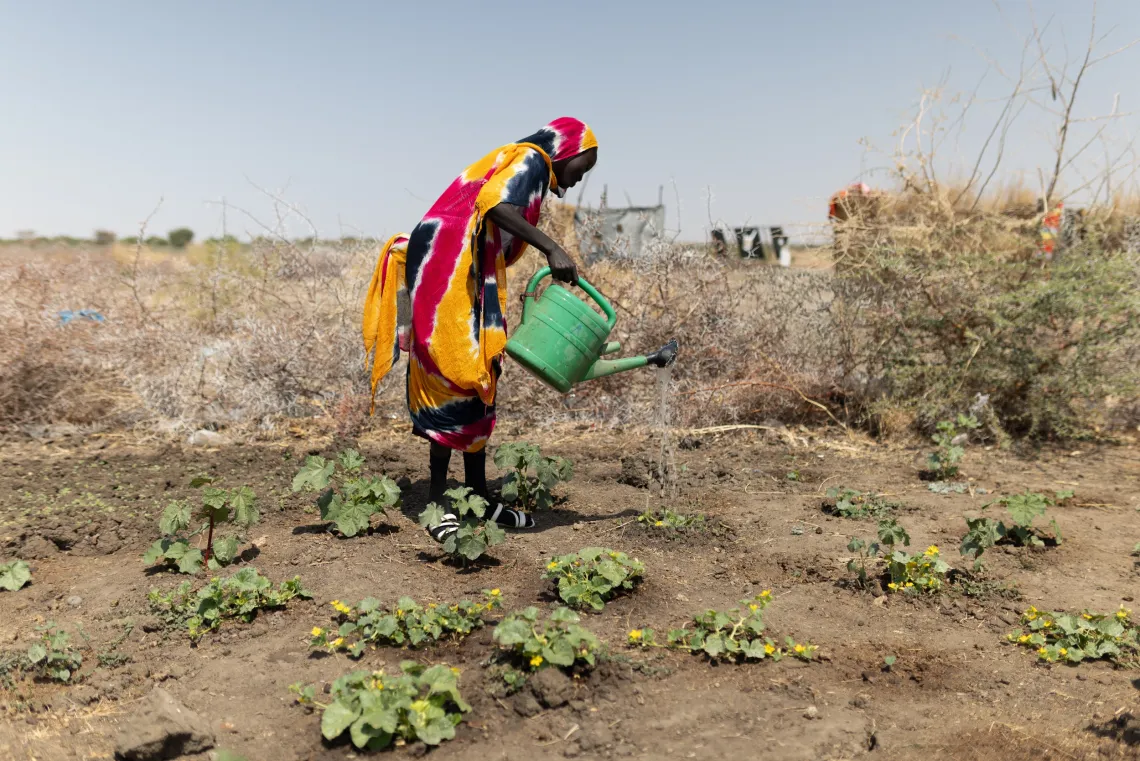
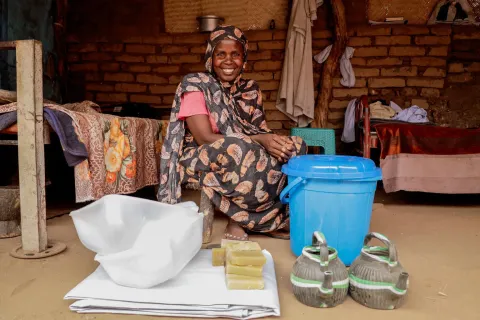
For Salma, the impact goes beyond access to water. Using runoff from the water point, she started a small backyard garden, growing watermelon, greens and okra. Despite the heat, the vegetables are sprouting and enriching the family meals and improving their nutrition.
The burden of water collection eased
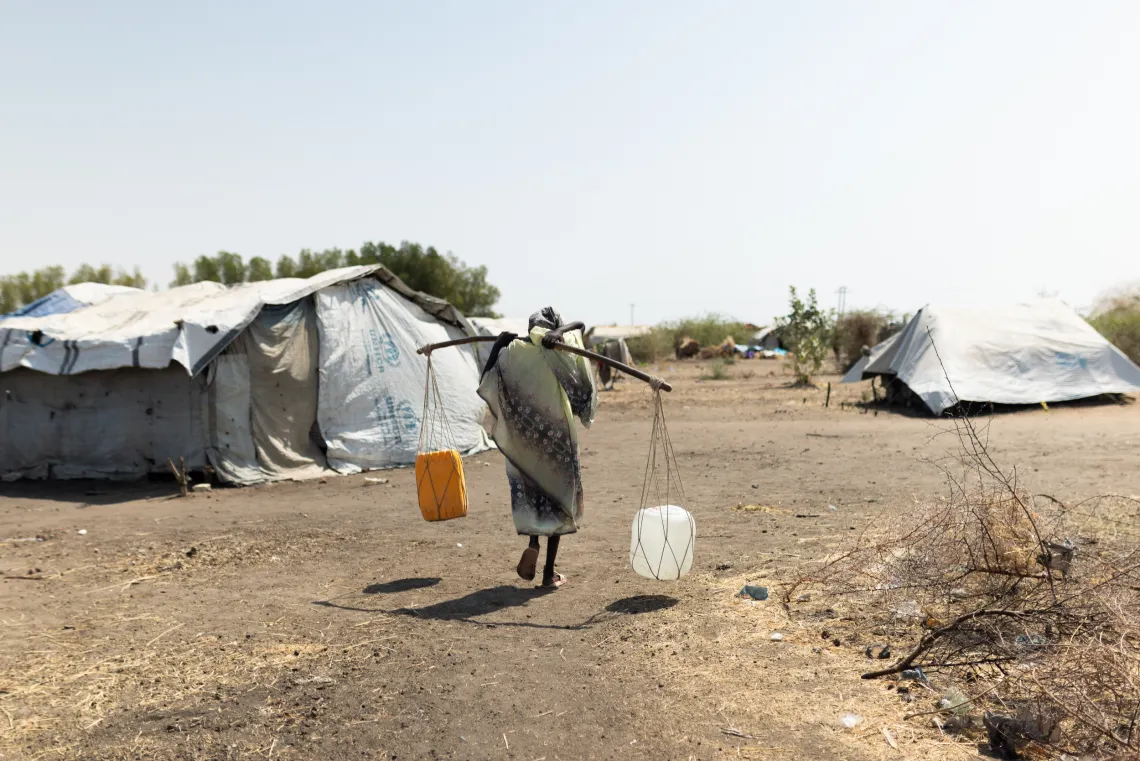
For eight months, 20-year-old Matar spent hours each day searching for water. Carrying heavy containers on her shoulders, she walked long distances to meet her family’s needs.
“We used to go to fetch water, and it would take at least three hours, then another hour to return to the camp,” she says.
“We would come back very exhausted.”
Today, with a new water point nearby, life has changed.
“Now we are not as tired as before,” she says.
“It is close to home, so I can return to my children at any time.”
Stopping cholera in Kabosh
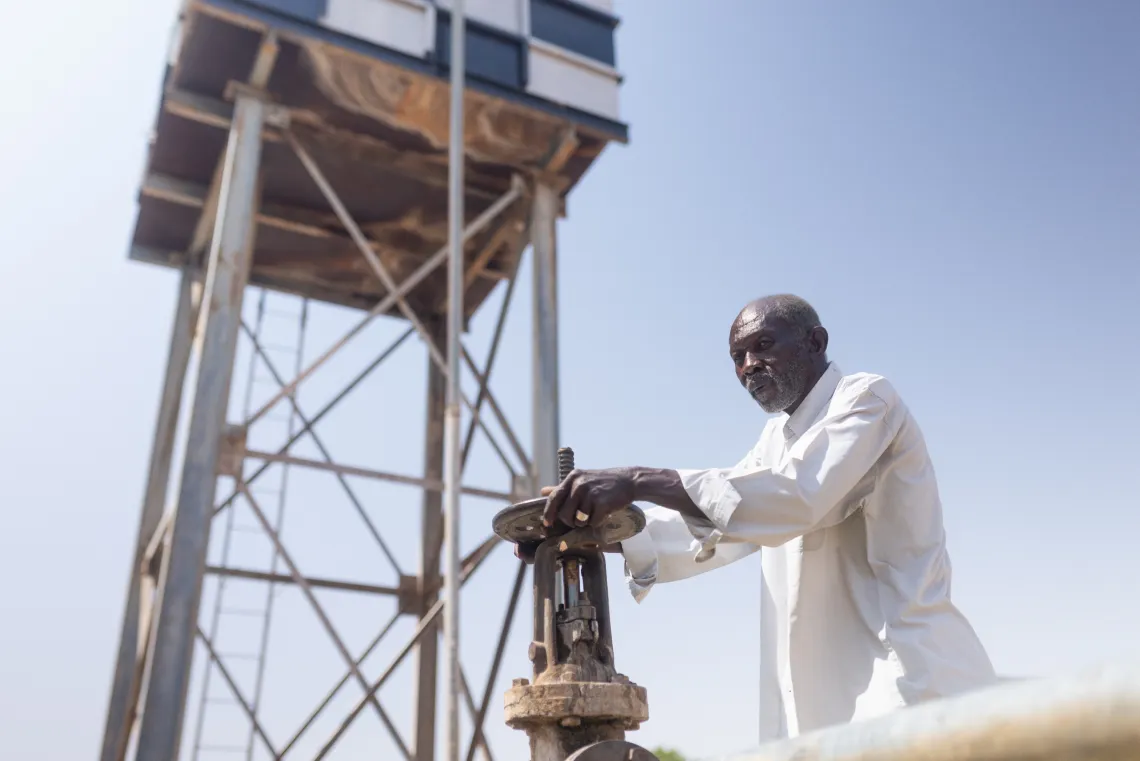
When conflict subsided in Sennar, families began returning home only to find destroyed infrastructure, including water systems. With no safe alternatives, many relied on a nearby water canal. The water was contaminated, shared with animals, and used for bathing and washing.
“We filtered the water with our clothes and thought it was clean,” said Musa, a father.
Soon after, a cholera outbreak was confirmed in Kabosh, turning the area into an epicenter of diseases that claimed hundreds of lives in 2025.
At the new rehabilitated and solarized borehole supported by UNICEF, members of the WASH committee gather to reflect on those difficult days.
“People were dying almost every minute,” recalls Sumaya, a WASH committee member.
“Before we could return from one burial, we were called to another.”
The only borehole serving the community had collapsed. With support from UNICEF, it was restored and solarized, improving access to safe water for households and schools, and helping to contain the outbreak.
As families continue to return, water needs remain high.
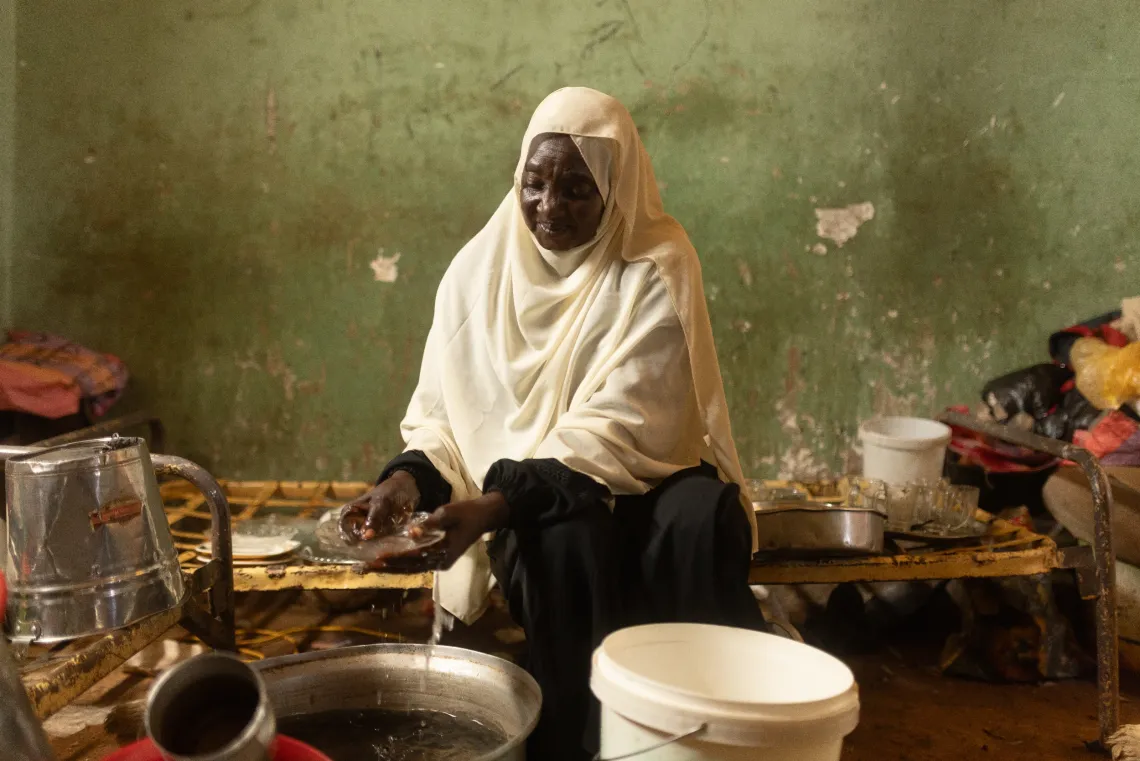
“If water is not enough, cholera will return,” Sumaya warns.
“We need sufficient water to prevent outbreaks.”
Together with partners, UNICEF continues to rehabilitate systems and chlorinate water to ensure safe access.
Water powered by the sun
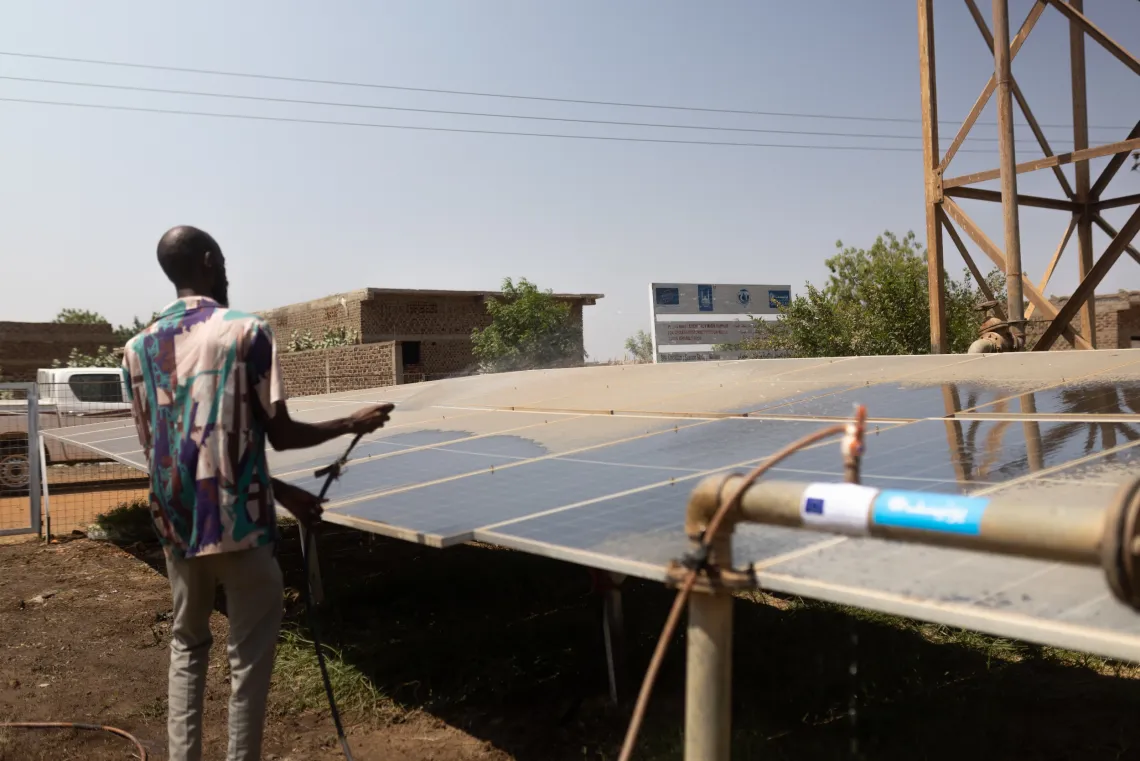
In Mayirino village, water now flows with the sunrise.
For more than five years, the community lacked access to water after the collapse of its only borehole. The situation worsened during the conflict, forcing families to rely on contaminated water from the Nile.
Today, a rehabilitated and solarized borehole supplies water to more than 700 households and three nearby schools.
“As long as the sun is up, we have water,” says Abdulrahman, a resident.
“Water has solved many of our problems and reduced disease,” adds Suleman, a pharmacist and community member.
Through local WASH committees, families are also learning improved hygiene and sanitation practices to prevent illness.
A game changer for schools
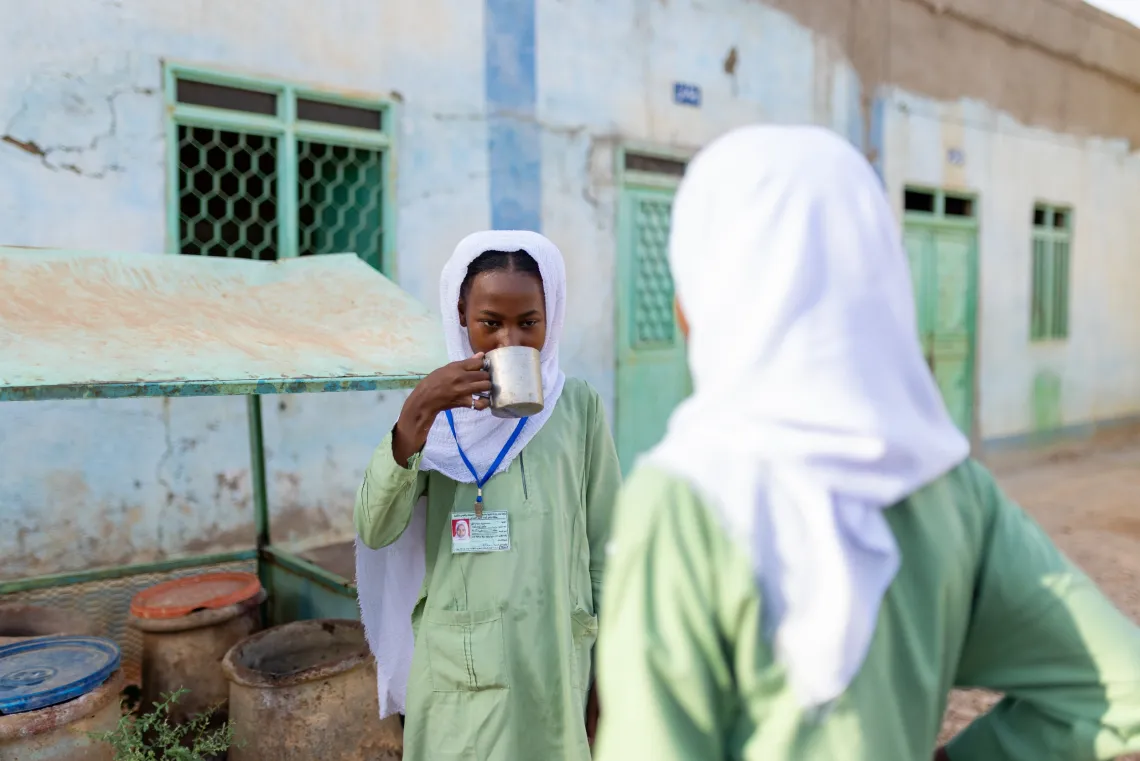
Access to water has also transformed Somia Bent Elkhaxat Girls’ School, improving conditions for more than 700 pupils.
Previously, the school relied on just two barrels of water per day, barely enough for drinking.
On examination day, pupils arrive early, some after long walks from home. Now, clean drinking water is available in large clay pots placed across the school compound.
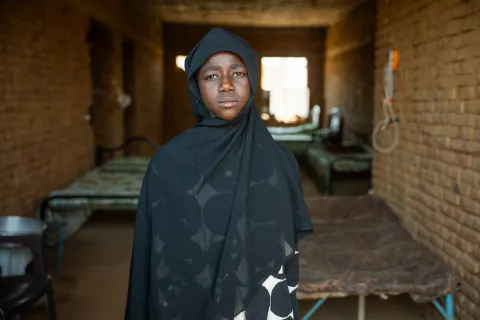
“When water came to the school, we were very happy,” said 15-year-old Mazafer.
“At least we can now drink water at here. Before, I missed it a lot.”
Hawa, 15, also quietly shares.
“For me, water means cleanliness. If you don’t have water, you will struggle to stay clean,” she mentions.
“Before, we couldn’t use the bathroom or drink water unless you brought water from home.”
In addition to clean water, UNICEF has constructed latrines, improving sanitation, safety and dignity for girls.
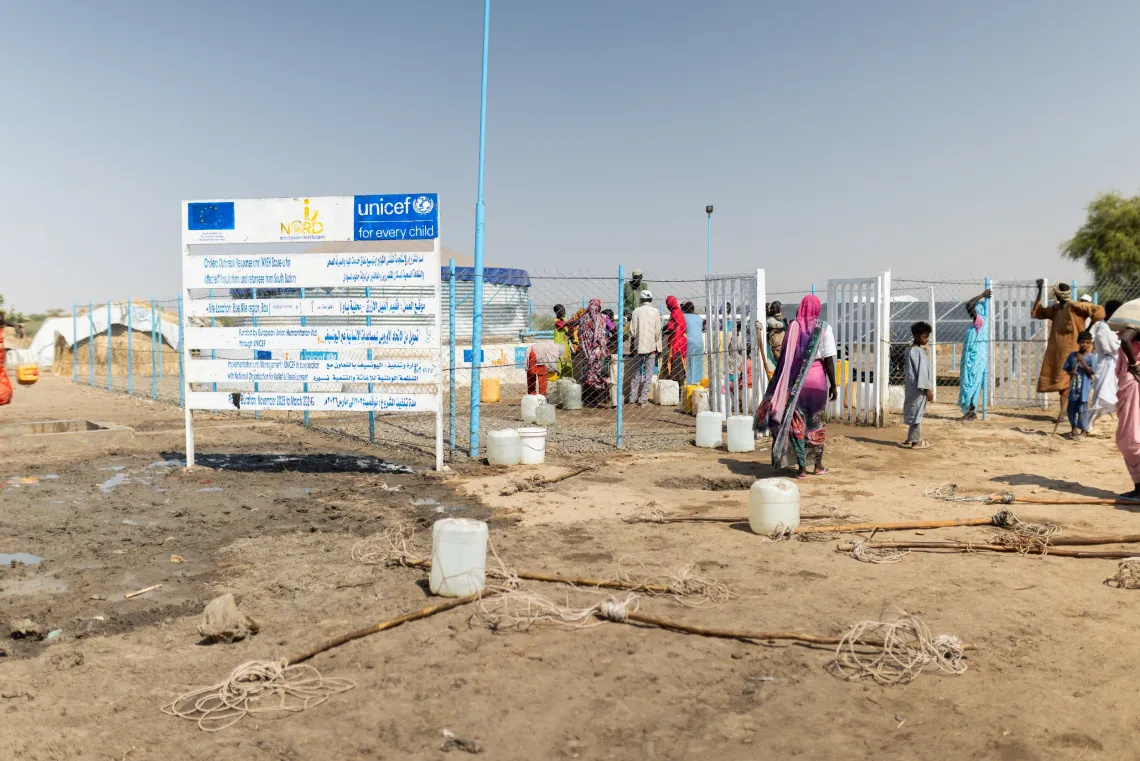
In Blue Nile and Sennar states, support from the European Union is helping families survive, recover, and rebuild. Even amid conflict and displacement, sustained investment in water is proving to be a foundation for health, resilience and hope for children and their communities.