Protection from cervical cancer
All you need to know about the HPV vaccine and the school-based vaccination campaign
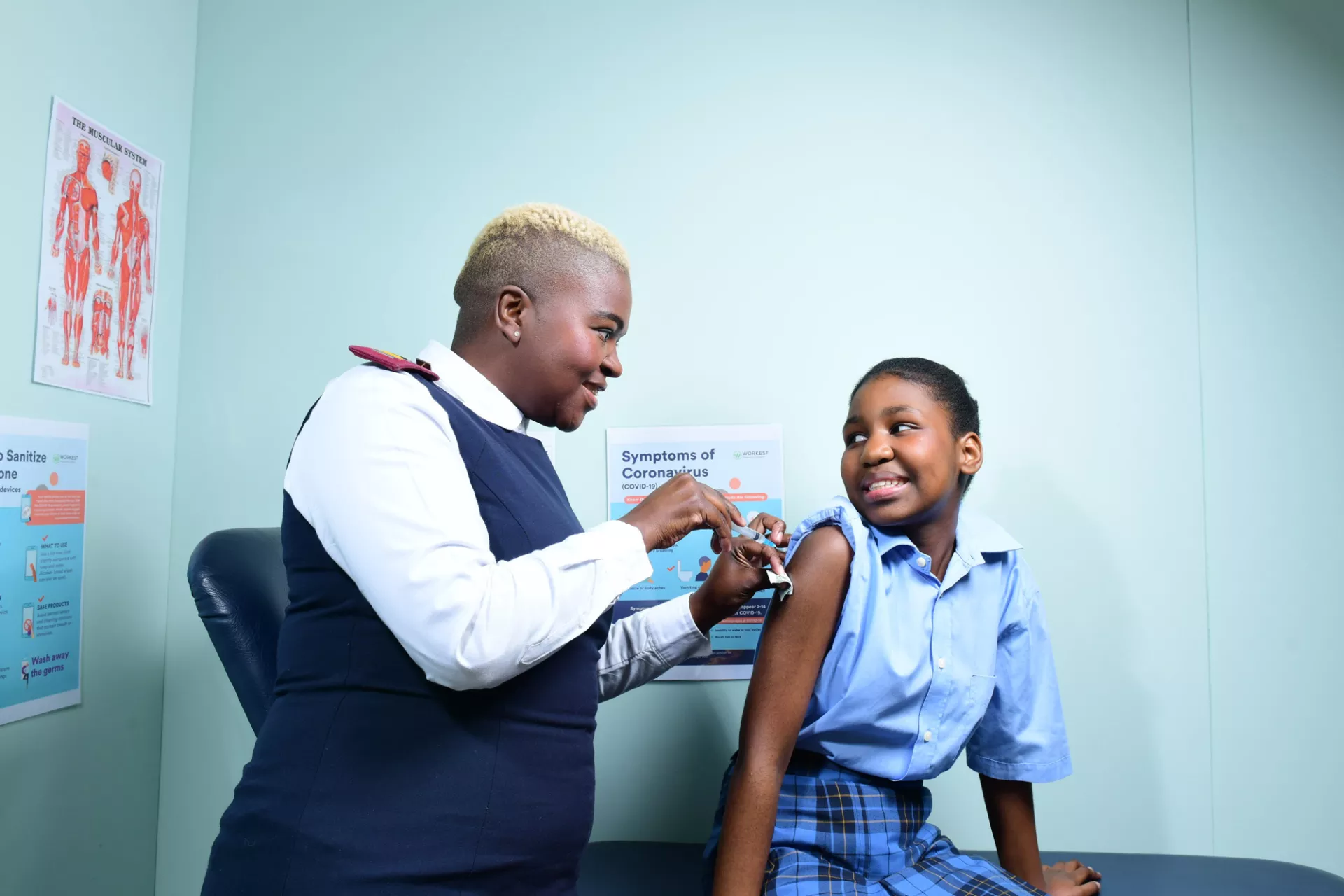
What is cervical cancer and HPV?
Human Papilloma Virus (HPV) Vaccination drive
In 2026, the South African government expanded free vaccinations against HPV to girls in both public and private schools, including special independent schools.
Ensure you have completed your child’s vaccination consent form. Without consent from a guardian, girls will not be able to receive their free HPV vaccination. Schools will provide qualifying learners with consent forms to take home for their parents to complete. For more information contact your child’s school.
Cervical cancer is the second most common cancer among women in South Africa, after breast cancer. It is the leading cause of cancer deaths among women in South Africa, particularly among adolescents and women aged 15 to 44.
Over 5,700 new cases of cervical cancer are reported each year in South Africa, with most of these cases being fatal.
Cervical cancer is mainly caused by the infection of the cervix by the Human Papillomavirus (HPV), which is sexually transmitted. The cervix is the lower part of the womb.
Infection with the human papillomavirus (HPV) significantly increases the risk of developing cervical cancer later in life. There is no treatment for the virus itself, but there are treatments for the health problems that HPV can cause. The risk of infection and developing cervical cancer is much higher for girls and women living with HIV. Getting the HPV vaccine protects girls now and ensures that they remain protected from cervical cancer later in life.
Frequently asked questions about HPV answered
Frequently asked questions about HPV answered
Vaccination against HPV is the most effective prevention method against cervical cancer. Prevention and control of cervical cancer is part of a broad-based Sexual and Reproductive Health (SRH) programme implemented by the national Department of Health.
The World Health Organization recommends that the HPV vaccine is administered to girls between the ages of 9 and 12, before they are sexually active and therefore exposed to sexually transmitted infections (STI) like the HPV virus.
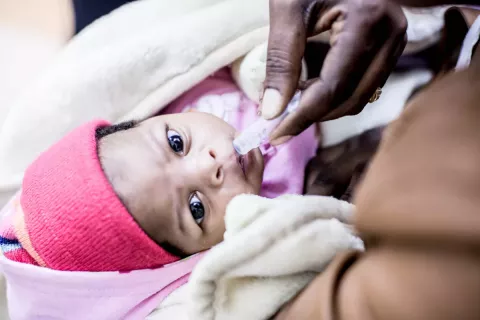
The HPV vaccine is administered in two doses, about 6 months apart. It is most effective in preventing the types of HPV that are the most common causes of cervical cancer and is safe for use.
The HPV vaccine used in South Africa is very safe and effective in preventing the HPV-16 and HPV-18 strains of the virus, which cause most cases of cervical cancer. Millions of girls have received the HPV vaccine without any serious side effects.
In 2026, the South African government expanded free vaccinations against HPV to girls in both public and private schools, including special independent schools through the Integrated School Health Programme.
Health officials from the Department of Health visit government schools to carry out the HPV vaccination campaign.
For a child to receive their vaccination, and be protected against cervical cancer and measles, parents or caregivers need to fill in and sign the consent forms which they will receive from their child’s school. No girl will be vaccinated without parental consent.
For more information contact your school or your health care provider, or the National Health Hotline 0800 029 999
For further information about cervical cancer see the World Health Organisation
HPV (human papillomavirus) is a common sexually transmitted infection, which affects most people at some point in their lives. There are many different types of HPV. Some types cause health problems including genital warts and cancers. But there is a vaccine that can prevent these health problems.
Both women and men who are sexually active can get HPV. The most common mode of transmission is through sex, but it can also be transmitted through any form of skin-to-skin contact and from mother to child. HPV can be passed even when an infected person has no signs or symptoms.
No. The HPV infection cannot be seen and, in most cases, there are no visible signs.
If you are pregnant and have HPV, you can get genital warts or develop abnormal cell changes on your cervix. Abnormal cell changes can be found with routine cervical cancer screening. You should undergo routine cervical cancer screening even when you are pregnant.
No. HPV should not be confused with HIV. They are both viruses, but they are completely different in how they affect the human body.
HPV can cause cervical cancer and other cancers including cancer of the vulva, penis, or anus. It can also cause cancer in the back of the throat, including the base of the tongue and tonsils.
Cervical cancer is a cancer that affects the cervix, which is the lower part (known as the mouth) of the womb. According to the South African Medical Research Council, cervical cancer is the leading cause of cancer among women aged 15 to 44 years in South Africa. Cancer is when abnormal cells in the human body start to grow very quickly and cannot be controlled by normal body processes. Over time, normal cells are replaced by cancer cells, and without early diagnosis and treatment the person may die.
This depends on what is called the stage of the disease. Women with early-stage cancer may not experience any signals of disease. In these cases, a special test is required to detect if a person has early signs of developing cervical cancer, called a cervical screening test. The cells from the cervix are collected and sent to a laboratory for testing and confirmation. In the later and progressive stages of the disease, women may start experiencing abnormal bleeding, vaginal discharge, bleeding after intercourse, and loss of control of urine.
The HPV vaccine is safe and most effective when provided from age nine or before girls become sexually active. In South Africa, the HPV vaccination was approved by the South African Health Products Regulatory Authority in 2008 for its efficacy and safety.
No. The vaccine is non-infectious, and you will not get HPV infection through vaccination.
The HPV vaccine is important to protect against HPV infection that could lead to cervical cancer later in life.
Two doses (a minimum of five months apart) are offered free of charge to girls 9 years and older in special schools or in Grade 5 to be fully protected.
Possible side effects include:
- Pain, redness, or swelling in the arm where the shot was given
- Fever
- Dizziness
- Nausea
- Headache or feeling tired
- Muscle or joint pain
Yes. Parents or caregivers need to provide signed consent for the vaccination of the girls. For consent to be valid, it must be informed, understood and voluntary, and the person consenting must have the capacity to make the decision.
This vaccine is most effective if provided before a person is exposed to the (sexually transmitted) virus. It is registered for use in boys and girls from the age of nine. As the entry requirement for Grade 1 is 6 years, most girls in Grade 5 will be between 9 and 11 years old. Therefore, Grade 5 has been identified as the most suitable grade to commence the vaccination.
Trained teams of healthcare workers will be administering the vaccination.
HPV vaccines are available in the private sector from a doctor or pharmacy. However, they are not free of charge. If she is already at risk of having contracted HPV, it is recommended that she has routine screening tests.
The school-based HPV vaccination campaign is currently available to girls only. However, boys aged 9 and older, are encouraged to get the HPV vaccine and caregivers should approach their general practitioner to find out more.