Green Rising Challenge amplifies youth-led climate action in South Africa
Youth taking climate action for safer, healthier environments for children

Poor waste management and illegal dumping remain persistent challenges in many South African communities, intensifying during the festive season when consumption of food items increases, and municipal services are stretched.
The impact is felt most by children, whose health and safety are closely linked to the quality of their surroundings.
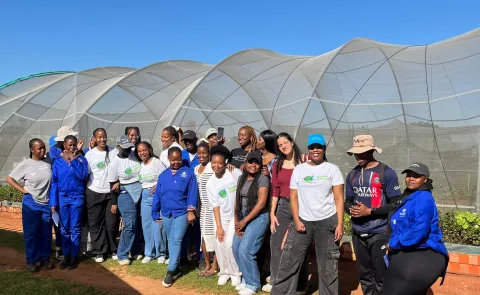
Rather than waiting for solutions, young people across the country took up UNICEF’s Green Rising Clean December Challenge, organising clean-ups, advocating for safer environments and engaging local stakeholders to address waste management gaps in their communities.
The Green Rising Clean December Challenge was designed around a simple principle: young people already know what needs to be done. What they often lack is access to resources, platforms and recognition.
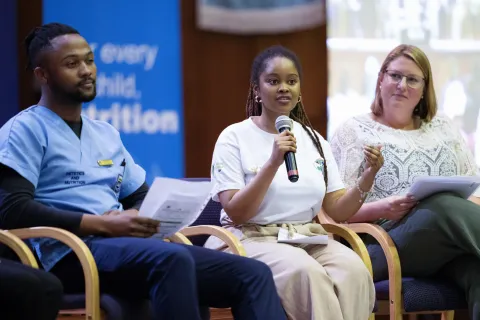
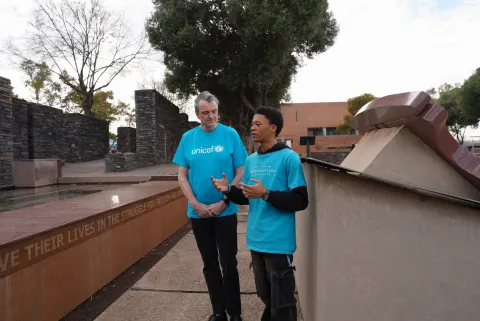
Through UNICEF South Africa’s U-Report and Youth Agency Marketplace (YOMA), young volunteers turned their ideas into action through access to training, documenting environmental risks through citizen science and mapping, and unlocking practical support to carry out their work.

More than 350 young people across all nine provinces took part in the challenge as lead volunteers, mobilising local teams and designing activities shaped by their own community realities.
Their work extended beyond litter collection. The Alexandra Water Warriors, in Gauteng took on river monitoring to reduce pollution and flooding risks, Retsa Tsela in Potchefstroom cleared invasive plant species at schools, and others organised workshops linking environmental protection to children’s rights and community wellbeing.
In many areas, youth leaders engaged directly with municipalities to run recycling workshops and use evidence gathered through mapping to advocate for improved waste services.

Manti Khaosane, from Vredefort, Free State Province, reflected on the impact of these engagements:
“Our councillor was deeply touched by the UNICEF Initiative, which also assisted us in engaging the Director of Community Services to secure the trees we planted. Furthermore, we identified underprivileged individuals within our group, and he went the extra mile to ensure that they received Christmas grocery parcels.”
Building leadership, skills and opportunity
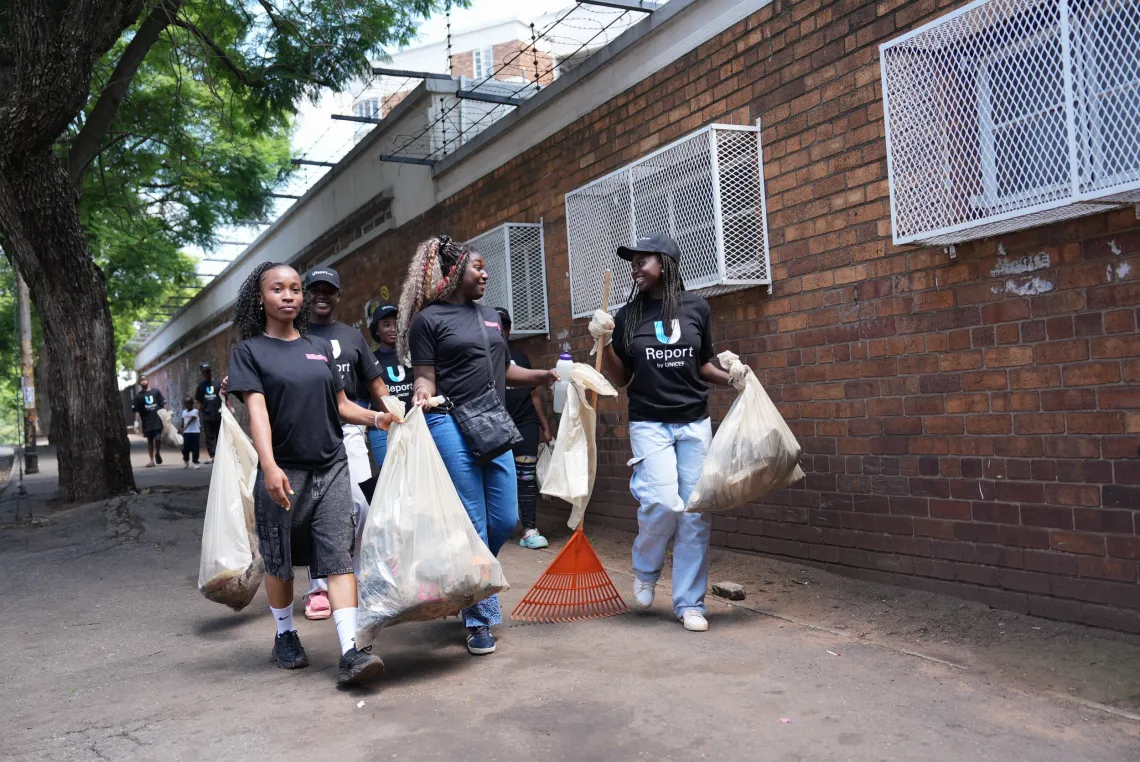
The Clean December Challenge did more than improve local environments. It strengthened youth leadership, organisation and advocacy skills from coordinating teams to engaging decision-makers and documenting impact.
Through YOMA, many young people continue to access learning-to-earning opportunities, building skills relevant to climate action, civic engagement and the green economy.
The challenge showed that responses to the climate crisis are already underway and are led by young people in their own communities. When institutions choose to partner with youth, provide trust and resources, and amplify their voices, young people deliver solutions that protect children’s rights, strengthen communities and safeguard the environment for generations to come.