

Power of Play
Play isn’t just fun – it’s essential for every child’s development
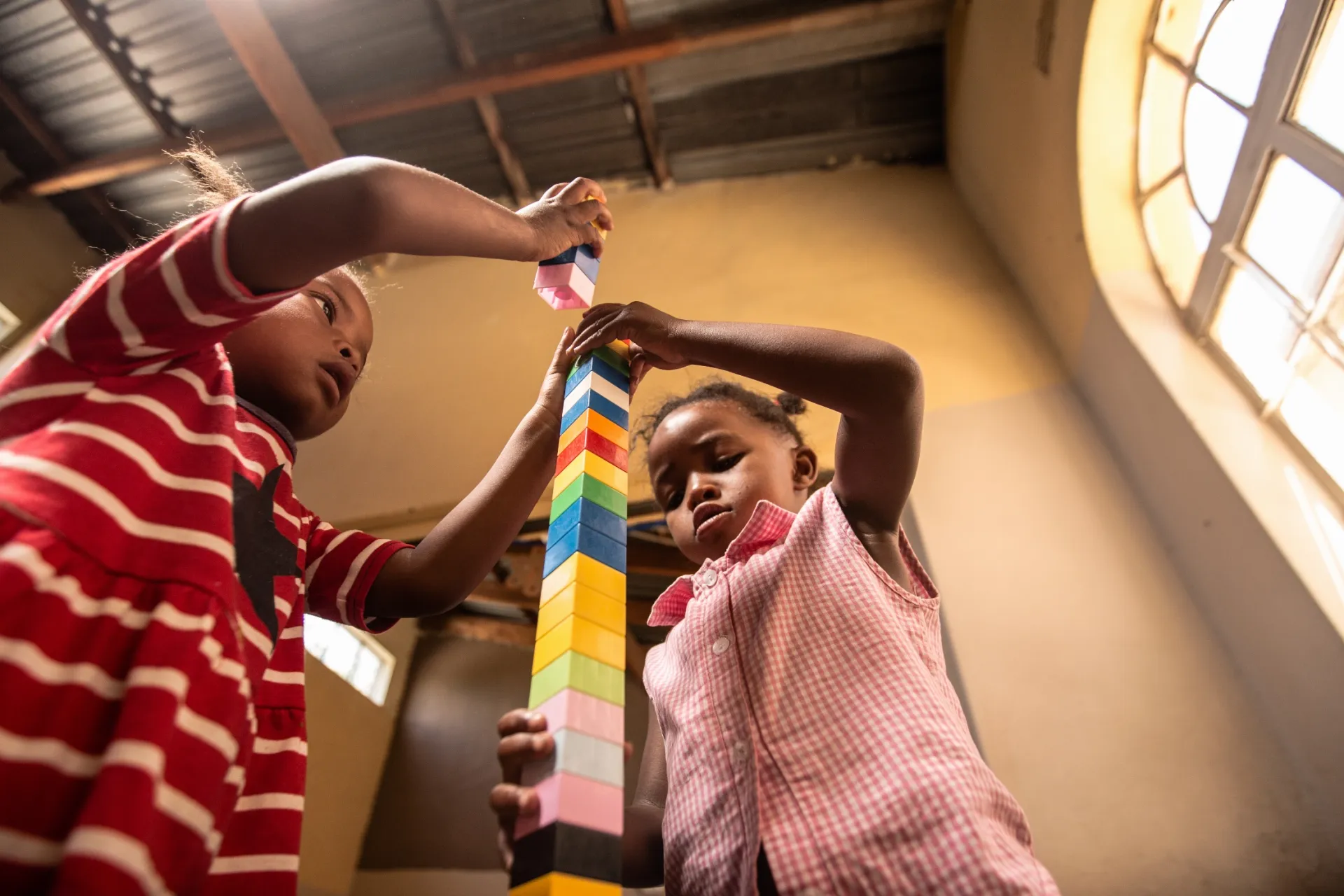
When children play, they’re learning lessons that last a lifetime.
The brain thrives on experiences that establish new neural connections and pathways and play is the best way for infants and young children to pursue their natural curiosity, learn and grow.
Much of the ingenuity, creativity and tenacity that propels our world forward, starts in childhood – through play. But despite its holistic benefits, play is often undervalued and this needs to change.
That’s why every year we celebrate the International Day of Play: the right to play, for every child.
11 June is International Day of Play
International Day of Play is a time to celebrate the power of play. It’s a time to raise awareness about how central play is to every child’s development and well-being. And it’s a time when we can come together to make sure that every child is able to fulfil their right to play.
What is the theme for International Day of Play 2026?
The theme for this year’s International Day of Play is “Protect play, protect childhood”. The theme is a reminder for all of us – governments, businesses, schools and families – that happy and healthy childhoods are built on play.
How can I get involved?
You'll be able to take part wherever you are – whether it’s trying out new play ideas with your children or helping raise awareness with your friends, families and networks about the power of play.
And remember, there's no need to wait until 11 June – every day is an opportunity for playful moments!
When was International Day of Play established?
In March 2024, the United Nations General Assembly adopted a resolution establishing 11 June as the International Day of Play to champion and protect this right. On behalf of the United Nations, UNICEF and UNESCO facilitate the annual observance to raise awareness about the importance of play.
In 2024 and 2025, the Power of Play campaign reached communities around South Africa. Read more:
Play makes the whole family happier
Research shows that families who play regularly are happier, healthier and less stressed. There is no “one way” to play. And when you look at household objects through a child’s eyes, anything can be a plaything – Kulula Ukudlala so Choose Play!
Play isn’t another thing to do, it’s another way of doing things.
Why is play so important?
Play builds creativity, resilience, and social skills, laying the groundwork for lifelong learning and well-being. In too many communities, children's access to free, unstructured play is shrinking as public spaces become unsafe, inaccessible, or unhealthy – particularly in dense urban settings and humanitarian contexts. Without safe spaces, even the most engaged caregivers struggle to support children’s right to play.


