Helping mothers give babies the healthiest start in Sierra Leone
Across Sierra Leone, trained neonatal nurses are helping mothers overcome breastfeeding misconceptions, build confidence and give newborns the healthiest possible start in life.

Makeni, Sierra Leone:
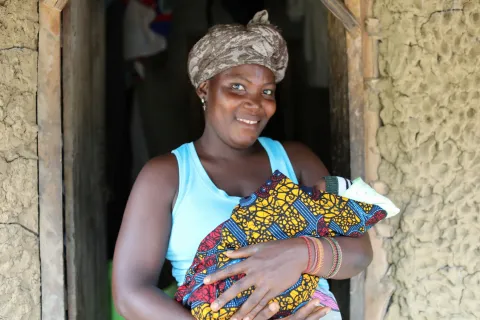
When Fatmata Conteh noticed that her two-week-old baby was weak and her stomach appeared swollen, she became worried.
At home, she gave her baby warm water, hoping it would help. But her condition did not improve.
“My baby was weak,” Fatmata recalls. “I kept giving her warm water, but it did not help.”
Concerned, she took her baby to the hospital, where neonatal nurse Saudatu Sesay gently explained something many families in Sierra Leone are still unaware of: babies under six months do not need water, even in hot weather. Breastmilk alone provides all the water and nutrients they need.
Saudatu also showed Fatmata how to position her baby for a good latch and breastfeed comfortably.
"The nurse taught me to continue giving my baby only breastmilk," Fatmata says.
Fatmata followed the advice.
Today, she sees the difference.
"My baby was weak before, but now she is becoming stronger."
Fatmata’s story is one example of how timely breastfeeding counselling can change the way families care for newborns. Across Sierra Leone, trained neonatal nurses are helping mothers question long-held misconceptions, breastfeed with confidence and give their babies a healthier start in life.
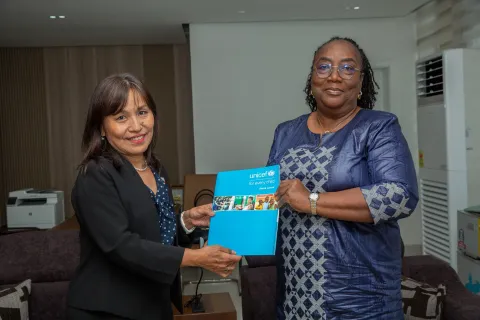
Their work is being strengthened through the Government's Neonatal Nursing Programme, supported by UNICEF with generous funding from the Government of China through the China International Development Cooperation Agency (CIDCA). The programme equips neonatal nurses with specialized knowledge and practical skills to improve health outcomes for newborns and support mothers during the critical early days of a child's life.
World Breastfeeding Week, observed from 1 to 7 August, brings global attention to the support mothers need to breastfeed successfully. Led by the World Alliance for Breastfeeding Action, together with UNICEF, WHO and partners, this year’s campaign carries the theme “Breastfeeding for a Sustainable Start in Life: Strengthen What Works” — a reminder that accurate information, encouragement and practical support can make a lasting difference.
For Saudatu Sesay, a healthcare provider in the Special Care Baby Unit at Makeni Regional Hospital, those conversations happen every day.
"We meet mothers with different experiences and beliefs," she says. "Some think babies need water because of the heat. Others worry that breastmilk alone is not enough, especially if the baby cries often. Our role is to listen first, understand their concerns and then guide them with the right information."
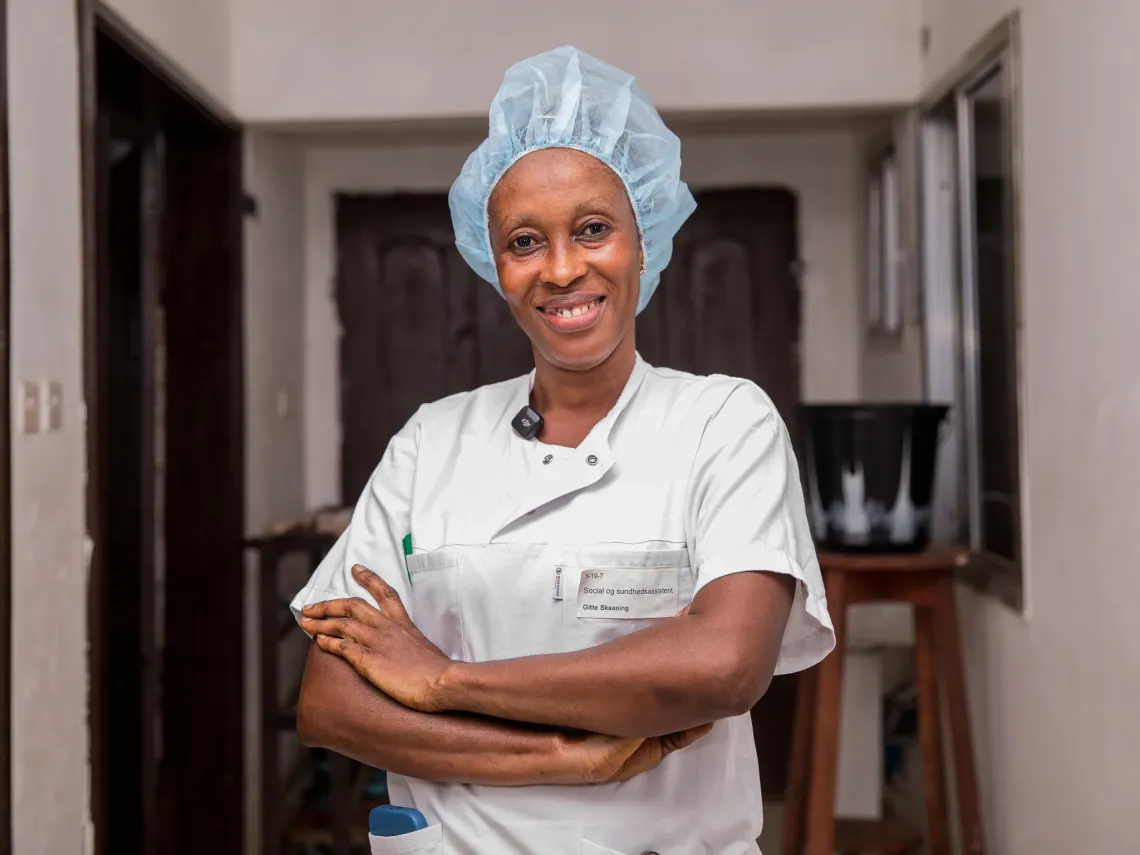
Every day, Saudatu and her colleagues support mothers with practical breastfeeding counselling, demonstrating proper positioning and attachment while building their confidence to breastfeed exclusively during the first six months of life.
"When mothers understand why breastfeeding is important and receive the support they need, they become more confident," Saudatu says.
That confidence is reflected in Sierra Leone's progress. According to the 2021 Sierra Leone National Nutrition Survey, the proportion of babies who are put to the breast within the first hour after birth increased from 57 per cent in 2017 to 89.4 per cent in 2021.
However, challenges remain. While exclusive breastfeeding among infants aged 0-5 months stands at 52.7 per cent, nearly one in five infants under six months is still given water alongside breastmilk. Many caregivers continue to believe that breastmilk alone is not enough or that water helps babies stop crying, relieves discomfort or helps them sleep longer.
At Koidu Government Hospital, neonatal nurses like Kadija Dujba are helping to change those perceptions.
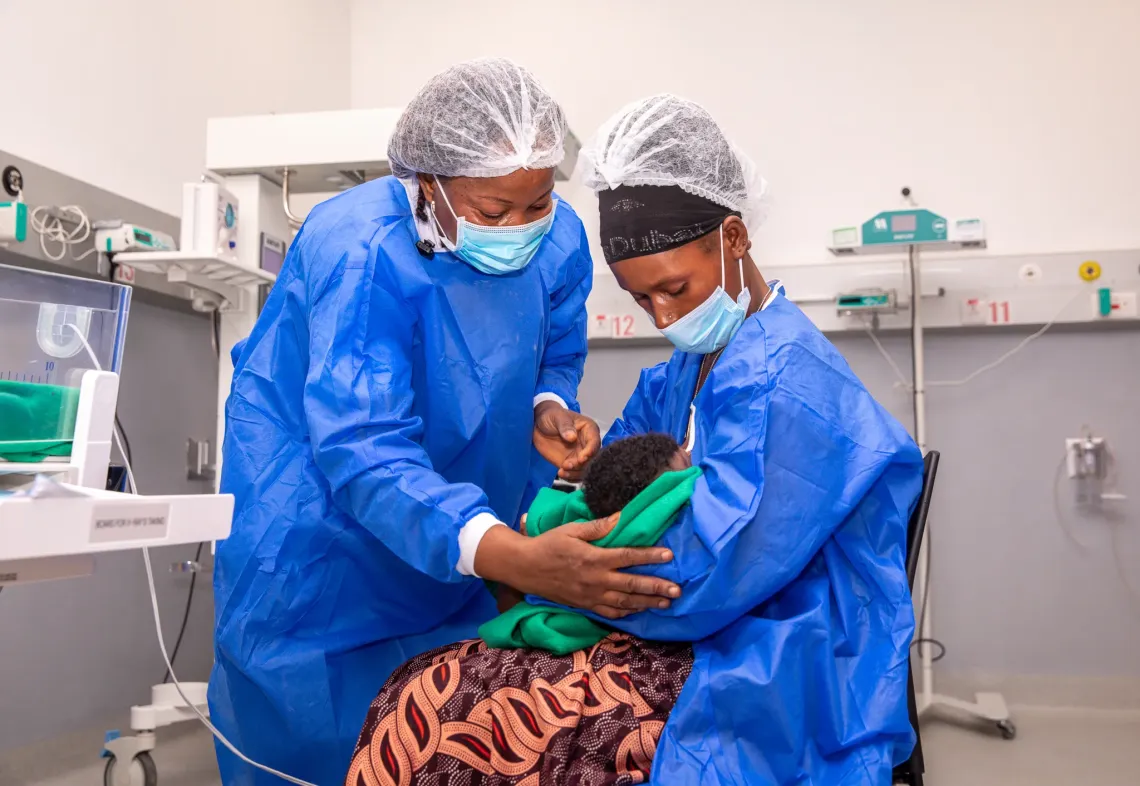
One of the mothers Kadija recently supported was Bintu Abu. After Bintu gave birth, Kadija showed her how to position her baby for a good latch, answered her breastfeeding questions and explained why breastmilk alone provides all the nourishment a baby needs during the first six months of life.
For Kadija, the Neonatal Nursing programme has expanded the support she is able to offer mothers and their families.
"The training has strengthened my ability to engage mothers and even family members on the importance of breastfeeding," she says. "I now begin those conversations during antenatal care visits so mothers understand the benefits of breastfeeding before their babies are born."
From antenatal clinics to maternity wards and neonatal units, trained health workers are helping mothers begin their breastfeeding journey with greater knowledge and confidence.
Alongside the Neonatal Nursing Programme, the Government, with support from UNICEF and other partners, continues to strengthen breastfeeding promotion through community counselling and behaviour change initiatives that help families make informed decisions about infant feeding. Sierra Leone has also strengthened protection for breastfeeding through the 2021 Breastmilk Substitutes Act, which regulates the marketing of breastmilk substitutes in line with international standards.
Across Sierra Leone, these efforts are helping more mothers receive accurate information, practical guidance and encouragement when they need it most.
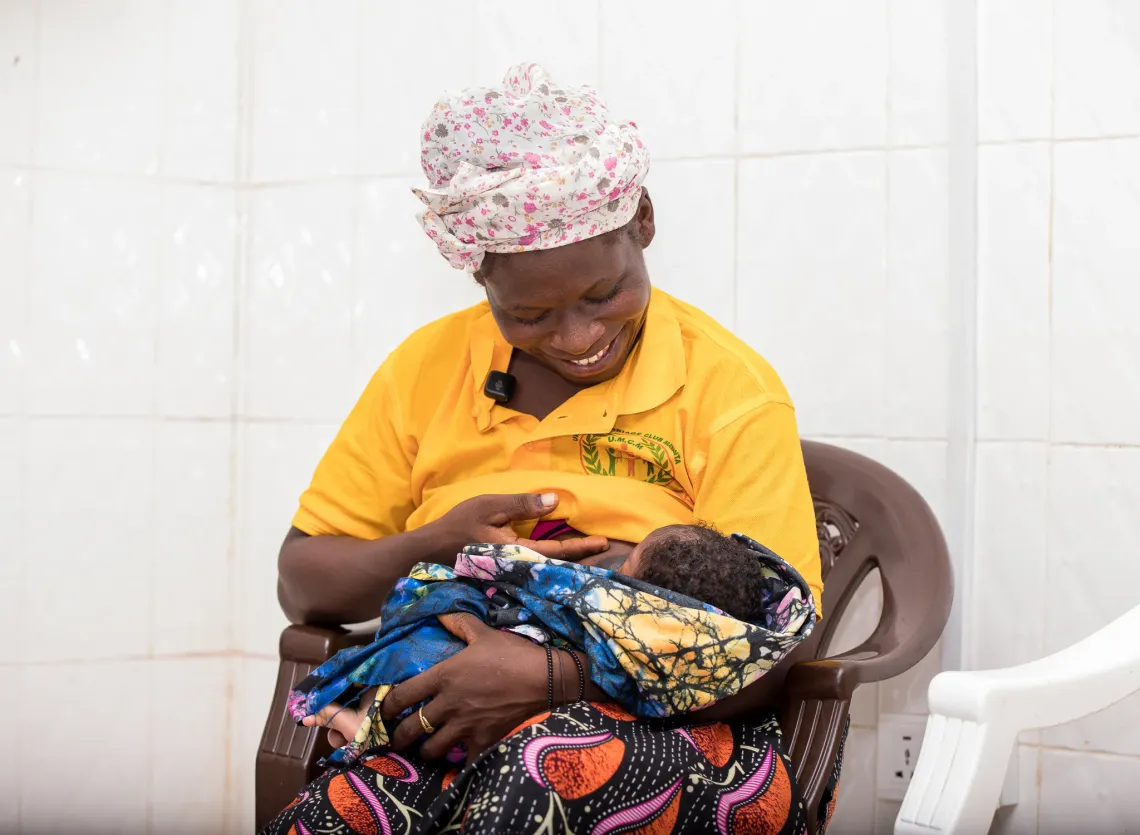
For Fatmata, the change began with a simple conversation and the support of a trained nurse.
Today, she no longer reaches for warm water when caring for her baby.
Instead, she holds her daughter close and breastfeeds her with confidence, knowing that breastmilk alone gives her baby the nourishment and hydration she needs during her first six months of life.