

Taking the breastfeeding message to Freetown’s market mothers
Health workers bring practical guidance on exclusive breastfeeding directly to women at Congo Market

Freetown, Sierra Leone – The rain fell heavily over Congo Market, one of Freetown’s busiest trading centres. Yet Adama Gorvie and Mantina Bassie, two health workers carrying a megaphone, posters and leaflets, continued moving between rows of makeshift stalls.
They stopped near a cluster of women selling goods, some with babies strapped to their backs, working to earn a living.
“My fellow women, feed your babies only breastmilk for the first six months of their lives,” Adama called through the megaphone, her voice rising above the noise of traders and shoppers.
She explained that breastfeeding should begin within the first hour after birth and continue exclusively for the baby’s first six months. This helps protect infants from childhood illnesses, reduces the risk of malnutrition, supports brain development and improves survival and long-term health. As she spoke, a small group of market women and shoppers gathered to listen.
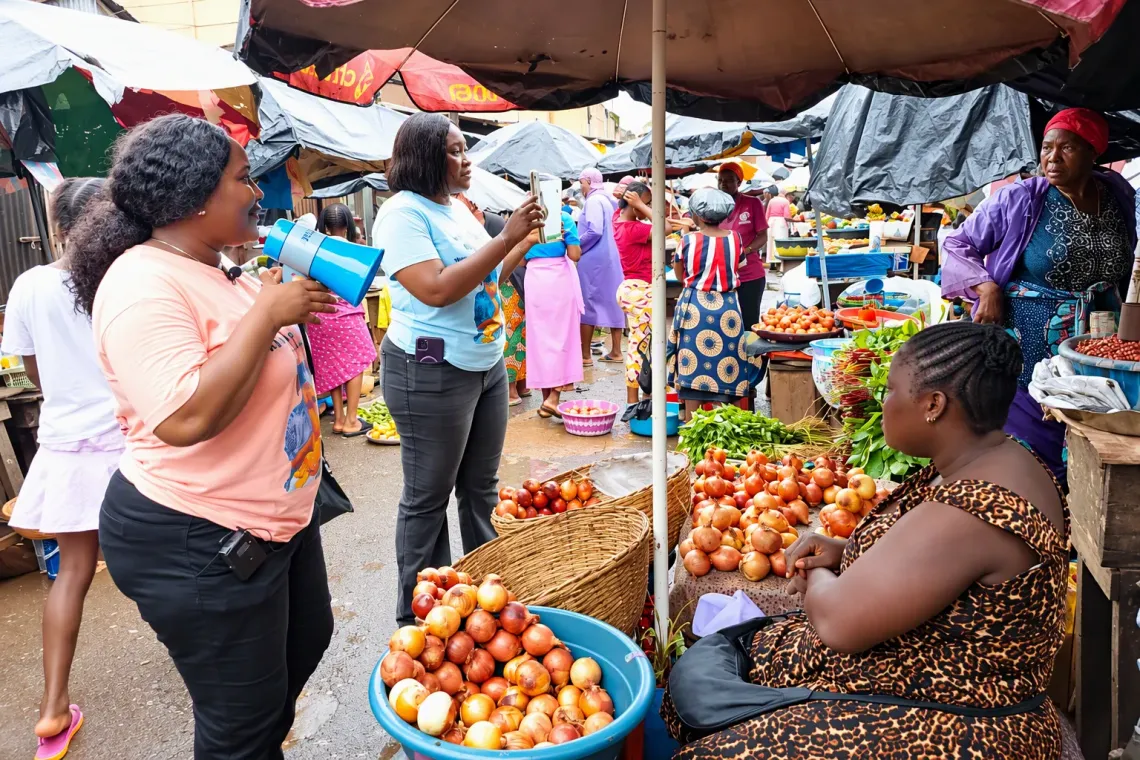
The outreach at Congo Market formed part of a seven-day campaign for pregnant women and breastfeeding mothers across ten markets in Freetown. Market engagement activities were among a package of awareness-raising activities that marked World Breastfeeding Week, observed annually from 1 to 7 August under the theme, “Breastfeeding for a sustainable start in life – strengthening what works.”
Latter-Day Saints Church contribution to UNICEF combined with other donor contributions such as the Embassy of Ireland facilitated the campaign in collaboration with the Ministry of Health, development partners and civil society. The initiative aimed to strengthen understanding and encourage the sustained practice of exclusive breastfeeding among pregnant women and mothers in communities across Sierra Leone.
Sierra Leone has an exclusive breastfeeding rate of 89 per cent, one of the higher rates in West Africa. This progress reflects strong policy leadership, including the Breast-milk Substitutes Act 2021, which aligns with the International Code of Marketing of Breast-milk Substitutes. However, nearly one in five infants under six months is still given water in addition to breastmilk, even though breastmilk provides all the water and nutrients a baby needs for healthy growth and development.
“In addition to promoting exclusive breastfeeding, we are working with the Government of Sierra Leone and other partners to strengthen, skilled counselling at health facilities and community level, as well as messaging on how and what to feed young children alongside, community support for mothers and caregivers,” said Brenda Kaijuka Muwaga, UNICEF Nutrition Specialist.
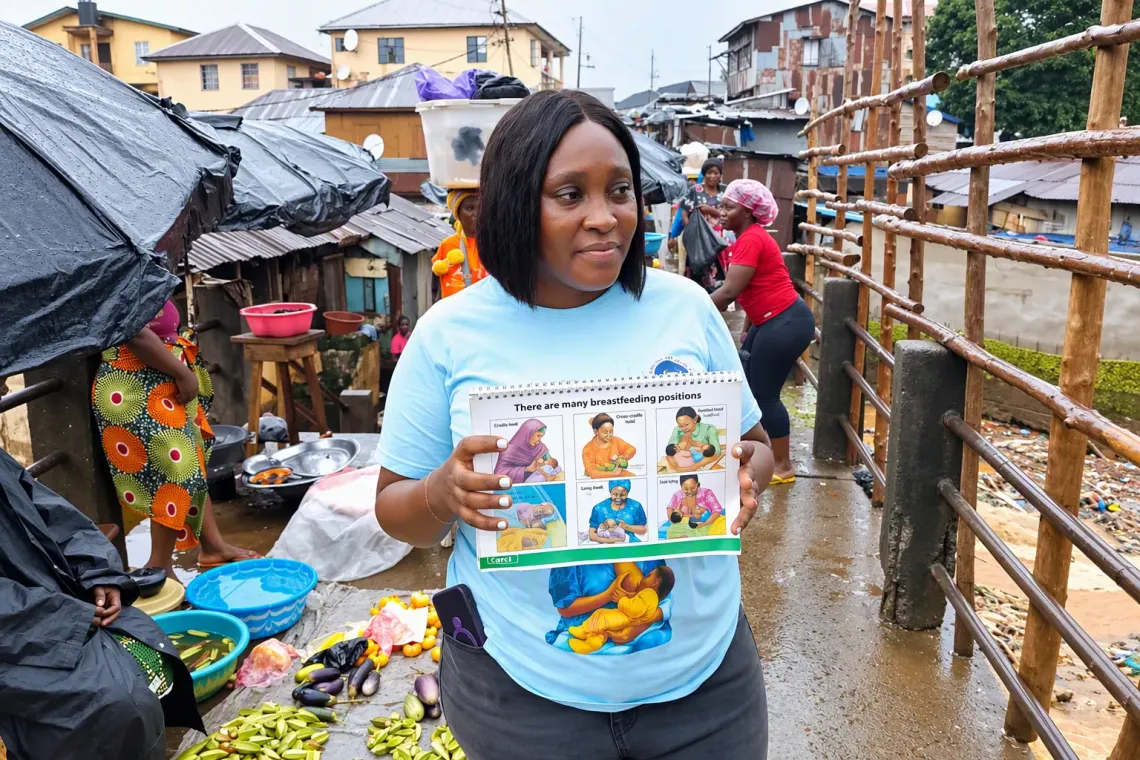
When Adama finished speaking, Mantina opened a large illustrated booklet and began showing the women recommended breastfeeding practices.
“Look at this baby. See how chubby it is,” she said, pointing to an image of a baby being breastfed by its smiling mother.
The women leaned in, nodding as they studied the pictures. Among them was Fatmata Kamara, a young mother of two who sells vegetables at the market.
“I had heard about exclusive breastfeeding before, but I did not take the message seriously,” Fatmata said. “I thought it was another way of telling us to stay at home for six months to look after our babies. “This is the first time someone has explained that I can breastfeed my baby anywhere, even in the market, because staying at home for six months is challenging for a market woman who depends on daily sales.”
Aminata, another mother, thanked Adama and Manty for clarifying that breastmilk contains all the water a baby needs as some mothers fear that their babies may be thirsty.
As Adama and Mantina packed their materials and prepared to leave, the rain had not diminished the impact of their visit. Several women, including expectant mothers, said they would give their babies only breastmilk during the first six months of life.
For women balancing motherhood with long days in the market, the face-to-face conversation made the guidance practical, immediate and personal. One market visit had turned a familiar message into a commitment to give their babies a healthier start in life.


