

Taking Lifesaving Vaccines to Every Child in Sierra Leone
Gavi-supported outreach is helping health workers reach zero-dose and underserved children in their communities

FREETOWN, 22 October 2026 – A chilly morning and gusty winds did little to deter Jenevia Johnson, a vaccination nurse at Waterloo Community Health Centre. Her mission was clear: reach children who have missed their routine vaccinations and help protect them from preventable diseases.
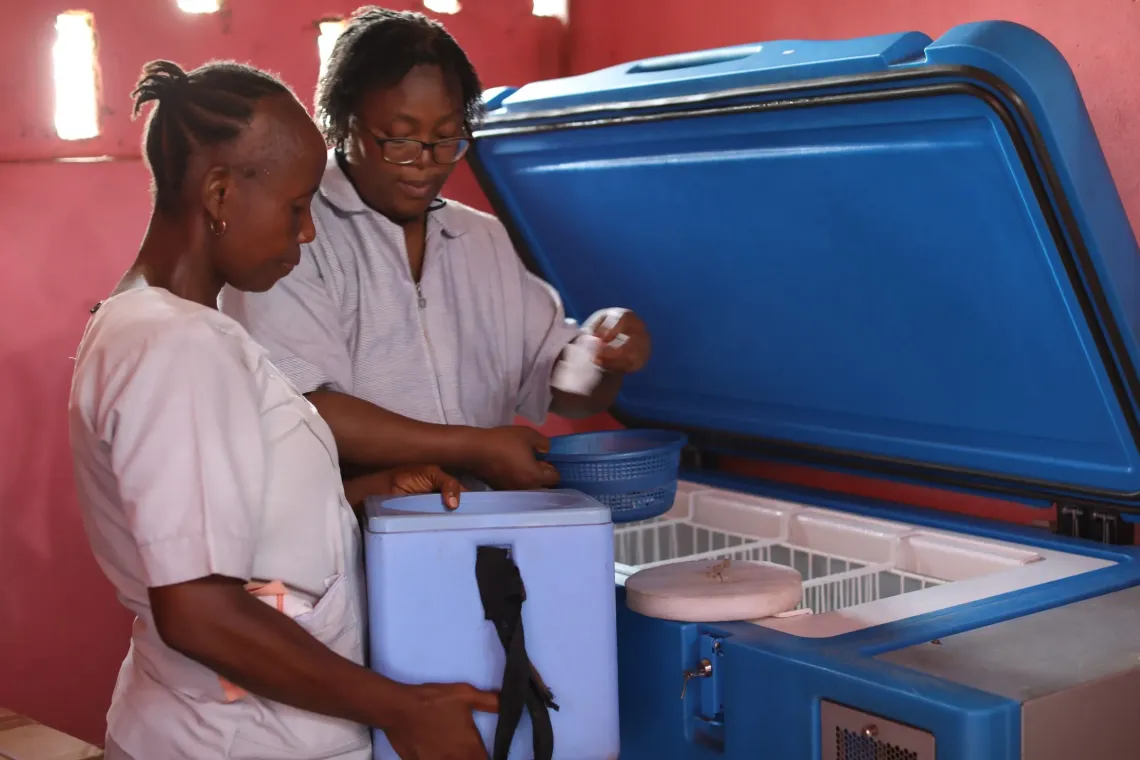
Jenevia carefully removed vaccines from a solar-powered refrigerator and packs them into a vaccine carrier. Together with a six-member team equipped with record books and information materials, she sets out for Benguema community, about six miles from the health centre. There, the team went from house to house, tracing children who had never been vaccinated or had missed scheduled doses.
Reaching children who miss vaccination
Despite progress in immunization, some children in Sierra Leone continue to miss essential vaccines. UNICEF’s 2025 Health Thematic Report recorded national coverage of 92.7 per cent for the third dose of pentavalent vaccine, while more than 1,800 children are yet to receive their first vaccine (zero dose) thus underscoring both progress and the continuing need to reach children who miss vaccination.
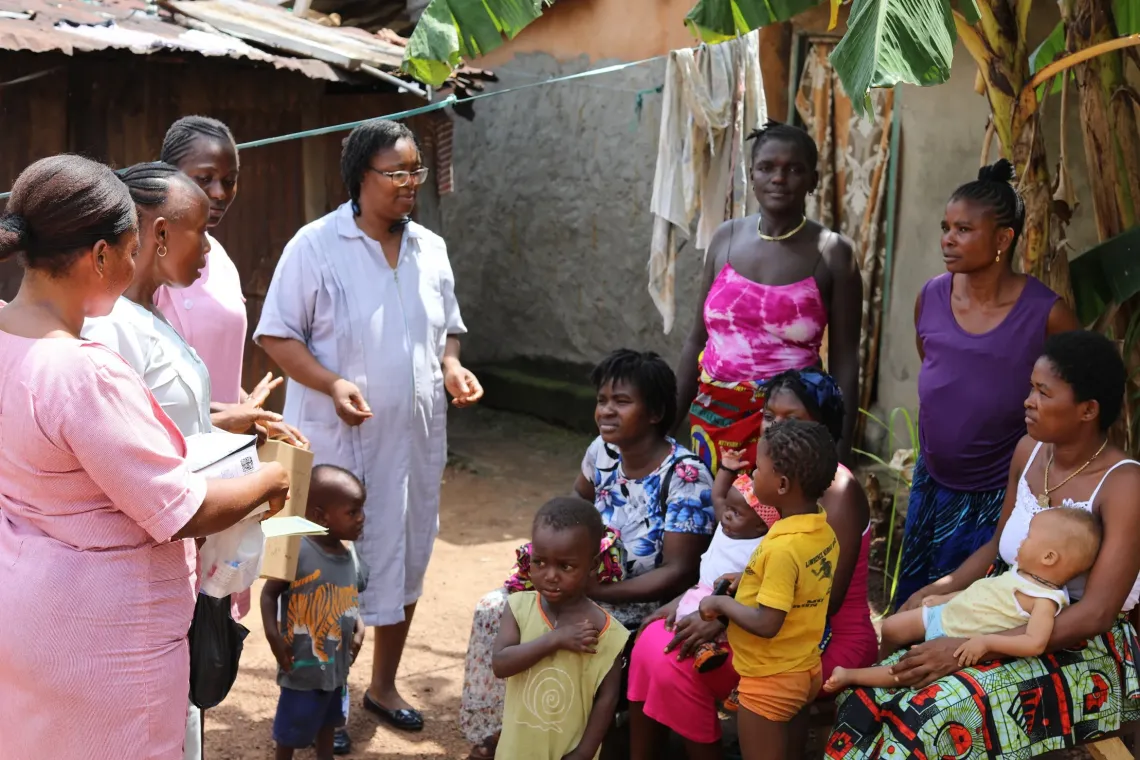
“Today, we are determined to trace and vaccinate babies whose mothers have not been bringing them to the health centre,” Jenevia said. “We will walk from house to house, educate mothers and caregivers, and vaccinate children with these essential lifesaving vaccines.”
Taking vaccines closer to families
With support from Gavi, the Vaccine Alliance, UNICEF is working with Sierra Leone’s Ministry of Health to strengthen routine immunization and expand access to zero-dose and underserved children. Outreach services across all 16 districts are bringing vaccines closer to families, particularly those who may struggle to access health facilities.
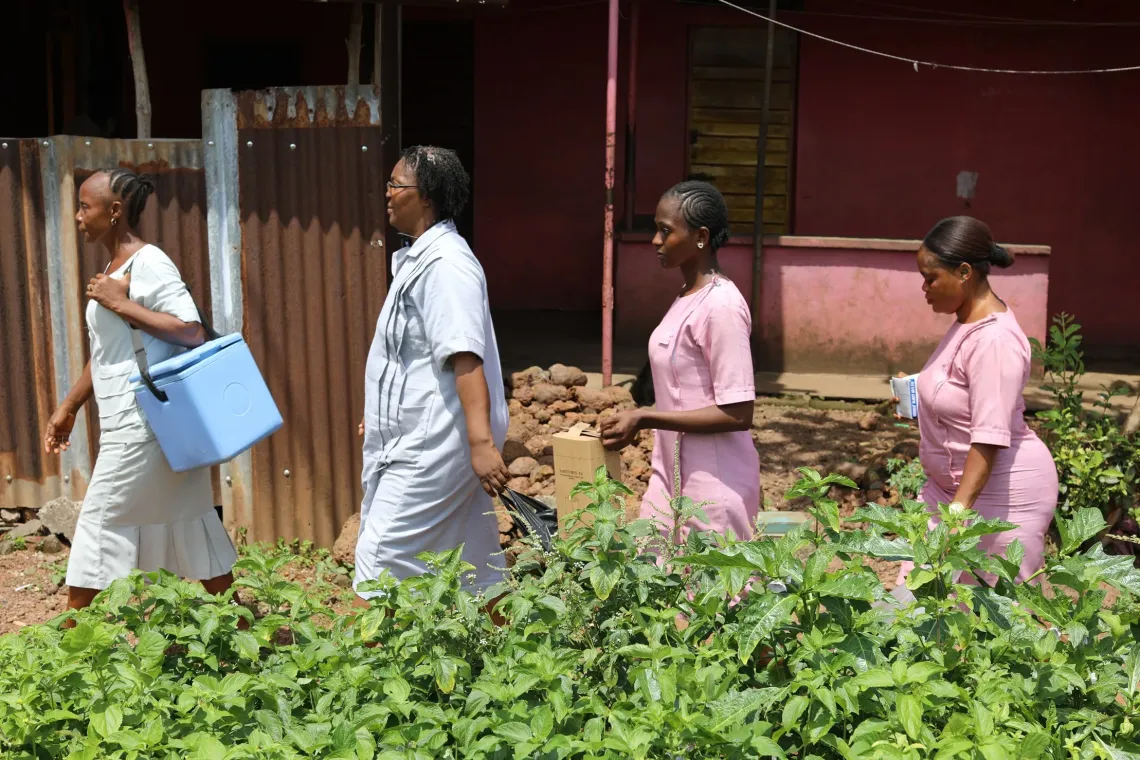
Gavi-supported investments in cold-chain infrastructure, transport, digital data systems and community engagement are also strengthening vaccine delivery. Through these efforts, more than 7,000 out of the more than 9,000 identified zero-dose children were vaccinated between February and September this year, while HPV vaccination reached more than one million adolescent girls during the national campaign last year.
“Vaccination is one of the most cost effective investments we can make in a child’s future,” said Monsen Owusu-Aboagye, UNICEF Immunization Specialist. “Our priority is to ensure that where a child lives does not determine whether that child receives life-saving vaccines.”
Protecting children, one community at a time
As Jenevia and her team entered Benguema, they stopped by a cluster of homes to ask about children who may have missed vaccinations. As the health workers shared information, more mothers emerged with their babies to listen and access vaccination services.
Among them was Anita Barrie, a mother of two, whose six-week-old baby boy received a second vaccination dose.
“I like to take my children to the health centre for vaccination,” Anita said, breastfeeding her baby after the vaccination. “Vaccination is good as it prevents killer diseases such as measles, polio and tuberculosis from attacking our babies. I feel so good!”
For Fatu Kamara, whose five-month-old daughter had missed a scheduled vaccination appointment, the outreach visit provided renewed motivation to keep her child’s vaccinations on track.
“From now onwards, I pledge never to miss out on immunization. No amount of chores will keep me and my baby away from the health centre,” she added.
Through the partnership between Gavi, UNICEF and the Government of Sierra Leone, health workers like Jenevia are taking vaccination services beyond health facilities and closer to the children who need them most, helping close immunity gaps and build a more equitable, resilient and sustainable immunization system.


