A breath of hope as access to medical oxygen gives sick children a better chance of survival
With support from the Global Fund, a new oxygen plant at Ola During Children’s Hospital is helping health workers respond faster to critical cases and bringing relief to families when they need it most.

Freetown - At Ola During Children’s Hospital (ODCH) in Freetown, the difference between a child struggling to breathe and a child beginning to recover can sometimes come down to something as simple—and as essential—as having oxygen available when it is needed.
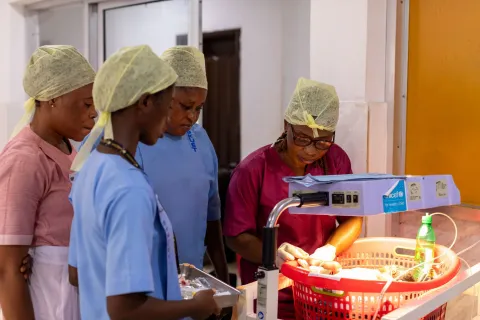
Inside the hospital, nurses move between beds, checking on young patients being treated for illnesses ranging from pneumonia and severe respiratory infections to other conditions that can make breathing difficult. For many of these children, medical oxygen is not optional. It can mean the difference between life and death.
Until recently, ensuring a reliable oxygen supply could be a challenge. Today, a newly constructed oxygen plant at the hospital is helping to change that.
Supported by UNICEF through funding from the Global Fund, the Ministry of Health has constructed oxygen plants at three key hospitals—34 Military Hospital, Port Loko District Hospital, and Ola During Children’s Hospital (ODCH). At ODCH, the investment is helping bring a more reliable and sustainable source of medical oxygen closer to the children who need it most. These investments complement Sierra Leone's broader expansion of medical oxygen infrastructure and efforts to ensure oxygen becomes a dependable component of routine health services, rather than something available only during emergencies.
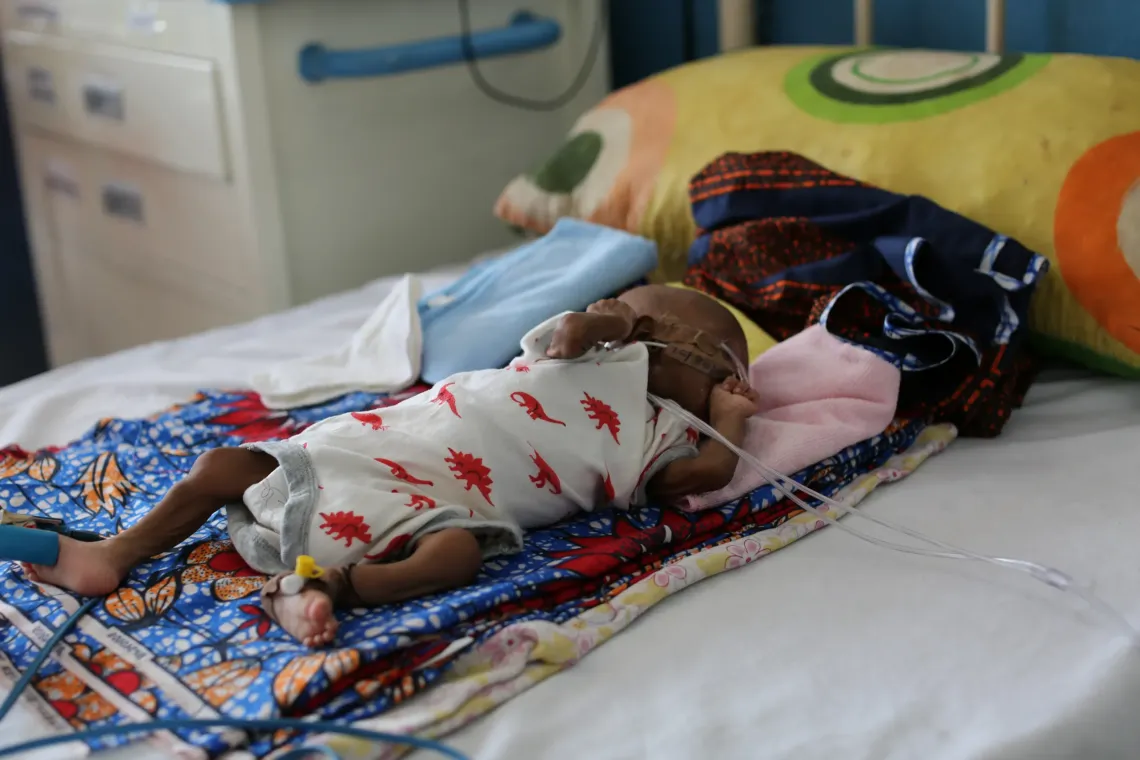
For Abibatu Kamara, mother of 2-month-old Adamsay, the impact is deeply personal. Her child was admitted after developing a serious illness that affected her breathing. As she watched her child struggle, fear quickly set in.
“As a mother, it was very frightening to see my child struggling to breathe. When the health workers started the oxygen treatment, I could see the difference. My child became more comfortable and started responding to treatment. Knowing that the oxygen was available when my child needed it gave me hope,” she says.
Her experience reflects that of many parents who arrive at ODCH worried about the condition of their children.
When every breath matters
Medical oxygen is essential in treating many childhood illnesses, particularly severe pneumonia and other respiratory conditions. Children can deteriorate quickly when their oxygen levels fall, making timely access to oxygen critical.
For the nurses caring for these children, a dependable oxygen supply has made their work easier and improved their ability to respond quickly.
Nurse Agatha Stevens, nurse-in-charge of the intensive care unit at ODCH, describes the difference: “Before, one of the concerns was whether we would have enough oxygen when several patients needed it at the same time. Now that we have the oxygen plant, we have a more dependable supply. It means we can start treatment promptly instead of worrying about where the next oxygen cylinder will come from,” she says.
The benefit is not only availability. A reliable oxygen supply can also help health workers manage patients at the hospital who might otherwise require referral because the necessary treatment is not available.

For Dr. Bah, the Medical Superintendent at Ola During Children’s Hospital, the oxygen plant represents an important investment in the hospital's capacity to provide quality care.
“Oxygen is fundamental to the treatment of critically ill children. Having a reliable source here at the hospital means we are better equipped to respond to emergencies and manage children with severe respiratory conditions. It strengthens our ability to provide timely care and gives our health workers greater confidence in treating very sick patients,” he says.
A lifeline for women and families
The importance of oxygen extends beyond children.
At health facilities, women experiencing complications during pregnancy, childbirth, or the postnatal period may also require oxygen as part of emergency care. For Isatu Kamara, a pregnant woman who had complications and needed oxygen while receiving treatment, access to the commodity became a crucial part of her recovery.
“I was very weak and having difficulty breathing, and I was afraid because I did not know what was happening to me. The health workers gave me oxygen and continued treating me. Having that support when I needed it most made me feel that I was in safe hands,” she says.
Her experience shows why investments in oxygen systems matter not only for treating individual illnesses, but also for strengthening the health system's ability to respond to emergencies.

From emergency response to a stronger health system
The need to strengthen access to medical oxygen became particularly clear during the COVID-19 pandemic, when health systems worldwide experienced unprecedented demand for oxygen.
In Sierra Leone, the pandemic exposed gaps in the availability and distribution of medical oxygen. The experience helped catalyse efforts by the Ministry of Health, UNICEF and partners to strengthen the country's oxygen ecosystem—from production and equipment to infrastructure, protocols and the capacity of health workers to use oxygen appropriately.
The construction of the ODCH oxygen plant is part of this broader effort.
According to Lutomia Mangala, UNICEF Health Specialist, the investment is about more than constructing a physical plant.
"Our support is about helping the Ministry of Health build a stronger and more resilient oxygen system. When oxygen is available, reliable and accessible where patients are being treated, health workers can respond more quickly, and children have a better chance of surviving severe illness. This is an investment not only in oxygen infrastructure, but in a health system that is better prepared to save lives,” he says.

Bringing lifesaving care closer to children
For the health workers at ODCH, the impact is ultimately measured in the children who recover.
A child arriving at the hospital with severe pneumonia or another condition that compromises breathing may need oxygen immediately. With the plant providing a more reliable supply, the hospital is better positioned to meet that need.
For parents, it offers something equally important: reassurance.
"When you bring your child to the hospital, you want to know that everything possible will be done to save them,” says Memuna Kabia, mother of 4-year-old Gibrilla, who was treated with oxygen when he had a bout of convulsions. “Knowing that the hospital has oxygen when children need it gives parents hope,” she says.

At Ola During Children’s Hospital, the oxygen plant may be made of machinery, pipes, and equipment. But its real value can be seen in the faces of children recovering in the wards—and in the relief of parents who feared they might lose them.
For every child struggling to breathe, every breath counts. And with stronger oxygen systems, Sierra Leone is giving more children the chance to take that next breath.