Family assistant: A link to a better future
Supporting the social inclusion of informal waste pickers
- Srpski
- English
Šid, May 2026 – We used to work at the landfill, collecting recyclable materials. Then the landfill closed, and we had nowhere to work. Ilija helped us as a family assistant so that our lives could become better, so that I could have a regular salary, and so that the children could go to school,” says thirty-four-year-old Miroslav Đurđević.
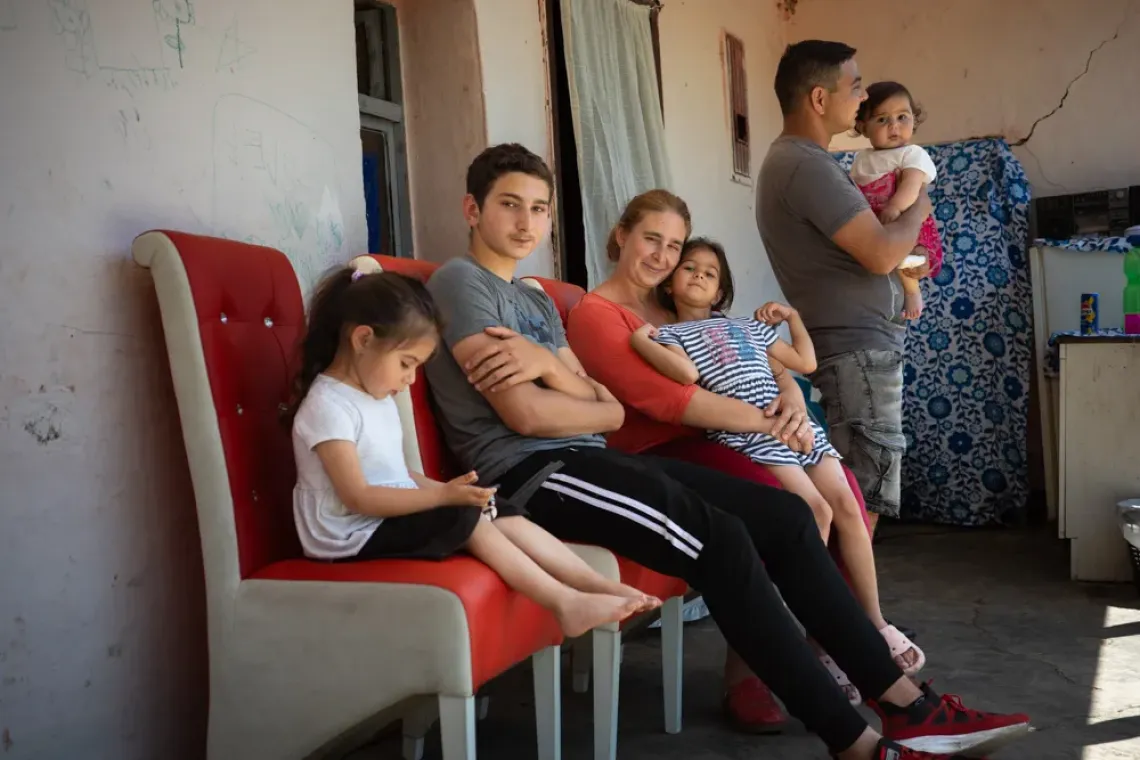
Until October last year, Miroslav, a father of four – Siniša (14), Anđela (7), Ružica (3) and Emilija (1) – had no regular income to support his family. His wife, Dragana, is unemployed.
“I never had a regular income. Everything depended on what people threw away and what we managed to find. Sometimes you’d earn 1,000 dinars, sometimes 5,000 dinars. There was no rule. Sometimes you wouldn’t even earn 100 dinars,” he explains.
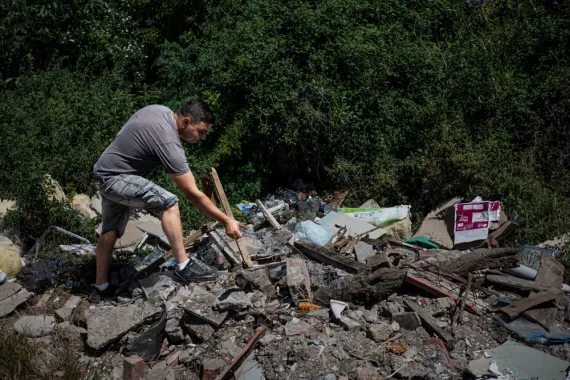
An estimated 30,000 to 50,000 informal waste pickers live in Serbia, most of them members of the Roma community. At the same time, through the Solid Waste Programme (SWP), Serbia is closing municipal landfills and opening regional recycling centres, in line with European Union standards and green policies. While this represents an important step towards protecting the environment, it also puts informal waste pickers and their families at risk of losing their only source of income.
To help strengthen families’ economic security and reduce the risk of social exclusion, family assistants have been engaged. This innovative service within the social protection system engages trained paraprofessionals who understand the local context and, with continuous mentoring and professional support, serve as a vital link between families, institutions and the community.
All these activities were carried out within the “PRO – Local Governance for People and Nature” programme, implemented in Serbia by UNOPS, UNICEF, UNFPA and UNEP, in cooperation with the Government of the Republic of Serbia and with the financial support of the Government of Switzerland.
Ilija Nanić is a family assistant in the municipality of Šid, where he currently supports four families.
“Our main focus is on economic empowerment. We help people find jobs, continue their education, gain additional qualifications and develop vocational skills. We also make sure that children attend school regularly and have better opportunities than their parents had growing up,” Ilija explains.
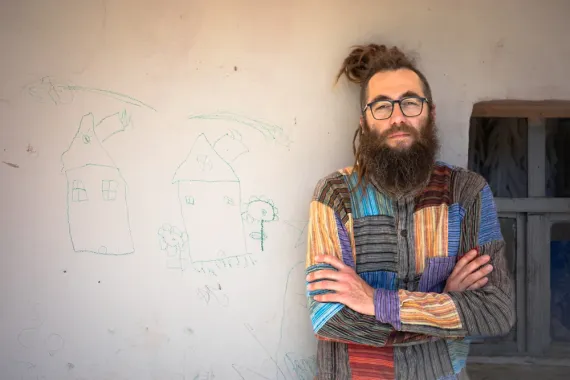
Miroslav’s family, Ilija explains, faced more than irregular income. They were burdened by mounting debts, insecure housing and the fact that Miroslav did not have a driving licence. To address these challenges, Ilija encouraged and supported him in finding stable employment.
“Miroslav completed on-the-job training at the public utility company JKP Standard and proved to be, perhaps, the best of the five candidates. As a result, he was offered a job. His family no longer receives social assistance, and I consider that a major success and an important first step in this project,” Ilija says proudly.
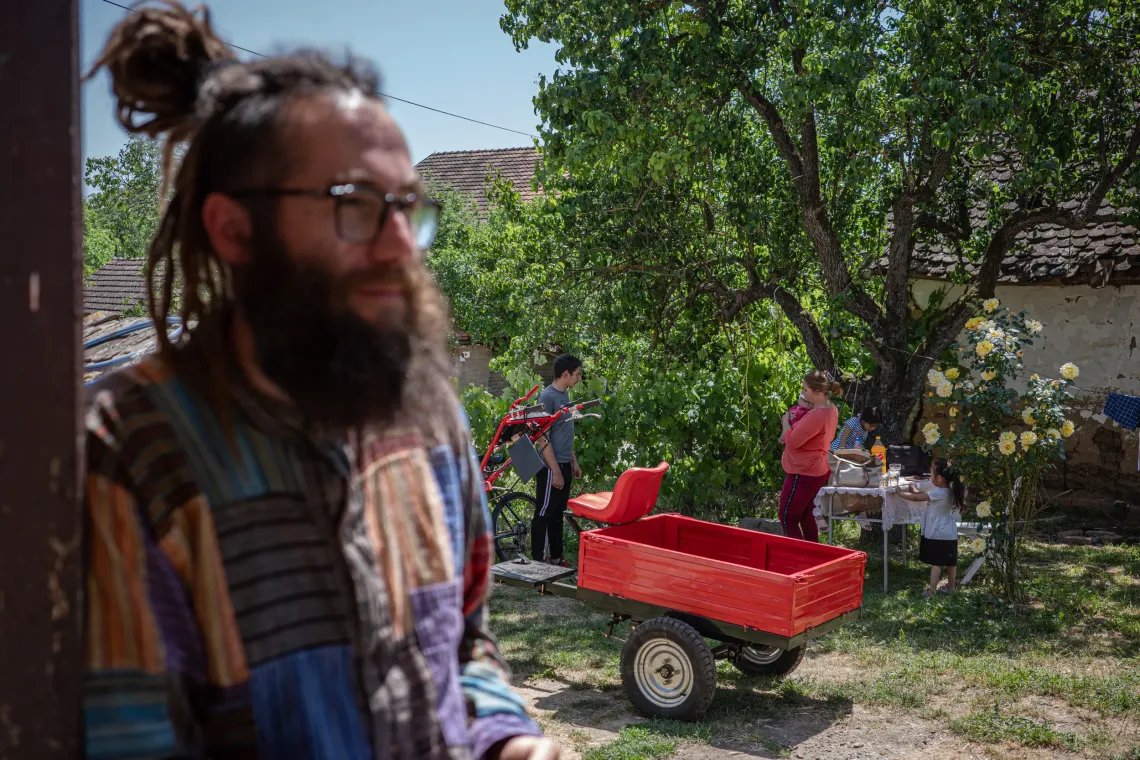
Miroslav managed to buy a house for his family. Through the PRO programme, and with Ilija’s support, he also received equipment and tools that allow him to earn additional income.
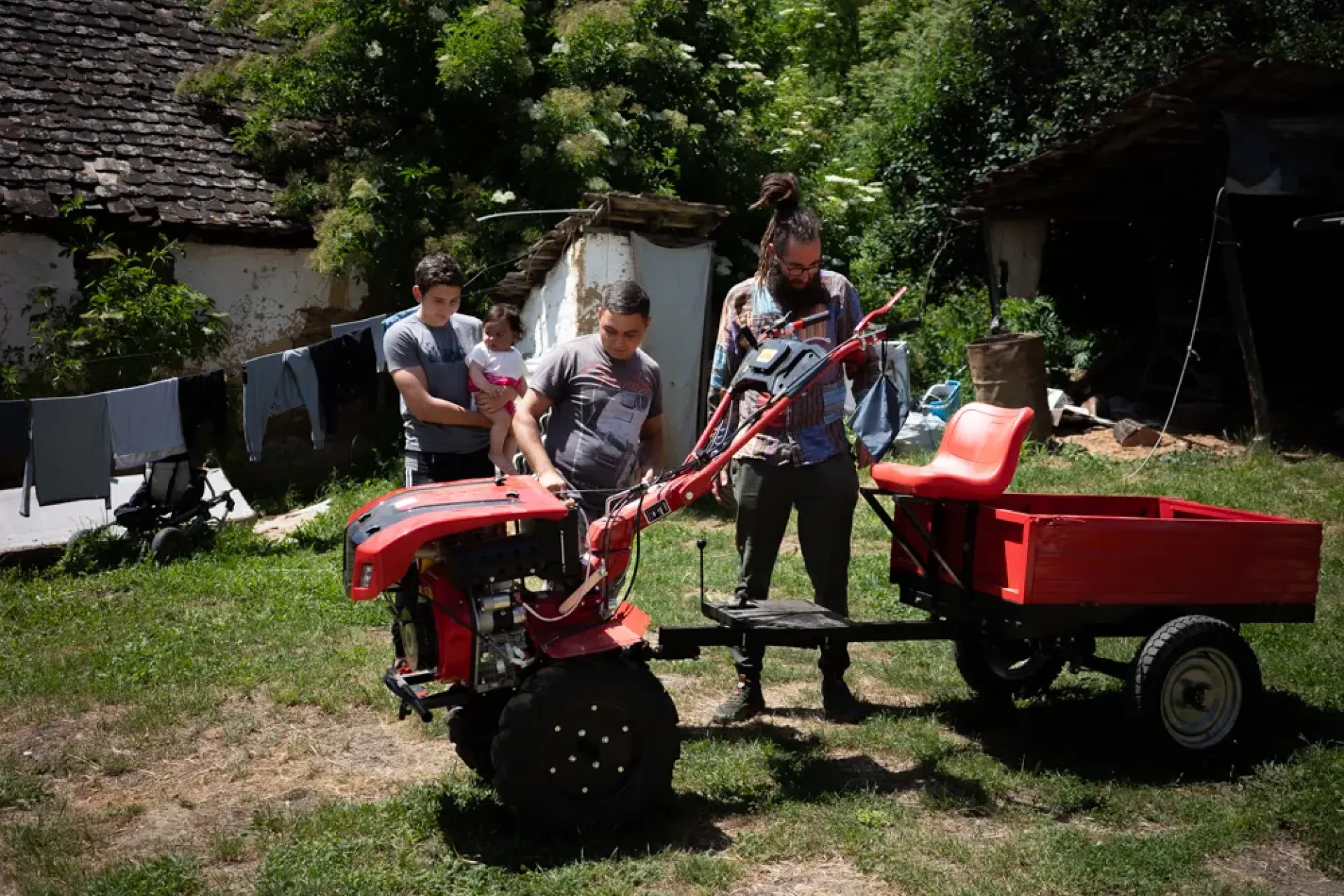
“He helped me get a motor cultivator, a trailer, a chainsaw and a glue mixer. Besides my regular job, I can use the cultivator after work, go along the canals and cut firewood,” says Miroslav.
Ilija’s role as a family assistant also involved helping families navigate public services, from the health centre and the Centre for Social Work to local schools. Miroslav and his family were open to working together, something Ilija says is not always the case.
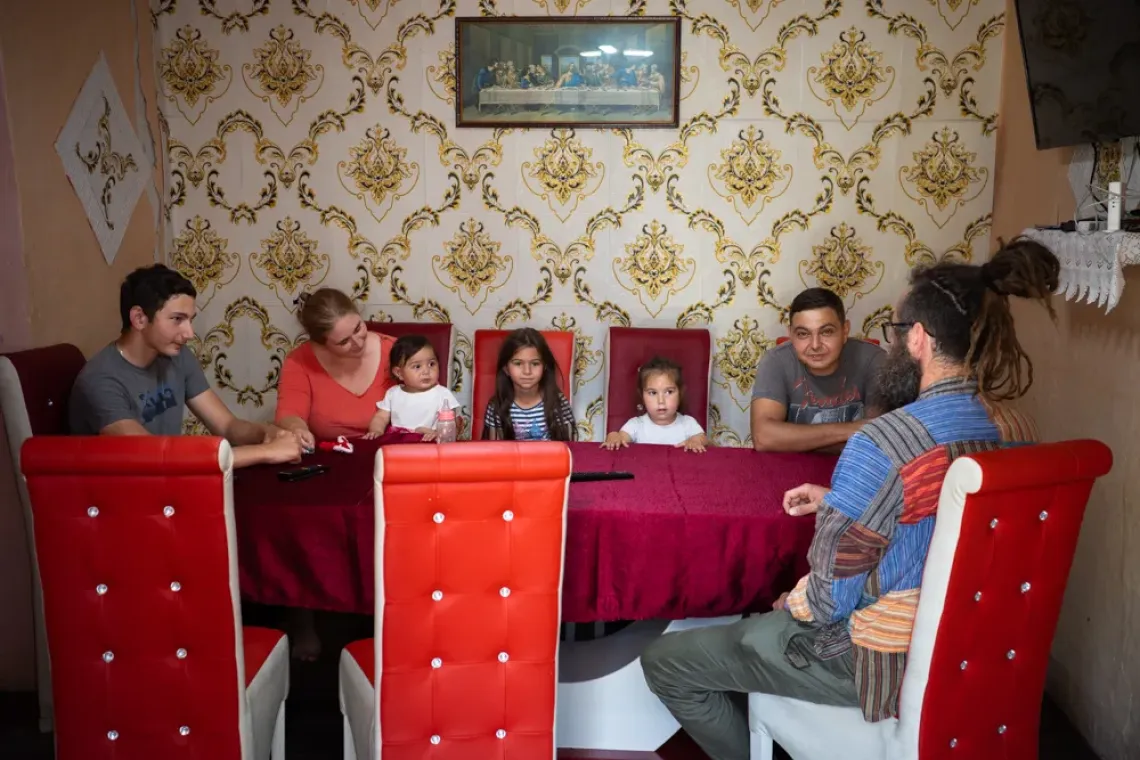
“Trust was essential. Only after we built trust could we move forward. Trust is the foundation,” says Ilija.
The programme has reached 61 families across 12 local self-governments. The challenges were not limited to the families receiving support. Family assistants themselves were often working in complex and demanding situations.
“There is no handbook, course, school or university degree that prepares you for this job. It required me to draw on everything I know and everything I’ve learned through life. It was challenging, but also deeply rewarding because I had the opportunity to use all my experience to help someone build a better life,” says Ilija.
Family assistants did not face these challenges alone. To strengthen their role, UNICEF, in cooperation with the Centre for Social Policy, provided comprehensive training and continuous mentoring for those working with families of informal waste pickers.
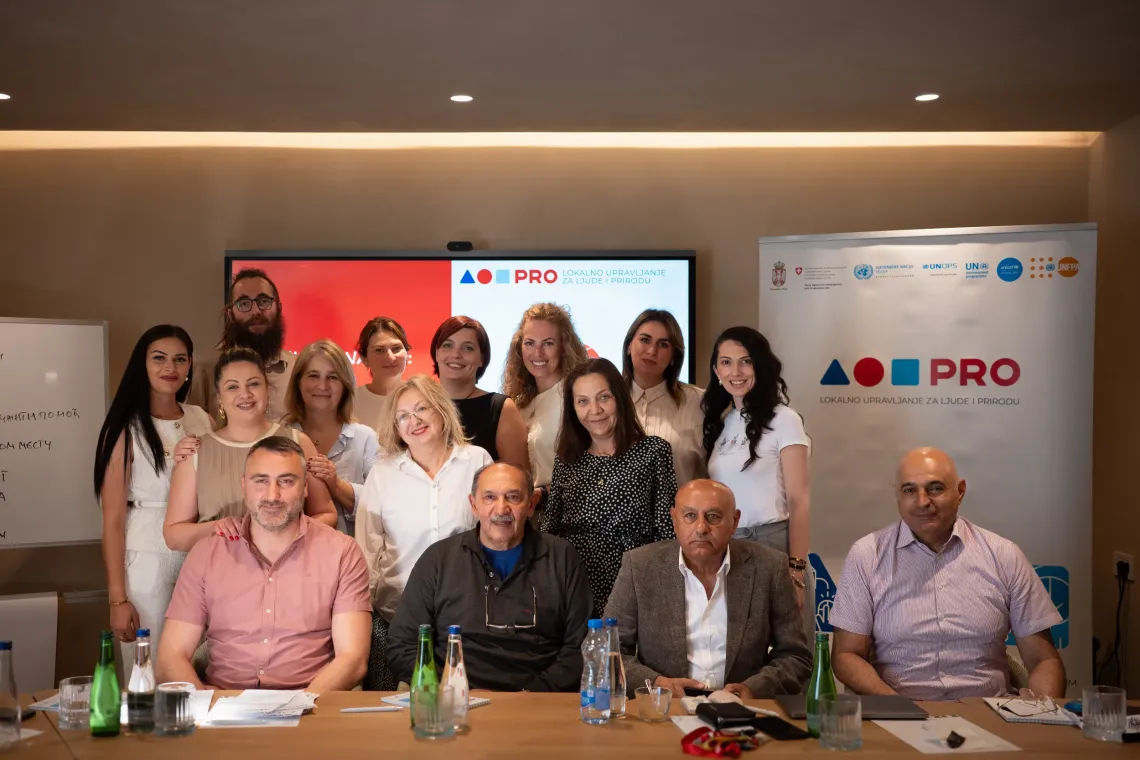
Nataša Zečević, a psychologist with 13 years of experience in social protection, served as one of the mentors. Her previous work as a family outreach worker prepared her well for supporting family assistants, as both roles involve supporting marginalized families facing multiple and interconnected challenges.
“I mentor eight family assistants, and what stands out the most to me about this project is seeing how humanity and compassion can bring about real change,” says Nataša.
Together with their mentors, family assistants completed five training modules focused on assessment, communication and family support planning, including the development of Individual Family Support Plans (IFSPs). The training was complemented by regular online meetings, phone consultations and, most importantly, field-based mentoring, where family assistants often encountered difficulties and crisis situations while working with families.
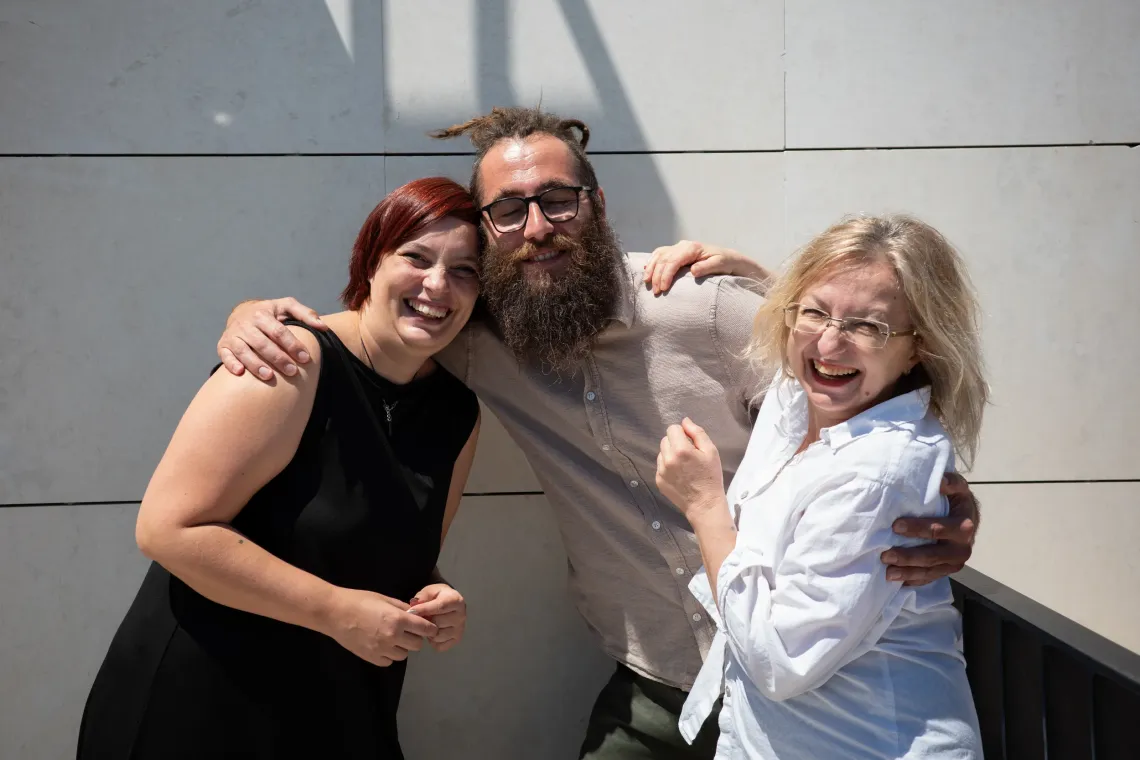
This ongoing support helped them build confidence and strengthen the knowledge and skills needed to work effectively with families facing multiple vulnerabilities, as well as with education, health and social protection services.
“I have to say that I’m very proud of these people. Out of the 61 families in the project, I believe only two showed no significant progress. I see the achievements of the family assistants and the support they provided as my success as a mentor as well. Working with Miroslav's family was especially rewarding and inspiring because it showed how practical support and encouragement can transform the way an entire family functions,” says Nataša.
For Sanja Miloradović, mentor and project coordinator, family assistants play a vital role in connecting families with the wider community.
"We can think of them as the family’s most resourceful member. They provide information, motivate families, and help them exercise their rights. They support families in navigating administrative procedures, which can be especially challenging for people with limited education who often face multiple barriers to accessing services,” says Sanja.
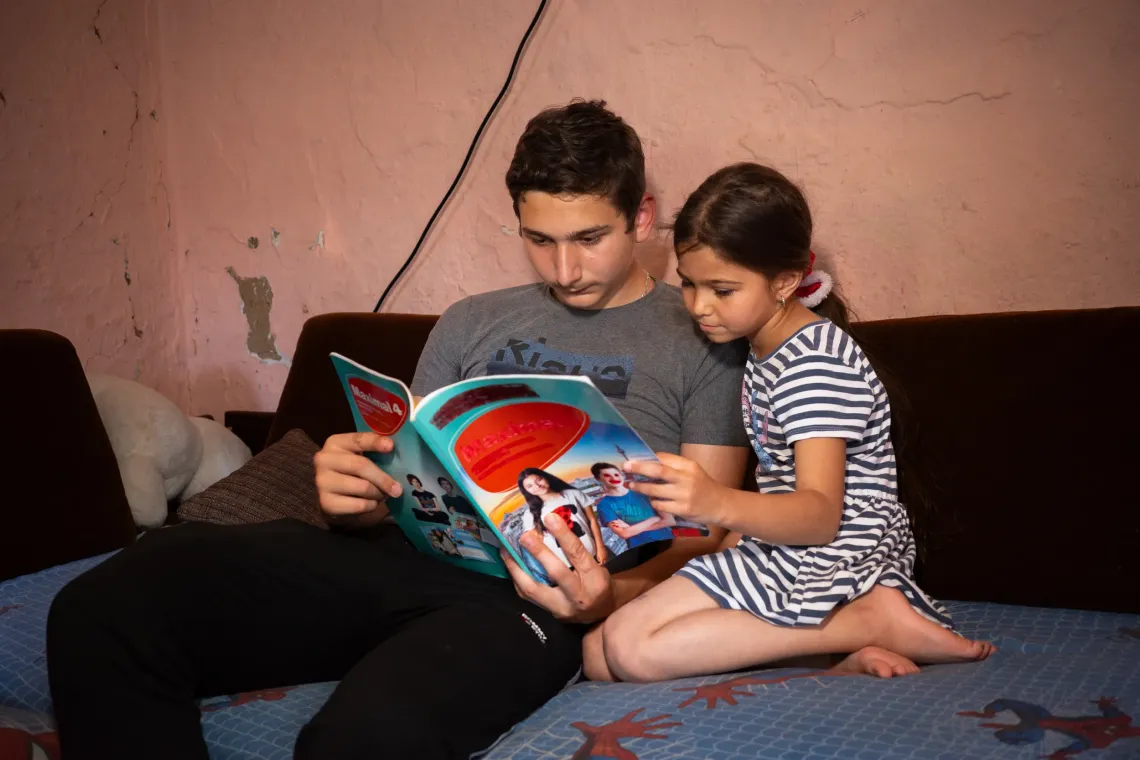
That is why it was important to equip family assistants to identify the strengths and needs of each family and tailor support accordingly. Looking back on the two-year project, Sanja believes that the holistic approach has made a real difference, helping many people find employment and access the services and rights available to them.
“We invested a great deal in improving family health and supporting children's education. Above all, what made the difference was the holistic approach, recognising that different aspects of family life are interconnected and reinforce one another,” Sanja explains.
Miroslav reflects on how much his life has changed. He has a job, security and a roof over his head—all thanks to Ilija's support and his own determination. For Ilija, success is measured by the smiles and peace of mind of this family of six.
“The greatest success of this project will be—and, in many ways, already is—that families have become empowered to solve their own problems. They no longer need us as family assistants to guide them through life forever. This period of support has been enough to encourage them, empower them and help them become self-reliant,” Ilija concludes.