When Fear Knocked, The Community Answered
How Communities in Kirehe Are Turning Knowledge into Protection
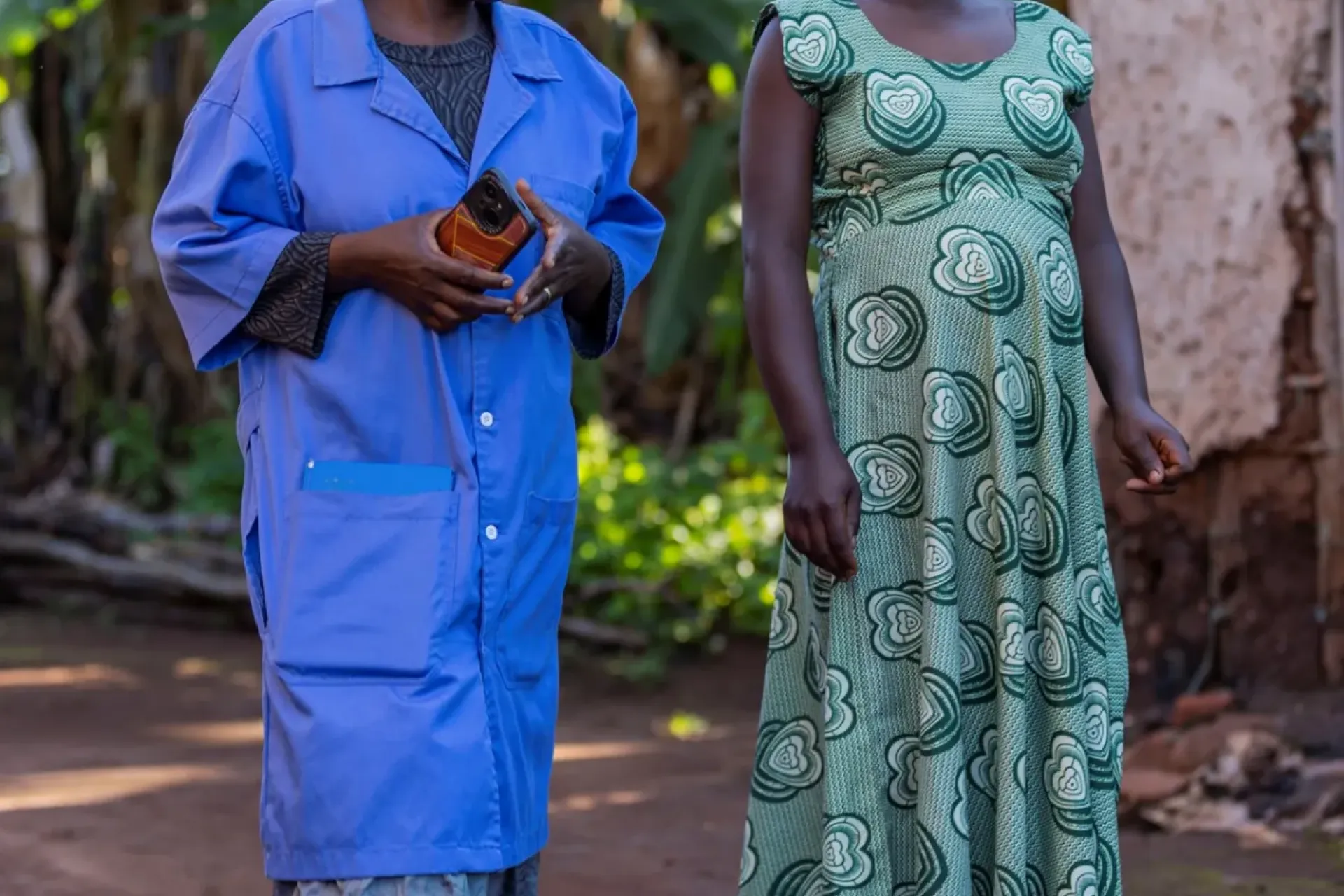
In the quiet, sun-warmed hills of Kirehe, Eastern Rwanda, the gentle rhythm of daily life was upended when Iradukunda Emeline heard the news about mpox. She remembers the very moment when fear first stepped into her home.
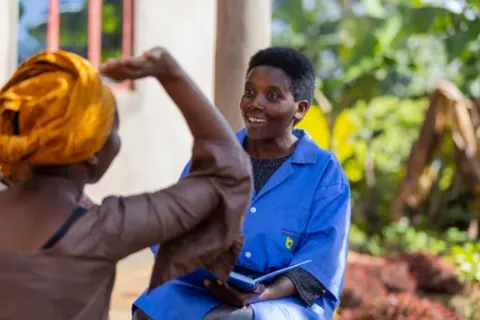
“News of mpox reached me through community health workers,” she says. “They explained how the virus spreads and what we can do to protect ourselves. It felt urgent, like everything around us had changed in an instant.”
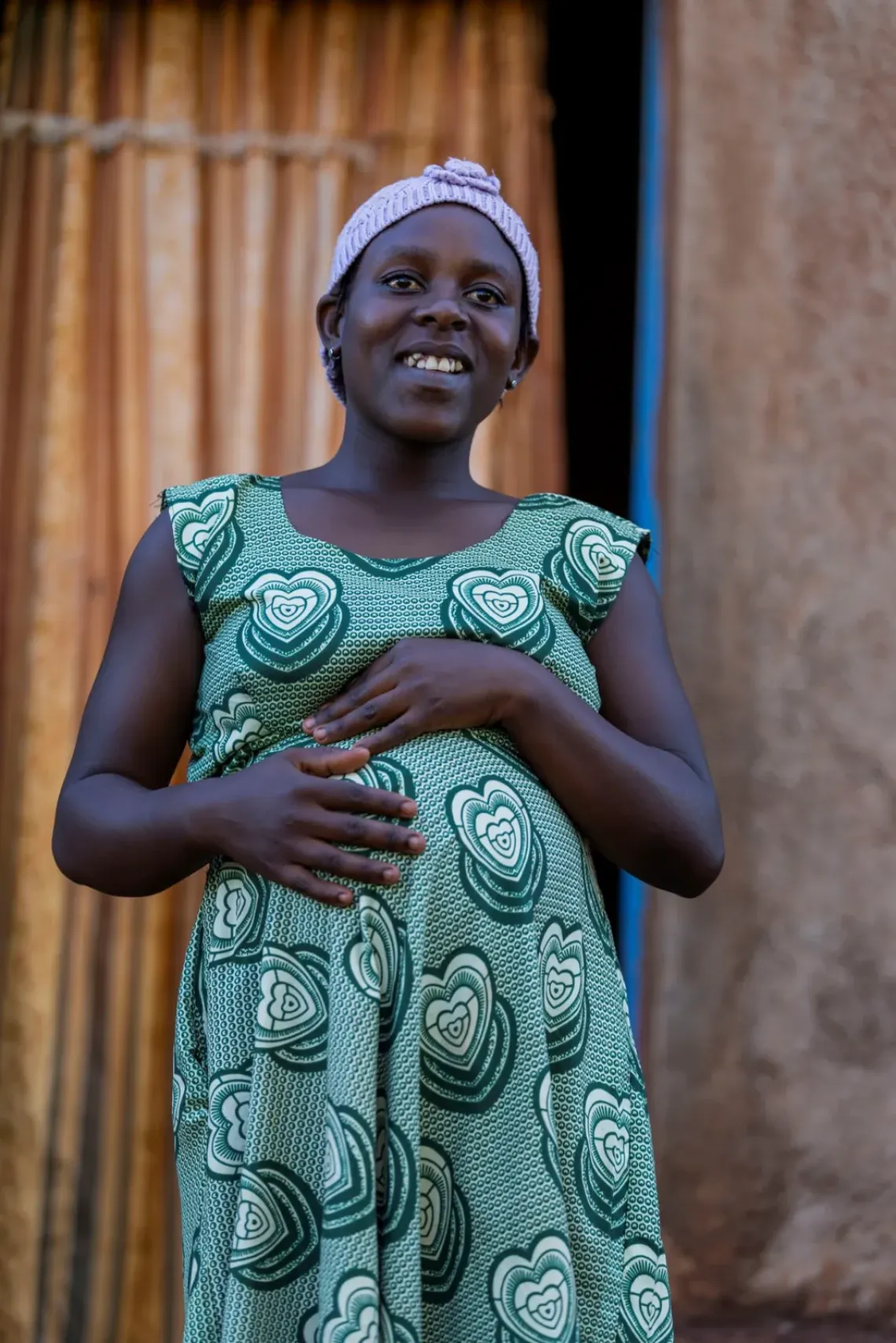
Today, Emeline is pregnant. What should have been a time of anticipation became a time of anxiety and vulnerability; her mind often drifting to worst-case scenarios. “As a woman expecting a child, I felt powerless,” she admits. “I worried constantly that I might contract the infection and pass it on to my unborn child.”
“I was told that our bodies, as pregnant women, are vulnerable ” Emeline says quietly. “That transmission would be easier.” Pregnant women are vulnerable to mpox complications, making early prevention critical.
“Inside, I felt anxious,” she recalls. “My visits to the hospital increased, and I started avoiding public places.”
Her worries were not without merit, given that mpox can be passed to the baby during pregnancy, posing risks of pregnancy loss, stillbirth, and newborn death.
Through the coordinated efforts of UNICEF and the Rwanda Biomedical Center (RBC), community health workers are empowered to serve as the first line of defense for communities, translating complex medical guidance into practical steps families can follow."
Knowledge as a Shield
Nearby, mothers like Ndayizeye Letitia wrestled with the same fears. “The thing that worried us most was death,” Letitia recalls. “We feared many people would die, and those who survived would be left with permanent scars.”
Amid uncertainty, community health workers became a lifeline.
“They told us, it is a virus, how it spreads, the symptoms, and how to avoid it,” Letitia explains. “Severe headaches, high fever, and skin lesions are among the warning signs. We were told to maintain strict cleanliness and avoid sharing clothes or utensils.”
“It made me aware of my own habits, my surroundings and even small gestures like touching doorknobs or helping a neighbor. I realized that every action could protect or endanger someone.”
More than just providing instructions, conversations with community health workers changed how people thought about the virus and their own agency.

“The lessons they taught us have stayed with us,” Letitia says with conviction. “We have changed how we live. People stopped shaking hands, stopped frequenting gatherings, and began cleaning meticulously. Even small changes have become life-saving habits.”
Fear Turns into Collective Action
Fear spread, but so did something remarkable: care. Neighbors started looking out for one another, offering guidance, sharing what they knew, and supporting those most vulnerable.
“We take care of each other,” Letitia says firmly. “If someone isn’t being careful, we advise them. No one is offended. We all understand that protecting ourselves also means protecting our neighbors.”
For Emeline, the turning point came not just from receiving information, but from seeing her neighbors act together.
“I remember the day I saw the women in my village organize a small group to deliver soap, clean water, and hygiene kits to the most vulnerable households,” she recalls. “They came to my door, not as strangers, but as people who understood my fear and wanted to help. In that moment, I realized I wasn’t alone.”
Community Support in Practice
“We met in village meetings where community health workers explained the situation,” Letitia recalls. “Then they started visiting us at home once or twice a week, checking that we were practicing hygiene and had all the information we needed.”
Clear explanations, practical demonstrations, and repeated check-ins gave households a sense of control and confidence in their daily routines.
“The virus is scary for all of us,” she admits. “But we are all doing our part. We know that our lives are dear and must be guarded day and night.”
For parents, responsibility extends beyond themselves, and homes have become spaces of education and prevention.
“We teach our children everything that we have learnt,” Letitia says proudly. “How to protect themselves and how to avoid risky contacts. We need to watch over everything happening in our houses. Our safety begins at home.”
A Shared Lesson
The experiences of Emeline and Letitia show that in times of crisis, accurate information and supportive networks can mean the difference between fear and protection.
This powerful pattern is unfolding across Rwanda. Families carry knowledge with them, facing uncertainty with courage and protecting one another.
We extend our gratitude to the donors and partners whose generosity has supported Rwanda’s mpox and other health emergencies prevention efforts. Thanks to this support, stories like Emeline’s and Letitia’s remind us that even in the face of a frightening virus, human compassion and solidarity prevail.
ANNEX: Responding to mpox in Rwanda
UNICEF, in partnership with the Government of Rwanda through the RBC, is supporting a nationwide response to mpox focused on prevention, early detection, and community engagement.
Since the confirmation of Rwanda’s first mpox cases in July 2024, the country has strengthened surveillance and response systems. As of early 2026, Rwanda had recorded over 7,900 suspected cases and 131 confirmed cases.
To contain the spread of the virus and protect vulnerable populations, including pregnant women and children, UNICEF and partners have scaled up community-based interventions:
- 55,000+ CHWs have been trained on mpox surveillance, conducting door-to-door visits.
- 2–4 million people have been reached across high-risk districts with messaging on symptoms, transmission, and hygiene.
- Event-based surveillance, school and border screening, and household visits are carried out to enable early case identification and isolation.
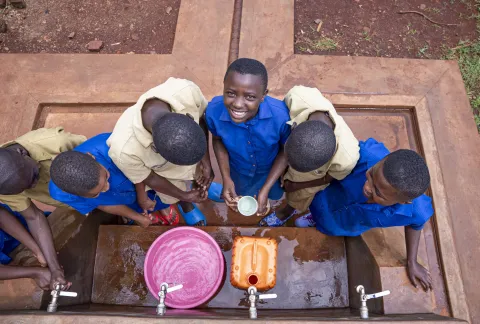
- Hygiene supplies are being distributed alongside community education on handwashing, reducing contact with infected individuals, and safe home-based care.
- Ring vaccination, combined with contact tracing and dedicated case management, is helping to quickly contain outbreaks and ensure people receive timely, appropriate care.
Despite progress, UNICEF calls for sustained support to strengthen Rwanda’s preparedness and protect communities from current and future outbrea