Ahead of the Virus: Preventing mpox in Eastern Rwanda
Quiet Mornings, Urgent Work
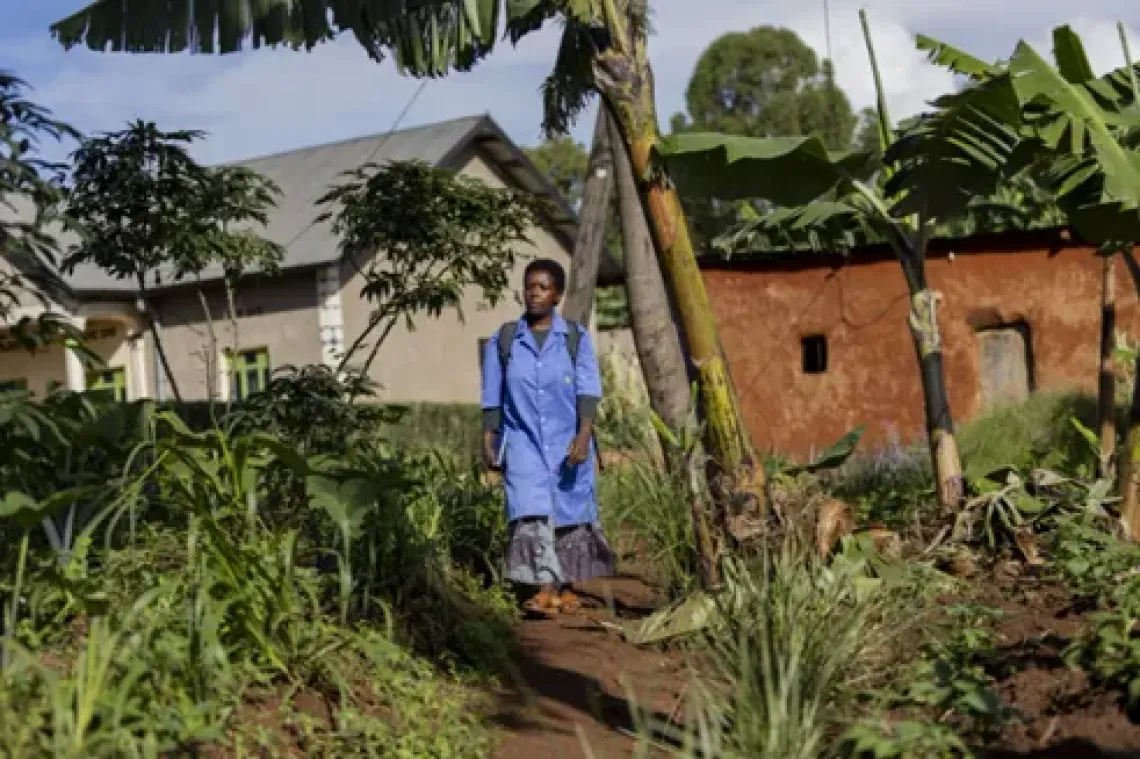
In Rwanteru village, Kigina Sector of Kirehe District in Eastern Rwanda, the morning begins as it always has. Brooms sweep the earth as women tidy their compounds and children weave between homes, their laughter cutting through stillness.
At first glance, nothing here suggests urgency. Nothing signals that this quiet community is on alert.
But for Murekatete Pereline, preserving these ordinary moments is what makes her work urgent.
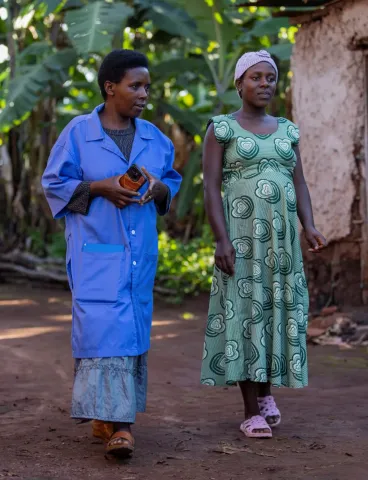
Pereline is a Community Health Worker (CHW), part of the backbone of Rwanda’s health system. She moves from household to household, sharing information that may never make headlines but could prevent them.
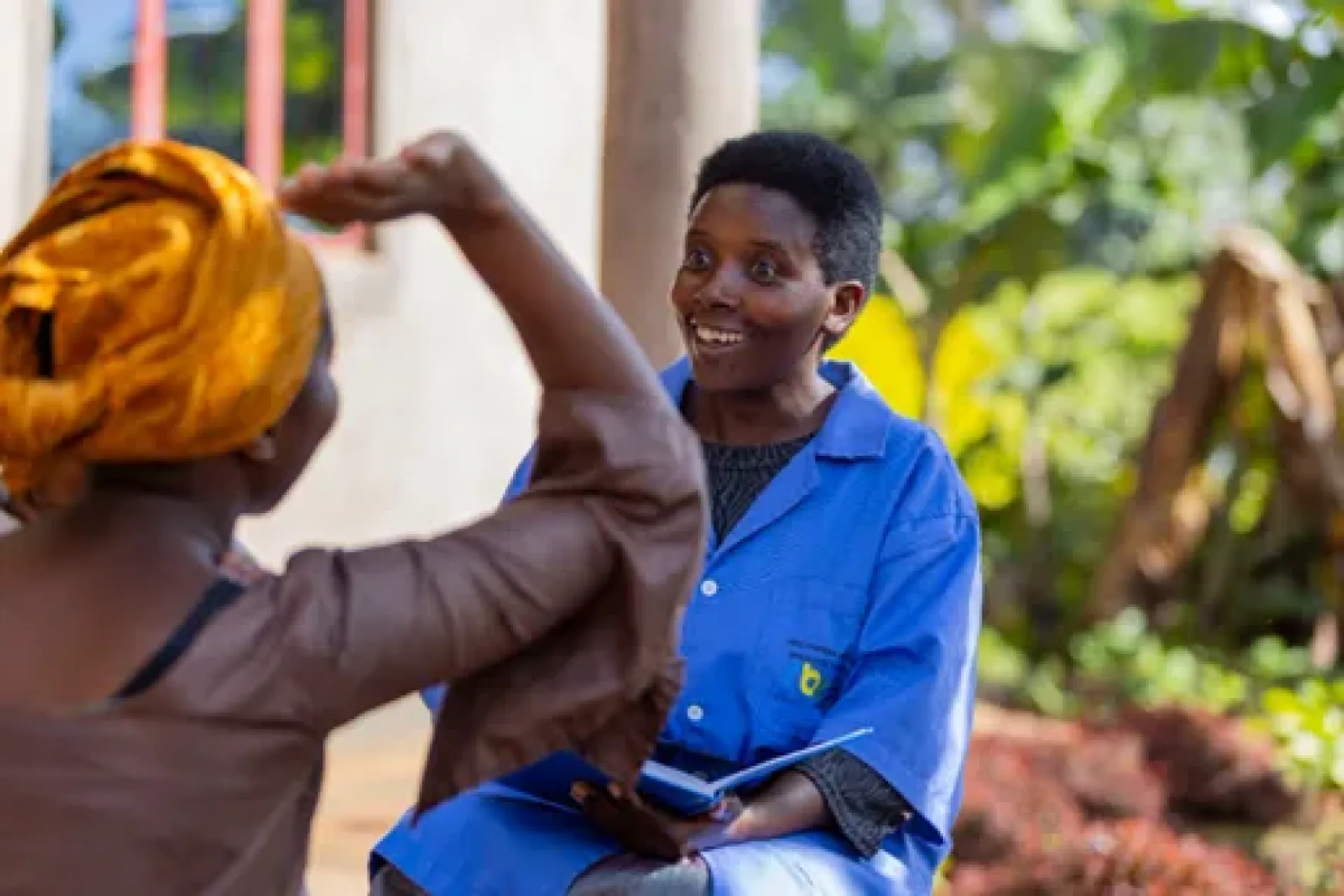
Her work is simple but demanding in practice. She teaches about mpox, how it spreads, and how to prevent it. She answers questions, corrects misconceptions, and keeps revisiting families with the right message until it is fully understood.
“You cannot just say it once,” she explains. “People need time to understand. Some have already heard things that differ from the facts and hold onto them.”
Rwanda confirmed its first mpox case in July 2024, following outbreaks in neighboring countries. The Rwanda Biomedical Centre (RBC) has reported 131 infections nationwide, and in border districts like Kirehe, the risk feels especially close.
“We live near the border, so people move often, increasing the risk,” Pereline says. “That is why we must be more careful.”
Building Trust, One Conversation at a Time
In communities where information travels informally, misinformation takes hold easily. When Pereline began her outreach, she encountered hesitation rooted in confusion.
“You teach someone, and they say, ‘that’s not what everyone’s been saying,’ so you must sit with them and untangle what they already believe.”
These conversations unfold in homes, under verandas or beside cooking fires, where trust grows through dialogue.
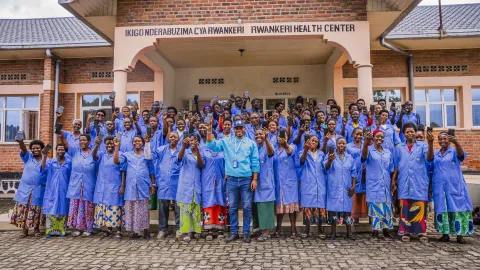
Behind her work is a structured training. It is through the funding from UNICEF USA/Latter-day Saint Charities (LDSC) that the RBC and UNICEF have been able to expand their efforts, training CHWs in high-risk districts like Kirehe to communicate about diseases like mpox effectively, and bringing life-saving knowledge and guidance to families, empowering them to protect one another.
As Pamela Mudakikwa, a Social and Behaviour Change Officer at UNICEF, puts it, “When we work together, we are able to equip frontline workers with the right knowledge and skills, ensuring communities are protected through timely and effective outbreak response and giving families the confidence that they are not facing health threats alone.”
A Mother’s Transformation
A few homes away, Dusengumuremyi Julienne sits on a low wooden bench, her eight-month-old daughter resting against her chest. The child reaches for her mother’s clothing, unaware of the caution shaping Julienne’s days.
When Julienne first heard about mpox, fear followed quickly.
“I was scared,” she says. “I thought about my baby, wondering how something invisible could so easily enter our home and harm her.”
The fear is not unfounded. According to a UNICEF press release from 2024, children under 15 account for a large share of mpox infections in African outbreak zones, with many severe cases and deaths. As of February 2026, the U.S. Centers for Disease Control and Prevention warned that pregnant and breastfeeding women face higher risk due to weakened immunity and close infant contact. Protecting mothers safeguards newborns and breaks household transmission.
Like many others, her understanding began with a visit from a CHW.
That moment marked a shift. Now, every action carries intention. She washes her hands before breastfeeding, preparing food, and after touching shared surfaces, watching what her child touches.
She looks down at her daughter. “Children are fragile. They depend on us for everything, so their safety is in our hands.”
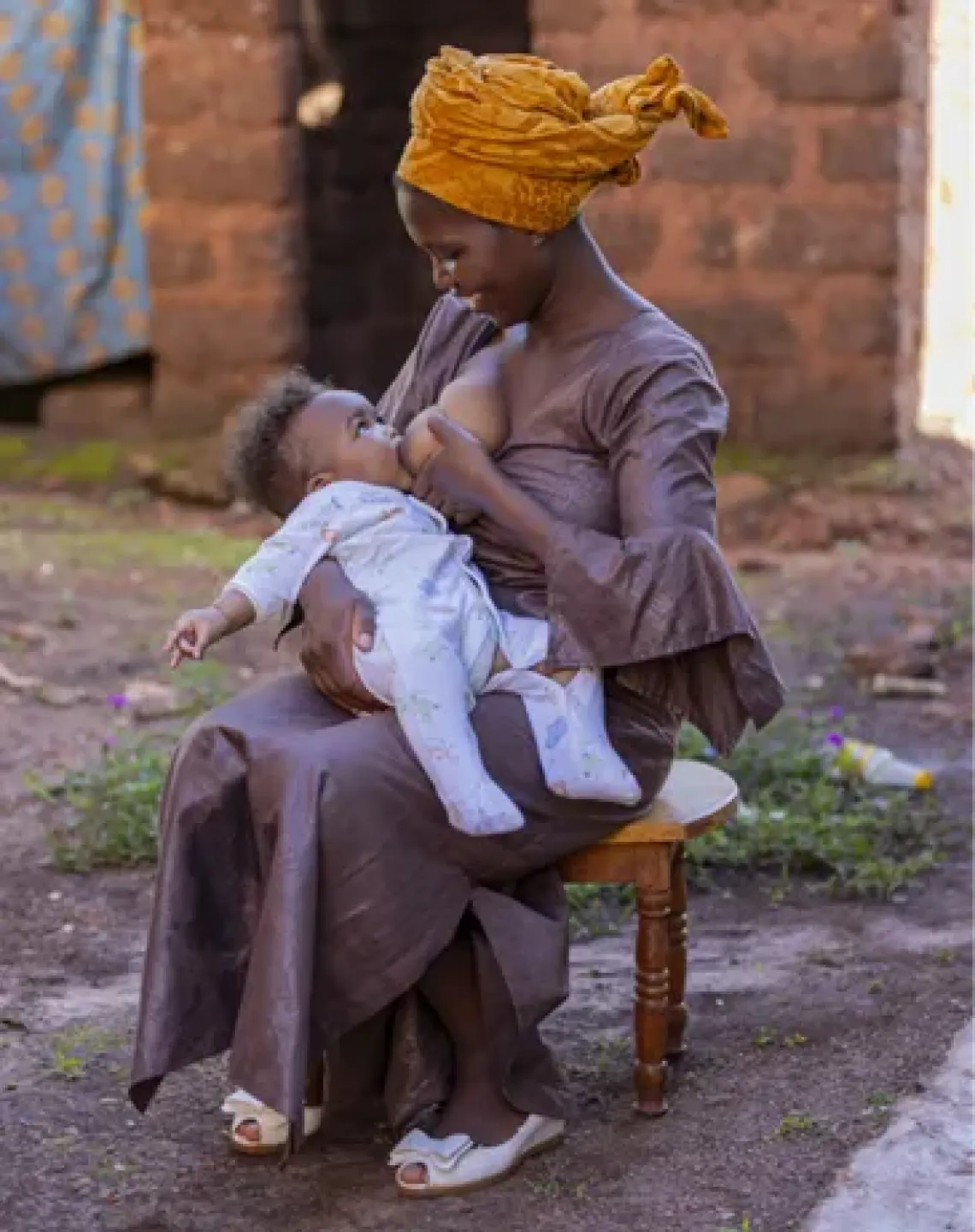
Prevention efforts focus on raising awareness and encouraging protective habits within families and communities. “To protect the youngest members of the community, the children,” Pereline explains, “we focus on educating parents. They are the first line of defense.”
She adds that awareness reaches children through schools and playgrounds, where simple practices like handwashing are introduced early.
From Fear to Action
“Before, people were accustomed to close physical contact,” Pereline explains. “They shared utensils and touched each other frequently. Now, we see a real change. Families have adopted hygiene practices, and behaviors have shifted.”
Simple preventive measures like frequent handwashing with soap and water, limiting close contact and early reporting, are effective ways to reduce transmission.
In Kirehe, these measures are now part of daily life. For Julienne, they are manageable.
“Cleanliness is not difficult,” she says. “It needs water and soap. That is all.”
What once felt like overwhelming fear has become part of daily habits that give people a sense of control.
Reaching Every Household
What makes these changes possible is not just the information, but its delivery. Pereline does not wait for people to come to her; she meets them where they are: at home, at gatherings, in everyday routines.
“Not everyone comes to meetings,” she says. “But when you sit with them in their home, they give you their time and ear.”
This door-to-door approach is central to Rwanda’s health strategy, emphasizing community engagement and outreach. No one is left waiting at the margins.
“I receive information as soon as it’s available,” Julienne acknowledges. “I don’t have to travel or wait.” She smiles. “And I trust it because it comes directly from our health workers, and not from secondhand sources that may not always have the full picture.”
She has also seen change in others. “Mpox caused a lot of fear at first, but now people are taking steps to protect themselves and those around them.”
CHWs observe shifts daily, from increased handwashing to more cautious sharing of items, demonstrating that families are applying the messages.
Holding the Line
Despite the risks, Kirehe has not recorded a single mpox case. For Pereline, this is no reason to relax, but to remain vigilant.
“Even though the virus has not reached us, the community is prepared,” she says. “People know how to recognize it, report it, and prevent it.”
In Kirehe, prevention lives in informed choices, daily habits, and the steady work of community health workers. For now, it is about holding the line and stopping the virus before arrival.