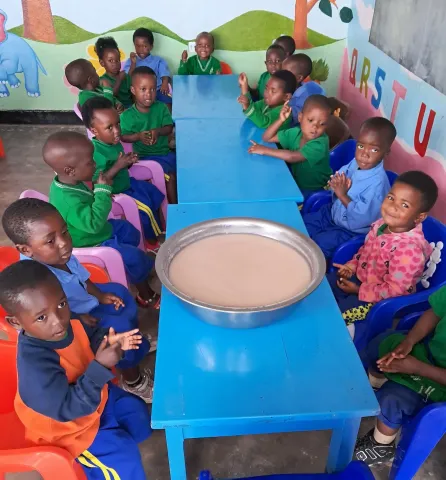
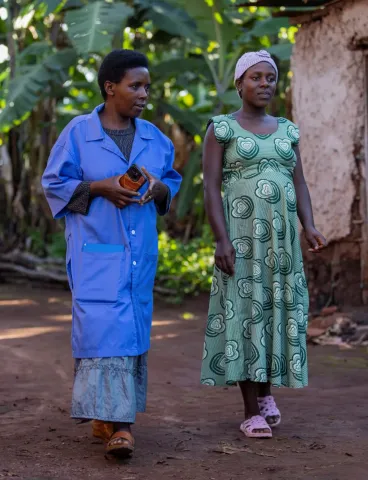
Access to safe water is restoring lives
In Rusizi, Rwanda, improved water systems are helping families, schools and health centres access safe water, supporting better health, learning and daily life
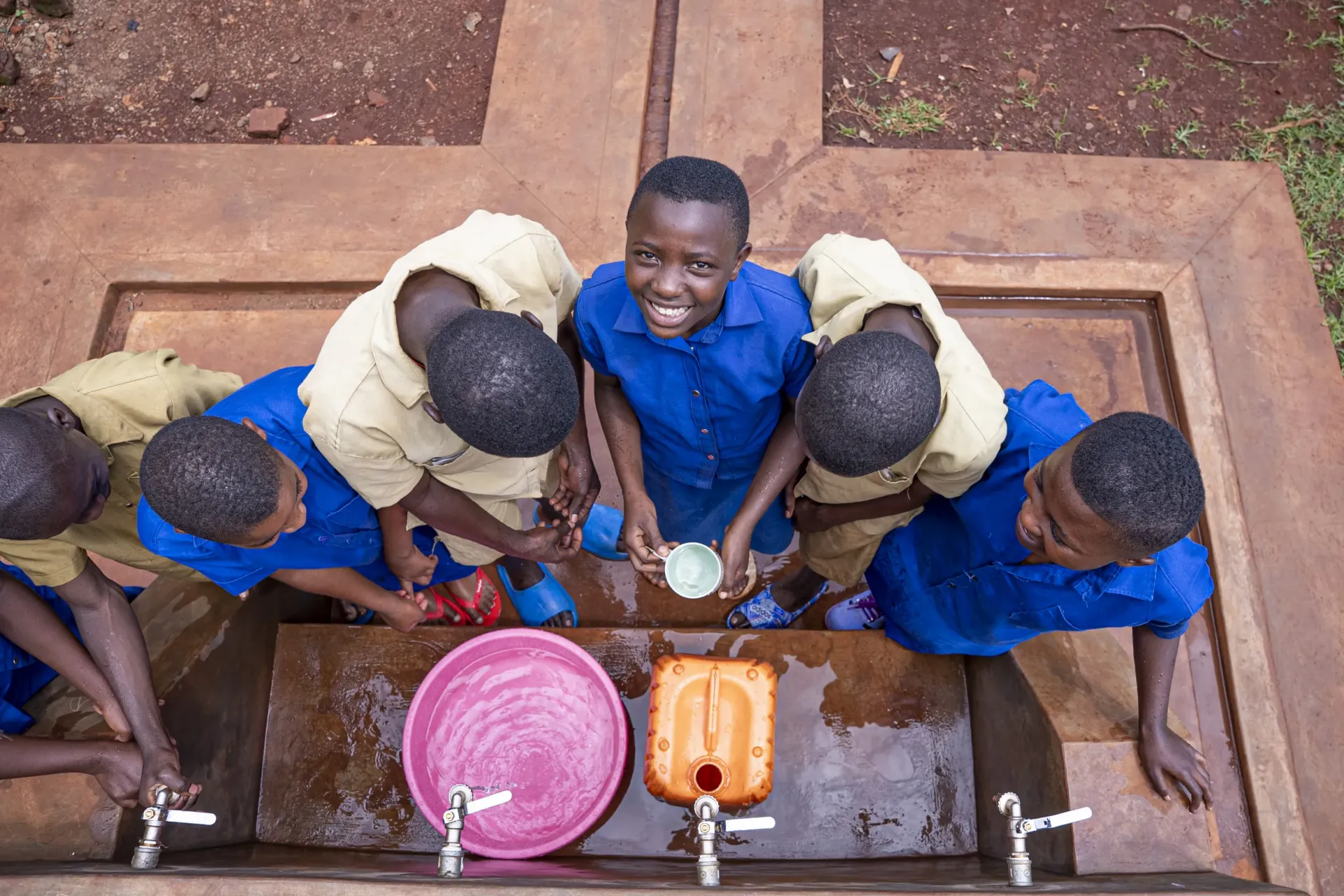
In parts of western Rwanda, access to water has long shaped how people live, learn and stay healthy. In communities affected by floods and landslides, families spent years without safe water, forcing them to walk long distances each day just to meet basic needs.
For Nsengimana Laurentine, a mother from Gikundamvura Sector, Rusizi District, each day used to begin with a long walk. Carrying an empty jerrycan, she would travel more than a kilometre to fetch water from the nearest water collection point. During the rainy season, the journey became harder as paths were damaged and water points became unsafe.
“Before the water system was rehabilitated, water was our biggest struggle. Every day started with a long walk to fetch it,” she says. “Now it is close to us. It has given us peace.”
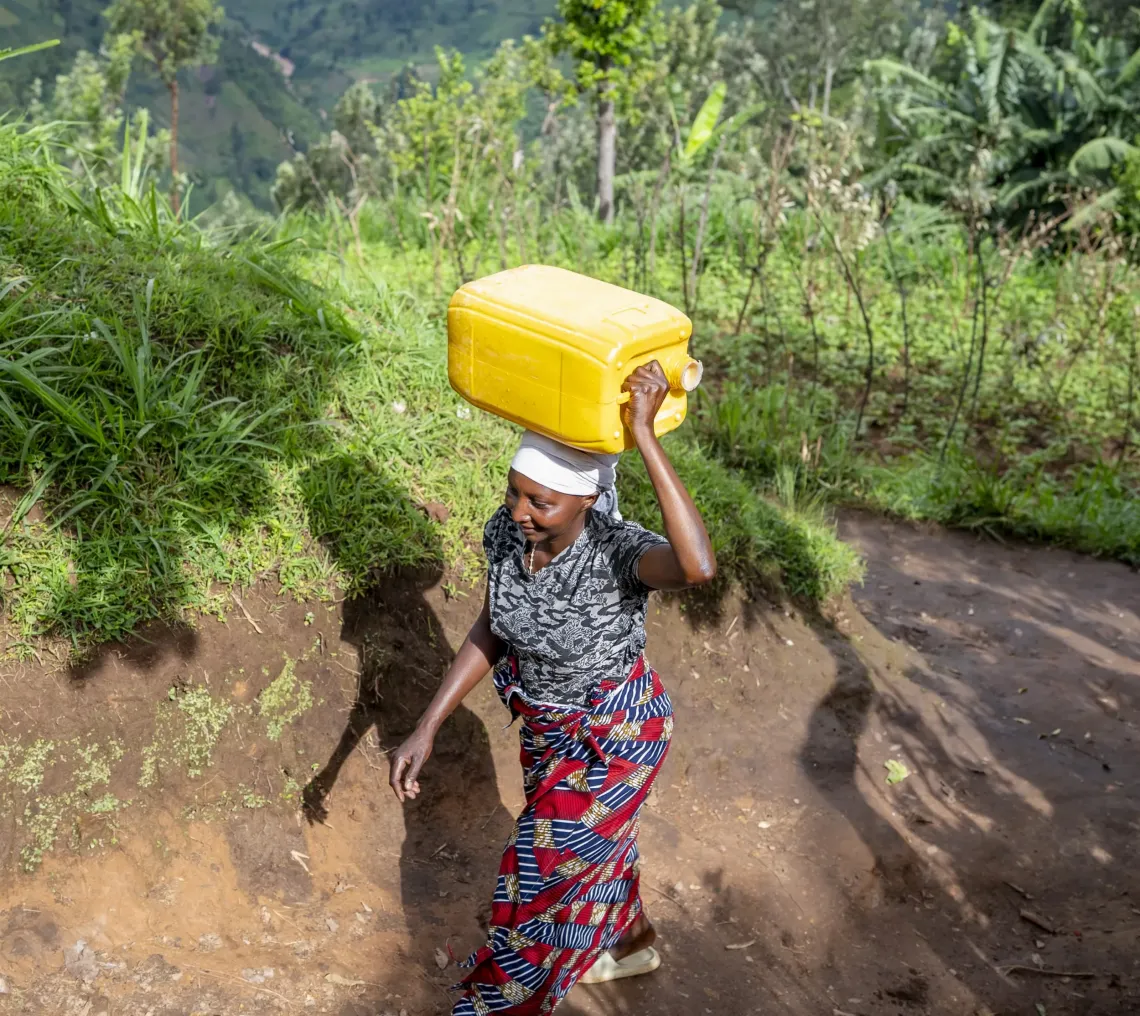
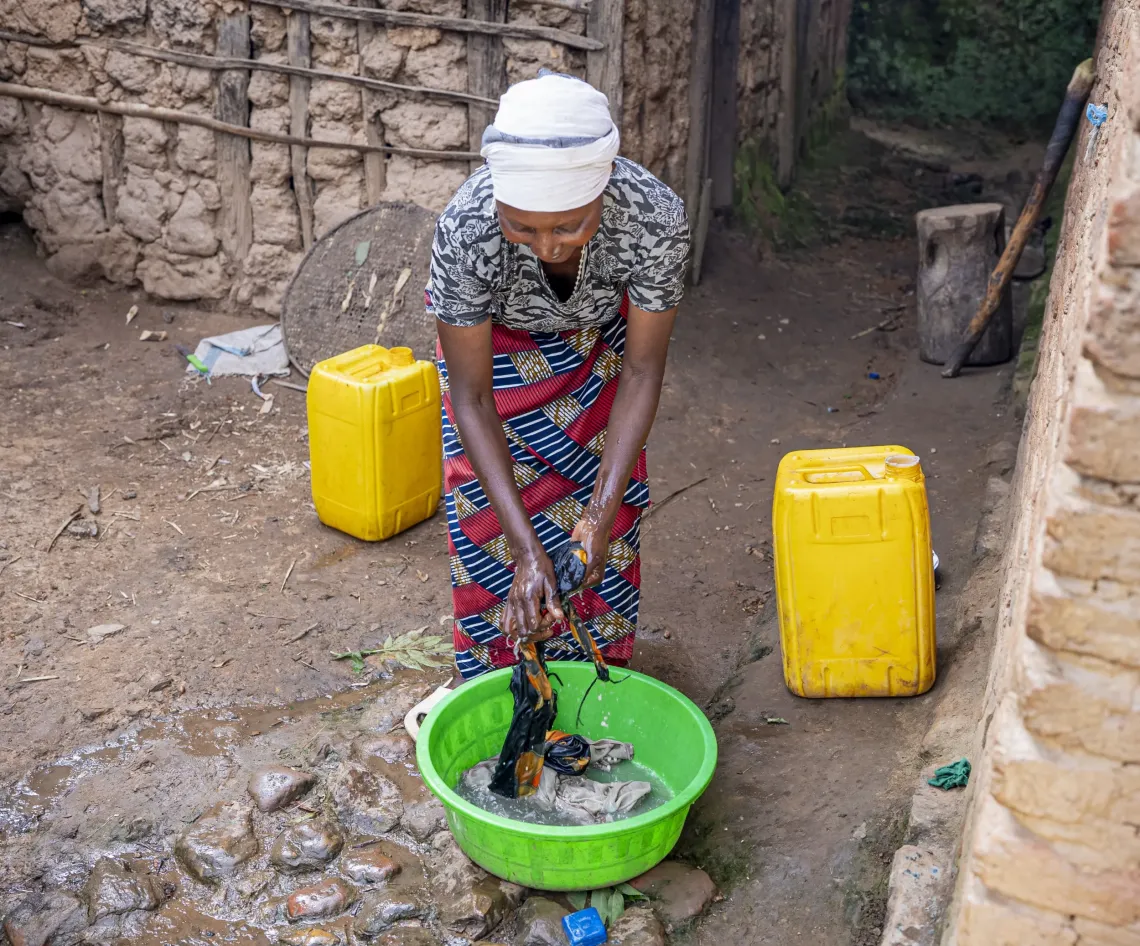
For the first time in years, she no longer worries about where the next jerrycan of water will come from. The struggle affected every part of daily life. Time that could have been spent caring for her children was lost. Keeping the household clean was difficult, and safe water for drinking and cookingwas especially hard to come by. For families already dealing with floods and landslides, the lack of water made life even harder.
During 2025 and 2026, with funding from the Government of Japan, UNICEF has supported the Rusizi District in implementation of a project to improve access to safe, climate resilient and reliable water supply for communities like Gikundamvura, where families have long faced unreliable supply of water due to damage caused to water supply systems by flooding and landslides.
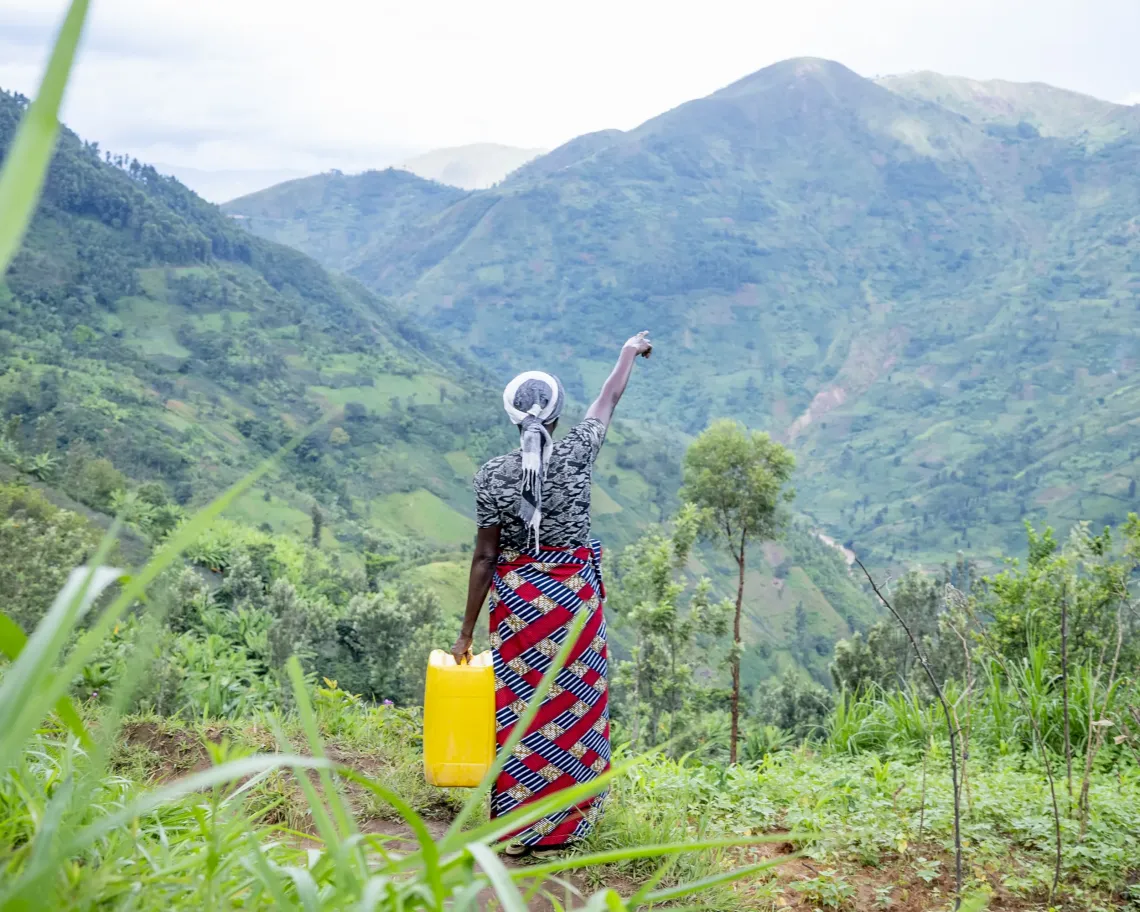
Nsengimana Laurentine’s story reflects what many families in the district experienced. In Western Province, floods and landslides continue to affect communities, with the Rwanda’s Ministry in Charge of Emergency Management (MINEMA) identifying 326 disaster hotspots, including 134 classified as high and very high risk, affecting over 31,000 people. Rusizi is among the vulnerable districts, with several high-risk areas impacting water access (MINEMA, 2024 Disaster Risk Hotspots Assessment).
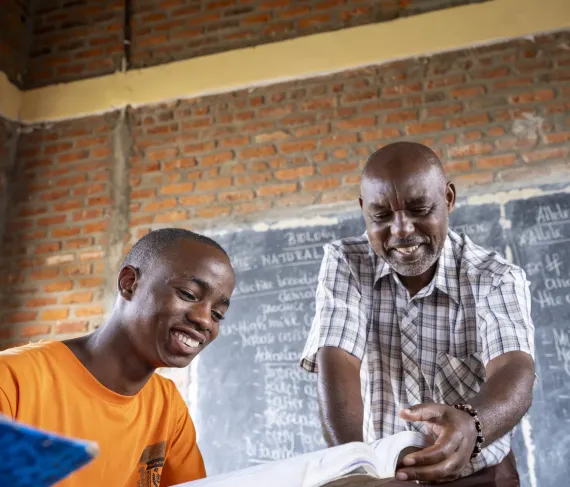
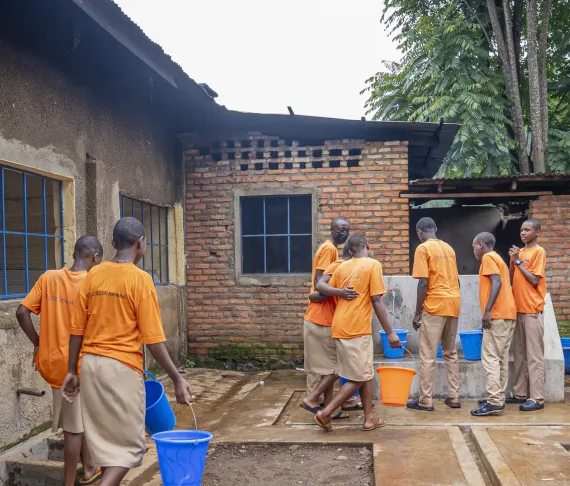
The impact of lack of water access went beyond the home and was felt strongly in schools. At College de Nkanka, in Nkanka Sector, Rusizi District, students spent five years without a reliable supply of water at the school. Each day, they left class to walk long distances and queue at water points shared with the community. The wait often took hours.
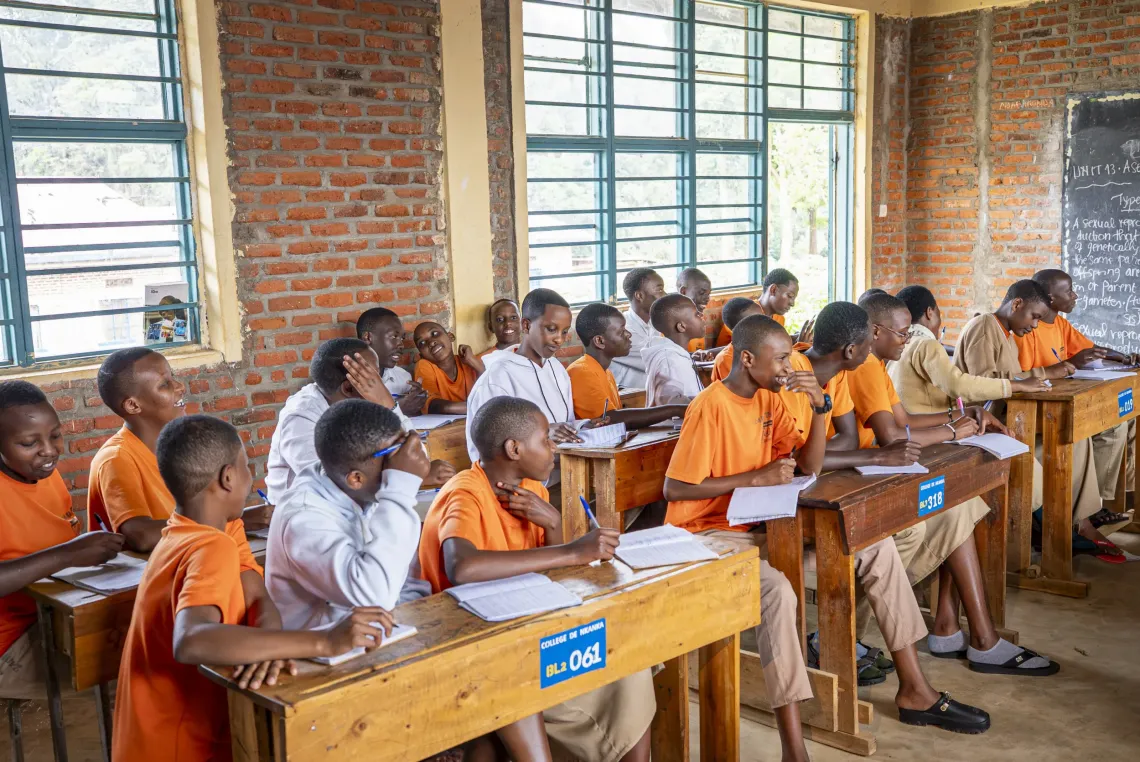
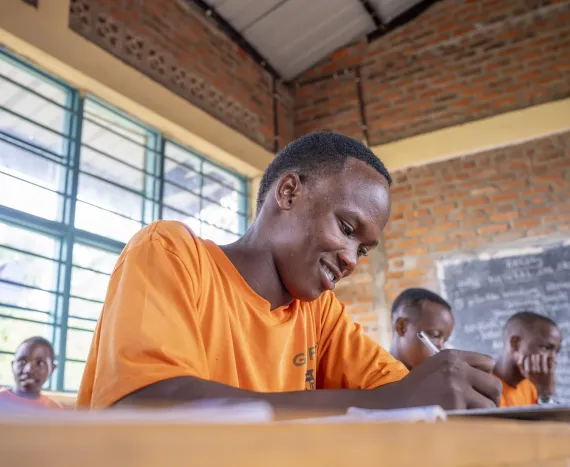
“ Earlier, the time we needed to revise our studies was spent walking long distances to fetch water, often facing risks along the way,” says Byishimo Fabrice, a student at College de Nkanka. “Now water supply has come at the right time, just before our national exams, and it is helping us prepare better.”
Without water, learning was disrupted. Students lost time for revision, struggled to keep up, and found it harder to concentrate. Across the district, 14 schools with nearly 15,000 students were affected.
“availability of safe and reliable water has changed the school environment,” says Simbarikure Cyprien, Director of Studies at College de Nkanka. “Students are present, focused, and learning without interruption.”
Health services faced similar challenges. At Nkanka Health Center, also in Nkanka Sector, Rusizi District, limited water made it difficult to provide adequate care to patients. Caregivers often had to bring water from faraway for patients when they came to the health facility for treatment.
“Before, caregivers had to bring water for patients. It was difficult and not safe,” says Nyirabasabose Béathe, Community and Environmental Health Officer at Nkanka Health Center. “Now we can provide care with dignity.
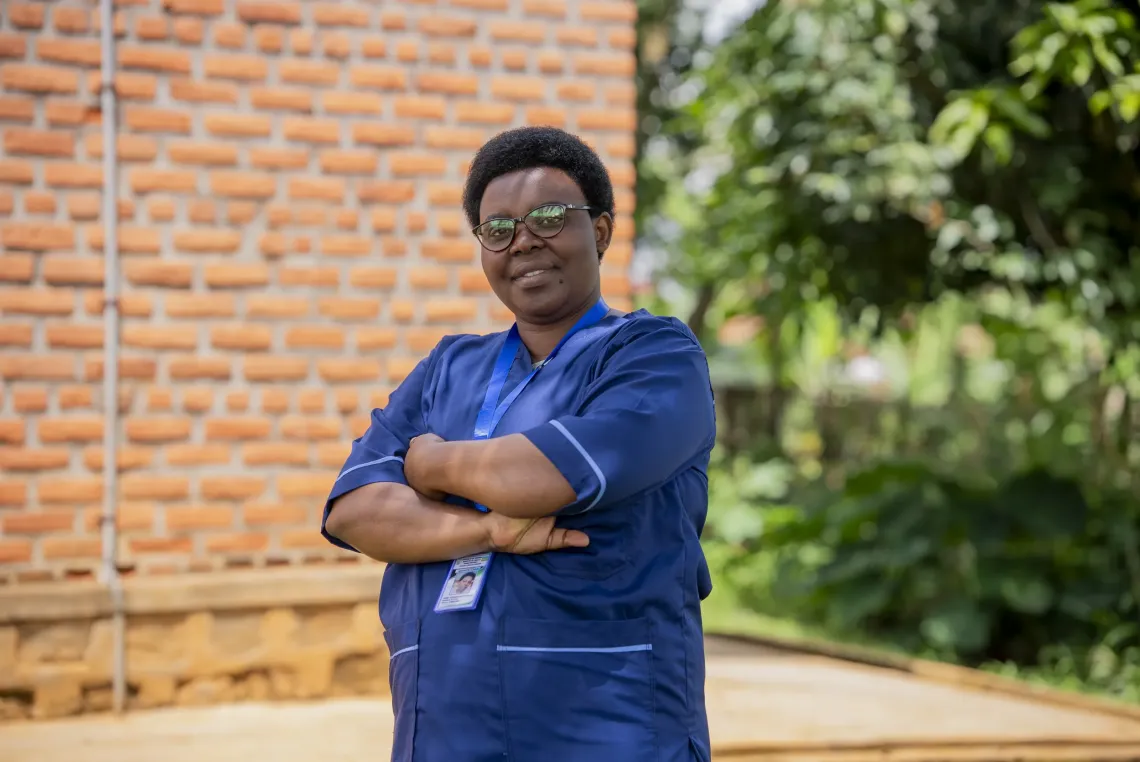
Seven health facilities in the district faced similar conditions. Without reliable water, maintaining hygiene and preventing infection was a challenge.
Communities needed a reliable and lasting solution. Today, that situation is starting to change. The Government of Japan and UNICEF-supported project has focused on repairing and expanding water systems across the district, while strengthening them to withstand floods and landslides. More communities have been reached than originally planned.
More than 50 kilometres of pipelines have been laid, along with new water points and storage systems. Across the district, safe water now reaches nearly 43,000 people, including 17,416 who did not have access before. Schools are functioning better, health services are safer, and families face fewer risks.
For Laurentine, the change is clear. “Now water is close,” she says. “We can collect it easily, and it is safe.” Time that was once spent walking is now used at home with her children. Daily life feels more stable, and hygiene at home has improved.
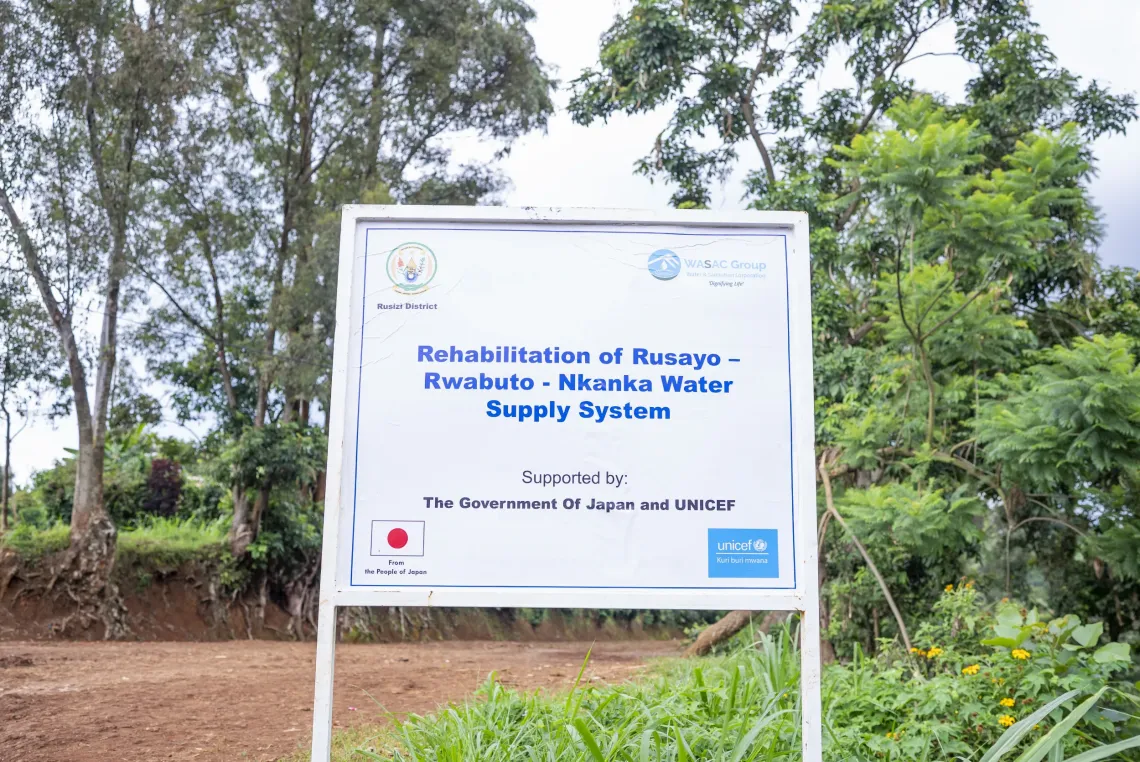
The changes can be seen across the district. At College de Nkanka, water is now available on site. Students stay in class and follow their lessons without interruption. Class attendance has improved.
Now we stay in school,we don’t lose time anymore.
At Nkanka Health Center, care has improved. Health workers can maintain hygiene, clean equipment and provide safer services. Caregivers no longer need to bring water for patients.
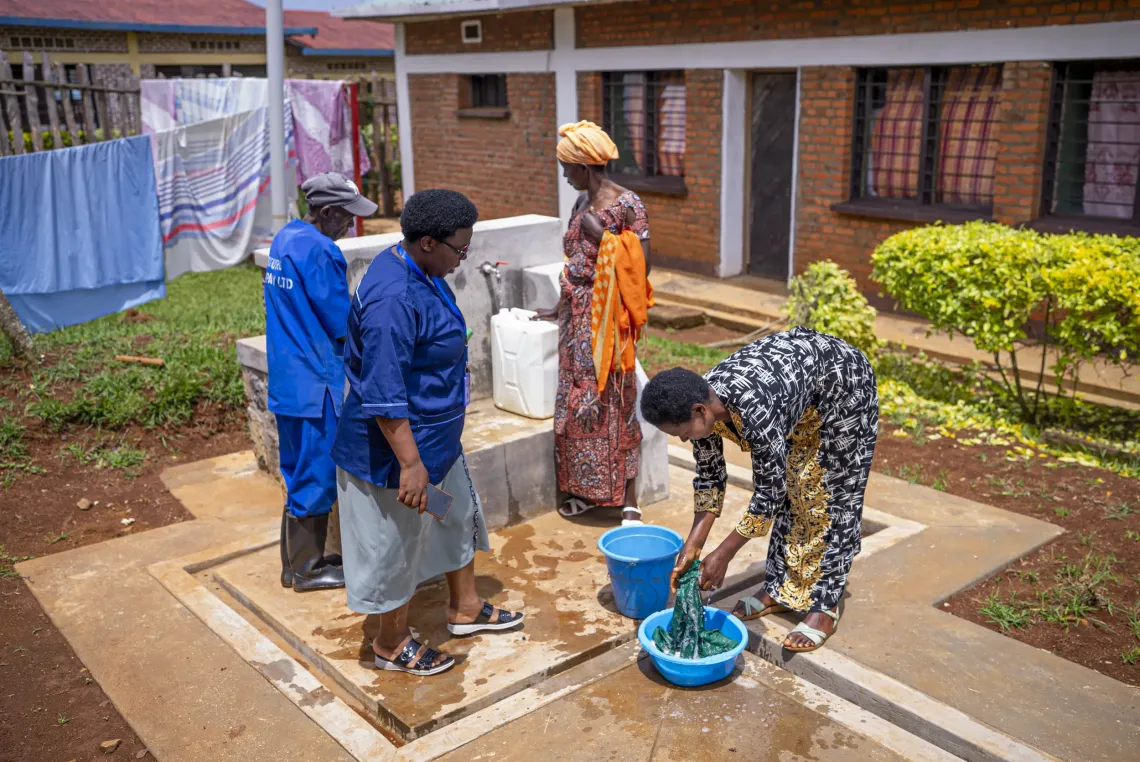
“Now we can maintain hygiene, clean equipment and provide safer care,” Béathe explains.
For women and girls, who are often responsible for collecting water, the change is significant. Less time spent walking means more time for school, work, and family life.
“Water has brought stability to our community,” says Harerimana Jean Damascene, the head of of Muramba village. “People are healthier, and life is improving.”
Many communities remain at risk from future floods and landslides, which can damage water systems again. Continued investment is needed to extend access and protect the progress already made.
Safe water supports education, improves health services and helps families live better. Access to safe water is restoring lives and with continued support, this change can reach every community still left behind.
=============================================================================