Reducing maternal and child deaths in Rwanda, one hospital at a time
With support from Takeda Pharmaceuticals, UNICEF is helping train medical staff in Rwanda’s hospitals so they can save the lives of prematurely born children and their mothers.
- English
- Kinyarwanda
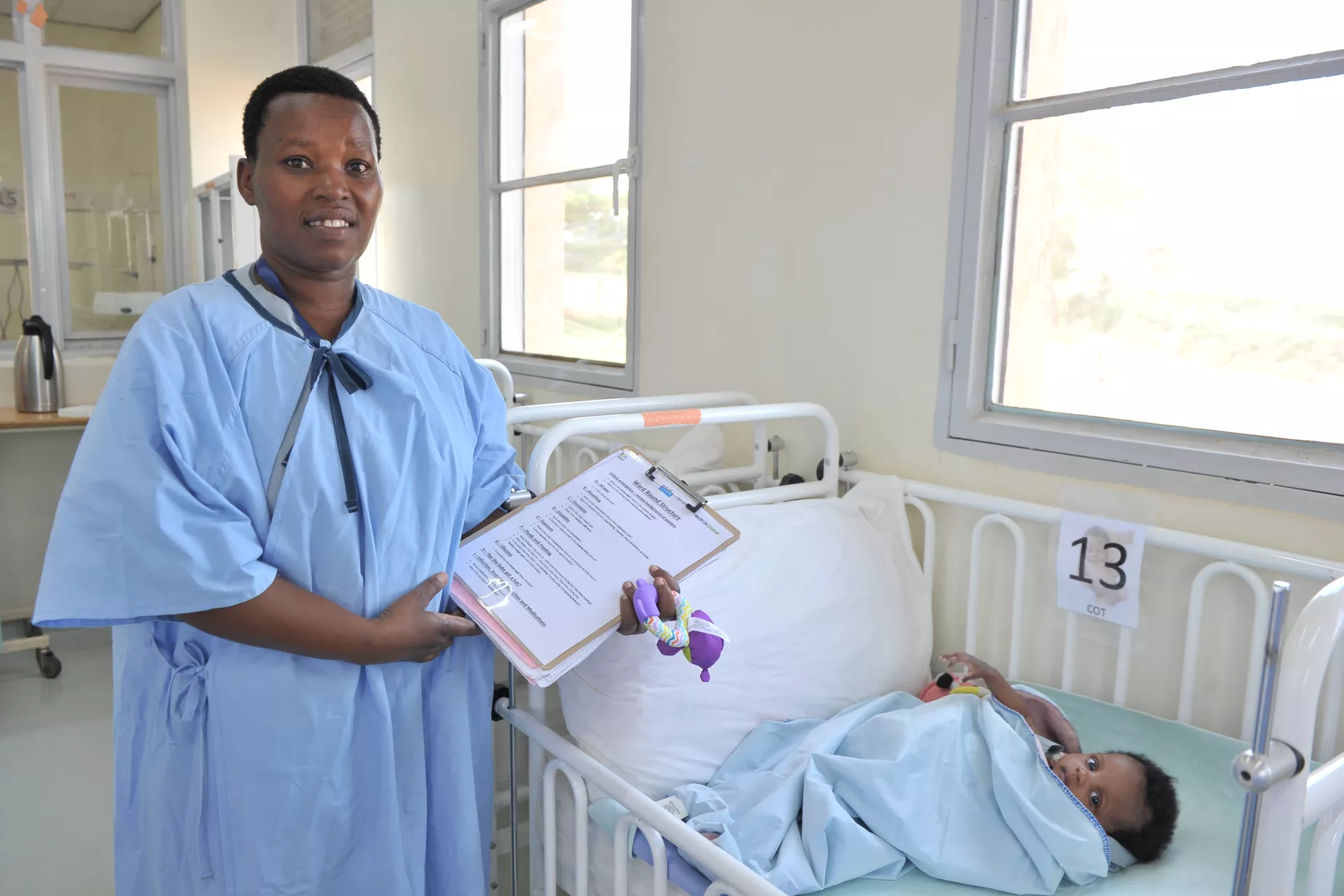
KAYONZA, Rwanda – For Jacqueline Mukawiringiye, logging 12-hour shifts in the neonatology ward has not dampened her passion for the job. As head paediatric nurse at Gahini Hospital, she often bears the brunt of heavy workloads, but it only reinforces her feeling of fulfilment after a long day.
“My work is more of a calling than a profession,” she says.
But one part of her job always leaves her feeling devastated – and at times, inadequate: delivering babies prematurely.
“I sometimes feel that I do not have the necessary skills and equipment required to give these tiny babies a fighting chance.”
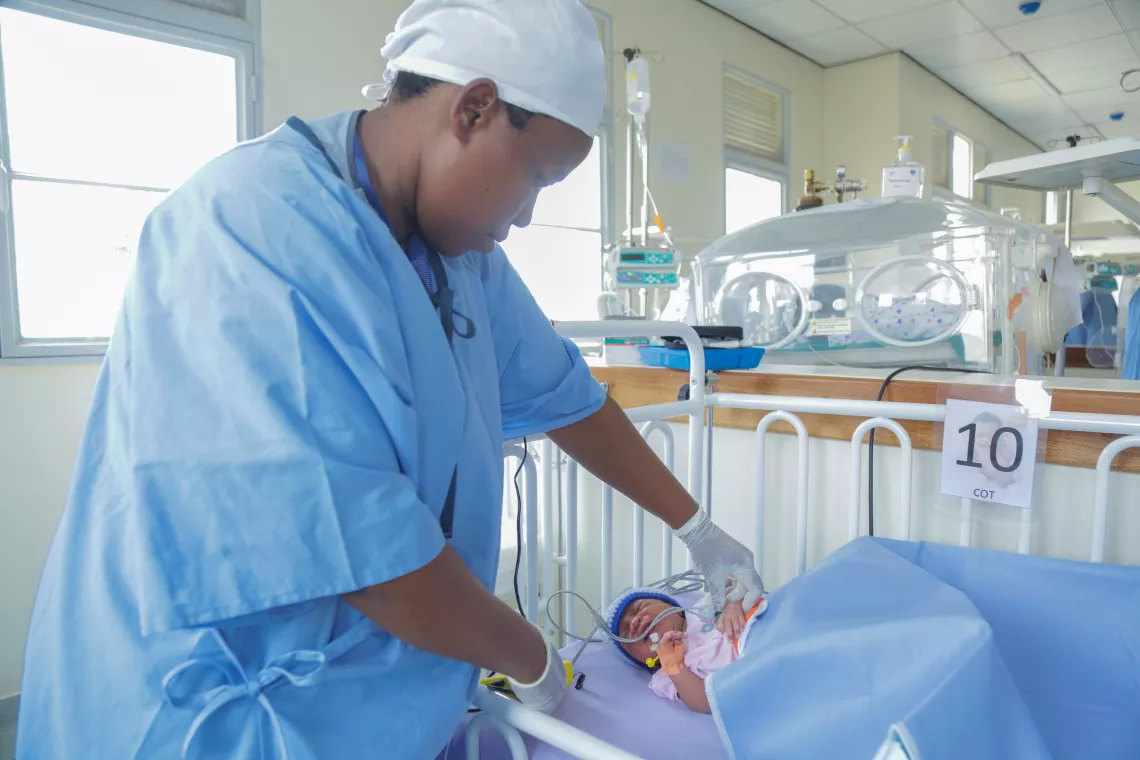
The dangers of premature birth
Jacqueline knows that it’s not only about surviving a premature birth, but about leading a full and healthy life as a child and young adult. When a baby is born premature, they risk serious health complications that linger as they grow. According to the World Health Organisation, in most cases of pre-term childbirth, both the baby and the mother are at high risk of not surviving the delivery. If they do survive, there can be multiple post-operation complications that can encumber the baby and the mother – often for the rest of their lives – if both are not adequately cared for.
Thankfully, this is no longer the case for Jacqueline. With funding from Takeda Pharmaceuticals through the Japan Committee for UNICEF, UNICEF Rwanda facilitated a sixth-month residency at Gahini Hospital for two doctors from the Royal College of Paediatrics and Child Health in the United Kingdom. Doctors and nurses were also placed in other Rwandan hospitals with high caseloads of premature deliveries.
During this residency, Jacqueline worked alongside the British doctors, gleaning their skills, knowledge and insights on handling premature and at-risk births.
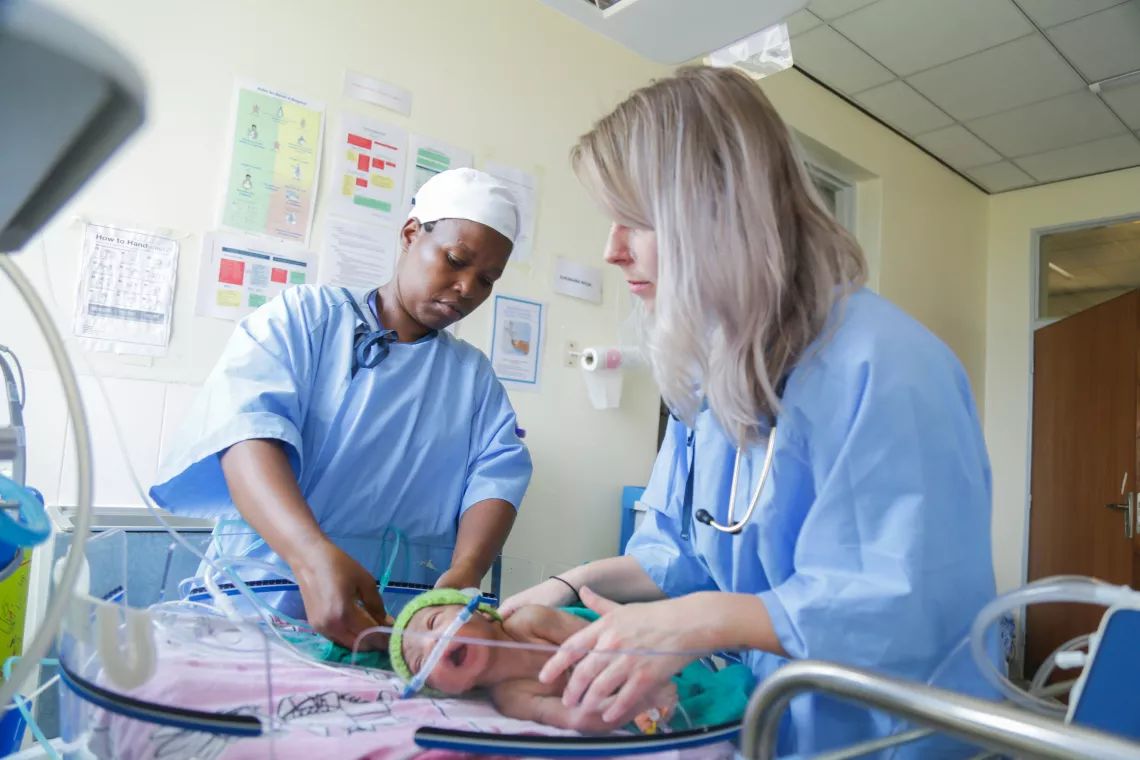
Reducing risky births and newborn deaths
The results of this initiative have been outstanding. At risk births have been drastically reduced, saving the lives of an untold number of newborn babies delivered at the hospital. The medical staff is now better equipped and more knowledgeable on how to deal with cases of premature birth.
“All the nurses and midwives at the hospital seized this opportunity with both hands,” says Jacqueline.
“We all understood that such an opportunity to work with and learn from world-class doctors does not come along too often. Also, the doctors were so friendly and approachable, which made it easier to build up a rapport with them,” she adds. “We did rounds together, and this helped me learn a lot from the visiting doctors.”
“The most critical skill I gained is to be more proactive and organized in my interactions with patients."
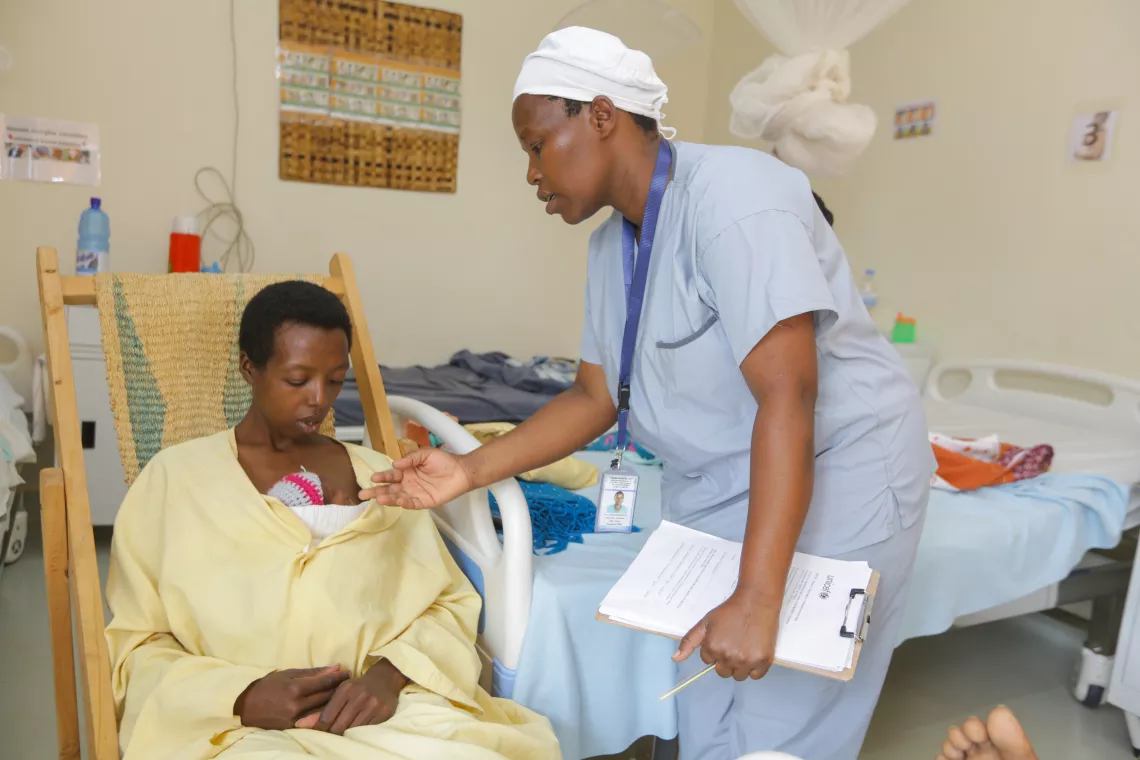
Improved planning and treatment
The Rwandan medical staff now hold weekly meetings to discuss all current cases at the hospital and plan how best to treat each patient.
“We also do peer-to-peer quality assurance on the cases we are dealing with collectively, and place more importance on data collection to spot trends,” says Jackie. “We did not have this level of organization before.”
“As nurses, we now feel much better equipped to handle cases and play a larger and more proactive role in providing top-notch healthcare to our patients,” Jacqueline says proudly. “We have set a target of 100 per cent complication-free deliveries in this hospital, and I am sure we will eventually meet this target.”