Scooters, dinosaurs and new friendships
26 children from the “Bucium” Centre in Iași discover Bucharest with support from UNICEF
- English
- Română
Do you remember what it feels like to hop on a bus early in the morning, backpack on your shoulders, and your heart racing with excitement? Picking a seat next to your best friend, pressing your forehead against the window, and watching your hometown fade into the distance as laughter and the first lines of a song begin to fill the air? That’s how many childhood memories are made, and that’s exactly how the trip began for a group of 26 Romanian and Ukrainian children from the “Bucium” Social Services Centre in Iași, as they set off with enthusiasm to discover the capital city of Romania.
The “Bucium” Centre, run by the Iași General Directorate for Social Assistance and Child Protection and supported by UNICEF, has become a safe shelter and a new home in Romania for many refugee children from Ukraine. 11 children evacuated from a residential care center in Dnipro now live at Bucium, alongside Romanian children from the child protection system.
Children evacuated from residential care in Ukraine have been in Romania for over three years now. During this time, they’ve been enrolled in Romanian schools, learned the language, and taken part in community inclusion activities. Some of the children have returned to Ukraine and were reintegrated into their families or into foster care, while others still need protection in Romania. There are also children who have reached 18 years old and have chosen to stay in Romania and continue their studies or build a life here.
The journey to Bucharest was an unforgettable experience in itself. “The long road to our destination wasn’t a problem at all. The children played games, sang songs, and listened to music on the bus; there was a joyful atmosphere the whole way,” said Ana-Maria Radu, an educator at the “Bucium” Centre and one of the chaperones on the trip.
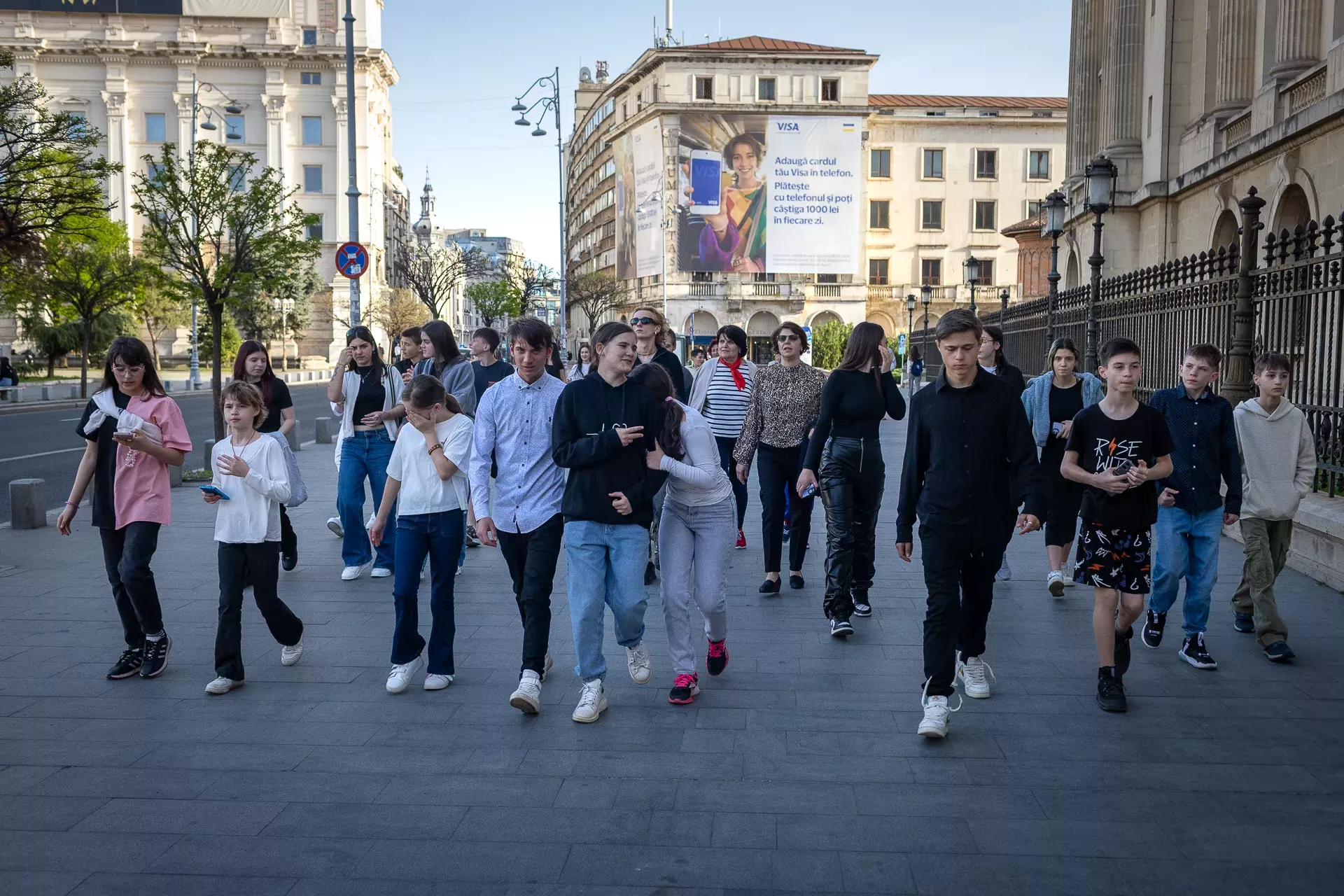
Once they arrived in the capital, the children were greeted by the city’s bustling energy and a string of fascinating discoveries: scootering along Calea Victoriei, snapping photos with the Arch of Triumph, strolling and posing for pictures in Herăstrău Park, visiting a dinosaur exhibition and the famous “Grigore Antipa” National Museum of Natural History. At the museum, they were all in awe.
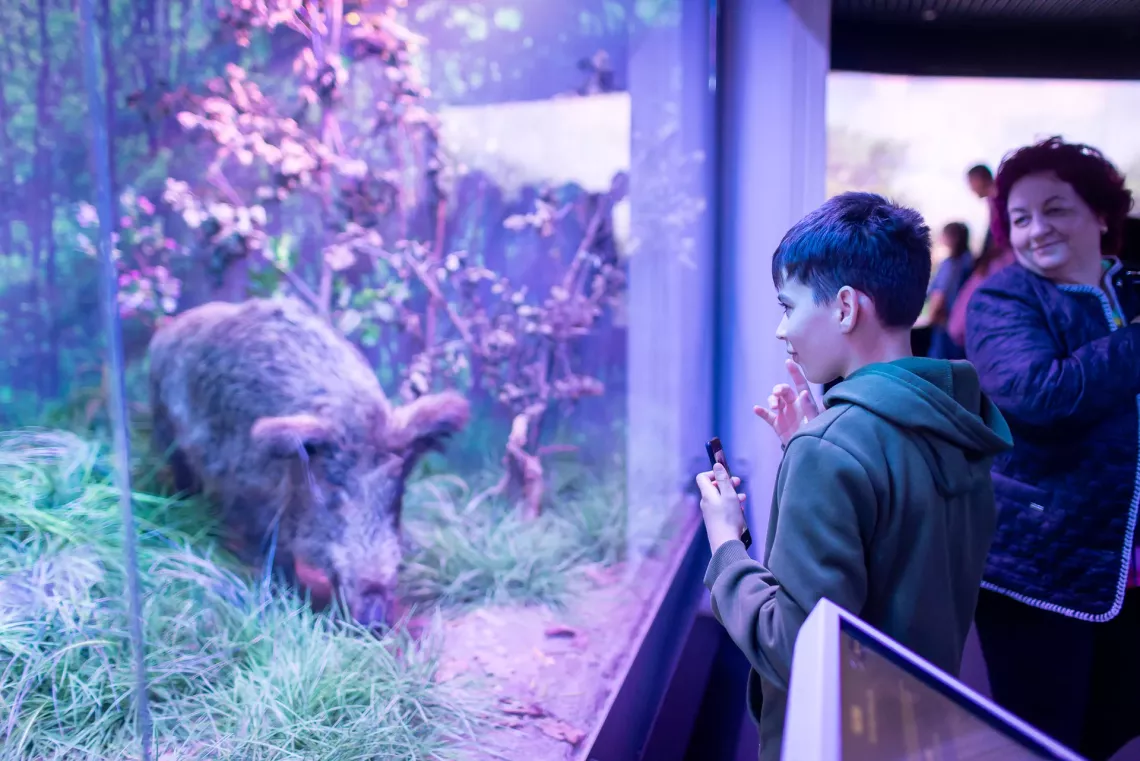

“Some of the children said they had long dreamed of visiting the museum, and now they finally had the chance. You could see the excitement, joy, and wonder written all over their faces. When I asked what they liked most about the museum, they said, ‘Everything!’. The butterfly exhibit, the rare animals and birds. They were especially impressed by how the museum shares information electronically, at the touch of a button or a simple tap on a screen,” said Adriana Ciobăniță, one of the accompanying educators.
The children also attended a performance at the National Theatre in Bucharest and explored the Old Town, wandering among historic buildings and soaking in the city’s vibrant atmosphere. They truly enjoyed every moment, walking, laughing, asking questions, and marveling at everything around them. With each shared activity, their bonds grew stronger. “The trip to Bucharest was one of the most beautiful experiences I’ve ever had. We became really close, we laughed together, and we made memories that will stay with us,” said Giovana, 15, from Romania.
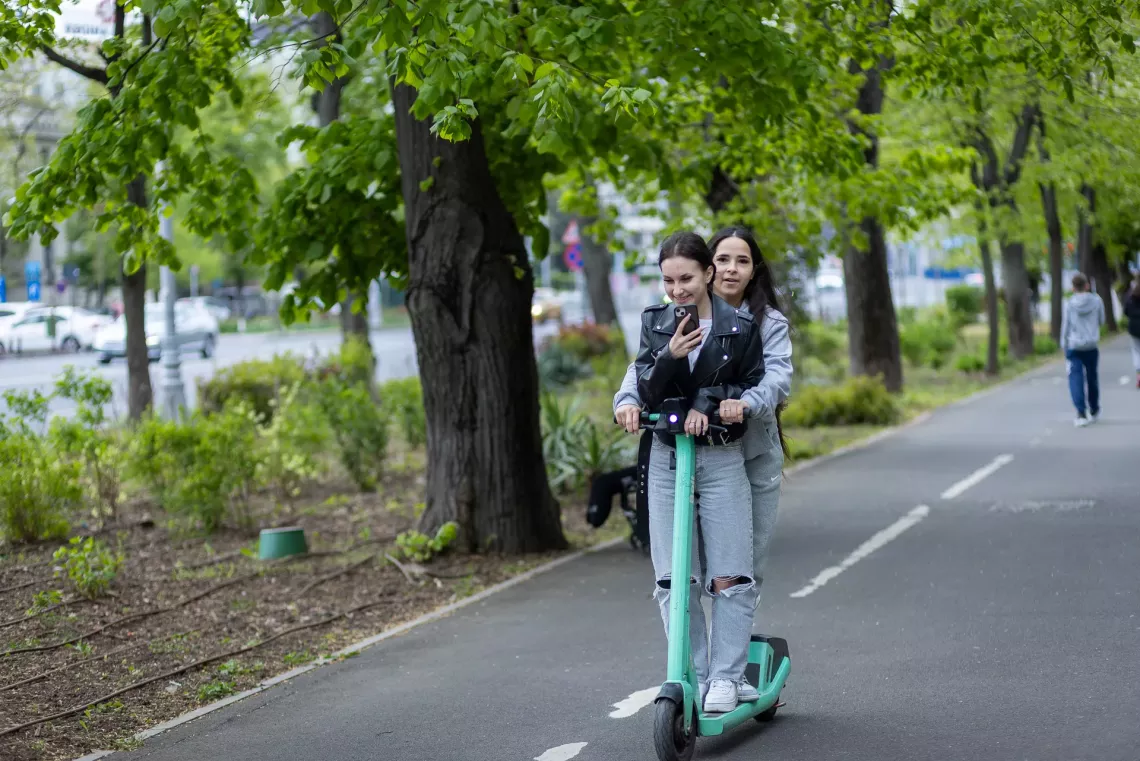

For Karina, a 17-year-old from Ukraine, the trip was a meaningful step toward connecting with her new community: “What surprised me most about Bucharest was the mix of old and new—impressive historic buildings standing next to modern architecture, and huge parks right in the middle of the city’s hustle and bustle. I didn’t expect to find such a big, welcoming, and green city. The trip helped me understand Romania better and feel closer to my Romanian friends. Even though we come from two different countries, I didn’t feel any barriers. We laughed, had fun, and learned together.”
Experiences like these are essential for the holistic development of children. They help build social, emotional, and cognitive skills, giving children the chance to learn through direct, hands-on experience. Discovering Romanian culture and history, jointly by Ukrainian and Romanian children, is especially important for fostering social inclusion, respect for diversity, and a sense of belonging.
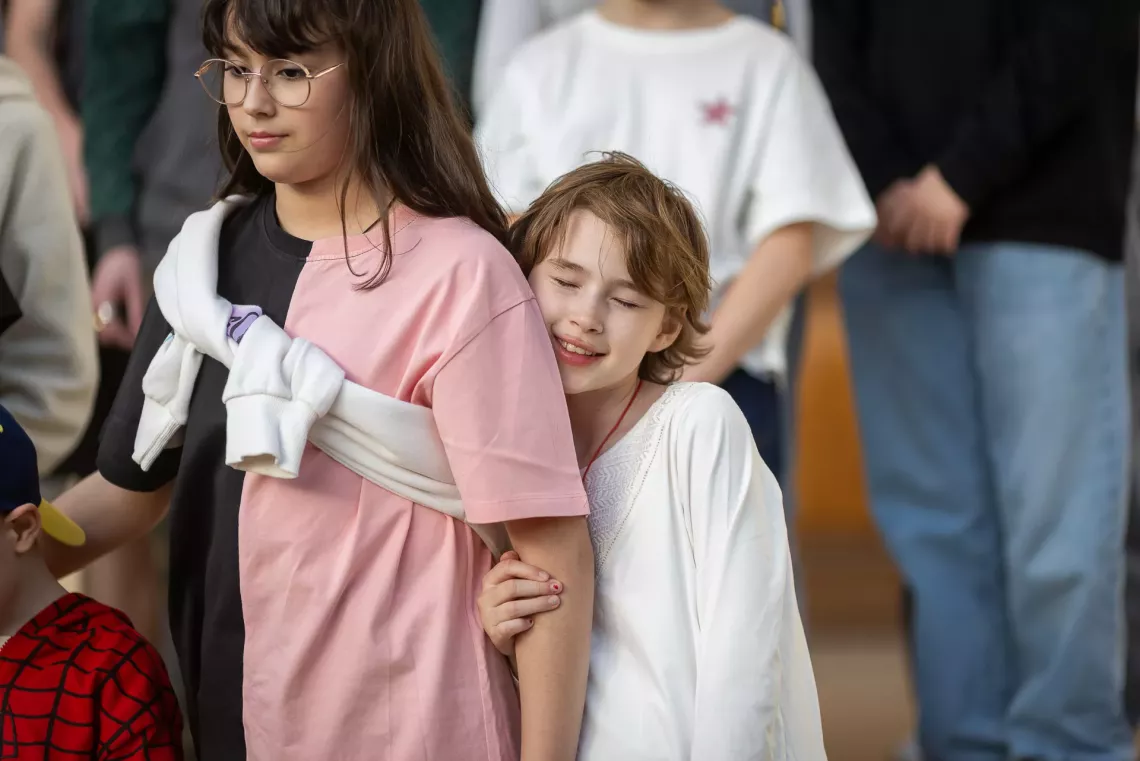
The trip was designed as an opportunity for learning, relaxation, and strengthening the bonds between the children living together at the “Bucium” Social Services Centre in Iași. Though they come from different cultural backgrounds, some Romanian, others refugees from Ukraine, they share the same spaces, routines, and dreams. This break from the everyday gave them a chance to discover a new city together, to have fun, explore, and create memories that will stay with them for a long time.
This activity is part of UNICEF’s broader efforts to support the social inclusion and well-being of vulnerable children, along with strengthening the capacity of local authorities to protect and support Ukrainian refugee children and families by enhancing coordination, improving referral systems, and expanding access to essential services as part of the Blue Grid initiative. The trip was made possible with the support of the United States Department of State Bureau of Population, Refugees, and Migration, a strong partner in protecting and promoting the educational integration of Ukrainian refugee children in Romania.