A dream about home
As they rebuild their lives in Romania, a Ukrainian mother and daughter carry the hope of one day returning to their country

- English
- Română
She kept telling herself it was temporary. Just a few days, at most. But every morning, Galyna woke up next to her daughter in the same dim hotel room, staring at the ceiling, waiting for the phone to ring. Outside, the foreign city of Galați, Romania, bustled; people went about their day carelessly and children played in the street. Inside, she paced between calls, waiting for the next news from home and wondering how their life had unraveled so fast. It felt like a bad dream that kept repeating, and she couldn’t wake up from it. Only it wasn't a dream; it was the new life she never asked for, far from her hometown in Ukraine, with her five-year-old daughter clinging to a few toys and a blanket that still smelled like home.
Back in Mykolaiv, Galyna was a teacher, living with her husband just minutes away from her childhood home, where her parents still lived. Their daughter, Polina, was in her last year of kindergarten, so they were visiting schools and planning eagerly for her first grade. Weekends were spent in the garden, surrounded by family and the smell of her mother’s pastries wafting through the air. It was the best kind of ordinary life: quiet, full of love, and never meant to be left behind.
Then came the night in the hallway.
The air raid sirens had been sounding in Mykolaiv for days, distant at first, like a warning carried on the wind, a sign that danger was creeping into the city. But that night, something had changed. The explosions felt louder. Closer. It felt like the whole building was shaking under the weight of the coming war, and Galyna and her husband spent the night in the hallway, holding their five-year-old daughter between them as they waited for morning to come. “We could hear everything getting closer, the bombs, the gunfire. The troops were getting closer to the city,” Galyna remembers.
By morning, the decision was clear: Galyna would take Polina and leave Ukraine. It was a choice she never thought she'd face, but one she had to make for her daughter’s safety. Her husband had to stay behind, but he managed to arrange transport with the help of his work colleagues. With the clock ticking, Galyna only had two hours to pack what she could: a small bag of clothes, two of Polina’s favorite toys, and the blanket from their bed. Everything else, their home, their life, they had to leave behind.

Galyna remembers the road to the border itself as clearly as she remembers the fear she felt, the pressure to stay calm and to make the journey feel safe for her child. Polina sat beside her, clutching Bim, her beloved plush dog, and asking the kind of questions no mother ever wants to answer: “Mommy, where are we going? Why isn’t Daddy with us?”. “We’re just going on a trip,” Galyna told her gently. “It’s a new country, just for a little while. We’ll draw pictures for Daddy and send them to him.”
It was cold, and the queue at the border stretched on for hours. Polina had lost her gloves somewhere along the way, and Galyna still remembers how grateful she felt when volunteers handed them warm drinks, sandwiches, and a new pair of gloves. She also received a Romanian SIM card, a number she still uses today. “These were small things, but they meant so much to us. We met many kind people in Romania.” At the Blue Dot supported by UNICEF and its partners, she was given practical information about medical care, education, and who to contact for support. This is how Galyna found out about a housing program in Bucharest, so they decided to go there.

At first, the transition was difficult. Polina’s first experience in a Romanian kindergarten was painful, as language barriers, unfamiliar routines, and a sense of being different left her feeling isolated. Around the same time, Galyna found a job at a Ukrainian educational hub in Bucharest and decided to enroll Polina there as well. Surrounded by familiar sounds and supportive teachers, Polina slowly began to feel like herself again.
At home, the mother and daughter studied Romanian together, one word at a time. “Learning Romanian was hard at first, but then I got much better at it,” says Polina proudly.

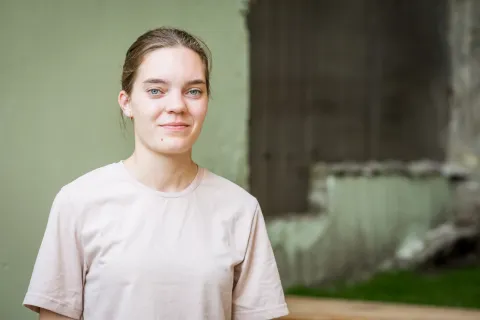
Galyna and Polina now live near a park, where they go roller-skating together and feed the ducks on the lake. On weekends, they sometimes visit the fountains at Unirii Plaza, which is one of Polina’s favorite places in the city. She is a cheerful child, surrounded by friends from both Romania and Ukraine, and she is speaking Romanian with confidence.
“I’m so proud of her,” Galyna says.
“She took her Romanian exams and got very good results.” Polina also does gymnastics and smiles widely as she lists the names of all her friends, a list that keeps getting longer.


For Galyna, however, the adjustment was more difficult than it was for her daughter. While Polina settled into her new school, made friends, and picked up the language quickly, Galyna faced the slow, frustrating process of starting over as an adult. From opening a bank account to finding a reliable family doctor and learning Romanian, nothing came easily at first. Even with kind people around her, daily life brought a series of challenges.
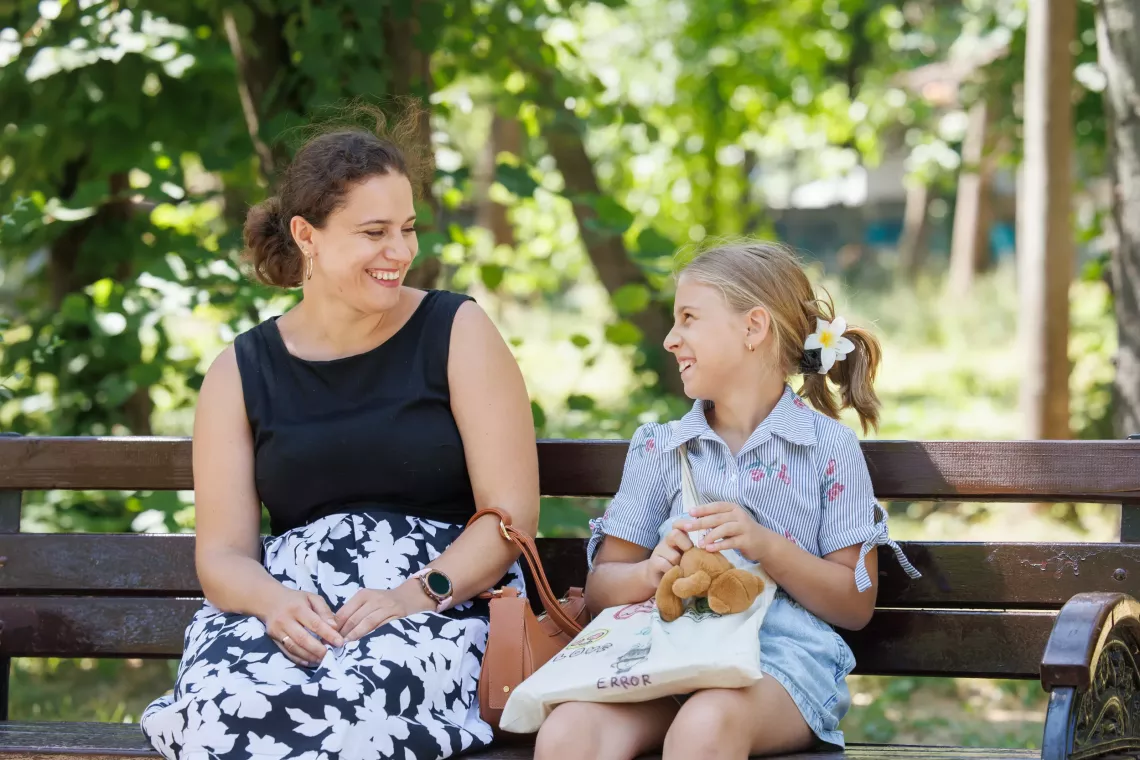
Across Romania, UNICEF and its partners have been supporting Ukrainian refugees since the start of the war in 2022 through programmes focused on social integration, access to healthcare and immunization, and inclusion in the Romanian national education system. Learning hubs, language classes, activities, mental health services, and safe spaces for children and mothers have helped many families feel a little more grounded as they adjusted to a life far from home. A great support in these initiatives has been provided by the United States Department of State Bureau of Population, Refugees, and Migration, a strong partner in protecting and promoting the integration of Ukrainian refugee children in Romania.