1 in 3 children in Papua New Guinea are exposed to at least two overlapping climate hazards – UNICEF
New UNICEF report warns that climate change is increasing risks to children's health, nutrition, education and wellbeing across Papua New Guinea
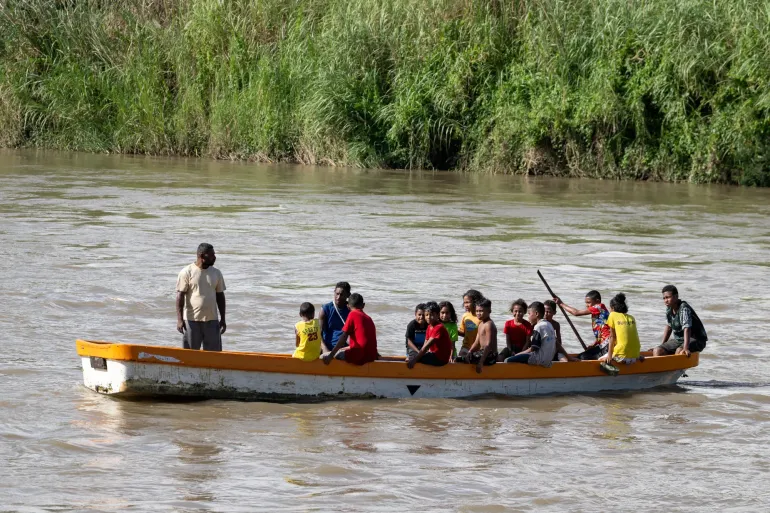
Port Moresby, 16 June 2026 – Children in Papua New Guinea face high risks from climate change, with around 1.5 million children, or 1 in 3 children, exposed to at least two overlapping climate hazards, according to UNICEF's new Children's Climate Risk Report (CCRR) 2026 released today. More than 305,000 children are exposed to three overlapping hazards.[1] These compounding risks increase the likelihood of illness, food insecurity, displacement, interrupted learning and disruption to essential services.
The report finds that more than 2.6 million children in Papua New Guinea are exposed to drought, over 1.8 million to frequent, longer and severe heatwaves, more than 600,000 to tropical storms, nearly 200,000 to riverine flooding, and close to 150,000 to frequent fires.
Almost 4 million children, or nearly every child in Papua New Guinea, are exposed to malaria, a climate-sensitive hazard that is one of the country's most significant health risks and places Papua New Guinea among those with the highest levels of child exposure globally.
As a Small Island Developing State and a fragile context, Papua New Guinea faces a unique combination of climate and development challenges. Climate-related shocks can affect children's health, disrupt learning, threaten food security and reduce access to the services they need to survive and thrive. The findings underscore the scale of climate risks facing children and place them among the most vulnerable to the impacts of climate change.
The findings highlight how climate change is compounding existing challenges in accessing health, nutrition, education and protection services in Papua New Guinea. Less than half of children in the country receive routine immunisation, one in four children experiences severe food poverty, and access to safe water, sanitation and hygiene services remains limited in many communities. When climate shocks strike, children face increased risks of disease, malnutrition, interrupted learning and reduced access to lifesaving services.
"Climate change is not only an environmental challenge in Papua New Guinea. It is increasingly a health challenge, an education challenge, a nutrition challenge and, above all, a child rights challenge," said Vikas Singh, Acting Representative, UNICEF Papua New Guinea. "Children are already living with the impacts of climate change, while many communities continue to struggle with poverty, malnutrition and limited access to essential services. Protecting children requires investing now in climate-resilient systems that can withstand future shocks and continue delivering the services they depend on."
Across Papua New Guinea, UNICEF is working with the Government and partners to strengthen climate resilience in the systems children rely on most. This includes supporting climate-resilient health, nutrition, education, protection and WASH services, strengthening climate information and early warning systems, and helping communities prepare for and respond to climate-related shocks.
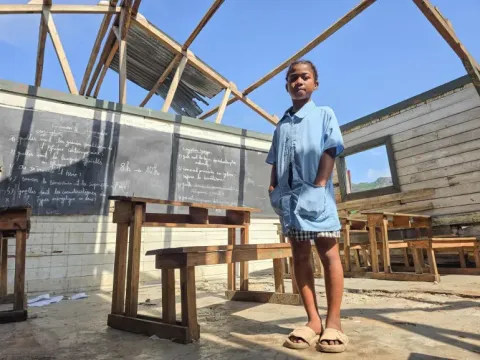
The report highlights the importance of strengthening the systems children rely on before disasters strike. Floods, droughts, storms and extreme heat can disrupt healthcare, damage schools, contaminate water sources and limit access to essential services. Investing in climate-resilient health, education, water and sanitation, nutrition and child protection systems can help communities prepare for, withstand and recover from future climate shocks.
Papua New Guinea has already taken important steps to address climate risks and strengthen resilience. Building on this progress, continued investment in climate-resilient essential services and child-centred adaptation efforts can help ensure that every child can survive, learn and thrive in a changing climate. Strengthening resilience today will help protect children and communities from future climate shocks and support a more sustainable future for Papua New Guinea.
#####
[1]The data on overlapping climate hazards cover coastal floods, droughts, extreme heat, fires, heatwaves, riverine floods, sand and dust storms, and tropical storms. The data does not include air pollution or malaria numbers.
Note to editors:
Key findings for Papua New Guinea
- 1 in 3 children, around 1.5 million children, are exposed to at least two overlapping climate hazards.
- More than 305,000 children are exposed to three overlapping hazards.
- More than 2.6 million children are exposed to drought.
- More than 1.8 million children are exposed to frequent and severe heatwaves.
- More than 600,000 children are exposed to tropical storms.
- Nearly 200,000 children are exposed to riverine flooding.
- Close to 150,000 children are exposed to fires.
- Almost 4 million children are exposed to malaria.
UNICEF's climate resilience work in Papua New Guinea
- Climate Action for the Last Mile in Papua New Guinea: Funded by the Korea International Cooperation Agency (KOICA), the programme supports climate-smart health, nutrition, education, WASH and child protection services while strengthening climate information and early warning systems.
- Conflict-sensitive, climate-resilient and child-friendly WASH as a catalyst for peace for children in Papua New Guinea: Funded by KOICA, the programme strengthens access to climate-resilient water, sanitation and hygiene services in vulnerable communities.
- Smarter, Safer Schools (3S): Funded by the Australian Government, the programme strengthens the resilience and preparedness of schools and education systems across six provinces to better withstand natural disasters, climate-related hazards and other crises, helping reduce learning disruptions and support faster recovery following shocks.
About the Children's Climate Risk Report 2026
The CCRR 2026 looks at children’s exposure to eight climate hazards: coastal floods, droughts, extreme heat, fires, heatwaves, riverine floods, sand and dust storms, and tropical storms, as well as two climate-sensitive hazards such as air pollution and vector borne diseases; while considering inherent vulnerabilities of children across seven dimensions: water, sanitation and hygiene (WASH), nutrition, protection, health, education, poverty, and child survival.
* Small Island Developing States (SIDS) are a distinct group of nations characterized by their small size and remote island geography. SIDS’ unique vulnerabilities include their small size, remoteness, narrow resource and export base, and exposure to external economic shocks.
Link to the Children's Climate Risk Report here
Media contacts
Additional resources
About UNICEF
UNICEF promotes the rights and wellbeing of every child, in everything we do. Together with our partners, we work in 190 countries and territories to translate that commitment into practical action, focusing special effort on reaching the most vulnerable and excluded children, to the benefit of all children, everywhere.
For more information about UNICEF and its work for children in Papua New Guinea, visit https://www.unicef.org/png/