Swimming to school
Lorna’s struggle to keep learning
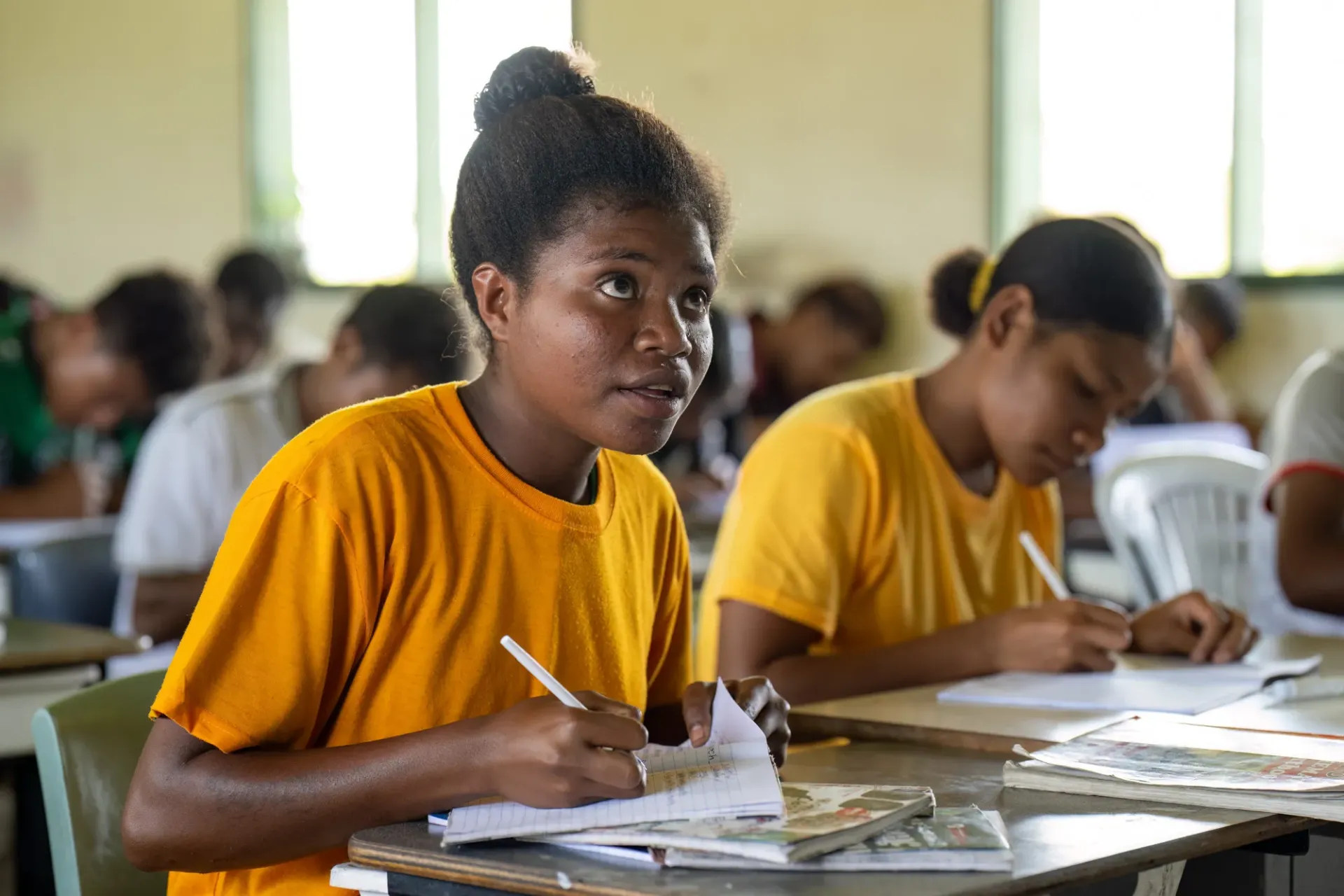
Fifteen-year-old Lorna wakes up before sunrise each day to help her mother with household chores. Once the chores are done, she gets ready for school. But unlike most children, reaching her classroom requires swimming across the fast-flowing Kemp Welch River.
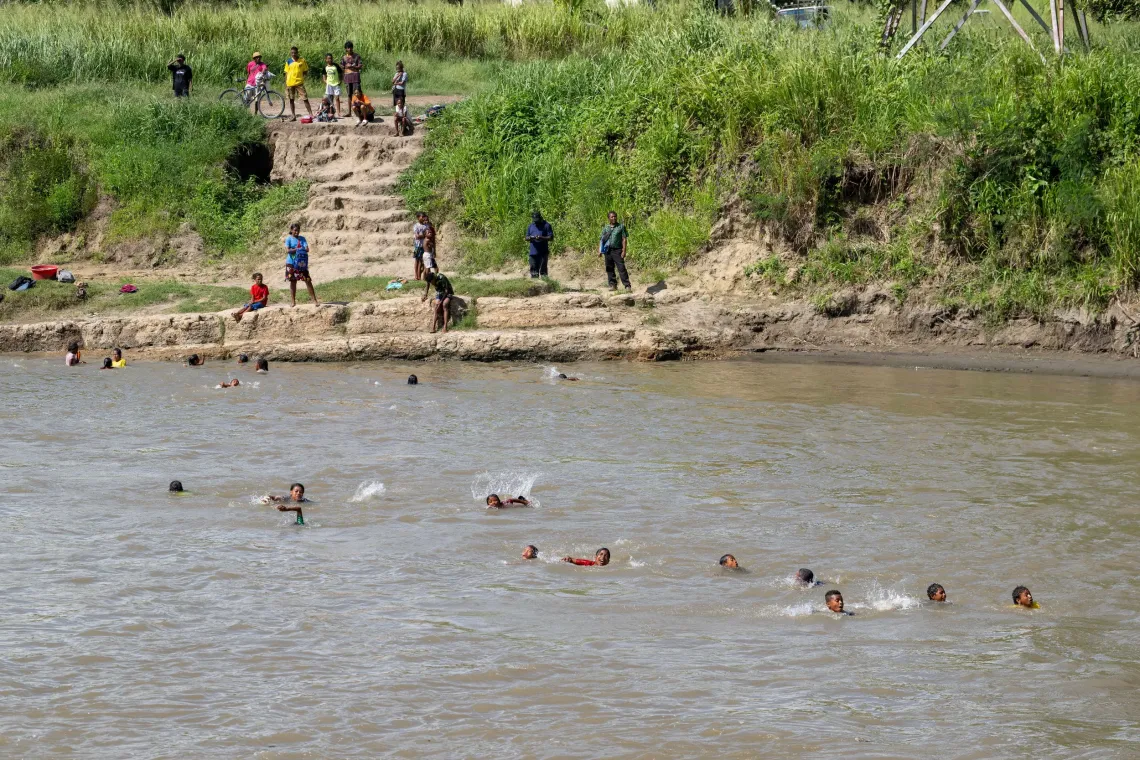
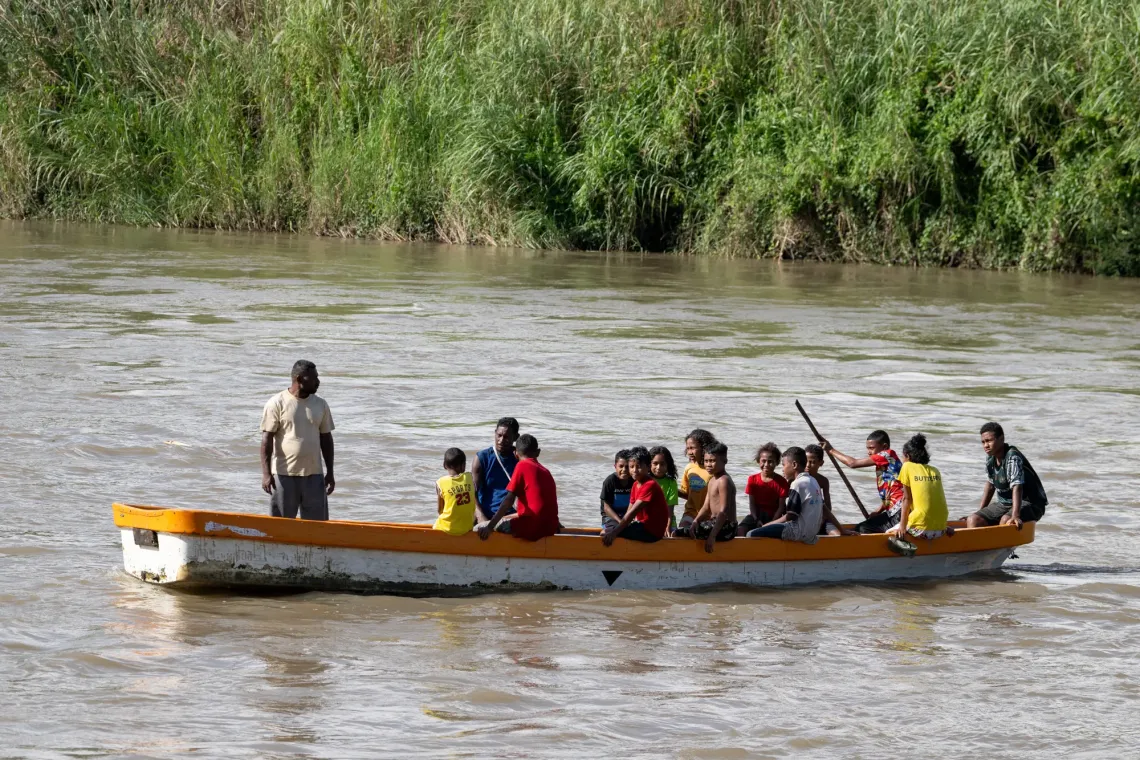
This is the daily reality for around 300 children from Goulubu village in Launakalana, a rural community in Papua New Guinea's Central Province. With the community's only footbridge washed away by floods in 2012 and never rebuilt, children must swim across the river to reach the nearest school and health post, or rely on small boats. As floods and storms become more frequent and severe, the crossing grows increasingly dangerous.
Yet for children like Lorna, there is little choice. Education is waiting on the other side.
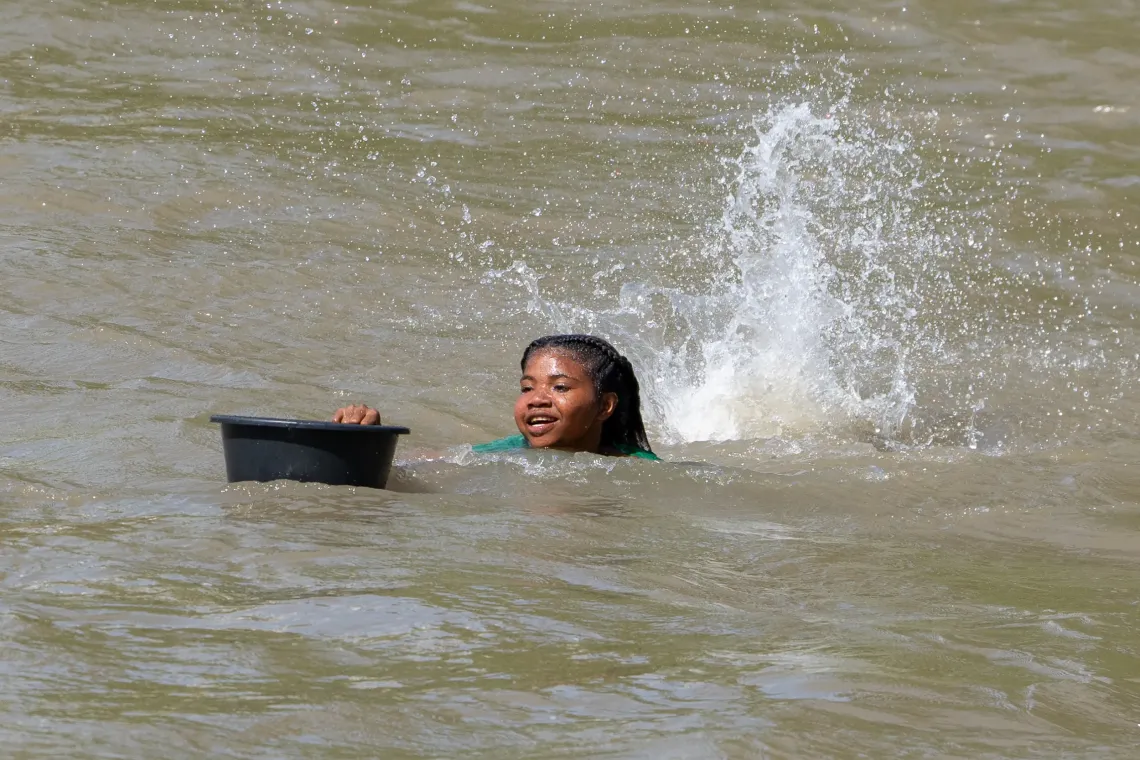
For most of the past seven years, Lorna has crossed the river twice each day to get to school and return home after classes.
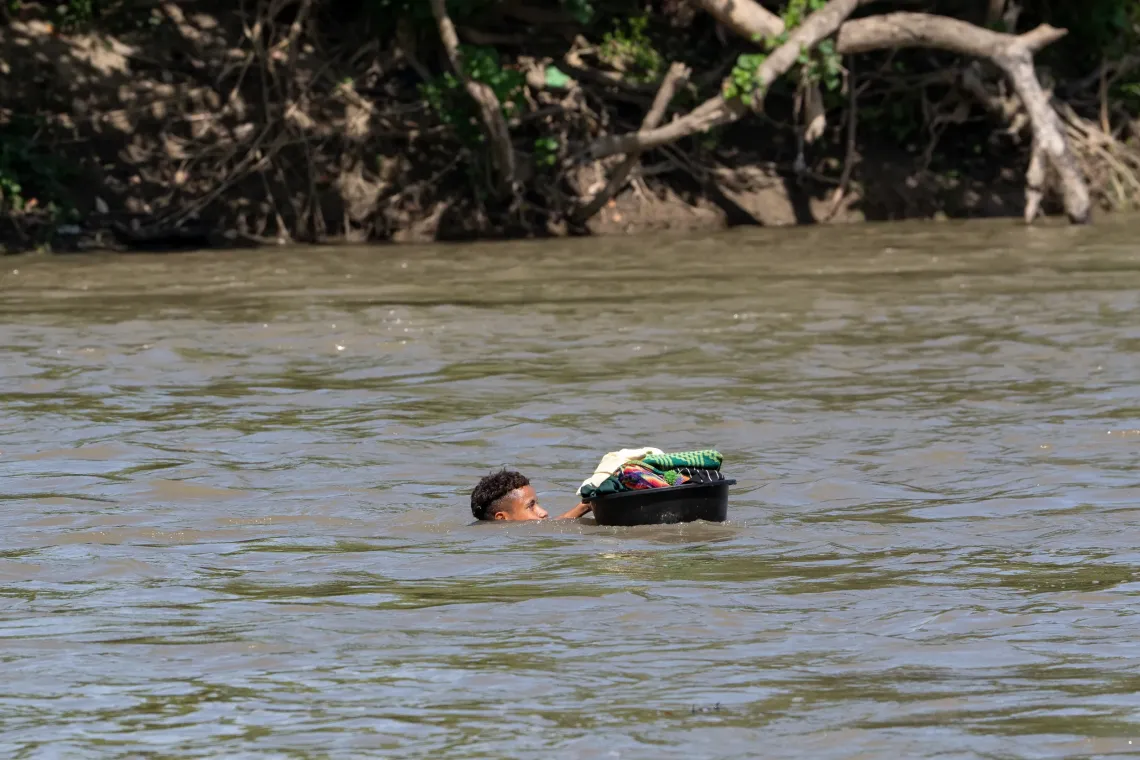
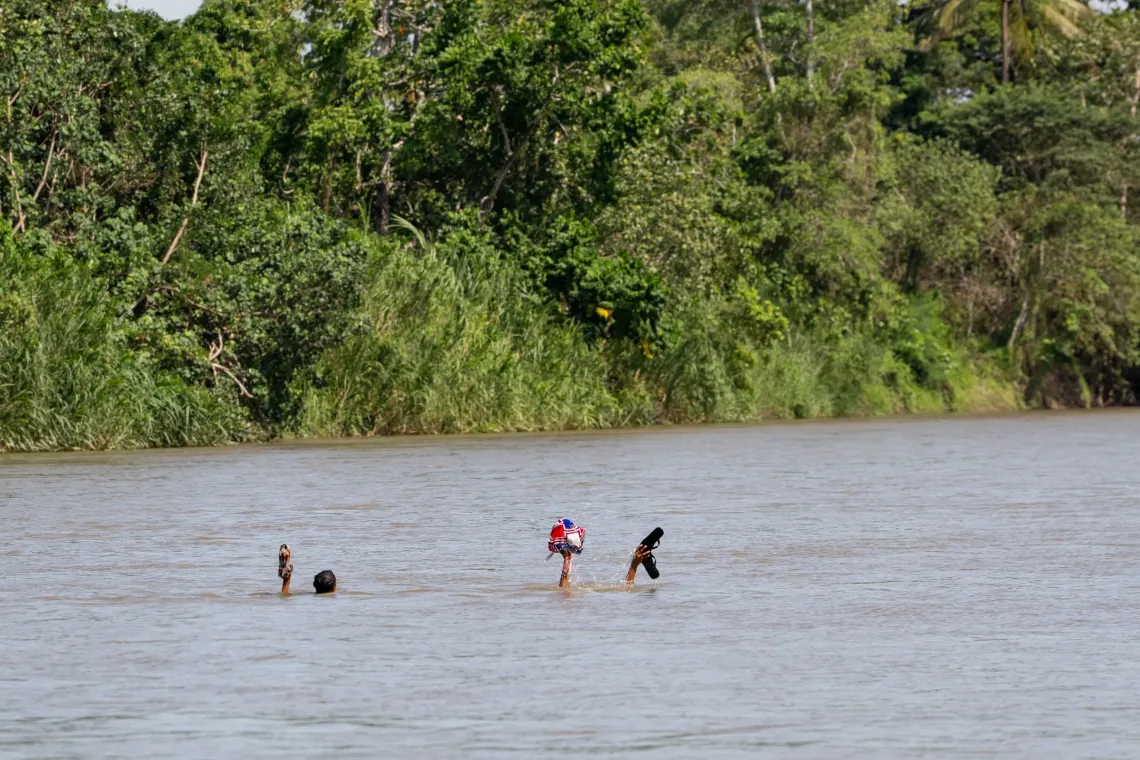
We cross the river with a dish to keep our school bags, uniforms and books dry. We hide in bushes on the other side to change into our uniforms and then hide our dishes and wet clothes before going to school. Sometimes our belongings are stolen while we are at school.
For girls, the journey can be even more challenging. To keep their uniforms dry, they must change outdoors before and after school. During menstruation, some girls are discouraged by elders from crossing the river because of fears that menstrual blood could attract crocodiles, causing them to miss valuable learning time.
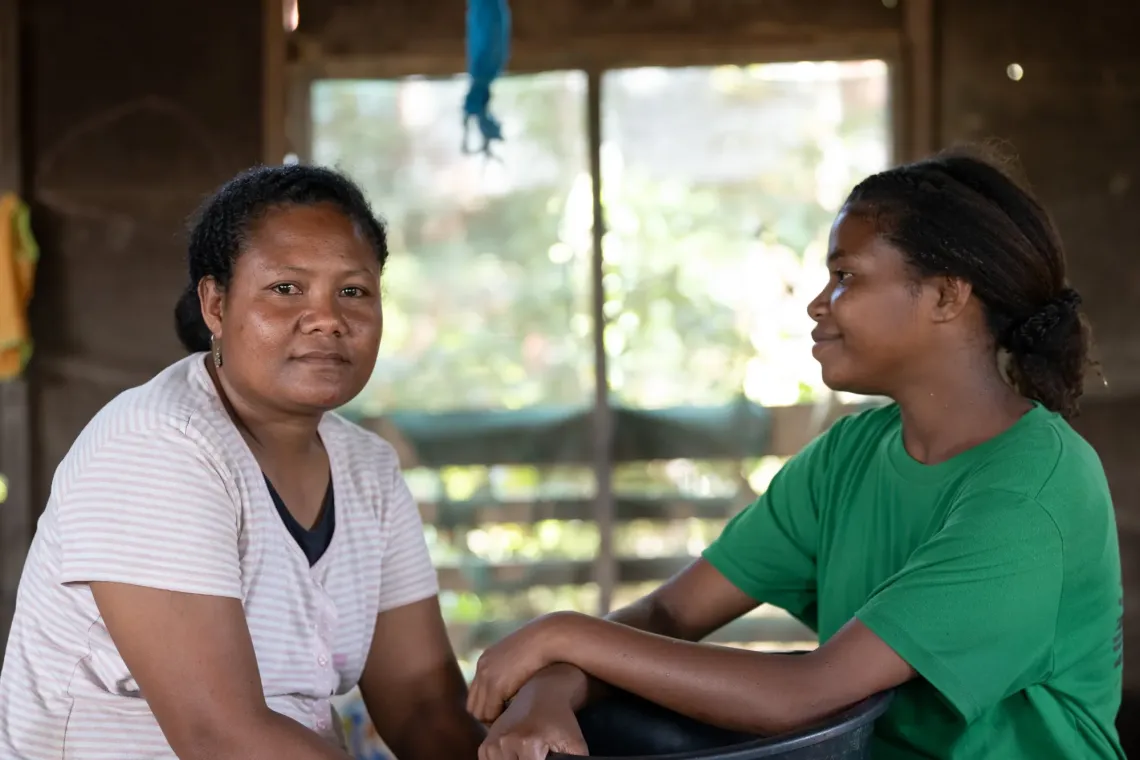
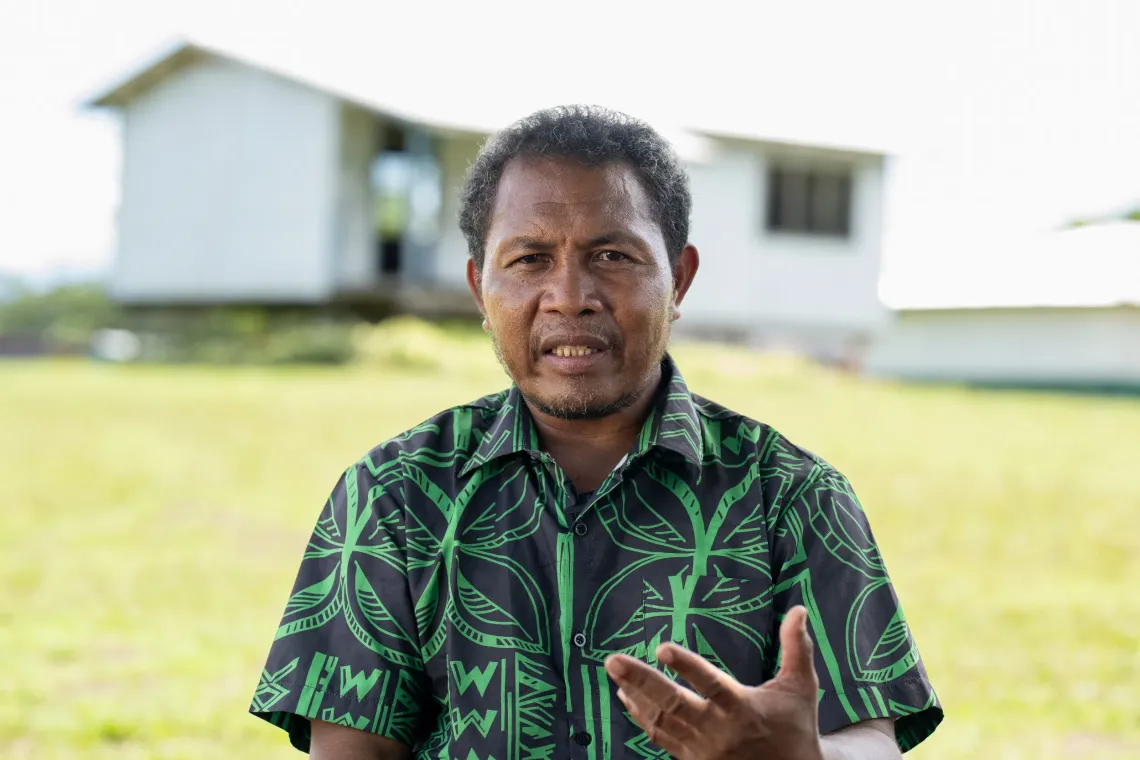
Mother of five, Josephine Saranam (left), lives in constant fear for her daughter’s safety. “During floods, Goulubu students cannot go to school, while students from neighbouring villages continue attending class,” Josephine explains.
Lorna also worries about her education.
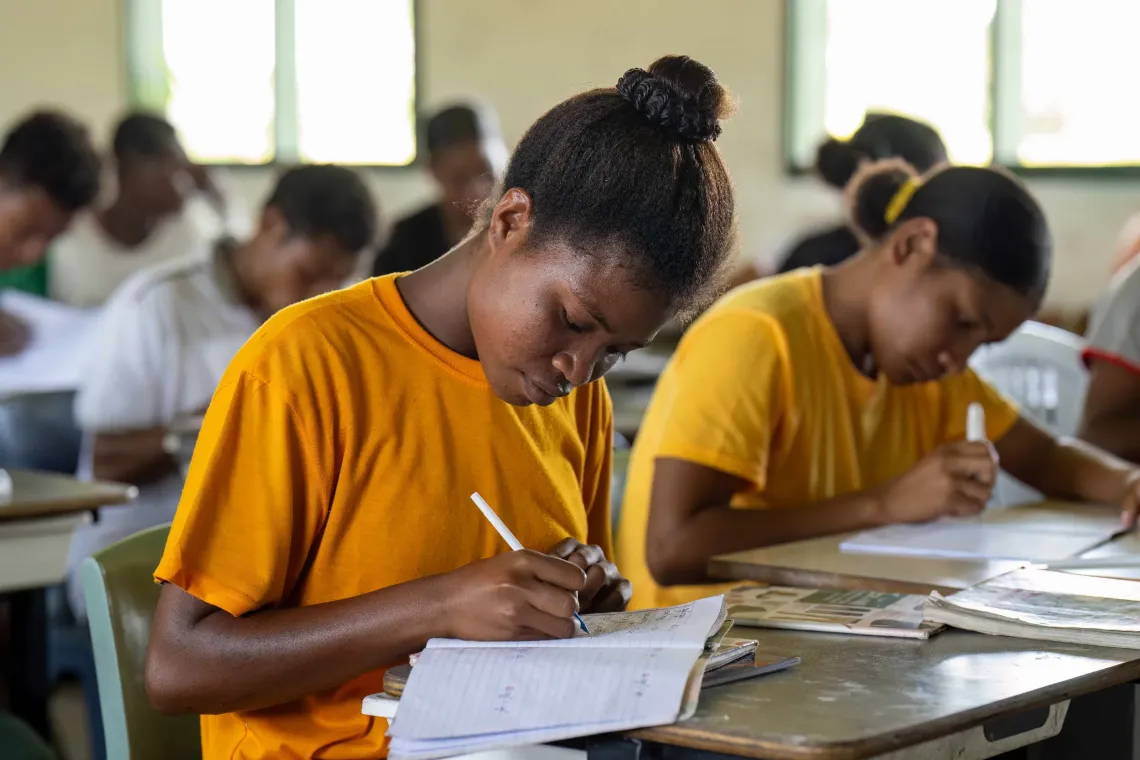
When the river floods, we can’t cross, so we stay home and miss our lessons.
Half of the students in our school come from Goulubu village. When floods make the river unsafe, many students cannot attend school. This leads to high absenteeism, learning gaps and poorer educational outcomes, especially among girls.
Access to safe infrastructure such as a footbridge could transform life for children in Goulubu village. But Lorna’s story is also a reminder of the growing impact climate change is having on children across Papua New Guinea.
UNICEF is working with the Government and partners to strengthen climate resilience in the systems children rely on most, including education, health, water and sanitation services. But stronger action is needed to protect every child’s future.
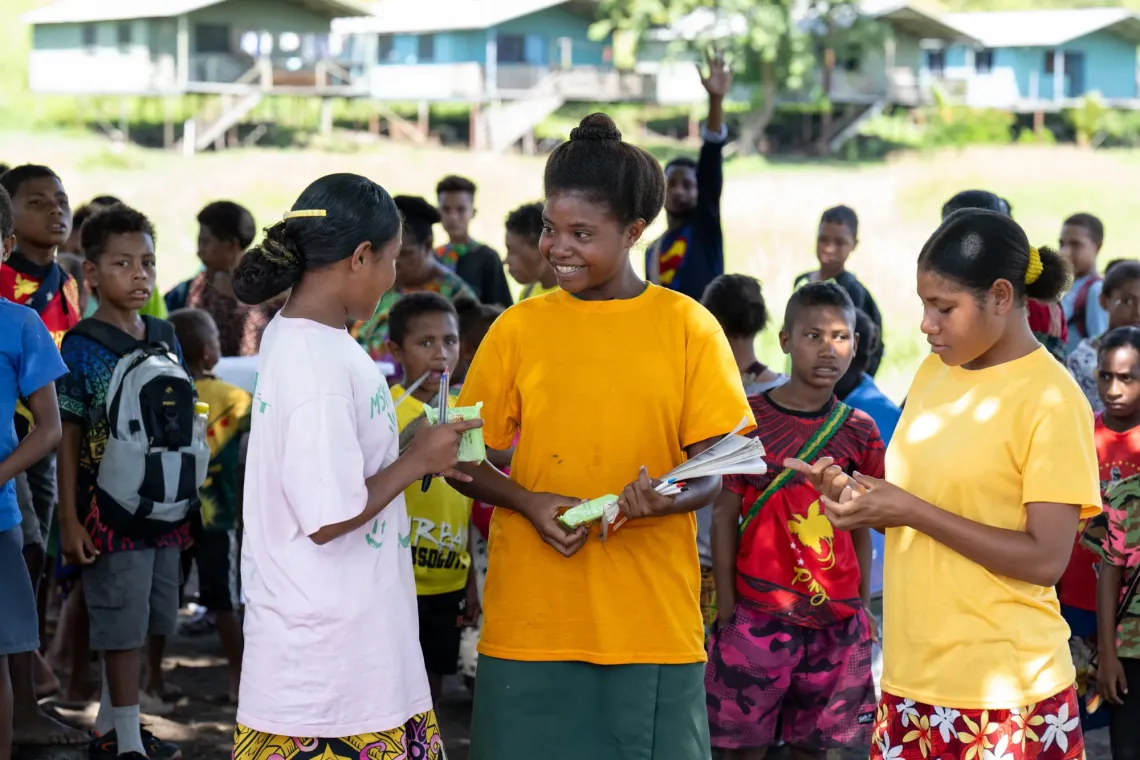
Despite these challenges, Lorna is determined to complete her education.
“I dream of becoming a teacher or a pilot,” she says shyly.