Papua New Guinea launches initiative to strengthen climate information and early warning system to help protect children from climate risks
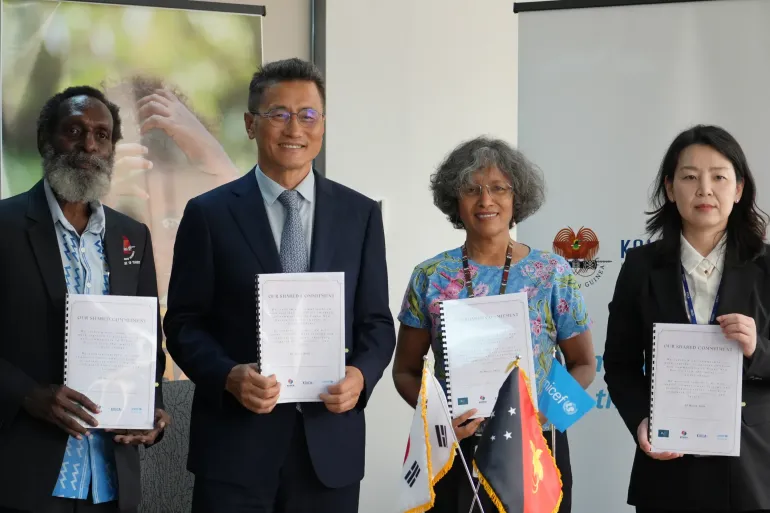
Port Moresby, 30 March 2026: The Government of Papua New Guinea, through the National Weather Service, the Government of the Republic of Korea through the Korea International Cooperation Agency (KOICA) and UNICEF have today signed a Memorandum of Understanding to strengthen climate risk monitoring and early warning services. The initiative marks an important step in advancing national efforts to better prepare communities for extreme weather and to protect children from growing climate-related risks.
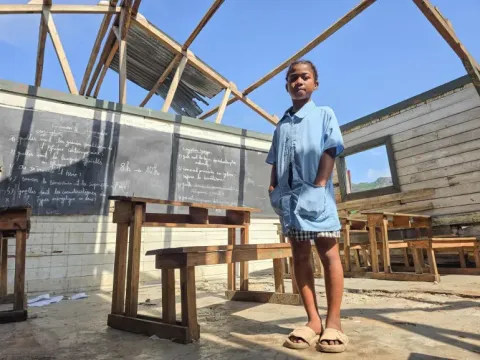
Papua New Guinea is one of the most climate-vulnerable countries in the Pacific. Floods and landslides accounted for nearly 60 per cent of reported disasters in 2024, displacing over 17,000 people across the country, many of whom are children. These shocks are increasingly disrupting access to healthcare, safe water, nutrition, and education, damaging livelihoods and exposing families, especially in remote communities, to deeper poverty and protection risks.
“Strengthening climate monitoring and early warning systems is essential to protect our people, especially children and communities in remote and vulnerable areas, from increasing climate threats,” said Jimmy Gomoga, Director of the National Weather Service. “Through this partnership, the Government of Papua New Guinea is reinforcing its commitment to strengthen preparedness, safeguard essential services and ensure that children and vulnerable groups are better protected from climate-related shocks.”
The Government of the Republic of Korea, through KOICA, is a key donor, investing over US$ 11 million to support UNICEF Papua New Guinea in strengthening climate-resilient, child-centred social services and infrastructure. Jeong-eun Song, the Country Director of the KOICA Papua New Guinea office, elaborated on KOICA’s support as follows:
- Conflict-sensitive, climate-resilient and child-friendly WASH 1as a catalyst for peace for children in Papua New Guinea project, now extended to September 2026, which supports improvements in water, sanitation, education and child protection services.
- Climate Action for the Last Mile in Papua New Guinea programme (November 2024 to April 2027), focusing on strengthening climate-smart health, nutrition, WASH, education, child protection, and other essential services and infrastructure.
Early Warning Systems are a key component of the Climate Action for the Last Mile programme and support strengthening climate information services at both national and provincial levels. These scalable models will track and analyse weather and climate data, helping authorities and communities develop effective strategies for preparedness and early action, protect vital services and livelihoods, and minimise disruptions to children’s health, learning, and wellbeing. This initiative aligns with the United Nations' broader efforts to strengthen early warning systems in Papua New Guinea.
“For more than 50 years, the Republic of Korea and Papua New Guinea have maintained strong cooperation across many areas, including sustainable development and climate resilience,” said H.E. Jong Ho Choi, Ambassador of the Republic of Korea to Papua New Guinea. “By strengthening climate risk monitoring and early warning services, we aim to support communities, particularly in remote areas, to adapt to climate change, manage risks more effectively and build a safer and more resilient future.”
UNICEF is committed to implementing both KOICA-funded projects in close partnership with the Government, strengthening national systems to protect children from the growing impacts of climate change and environmental shocks.
“Children in Papua New Guinea are already living on the frontlines of the climate crisis, facing serious challenges in survival, nutrition, learning and protection,” said Dr Veera Mendonca, UNICEF Representative to Papua New Guinea. “Extreme weather is further disrupting their access to essential services and increasing risks for families. Investing in early warning and climate-smart social services is critical to building a future where every child in Papua New Guinea can survive, learn and thrive.”
Protecting children from climate shocks requires more than responding after disasters strike. It requires investing now in stronger systems and coordination among all stakeholders to anticipate risks, reduce disruptions to essential services and help communities become more resilient in the face of a changing climate.
Media contacts
About UNICEF
UNICEF promotes the rights and wellbeing of every child, in everything we do. Together with our partners, we work in 190 countries and territories to translate that commitment into practical action, focusing special effort on reaching the most vulnerable and excluded children, to the benefit of all children, everywhere.
For more information about UNICEF and its work for children in Papua New Guinea, visit https://www.unicef.org/png/