Papua New Guinea receives first shipment of HPV vaccines to protect girls and women from cervical cancer
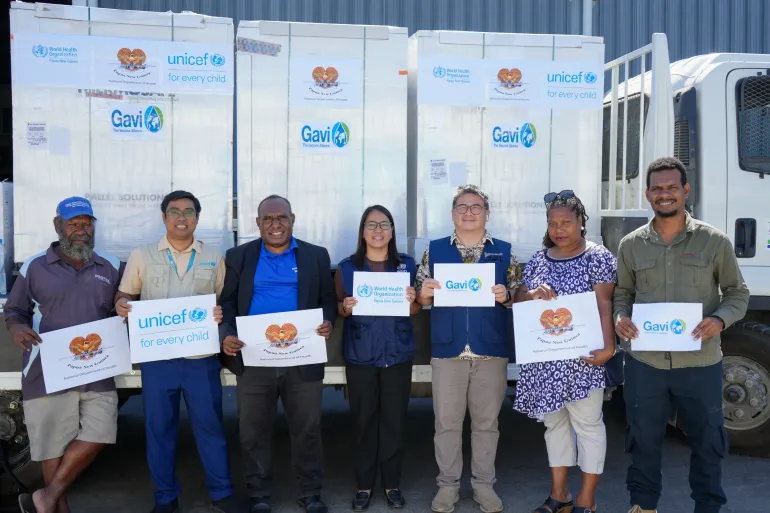
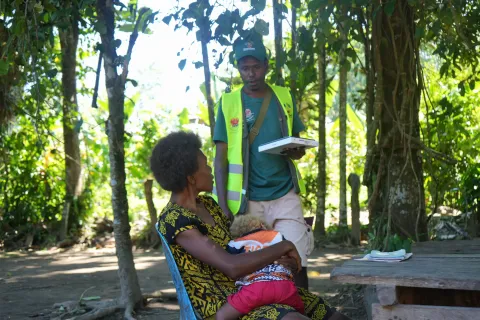
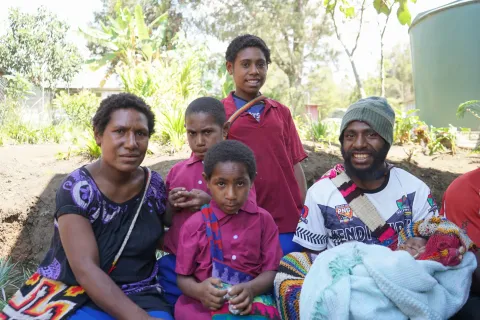
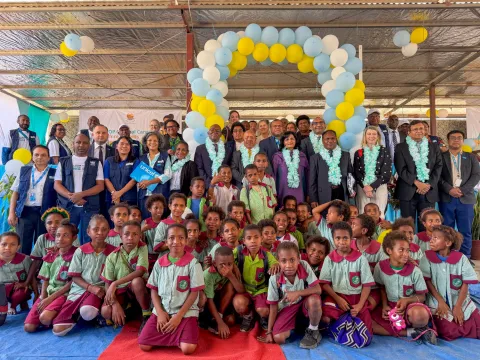
PORT MORESBY, 6 August 2026 – Papua New Guinea has taken an important step towards preventing cervical cancer, with the arrival of the country's first shipment of 100,000 human papillomavirus (HPV) vaccine vials. The vaccines will support the introduction of HPV vaccination into the national immunisation programme, protecting girls from the leading cause of cervical cancer. A further 180,000 vials will arrive after the first shipment, bringing the total to 280,000 vials.
The Government of Papua New Guinea allocated PGK 6.2 million in the 2026 National Budget to support the introduction of the HPV vaccine, with additional co-financing support from Gavi, the Vaccine Alliance. The National Department of Health, working closely with the National Department of Education and Provincial Health Authorities, is leading the planning and delivery of the vaccination programme. The World Health Organization (WHO) is providing technical support for policy development, programme planning, health worker training, monitoring and evaluation, while UNICEF is supporting vaccine procurement and delivery, cold chain and supply systems, programme planning, and engagement with families and communities.
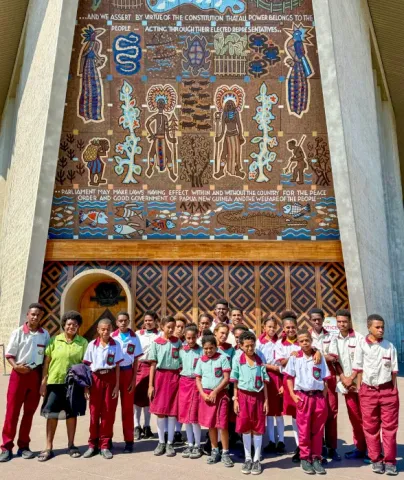
The first phase of the programme, expected to start on 10 September 2026, will vaccinate approximately 60,000 girls aged 9 to 14 years across two provinces, before progressively expanding to additional provinces as vaccine supplies arrive and implementation capacity increases.
Secretary for Health, Mr Pascoe Kase, said the arrival of the vaccines marked a significant milestone in protecting the health of Papua New Guinean girls and women.
"Too many Papua New Guinean women continue to lose their lives to cervical cancer, despite it being one of the most preventable forms of cancer. Introducing the HPV vaccine into our national immunisation programme is a major investment in the health of our girls and future generations of women."
"This programme demonstrates what can be achieved through strong Government leadership and partnership with our development partners. Our focus now is to ensure every eligible girl has the opportunity to receive this life-saving vaccine".
Cervical cancer remains one of the leading causes of cancer deaths among women in Papua New Guinea. The country has the second-highest cervical cancer incidence and mortality rates in the Pacific region and the twelfth-highest globally. Every year, an estimated 1,053 women develop cervical cancer and approximately 650 lose their lives to the disease, placing a devastating but largely preventable burden on families and communities.
HPV vaccination is an essential part of eliminating cervical cancer. By working together to deliver vaccines reliably and expand access to screening, early diagnosis, treatment and care, Papua New Guinea can safeguard the health of girls and women for generations to come.
Notes to editors:
Human papillomavirus (HPV) is a common virus. While most HPV infections resolve naturally, persistent infection with certain types of HPV can cause changes to cervical cells that may develop into cancer over time. The HPV vaccine protects against the HPV types responsible for most cervical cancers, has an excellent global safety record, does not affect fertility, and provides the greatest protection when administered before exposure to the virus.
The HPV vaccine protects against the types of HPV responsible for most cervical cancers. It has a strong global safety record and does not affect fertility.
The World Health Organization’s global strategy to eliminate cervical cancer calls for:
- 90 per cent of girls to be fully vaccinated against HPV by the age of 15.
- 70 per cent of women to be screened using a high-performance test by the ages of 35 and 45.
- 90 per cent of women identified with cervical disease to receive appropriate treatment and care.
Media contacts
About UNICEF
UNICEF promotes the rights and wellbeing of every child, in everything we do. Together with our partners, we work in 190 countries and territories to translate that commitment into practical action, focusing special effort on reaching the most vulnerable and excluded children, to the benefit of all children, everywhere.
For more information about UNICEF and its work for children in Papua New Guinea, visit https://www.unicef.org/png/
Follow UNICEF Papua New Guinea on Twitter, Facebook and YouTube