You don't have to wait to make a difference in your community
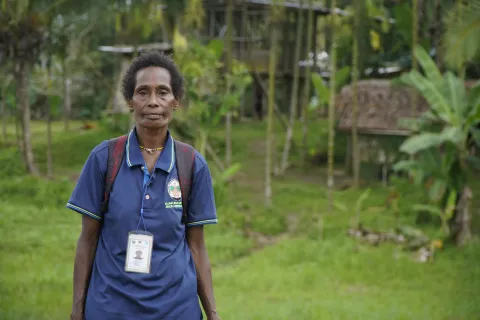
For World Food Day, Juliana George, a food and nutrition student at the University of Goroka, shares how she taught children about healthy eating using foods grown in their gardens, what she learned during her UNICEF internship and why everyone has a role

What inspired you to study food and nutrition?
My name is Juliana George, and I come from Goroka district, in Papua New Guinea's Eastern Highlands Province.
My interest in food and nutrition began when I was in Grade 12. I used to watch YouTube videos about technology and the food industry, and they made me think about food in my own country. In Papua New Guinea, we produce good food, but malnutrition is still a big problem.
I realised there was a need for people to stand up for health and nutrition. I wanted to give a voice to people in my community about the importance of agriculture and how it connects to food, our households, our communities and our nation.
My mother was my main encourager. She was always pushing me forward and telling me, "If others can do it, you can do it also." With her encouragement, I applied to study Food and Nutrition at the University of Goroka. I was lucky to be selected.
How did you start sharing what you learned with people in your community?
Even in my first year at university, I wanted to put the knowledge I already had into practice.
My mother was a Sunday school teacher, and every Sunday she would gather children at our house to teach Bible stories. I thought it was a good opportunity to share some nutrition knowledge with them, so I started giving them simple talks.
I encouraged the children to eat a mixture of foods from their gardens, not only staple foods like sweet potatoes, and to drink water. I would ask what fruits and vegetables they grew, and they would call out guava, pumpkin and green leafy vegetables.
I told them, "When you come back next Sunday, I want you to bring me fruits and vegetables."
When they returned, we would group the foods together, and I would show them pictures to explain the different food groups. Sometimes they got confused, especially with cucumbers and tomatoes.
The following Sunday, I would ask who had eaten the foods we discussed, and I could see that some changes were happening.
Later, in my third year, we visited health facilities and shared nutrition information with mothers and other vulnerable groups. These experiences helped me see the importance of putting nutrition back in the home. What families grow, prepare and eat at home can affect the health of a whole community.
What did your learn about food and nutrition during your UNICEF internship?
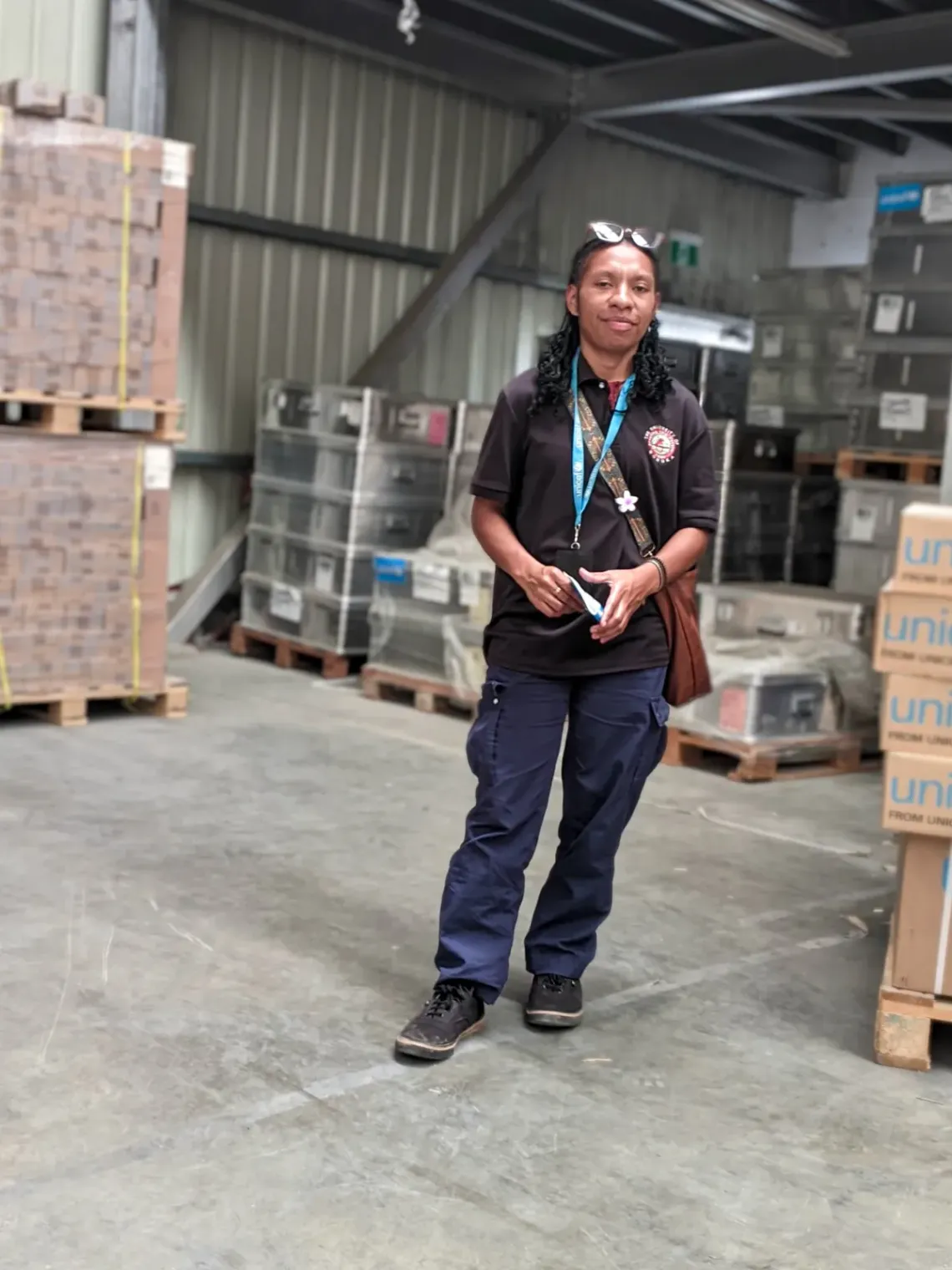
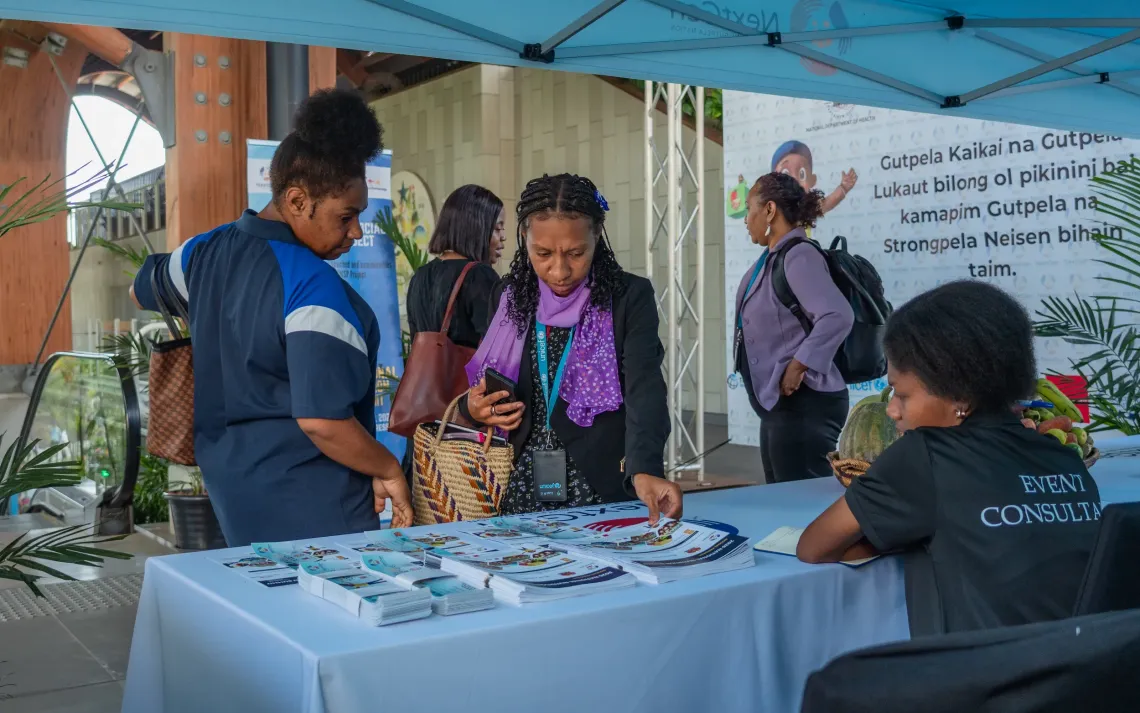
I was lucky to undertake a six-week internship with UNICEF's Health and Nutrition team in Port Moresby. Before that, I knew UNICEF worked with children, but I thought its work was mainly about health. During my internship, I learned about UNICEF's work in other areas, including education, water and sanitation, and how these all connect with nutrition.
During the internship, I attended meetings and workshops, took notes, reviewed documents and learned how nutrition programmes are planned and coordinated. I began to understand that improving nutrition is not only about teaching people what foods to eat. We also need to think about the challenges families face in getting nutritious food.
One project that really interested me was the Child Nutrition and Social Protection Project (CNSP), a government project supported by UNICEF and other partners. Through CNSP, Village Health Assistants work with mothers and children, including in remote communities where health services can be difficult to reach. They share nutrition knowledge, monitor children's growth and help identify children who need support.
I also learned why the first 1,000 days, from pregnancy until a child's second birthday, are so important. We had studied nutrition throughout the lifespan at university, but during my internship I could see how that knowledge was being put into practice to support mothers and young children.
I was happy to hear about the Child Nutrition Grants, which help eligible families buy nutritious food. We can teach mothers about good nutrition, but we also have to think about whether they have the money to buy those foods at the market.
One of my most memorable experiences was attending the Second National Nutrition Summit, where Village Health Assistants from different provinces shared their experiences and challenges.
To me, they were like the eyes of UNICEF and the government. They were the people on the ground who could explain what was happening in communities and what support families needed.
Hearing their stories reminded me of the activities I had started with children back home. Their experiences gave me more courage and confidence to continue this kind of work and become a stronger voice for nutrition in my community.
What’s next for you, and what advice would you give other young people?
Since I started teaching the children, my mother has passed away, and the Sunday school gatherings at our home have stopped. I have also moved closer to university.
But I still want to share what I have learned with children and families in my community. I will try - not try. I know I will go back, set up my own community nutrition activities and put my knowledge into practice.
During my internship, I also heard the Deputy Secretary of the National Department of Health speak about the need for more nutrition professionals in Papua New Guinea. I want to encourage young people interested in food and nutrition to consider studying it. Our communities need people who can put that knowledge into practice.
Sometimes young people lack confidence or are afraid to pursue what they want to do. From my own experience, I have learned that we do not have to wait until we have a job or funding to do something for our communities.
I want to encourage young people to start with the knowledge they already have. We all have something to contribute to our families, our communities and our nation.