Keeping Vaccines Close to Home
How a solar-powered vaccine refrigerator is bringing life-saving immunisation services closer to families in Eastern Highlands Province

For many years, families in Namta Village, at the far end of Daulo District in Eastern Highlands Province, faced a long and difficult journey to access basic health services.
The nearest facility, Kwongii 2 Sub-Health Centre, is about 6.5 kilometres away. Reaching it can take almost two hours on foot along rugged tracks.
For pregnant women, caregivers and young children, seeking health care meant climbing steep roads, crossing valleys and travelling in unpredictable weather. Distance was more than an inconvenience. It could prevent mothers from receiving care during pregnancy and childbirth and stop children from receiving routine vaccines on time.
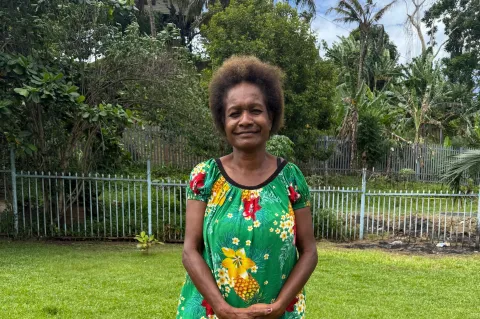
Scholar Benard, a mother of seven, knows these challenges well.
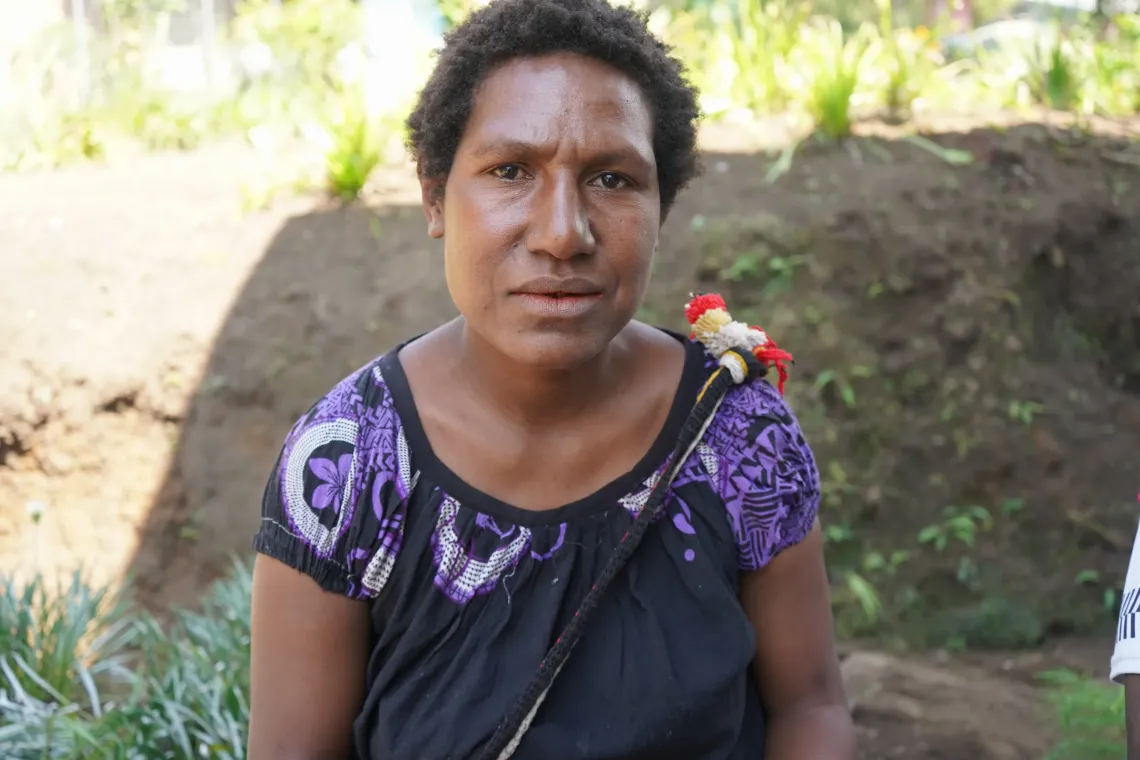
“I gave birth to my first child on the way to Kwongii 2 Health Centre,” she recalls. “With my other children, I gave birth at home because of the difficulty of reaching the nearest health centre.”
Like many mothers in Namta, Scholar often had to choose between making the exhausting journey to seek care or staying at home. Taking her children for routine immunisation was equally difficult.
For years, families and community leaders called for health services to be brought closer to their village. They wanted mothers to give birth safely, children to receive life-saving vaccines on time and families to access essential health care without undertaking such difficult journeys.
Health services reach Namta
A major step forward came in 2023, when the Catholic Archdiocese established the Namta St Bernette Aid Post and deployed two health workers to serve the community.
The aid post greatly improved access to basic health services. But vaccines still had to be collected from a supervising health facility and transported to Namta, making it difficult to provide regular immunisation services.
In May 2025, that changed.
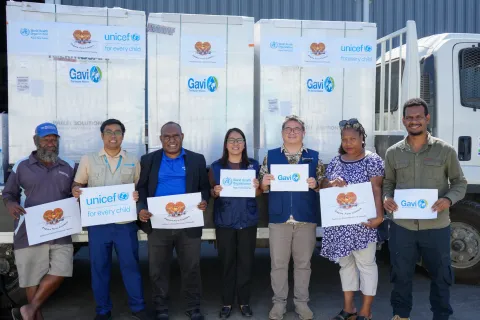
With support from Gavi, UNICEF worked with NDOH and the Eastern Highlands Provincial Health Authority to install solar-powered cold-chain equipment at the aid post.
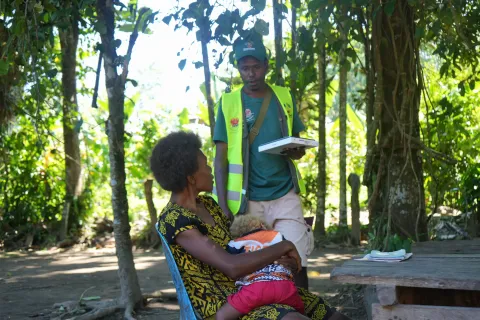
For the first time, vaccines could be stored safely within the community. Children and families could receive routine immunisation services closer to home.
For Scholar, the difference has been life-changing.
After raising six children with limited access to immunisation services, she was able to take her youngest daughter to be vaccinated at the aid post, only minutes from her home.
What was once a long and difficult journey has become a routine visit.
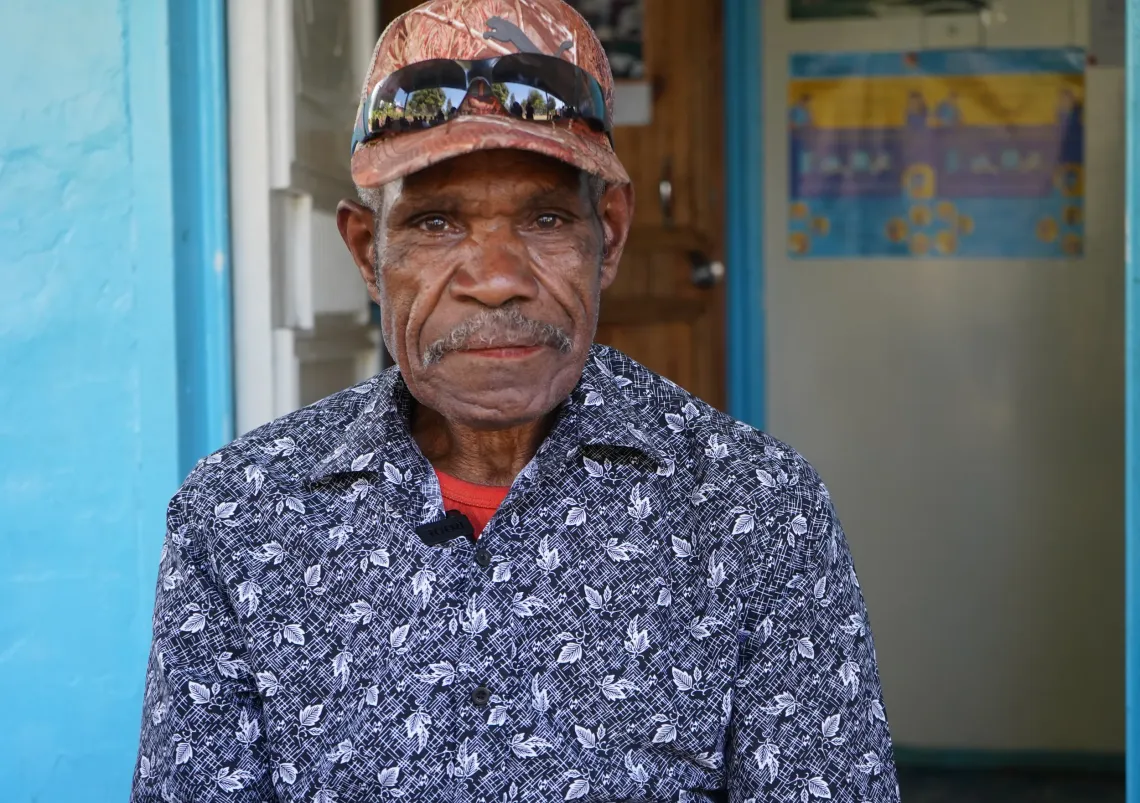
Community leader John Gauno has also seen the change.
“I have lived in Namta for 64 years, and the struggles families went through to access health care really hurt me,” he says. “I am happy that we now have an aid post and a vaccine fridge right here in our community.”
Helping health workers reach more children
Health workers at the aid post have experienced the difference first-hand.
When Officer-in-Charge Obert Kisava and his wife, Nurse Deanna, arrived in Namta in 2023, maintaining regular immunisation services was difficult. To replenish vaccine supplies, Obert often travelled for two hours on foot, or one hour by vehicle, to Kwongii 2 Sub-Health Centre.
“When my wife and I arrived in Namta, we had an aid post but no cold-chain equipment,” Obert explains. “I had to travel regularly to collect vaccines and bring them back to the community.”
“My dream was to see children and families in Namta receive the services they needed without having to travel long distances.”
Vaccines can now be stored safely at the aid post, allowing health workers to provide more reliable and timely immunisation services.
For many years, facilities responsible for storing and distributing vaccines faced unreliable electricity and inadequate equipment.
At Asaro Health Centre, one of the district’s vaccine supply centres, frequent power cuts threatened the safety of vaccines.
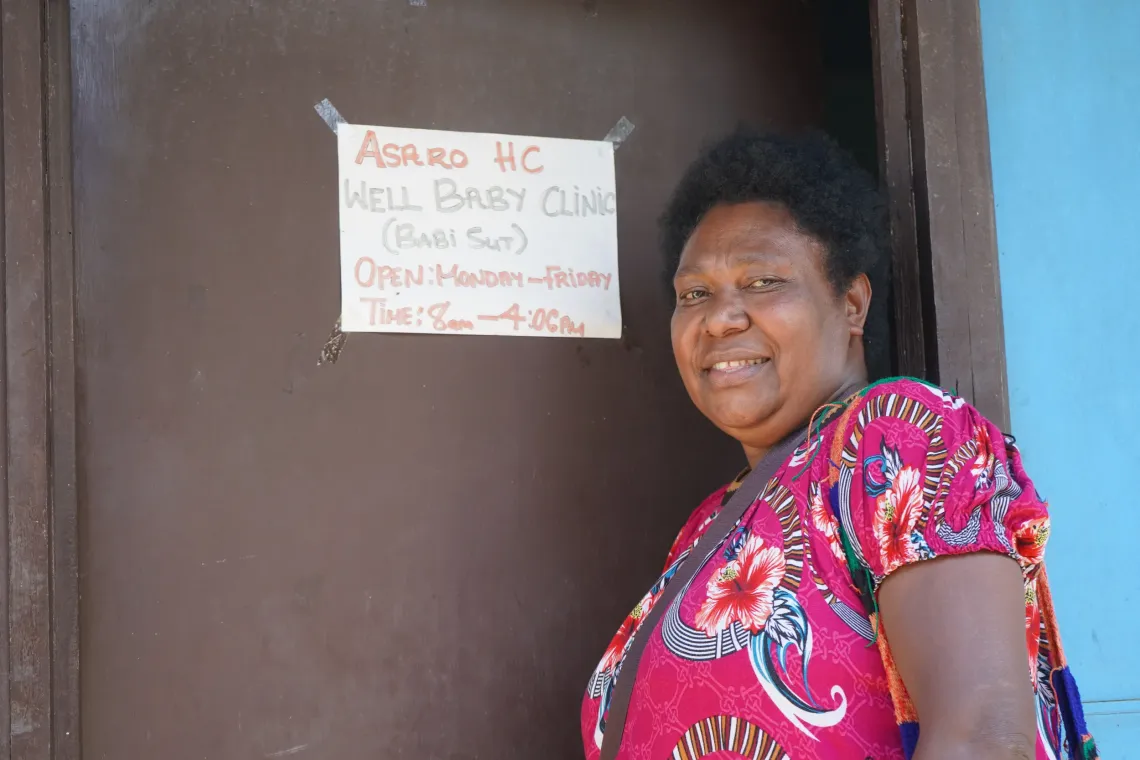
“Sometimes the vaccines went bad and could no longer be used,” recalls Sister Alison Okopojari, the facility manager. “We had to make the difficult decision to discard them.”
In Lufa District, Origuti Aid Post faced a different challenge. Its gas-powered vaccine refrigerator could not produce enough frozen ice packs for long outreach visits to remote communities.
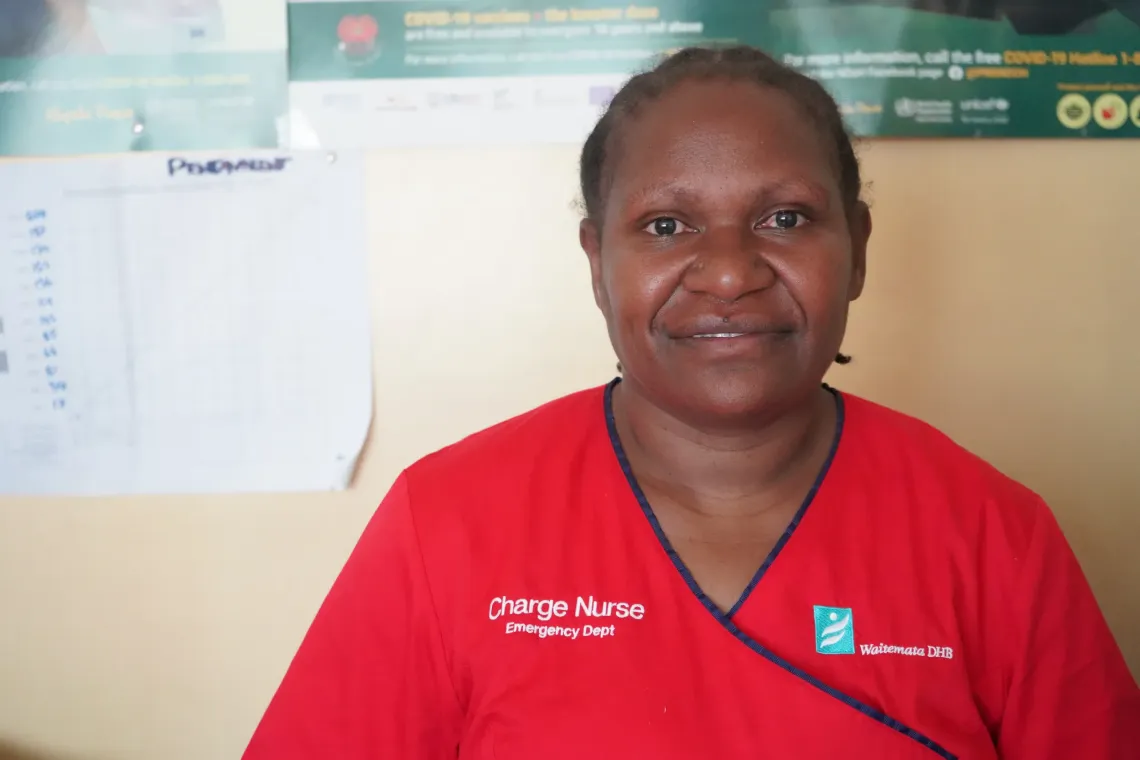
“I travel by foot to conduct immunisation outreach services,” says Nurse Freda Otogoma. “The old fridge could not produce well-frozen ice packs, so I had to return early before the vaccines became too warm.”
Reaching all the children in her catchment area could require almost two weeks of repeated travel.
Solar-powered cold-chain equipment has helped address these challenges. Health workers can store vaccines safely, conduct longer outreach visits and maintain a more reliable supply of vaccines, including in remote communities.
Together with other efforts to strengthen immunization services, including outreach, health worker support, improved planning and vaccine supply management, these investments are helping make immunization services more accessible and reliable across the province.
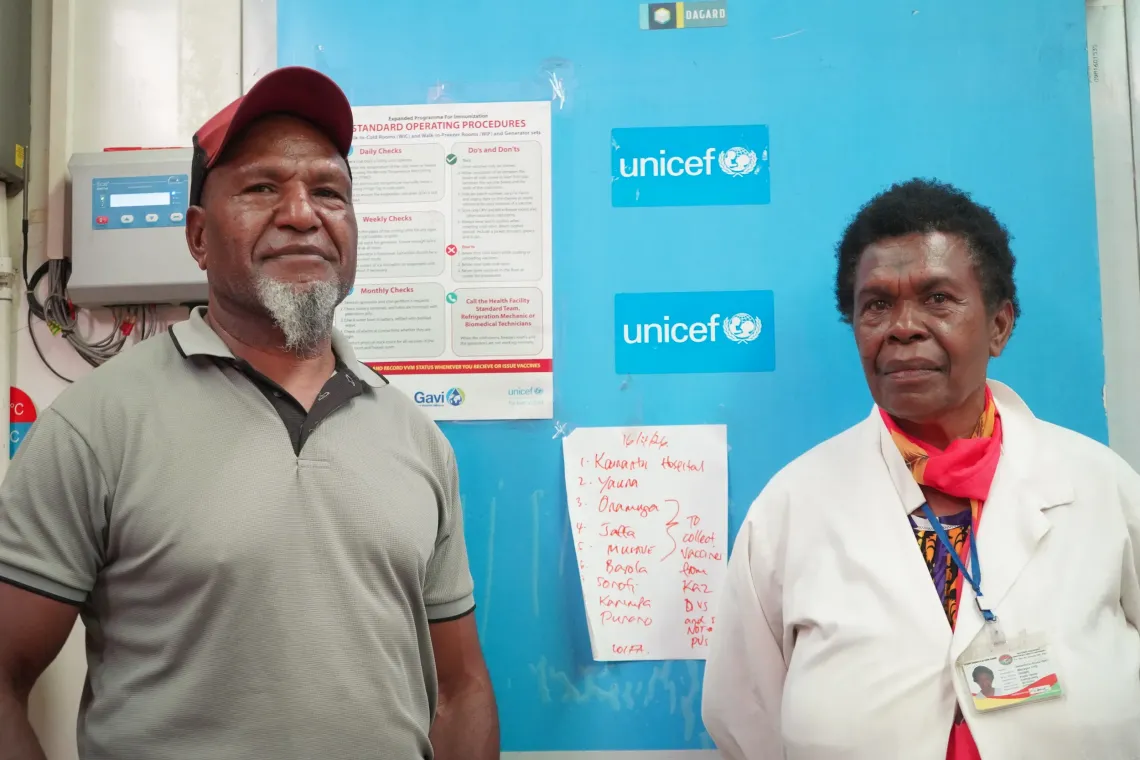
Across Eastern Highlands Province, approximately 77 solar-powered vaccine refrigerators are now operating across 41 health facilities and satellite sites, helping ensure vaccines remains potent and available even in remote communities.Sister Benedicta, Provincial Manager for Family Health Services, says the benefits are becoming visible.
“Families living in remote areas are now able to access immunisation services through facilities such as Origuti and Gotomi Aid Posts,” she says.
Pentavalent 3 immunisation coverage in the province increased from 37.6 per cent in 2024 to 48 per cent in 2025. By the end of the first quarter of 2026, coverage had reached 47 per cent, reflecting continued efforts to protect more children from vaccine-preventable diseases.
The annualized coverage of first dose of pentavalent vaccine in the province reached 75.8 per cent as of May 2026 aiming to achieve at least 80% coverage by the end of the year.
A healthier future for children
For UNICEF and its partners, strengthening the cold chain is about more than installing refrigerators.
It is about making sure vaccines remain safe and effective from the moment they arrive in the country until they reach a child. It is also about helping health workers provide reliable services and ensuring that distance does not prevent children from receiving life-saving protection.
The solar-powered refrigerator has also made service delivery more efficient. Instead of repeatedly travelling to collect vaccines or organising additional outreach sessions from distant facilities, health workers can provide immunisation services directly from the aid post. This reduces travel time, transport costs and the operational burden on health workers, while making it easier for families to access services close to home. As a result, communities receive more regular services and health resources can be used more effectively.


For Scholar, the impact is deeply personal.
She remembers the long walks, the difficult pregnancies and the challenges of raising children far from health services. Today, she can take her youngest daughter for vaccinations close to home, something she did not imagine would be possible when she first became a mother.
Where access to health care was once measured in hours of walking, it is now only minutes away.
For children in Namta, the solar-powered refrigerator represents more than a piece of equipment. It means vaccines are available when they are needed, health services are closer to home, and, families no longer have to choose between long journeys and projecting their children’s health, it is helping ensure that more children grow up healthy, protected and given the best possible start in life.