When Fear Came at Dawn, Dignity Followed
How timely intervention, essential supplies, and community support protected families during a cholera crisis.
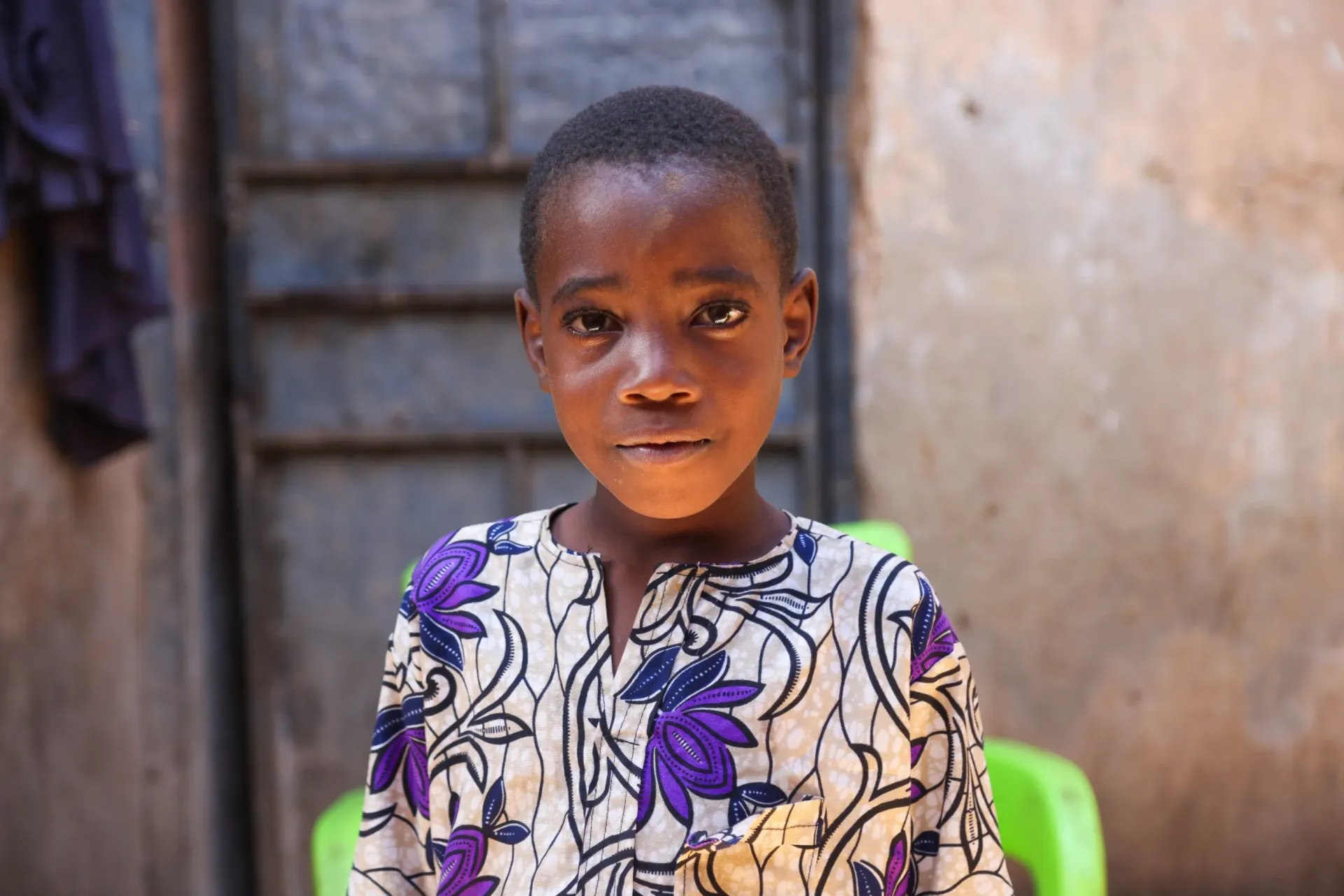
Not every morning begins with light.
For Hadiza, it began with fear.
Her 13-year-old son, Yusuf, had been sick all night. Diarrhea, vomiting, fever. His small body weakening with every passing hour. She watched him fade, helpless, counting not time, but breaths.
“I was afraid,” she says, her voice still carrying that moment. “He was very weak.”
Then came the news no mother wants to hear. Cholera had broken out in Bazza, in Sokoto North. People were already dying. The illness gripping Yusuf now had a name. And it was deadly.
She did not wait.
Holding him close, she rushed to the nearest Primary Health Centre, the only place that could stand between her son and the worst.
By then, the response had already begun.
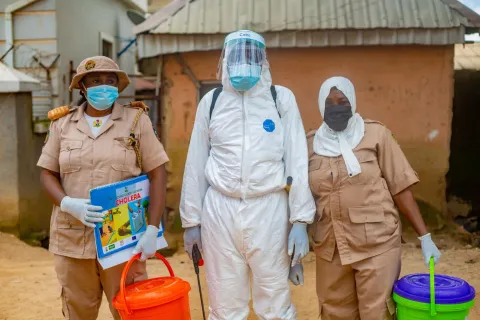
Within 24 hours of confirmed cases, the Sokoto State Government had moved. Medicines, supplies, treatment kits, all pushed out to health facilities. Patients were stabilized as quickly as they arrived.
With support from UNICEF, the response spread fast across 12 Local Government Areas, from Binji to Wamakko, making sure no community was left exposed.
Facilities received what they needed to fight back. AquaTabs to make water safe. Cholera kits. Chlorine. Essential medicines. Dignity kits.
And Yusuf held on.
“After two days, he was stabilized and we were discharged,” Hadiza says, relief now replacing fear.
But the story did not end at the hospital.
Later that day, she got a call. More support had arrived. She returned, unsure of what to expect.
“I was surprised,” she says. “What we received was more than I imagined.”
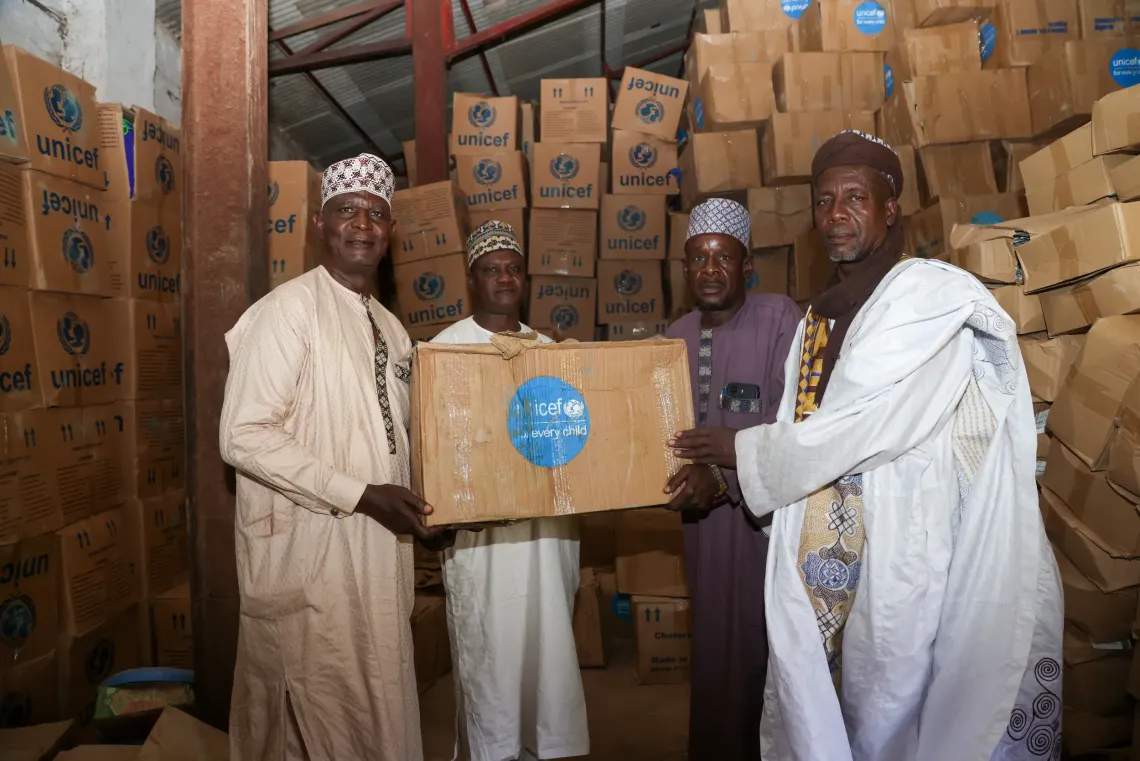
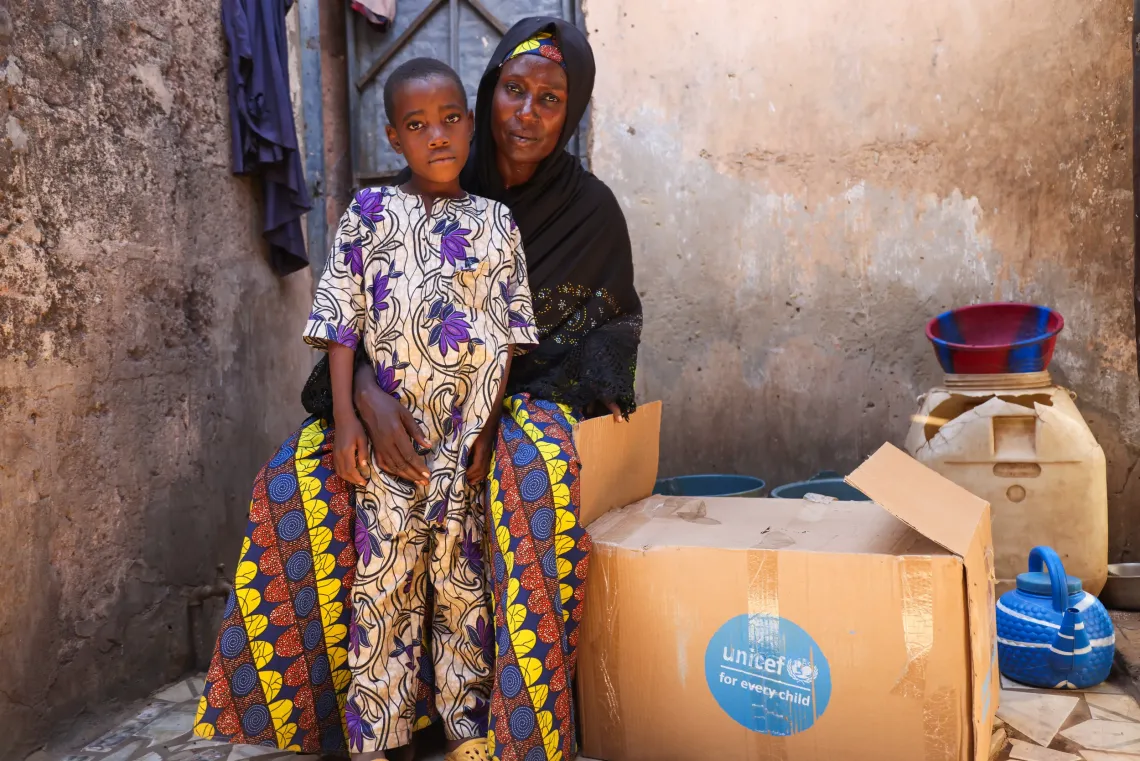
This time, it was not just about treatment. It was about recovery. About living again.
Families were given support that went beyond medicine. Nutrition. Hygiene guidance. Psychosocial care. The quiet but critical pieces that help people stand back up after crisis.
For Hadiza, the dignity kit mattered deeply.
Inside were simple things. Soap. Towels. Toothbrushes. Reusable pads. Buckets. Chlorine. Items that most people take for granted, but in an emergency, mean everything.
“In times like this, you only think about survival,” she says. “But these things help us live properly again. They protect our children.”
Cholera does more than attack the body. It tests systems. It tests communities. And it tests the resilience of families like Hadiza’s.
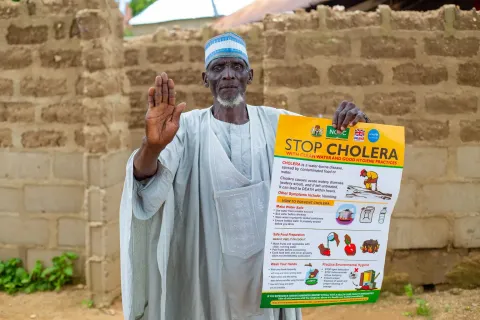
What made the difference here was speed. Coordination. Reaching people where they are. Teaching safe hygiene practices. Pushing harder to end open defecation. Stopping the spread before it could take more lives.
With support from the Swedish International Development Agency, the response continues. Not just saving lives, but restoring something just as important, dignity.
For Hadiza, that morning could have ended very differently.
Yusuf is alive.
Her family is safer.
And in the middle of crisis, they were not just treated. They were cared for.