Bokkos Fights Back: How a community is beating cholera together
A pictorial on a community’s efforts to keep cholera at bay

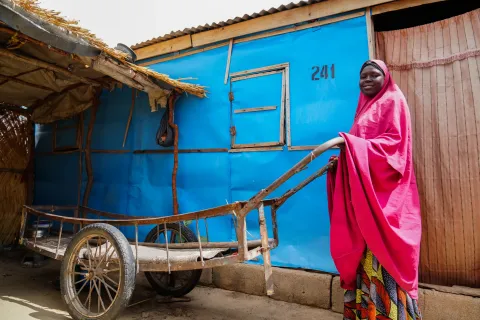
When Janet Musa first heard that a resident in her community in Bokkos Local Government Area (LGA), Plateau state, northern Nigeria, had died after suffering from severe diarrhea and vomiting – later confirmed to be cholera – fears gripped her, as the terrifying reality of a deadly outbreak had painfully, struck close to home.


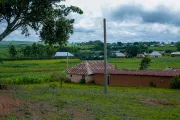
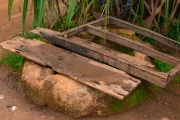
Bokkos LGA, where Janet has lived for a long time, is largely made up of farming communities, who grow mainly Irish potatoes and grain crops. Recent attacks in some of the communities have forced many residents to flee their homes to other communities within the LGA. Sadly, when families are packed into tight spaces, there is often strain on social amenities such as water sources, increasing the risks of diseases like cholera. Cholera kills, it is deadly especially for children and women. And Janet knows this all too well.
So, when cholera outbreak happened in Bokkos in May, Janet felt an apprehension, one every mother would when her family’s wellbeing is threatened. People were dying from cholera. If help did not come quick, cholera threatened to kill more. Like every mother, she desperately longed for support, for guidance that could protect her family.
I became scared for my children


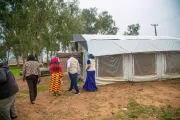
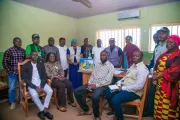
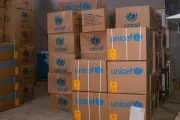
Within days, teams from the Plateau state government and UNICEF were on the ground, moving quickly to assess the scale of the outbreak and to identify urgent needs. The joint response focused on containing the outbreak and protecting those most at risk, especially children. UNICEF provided emergency support, including lifesaving medical and hygiene supplies, while local officials were trained to deliver critical health and hygiene education. Their rapid response brought a sense of hope for a frightened community.


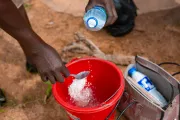
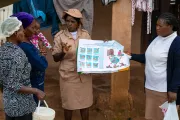
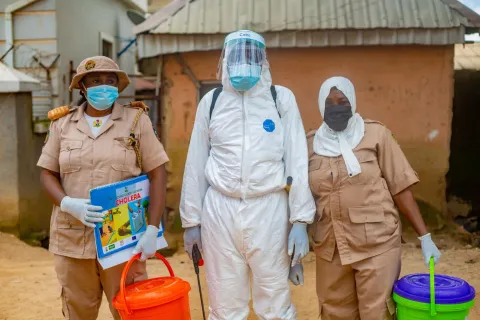
Cholera is often spread through contaminated water sources – a fact that a worried Janet understands as she began boiling water before her family consumed it. As residents struggled to escape the scourge of the outbreak, hygiene promotion teams supported by UNICEF deployed to chlorinate wells and water sources across the LGA.
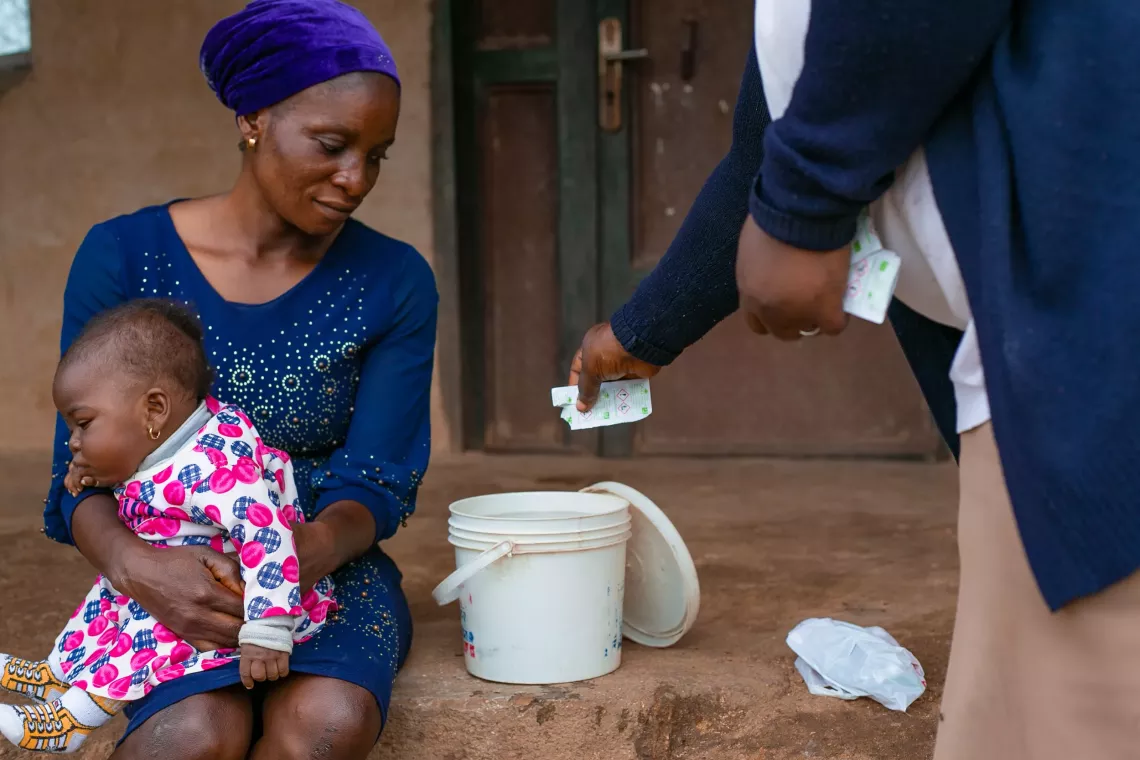
I have learnt how to keep water safe from cholera
"I have learnt how to keep water safe from cholera,” says Felicia Michael, a mother in one of the affected communities, her voice filled with a wave of relief only a mother can feel as she cradles her five-month-old baby, Divine. In addition to the lifesaving lessons, families received water purification tablets, commonly known as aqua tabs. The hygiene teams explained how to use them, helping mothers gain a sense of security from cholera.


A duty to protect
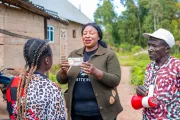
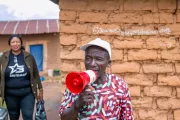
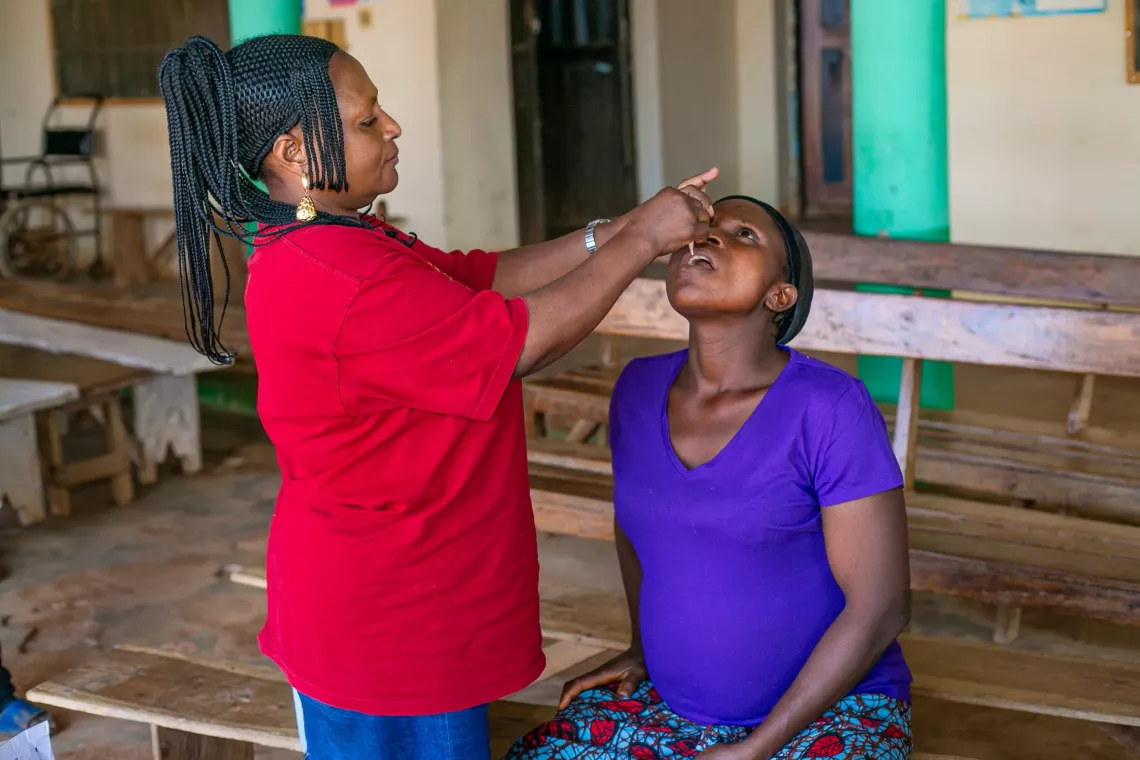
But clean water alone does not hold back the tide of a cholera outbreak. Vaccination became the next urgent step. The Oral Cholera Vaccine (OCV) is a proven and powerful tool to protect communities during an outbreak. Therefore, UNICEF and the state government launched a massive oral cholera vaccination campaign. Nearly 300,000 doses of single-dose oral cholera vaccine, were delivered to the LGA. On the frontline of the campaign were trained health workers like Lami Watlu, who walked from street to street, to schools, markets and worship centers with a simple mission: protect Bokkos from cholera.
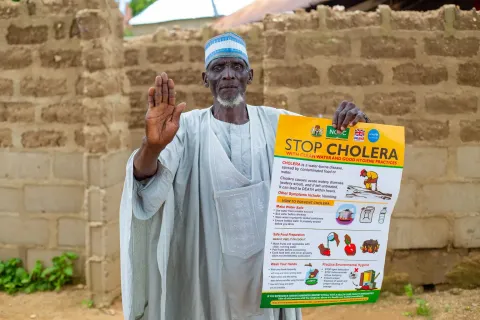
A UNICEF awareness campaign through radio jingles, IEC materials, local town criers, ensured that Janet and many others in Bokkos learned how vital OCV could be.
It is my community, and I have the duty to protect them from the outbreak
When I heard about the vaccine, I made sure my family received it. I am glad to know that the vaccine is safe for me and my baby.


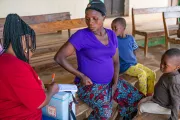
A quiet relief for an expectant mother
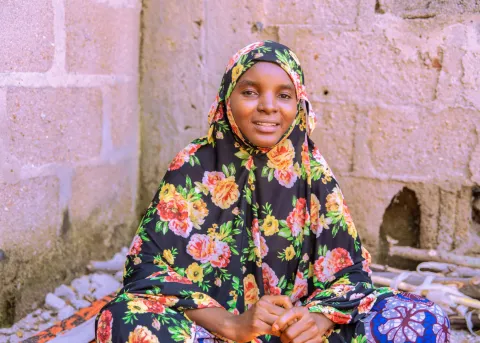
While Janet feared for her children’s safety, Mercy Godwin, an expectant mother, carried a double burden. She worried not only about her children, the ones she could see and hold in her arms but also about the fragile bundle of joy growing inside her. Cholera in pregnancy can be life-threatening for both mother and baby. For Mercy, the fear was constant. As her community faced a killer outbreak, she endured the agonizing uncertainty of what would become of her unborn baby. “I had so many worries,” she says. “I am glad to know that the vaccine is safe for me and my baby,” placing her hand instinctively on her belly, a sure gesture of love and trust that OCV will keep her baby safe.


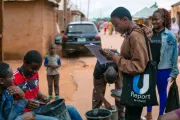
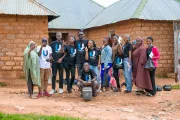
Young people bring zest to the fight against cholera
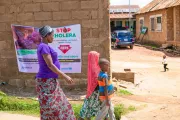
As mothers like Janet and Mercy showed courage in their homes, boiling water, learning about hygiene, lining up for vaccines to protect their children, young people stepped into the streets, determined to protect their community. Rejoice Yohanna is one of them. A student of Microbiology at a government university in Bokkos, Rejoice is shaped by her own experience with cholera. Now, as a U-reporter, Rejoice joins other young volunteers to share information about cholera and how to stay safe with residents, especially school children.
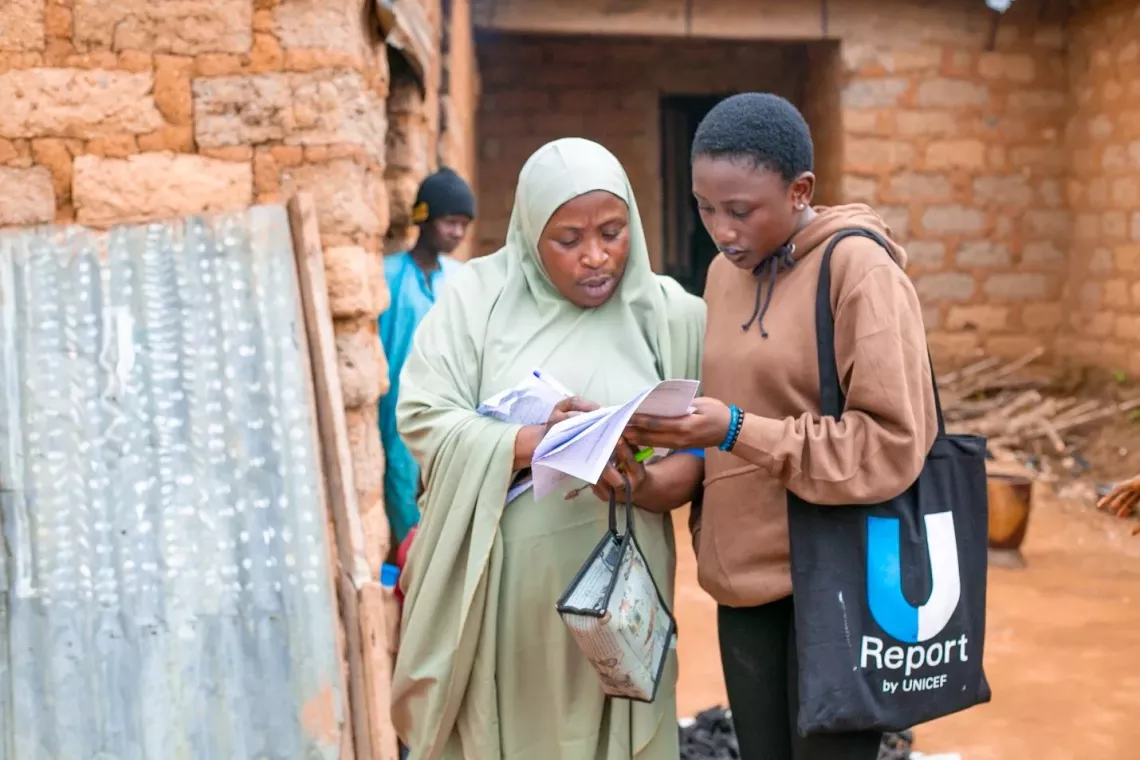
When I was kid, I was diagnosed with cholera, I survived because my mother knew what to do.
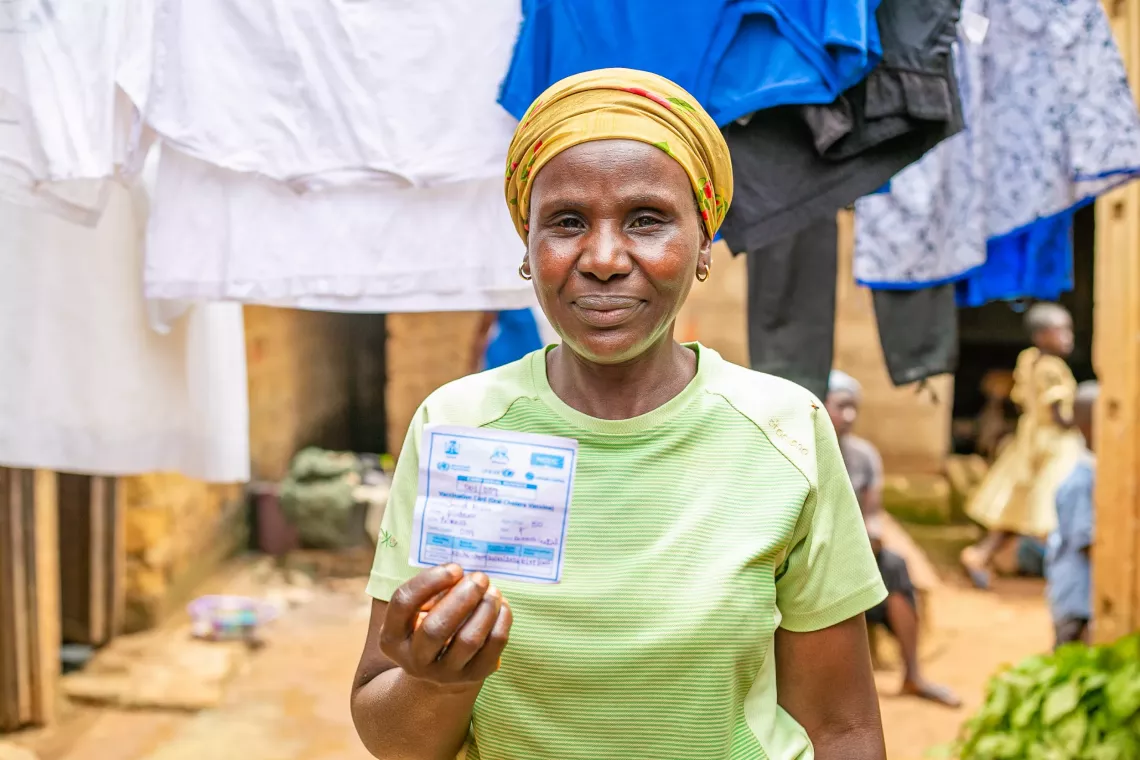
A community safe from cholera, mothers at peace
The joint response of the Plateau state government, UNICEF and its donors, and other partners, was pivotal to stopping cholera in its tracks before it could kill more people in Bokkos.
Mothers like Janet, Mercy and Lami, and spirited young people like Rejoice are heroes of this fight. Determined to reclaim their community from cholera, they chose action over despair. The dread of the disease is real but so is the relief that comes with protection. For Janet, vaccination brought safety. For Mercy, it brought a quiet delightsome hope of a healthy baby, yet to be born. And beyond vaccination, the mothers are champions of good hygiene practices in their homes – from promoting regular handwashing to ensuring safe food and water handling – their actions, rooted in love and resilience. Faced with fear, they chose courage. And in doing so, they are not only protecting Bokkos today, but they are also shaping a healthier, safer tomorrow for it.