To be forewarned: How preparedness is giving Adamawa families hope
Flood-prone communities in Adamawa are turning to preparedness and anticipatory actions to protect their homes, livelihoods, and health from a known disaster.

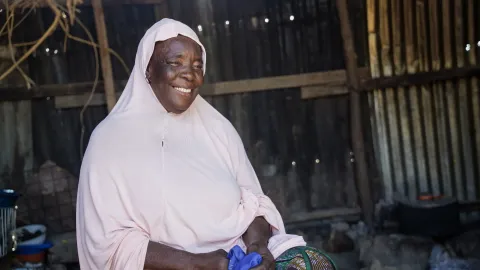
Abiba Usman still remembers how floods ravaged her community in Yola South Local Government Area in previous years. It destroyed properties and devastated livelihoods. Homes and belongings were wiped off. The fear used to be intense that people could hardly sleep. “Anytime it rained, we used to be scared."
Abiba did not see floods as the only danger. It was what often followed that left an even deeper scar on her: cholera. She recalls, “people would become sick with cholera.” And the fear was not unfounded. In both 2024 and 2025, Adamawa State experienced cholera outbreaks that resulted in fatalities, deepening the sense of vulnerability among communities already dealing with recurrent flooding. For families living in flood-prone areas, the rainy season became associated not only with the loss of homes, properties, and livelihoods, but also with the possibility of diseases and death.
Abiba is not alone in carrying those memories.
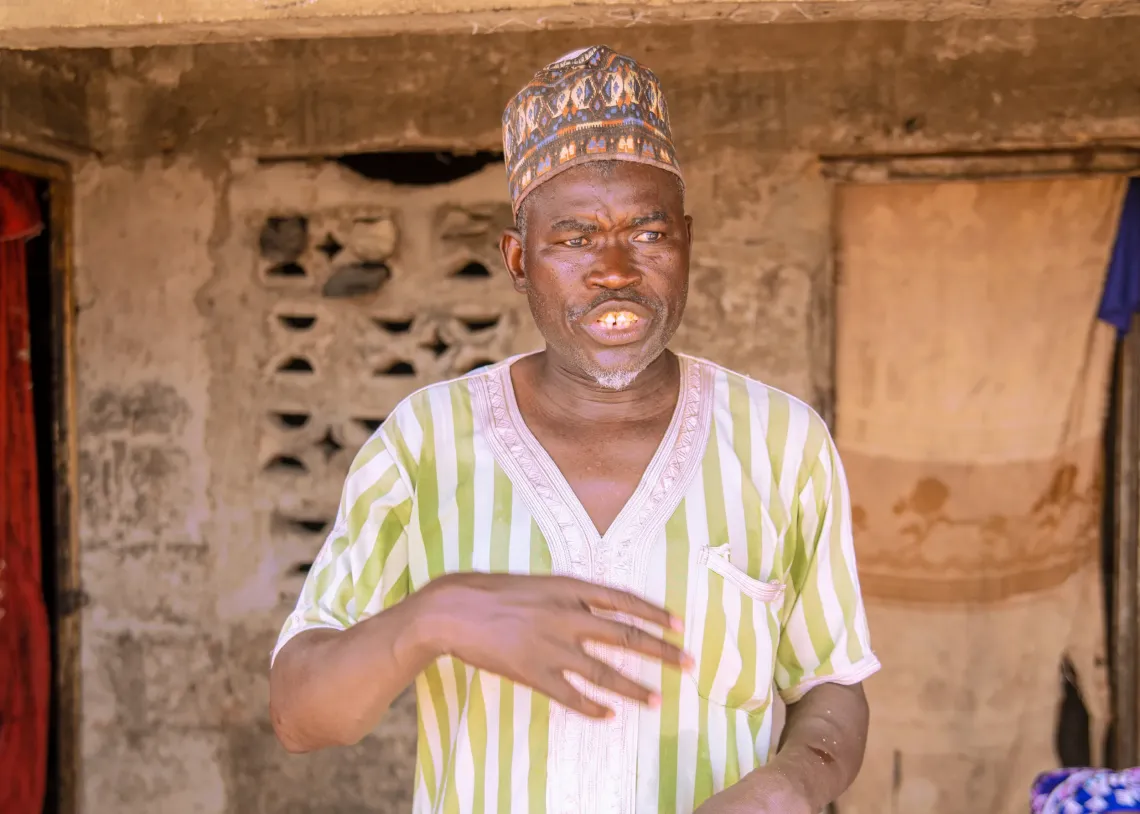
Yakubu Badamasi remembers the fear too. Last year, cholera struck in his home when a child in his household became ill. “Last year, a child in my house had cholera. It was really devastating for us,” Yakubu says. “Many other households in my community also had cases.” Health workers eventually came to the community, helping families disinfect their surroundings and providing guidance on how to prevent further infections. But the experience left a lasting impression on the families.
In communities across Adamawa, seasonal flooding has become more than a weather event. It is a recurring threat to homes, livelihoods, and health. The cholera outbreaks recorded in 2024 and 2025 reinforced that reality. By the height of the rainy season, particularly around July and August, families were already bracing themselves for what the combination of flooding, unsafe water, and poor sanitation could bring.
For families like Abiba’s and Yakubu’s, July and August became months of anxiety, a time when rain could mean much more than getting wet. It could mean losing property, livelihoods, or even a loved one. The fear became part of their lives.
But this year, something feels different. It is September 2026, and Adamawa has not declared a cholera outbreak or reported cholera cases like those experienced in previous years.
Families who have spent months bracing themselves for the worst, which they believed to be inevitable, are now noticing the difference. The change did not happen by accident.
The Adamawa State Government, with support from the Central Emergency Response Fund (UNCERF), the Swedish International Development Cooperation Agency (SIDA), and the United States Government, in close collaboration with UNICEF, has been strengthening preparedness and anticipatory action to help communities respond before emergencies become crises.
In June, with support from the United States Government, the state held a workshop aimed at strengthening preparedness for public health emergencies. The process produced a preparedness document designed to help the state anticipate potential emergencies and act before they escalate.
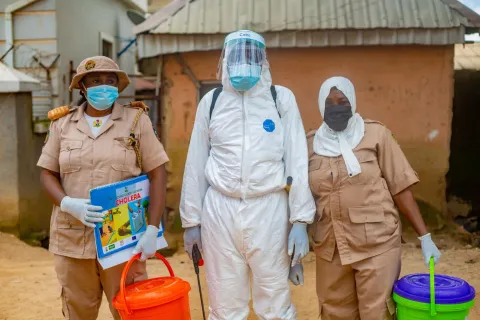
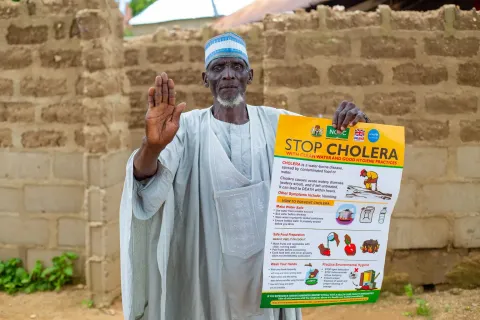
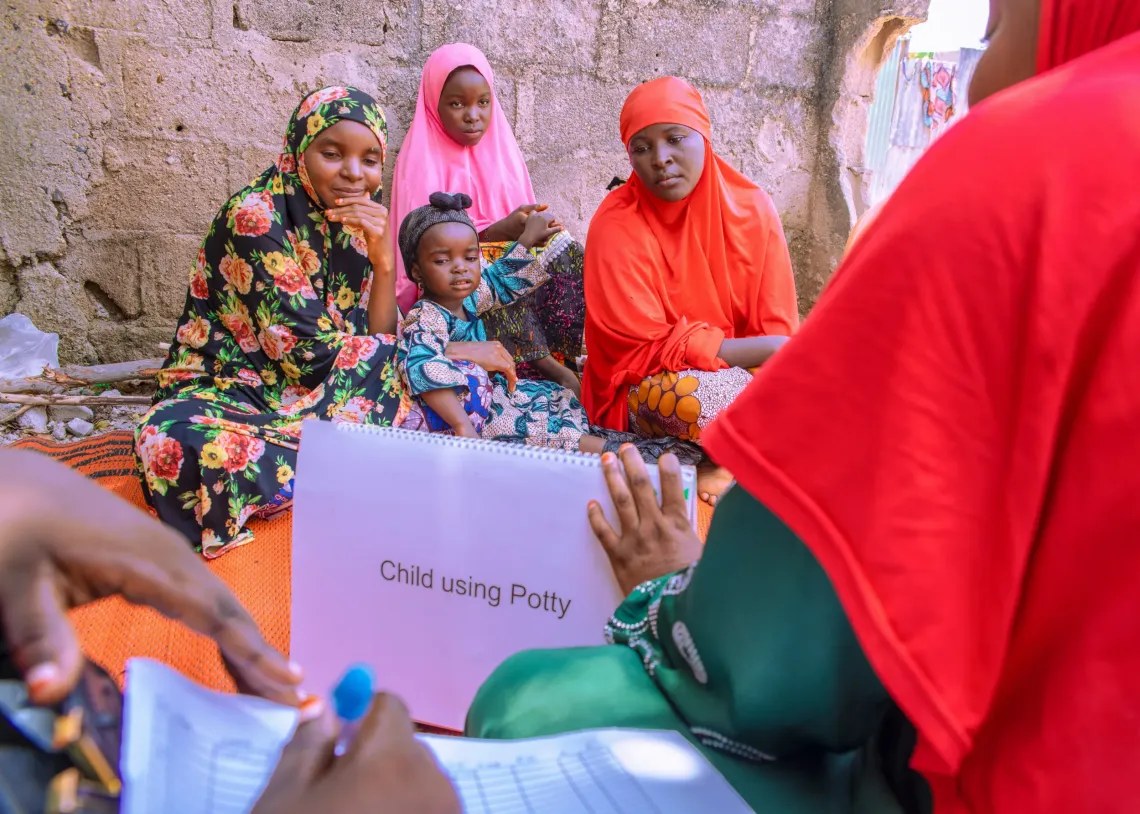
But for families like Abiba’s, preparedness is not just a document. It is the person knocking on their door. Across vulnerable communities, the state, with support from the partners, has mobilized community hygiene promoters who are moving from household to household and community to community, educating families about hygiene, disease prevention, and practical steps they can take to protect themselves before floods or outbreaks occur.
Their visits have brought relief for Abiba, one she has not felt in a long time. She now pays closer attention to hygiene practices at home and makes sure her four children follow the guidance the promoters provide.
“I make sure my children follow what they teach us,” she says. “We have learned that keeping ourselves and our surroundings clean can help protect us.”
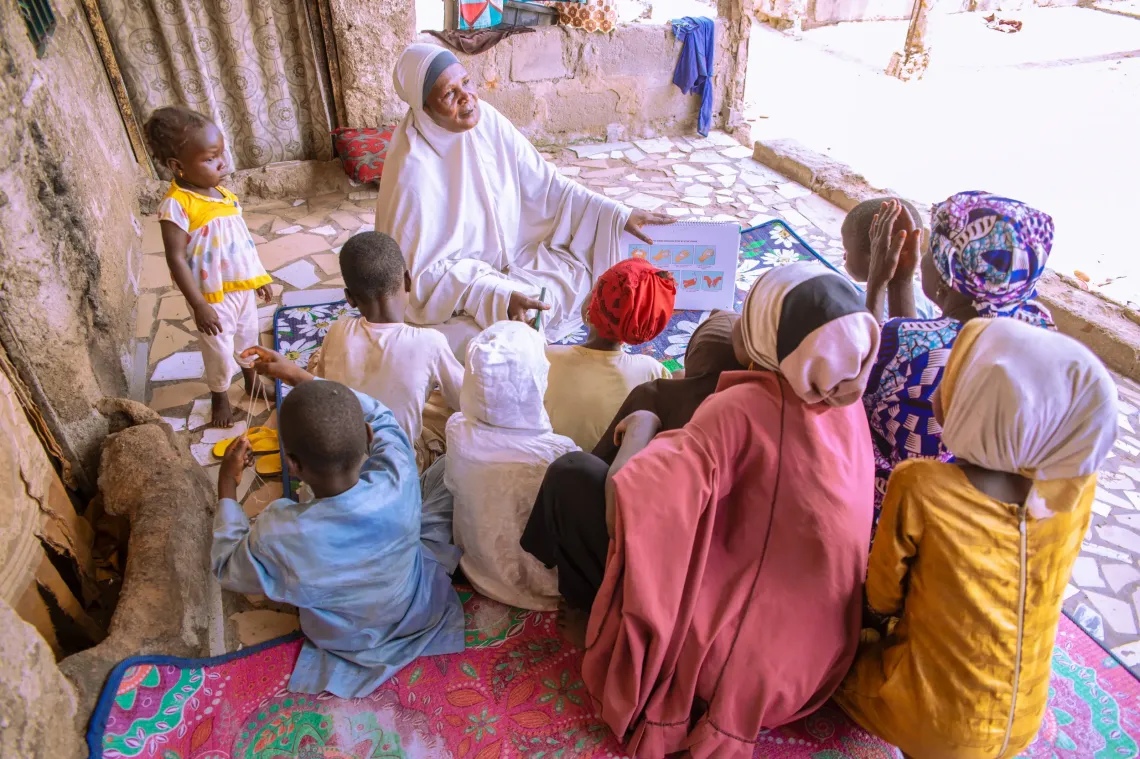
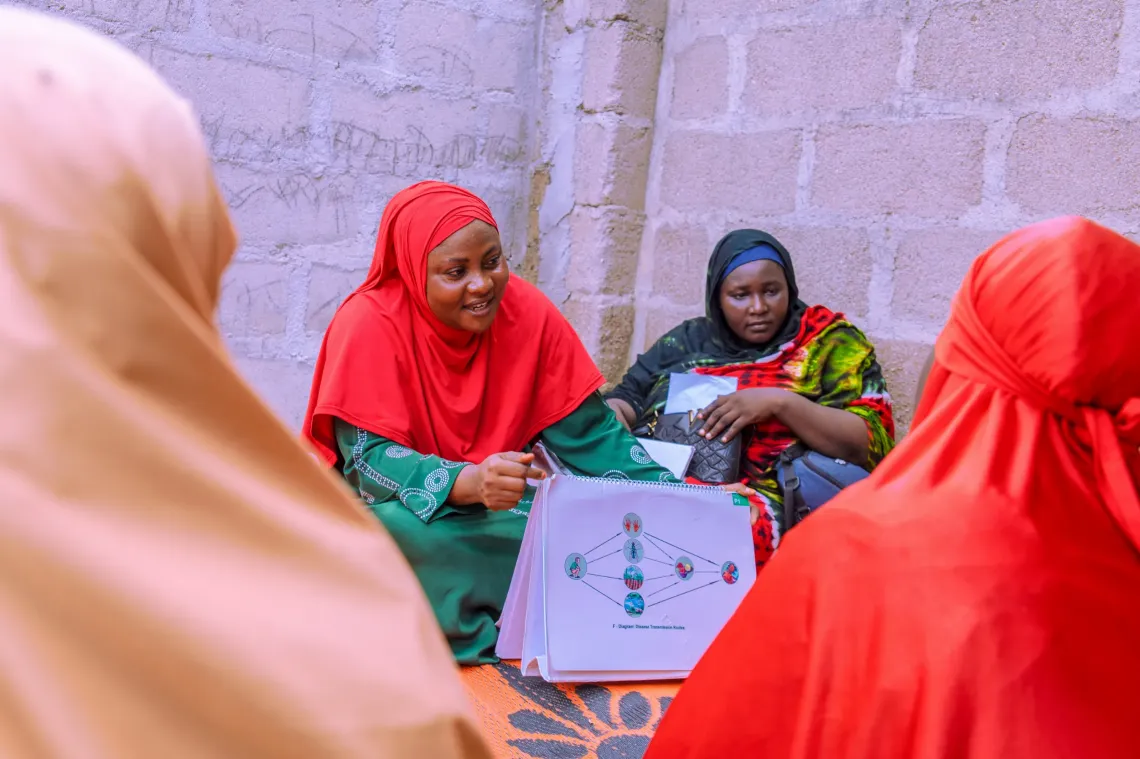
Yakubu also sees the difference. He views the hygiene promoters as more than just health workers; they are a source of reassurance in communities that have become accustomed to waiting for disaster. They are a source of reassurance in communities that have become accustomed to waiting for disaster. “We feel delighted every time we see them, reminding us about staying safe,” he says. The lessons may seem simple—clean water, proper hygiene, safe sanitation, and constant reminders about disease prevention,but in communities repeatedly exposed to flooding and outbreaks, those lessons can save lives.
And there is another layer to the preparedness effort.
With support from UNCERF, the state government has pre-positioned emergency and cholera response kits in strategic locations, making it possible to deploy essential supplies more quickly if floods or disease outbreaks occur. For Abiba and Yakubu, this preparation has changed the meaning of the rainy season.
The rain still falls. The memories have not disappeared. But this year, they are not simply waiting and hoping that disaster will pass them by. They are preparing. And that preparation has given them something the floods once took away: a sense of control. It is still September, and no one knows yet if Adamawa will escape floods or disease outbreaks this year. The floods may still come, and with them may come risks that no community can eliminate.
But preparedness is changing the story before the crisis begins. Thousands of families, such as Abiba’s and Yakubu's, who live on the edge of recurring floods, know that the difference matters.
They have seen what happens when the waters rise. They know what cholera can take. But this time, before the attacks have a chance to become a crisis, they are ready.