A Heroine in the Heart of Monguno
With support from UNICEF and the United Nations Central Emergency Response Fund, one volunteer is helping protect children from cholera in northeast Nigeria

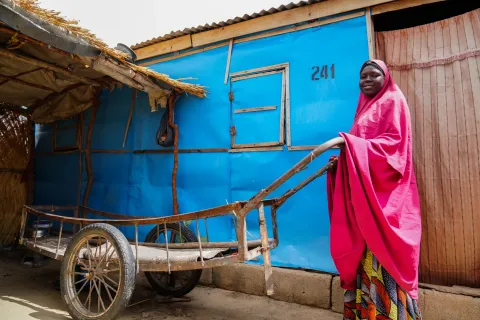
Every morning, Amina Ali walks through the maze of narrow dusty pathways that crisscross the RRR Internally Displaced Persons (IDP) Camp in Monguno, Borno State. She stops at one shelter after another, greeting mothers, checking on families and sharing simple messages that could mean the difference between life and death.
This is no ordinary neighbourhood to Amina. It is where she sought refuge after fleeing armed attacks in Baderi, her hometown in Marte Local Government Area, together with her husband and five children. It is where she rebuilt her life after losing almost everything. Today, it is where she has become one of the community's strongest defenders against another deadly threat: cholera.
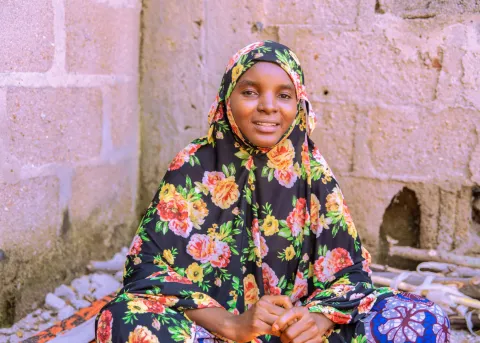
"I am a tailor and I have an old sewing machine," she says with a smile. "That is how I support my family. I also sew caps in my spare time. But when cholera broke out here last year, I decided to become a community volunteer. Now I only sew in the evenings because I spend my days creating awareness about cholera. I feel that if the conflict has not killed us, then cholera should not."
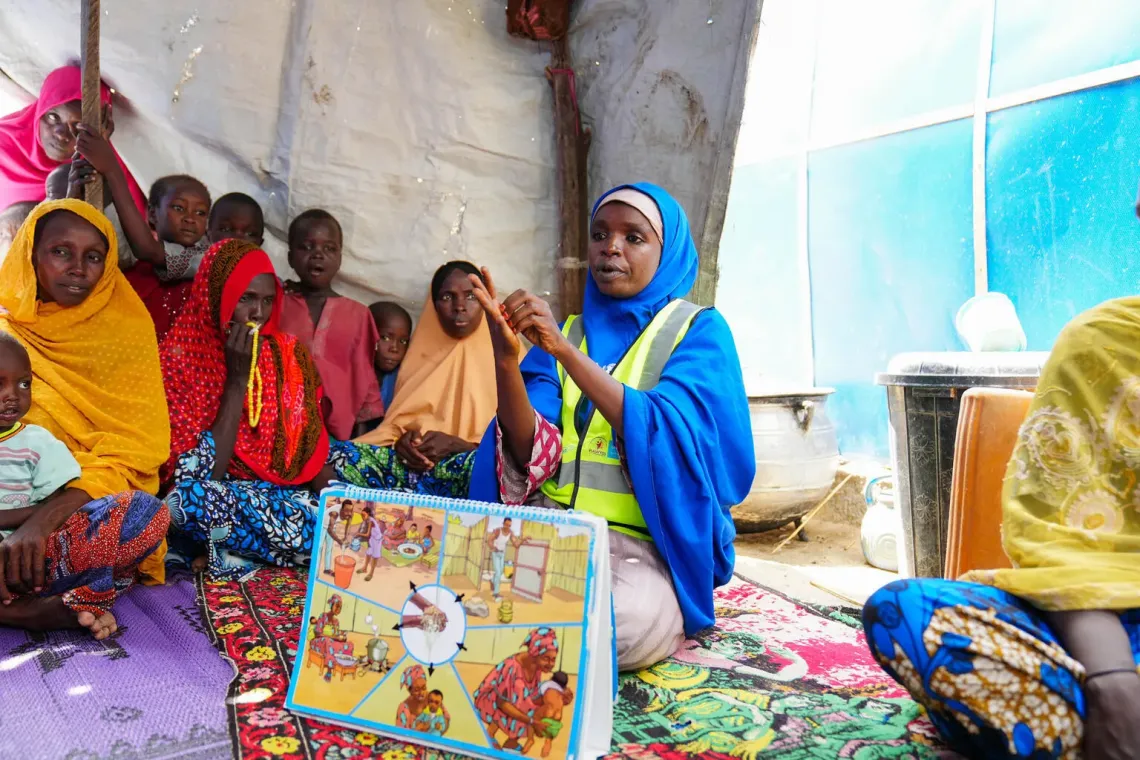
For Amina, becoming a UNICEF-supported hygiene promoter was never a difficult decision.
"I did not waste time thinking about it," she says. "I believe everyone should be a hygiene promoter. Cholera can affect anyone and it can kill within hours. I have learned that knowledge, when put into practice, saves lives. I feel privileged to share that knowledge with mothers and fathers so they can protect their children."
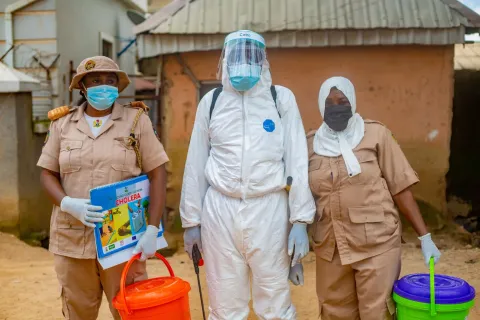
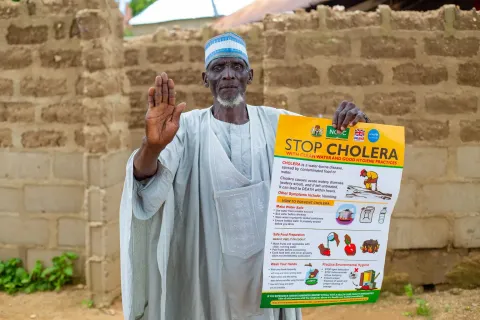
When cholera resurfaced in Borno State in June, Amina immediately joined other hygiene promoters in Monguno, visiting households every day to demonstrate proper handwashing, encourage safe food handling and explain practical ways families could reduce the risk of infection.
"We keep the messages simple," she explains. "We tell families to wash their hands with soap after using the toilet, keep their nails trimmed, and always cover their food and drinking water. These small actions can save lives."
The work is urgent. In less than two months, more than 150 people have died from cholera across Borno State, while over 35,000 others have been infected. With support from the United Nations Central Emergency Response Fund (CERF), UNICEF, in collaboration with the Borno State Government and the Roadmap for Women and Youth Development (RAWYOD), is providing integrated cholera prevention and response services in communities most at risk.

Alongside awareness campaigns led by volunteers like Amina, UNICEF and its partners are supporting case management, community disinfection, ambulance services and treatment for people affected by cholera, helping to protect vulnerable children already living through the effects of years of conflict.
For Amina, the greatest reward comes from seeing families put the lessons into practice.
"What motivates me is when I visit a household and find it clean," she says. "It tells me people are listening and that our work is making a difference."
The work, however, is not without challenges.
"The biggest challenge is poverty," she says. "We all live in the camp and we are all struggling. Many families cannot afford soap. Some do not have proper shelters or stable livelihoods. When they tell me they have no soap, I advise them to use ash instead. The important thing is to keep washing their hands."
Jidda Mohammed, the camp secretary, says improving living conditions is essential to preventing future outbreaks.
"Our population is more than 10,000 people spread across six zones, from A to F," he says. "You can see how crowded the camp is. We still need more food, clean water, shelters and other basic services. If those needs are met, we will be in a much stronger position to protect ourselves from diseases like cholera."

For Amina, every door she knocks on is another opportunity to save a child. Having survived conflict herself, she knows how fragile life can be. That is why she continues to walk the dusty pathways of Monguno each day, carrying with her nothing more than simple health messages and the hope that no family will have to lose a loved one to a disease that can be prevented.