When Cholera Came to Umar Shehu’s Doorstep.
Umar Shehu had hardly heard of cholera before it came knocking at his door.

Umar Shehu had hardly heard of cholera before it came knocking at his door. He knew little about the disease and could barely recognize its symptoms. But that changed when someone in his household suddenly became ill in August 2026. “She was weak, vomiting, and experiencing diarrhea. "I could not believe it,” Umar recalls.
Fear gripped him as he watched her condition worsen. He did not know what was happening or what to do. So, they rushed her to the health facility in his community, Wonu, in Toro Local Government Area of Bauchi State. It was there that Umar learned the frightening truth. She had cholera. The health workers immediately began treatment. Over the following days, her condition improved. “They gave her treatment and, over time, she became well,” Umar says.
For Umar, the experience was more than a frightening moment in his household. It was his first personal encounter with a disease he had barely heard of. “I had never heard of such before,” he says.
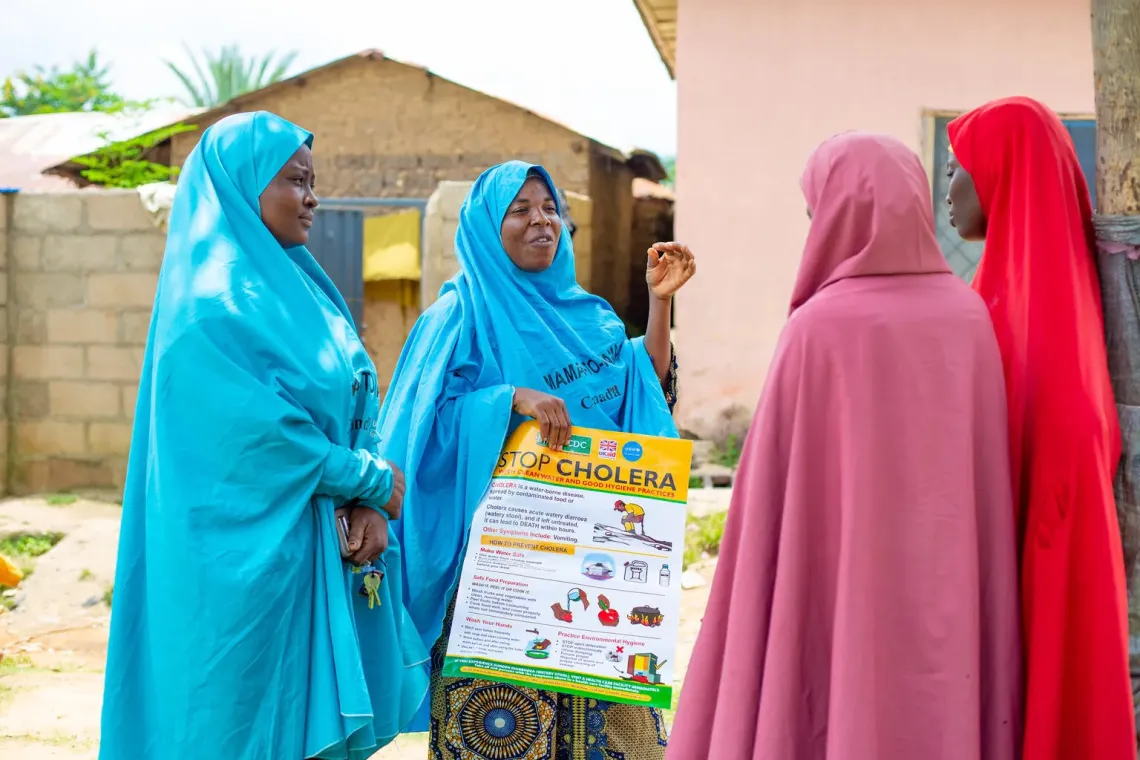
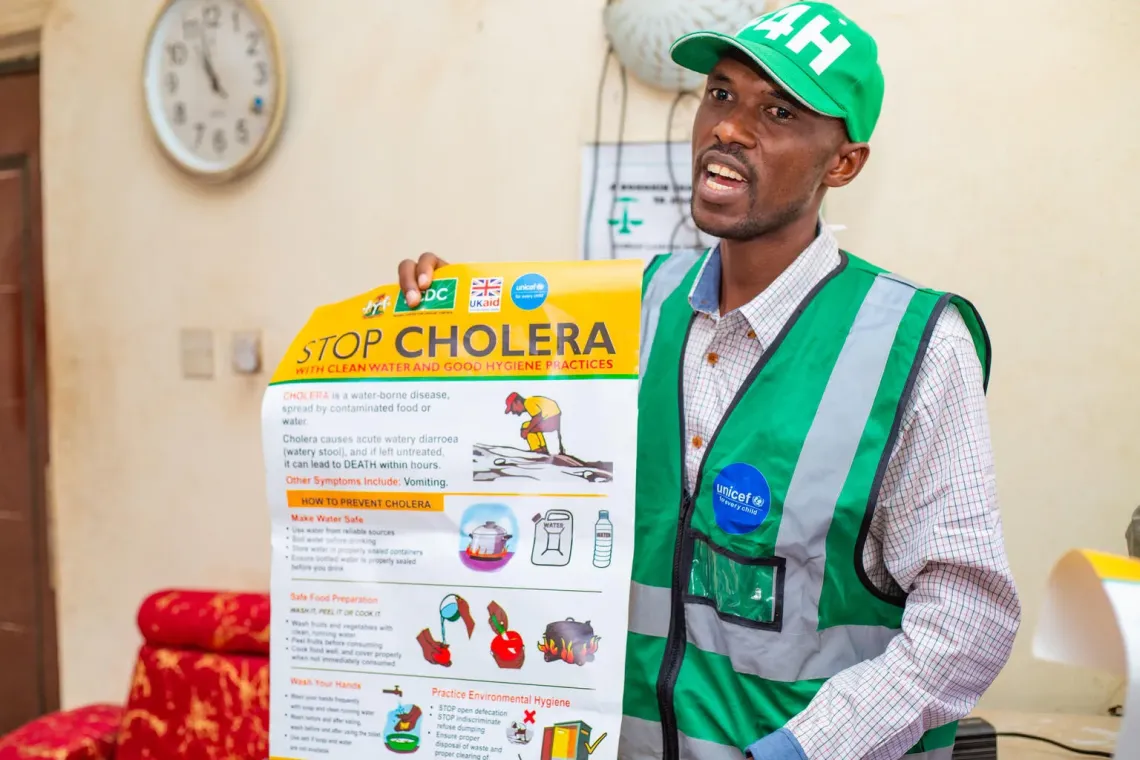
As the threat of cholera became closer to families in Wonu community, local authorities and health workers quickly swung into action. The goal: prevent the disease from spreading further. They focused on ensuring that families understood how cholera spreads, how to prevent it, and what to do when symptoms appear.
With support from UNICEF, the state health authorities intensified community awareness activities. UNICEF-supported community mobilization groups, including Fathers for Good Health and Mama2Mama, became a critical part of the response, moving through communities and taking life-saving information directly to families.
It was through these sensitization activities that Umar began to understand the disease that had suddenly become personal to him.
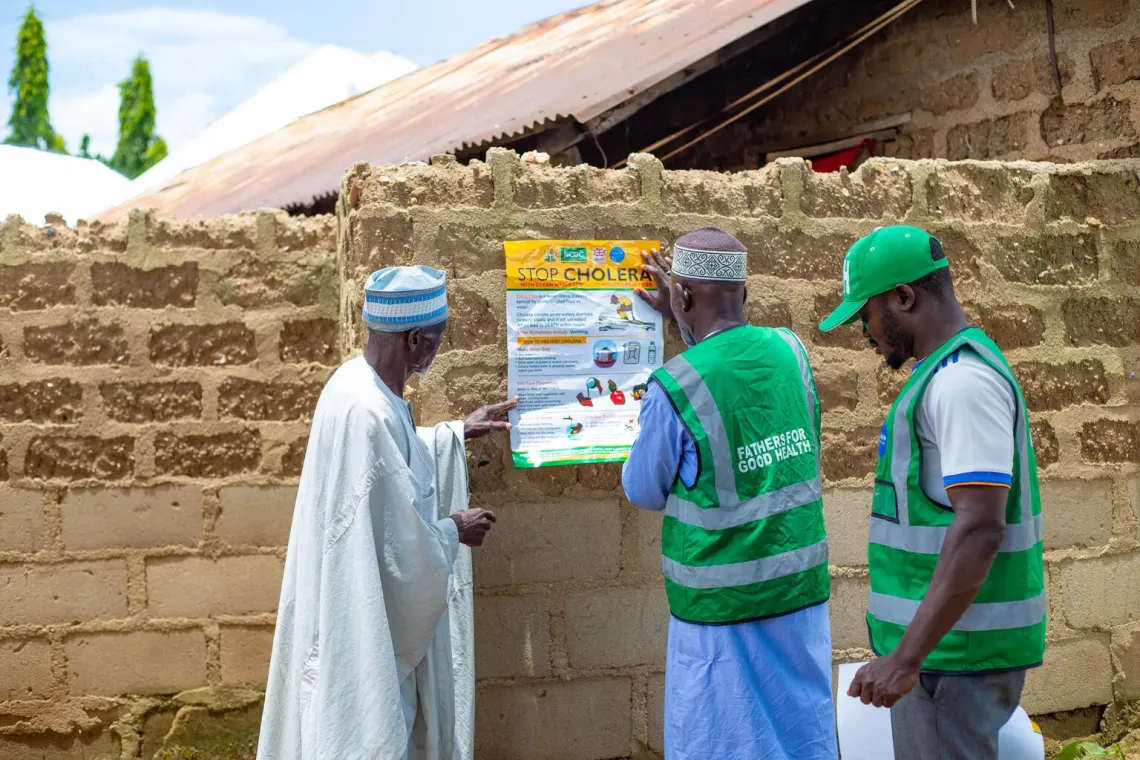
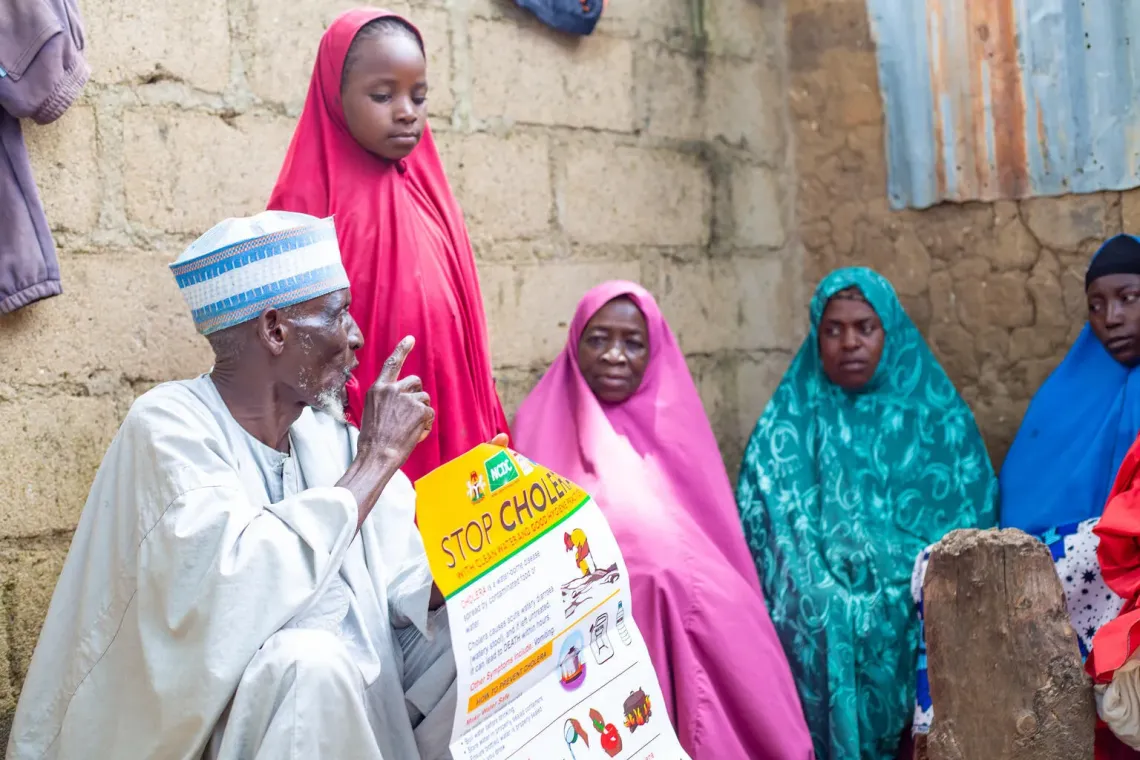
“With the knowledge I gained from the sensitization sessions, I now understand cholera better. I know what to do, and I am glad I have the knowledge to share with others in my community,” he says. That knowledge has changed how Umar sees the disease.
Before, cholera was something he had barely heard of. Now, it is something he knows can affect any family. “I have seen it myself. It has come close to me, and I know no family should have to witness it,” Umar says. That experience has also strengthened his determination to protect his community. “I am committed to making sure we do not give cholera a chance in our community,” he adds.
Across communities affected by or at risk of cholera in Bauchi State, urgent interventions are helping families protect themselves and prevent further spread of the disease. In Wonu, Umar can see the response unfolding around him.
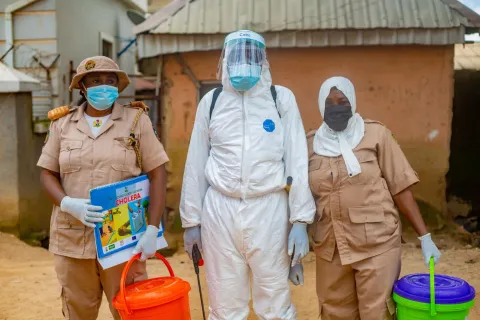
“When you walk around, you will see that the community is actively engaged in efforts to prevent losing the battle against cholera," he says. He points to the fumigators moving around the community to disinfect water sources and the health workers chlorinating them as visible signs of the ongoing fight against cholera.
For Umar, however, the battle is not only about what health workers and fumigators do. It is also about what families know and what they do with that knowledge. “Our destiny is in our hands. The knowledge we have is our most potent weapon to overcome cholera,” he says.
Umar appreciates the efforts of the health workers and everyone involved in the response. But he believes that empowering people with the right information may be the most powerful weapon of all. That is why he values the work of the UNICEF-supported community mobilization groups, including Fathers for Good Health and Mama2Mama.
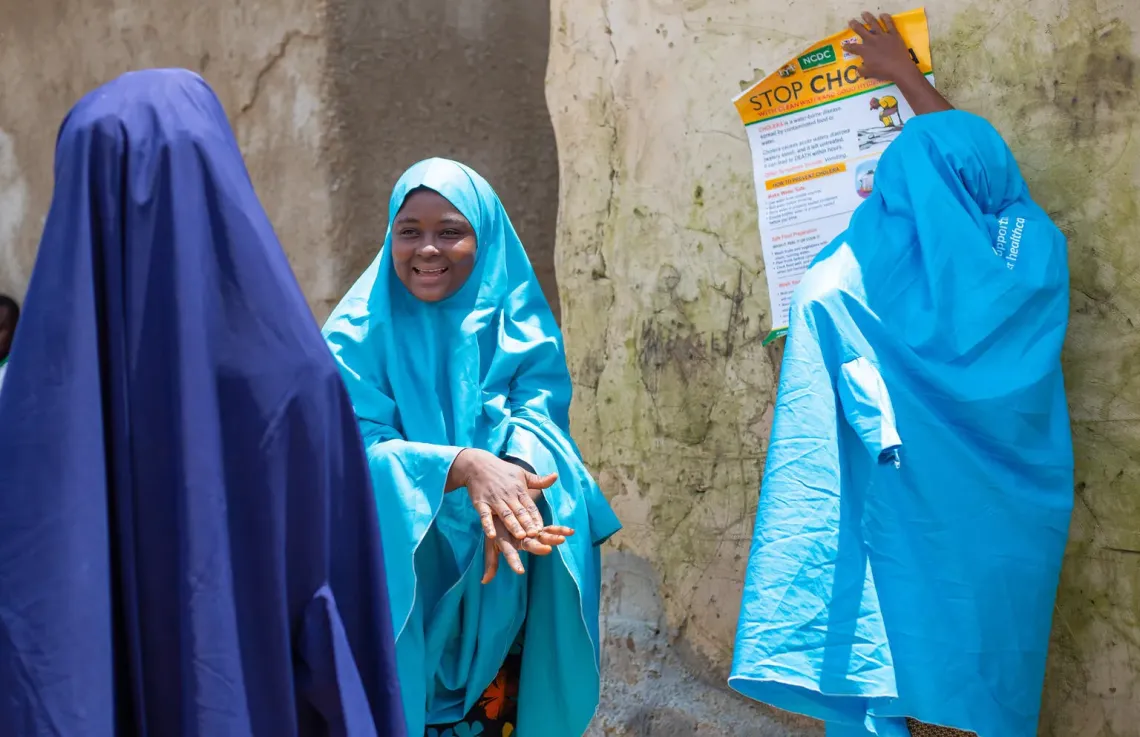
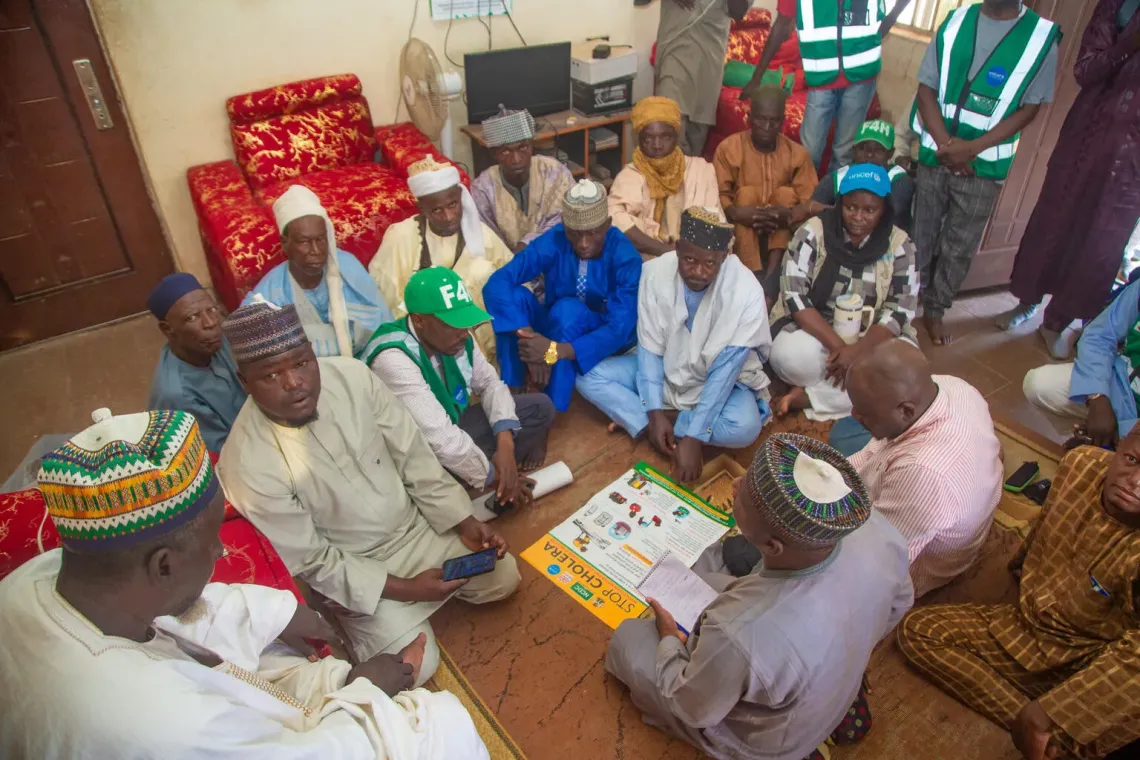
From house to house, they speak with community leaders, mothers, and fathers, helping families understand how to prevent cholera, recognize its symptoms, and seek care early.
Cholera had come knocking on Umar’s door, his family overcame it by a whisker. That experience has made the fight against cholera personal to him. Cholera once felt like a distant disease, something he knew little about. Then it entered his home. Now, armed with knowledge and determined to protect others, he is helping to ensure that Wonu does not succumb to the disease.
“I have seen what cholera can do,” Umar says. “We must do everything we can to stop it.”