Oral Cholera Vaccine
Drops That Bring Hope Back
Morning light had barely settled over Kanwuri when the unease began to show. People moved slower than usual, speaking in low voices, glancing at the narrow footpaths that run between mud homes. The village felt heavier, like the air itself was carrying the rumours. Two deaths over the weekend. Suspected cholera. Cases in Wababe. Stories travelling faster than facts.
Mothers kept their children close. Fathers watched every drop of water with suspicion. No one drank from the communal pots without thinking twice. Children who would normally race barefoot to the open fields stayed indoors or lingered by the doorways, waiting for answers.
Then, a familiar sound broke the silence.
A bicycle bell.
A voice calling out in Hausa.
The town crier.
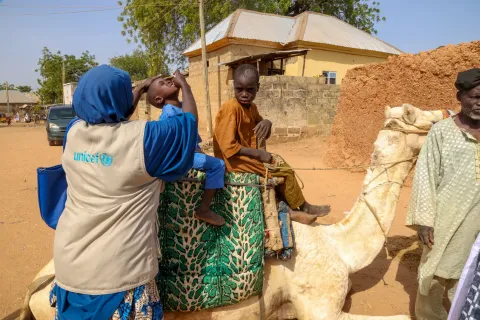
He rode slowly through Kanwuri, raising hopes with every stop. Health workers were coming with cholera vaccines. Every household. Every child. Everyone included.


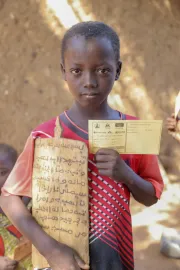
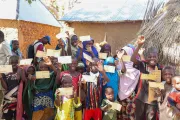
It was like someone had lifted a veil. You could see shoulders loosen. Faces soften. A bit of colour return. When fear stays too long, even the smallest promise of help feels like light breaking into a dark room.
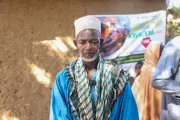
For Malam Adamu, the Islamic teacher whose world revolves around more than 300 Almajiri boys packed into a small compound, this news was nothing short of a lifeline.
“We were told the campaign would start in a few days,” he said, leaning on the wooden doorframe of his classroom. “But those 72 hours felt like waiting for rain in the dry season. I even thought of closing the school.”
When he finally spotted the vaccination team turning into the alley that leads to his school, his face lit up. A man who had held his emotions tight for days suddenly looked free.
“I asked the health workers to start with us,” he said, with pride. “This school has the largest number of children here. They deserve to be protected first. And they agreed.”
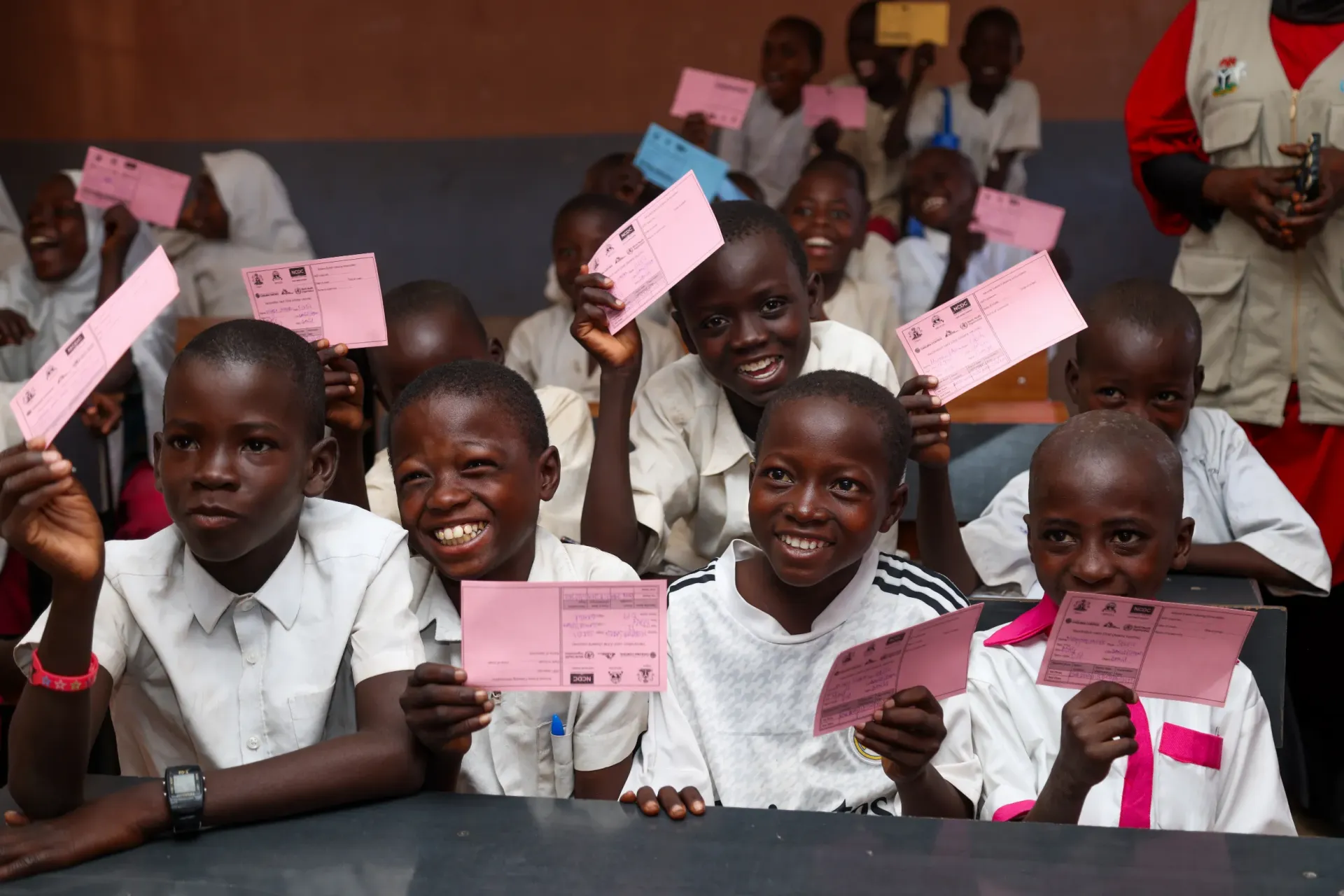
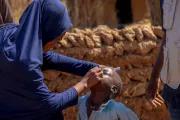
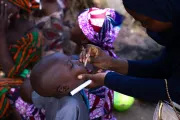
The children lined up in two long queues, boys on one side, girls on the other. Their shadows stretched across the courtyard as they shifted in excitement. Some whispered prayers. Some giggled as the drops touched their tongues. A few closed their eyes like they were tasting something magical. Vaccinators moved with calm precision, marking fingers, recording names, making sure no child slipped through.
“I have always welcomed vaccines,” Malam Adamu said, watching each child as if they were his own. “We trust our government. We have seen how vaccines protect us.”
Across Dange Shuni, the energy was the same. Maryam and Hauwa, part of the frontline teams, moved from school to school with a determination that comes only from love for their community. At Sarkin Baura Model Primary School, Team 017 set up under a neem tree, shading themselves as hundreds of children poured in from classrooms.


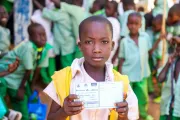
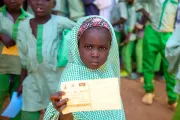
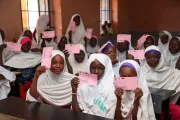
At Sahabi Dange Primary School, the scene felt almost festive. Children clung to their vaccination cards, shouting:
“Give me!”
“I’m next!”
“I reached here first!”
Their excitement echoed through the school yard like a celebration. So many children came forward that the team had to reorganize the queues three times. On a normal day, they cover 300 to 400 children. In schools like this, the numbers jump to nearly double.
And through all of this, UNICEF with support from International Coordinating Group (ICG) on Vaccine Provision remains at the heart of the response, working closely with health authorities to make sure every child in Dange Shuni and Goronyo receives the Oral Cholera Vaccine during this pilot campaign. The goal is simple, human, and urgent: keep children safe, restore calm, and bring back the rhythm of life to communities that have lived with uncertainty for too long.