Hauwa, the Vaccine Negotiator
With empathy and a mother’s touch, a gentle vaccinator turns fear into trust, helping children embrace vaccination in Adamawa State.
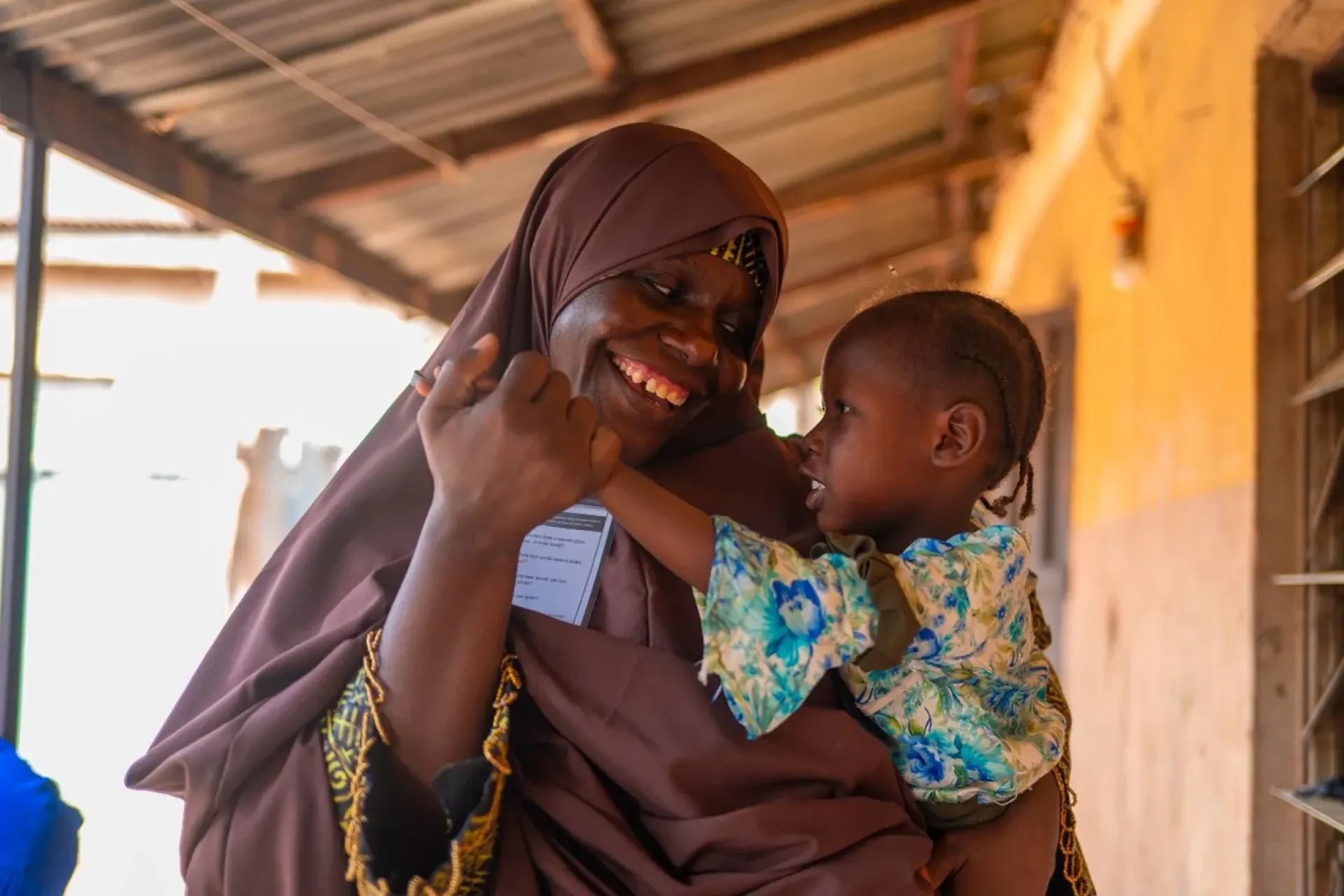
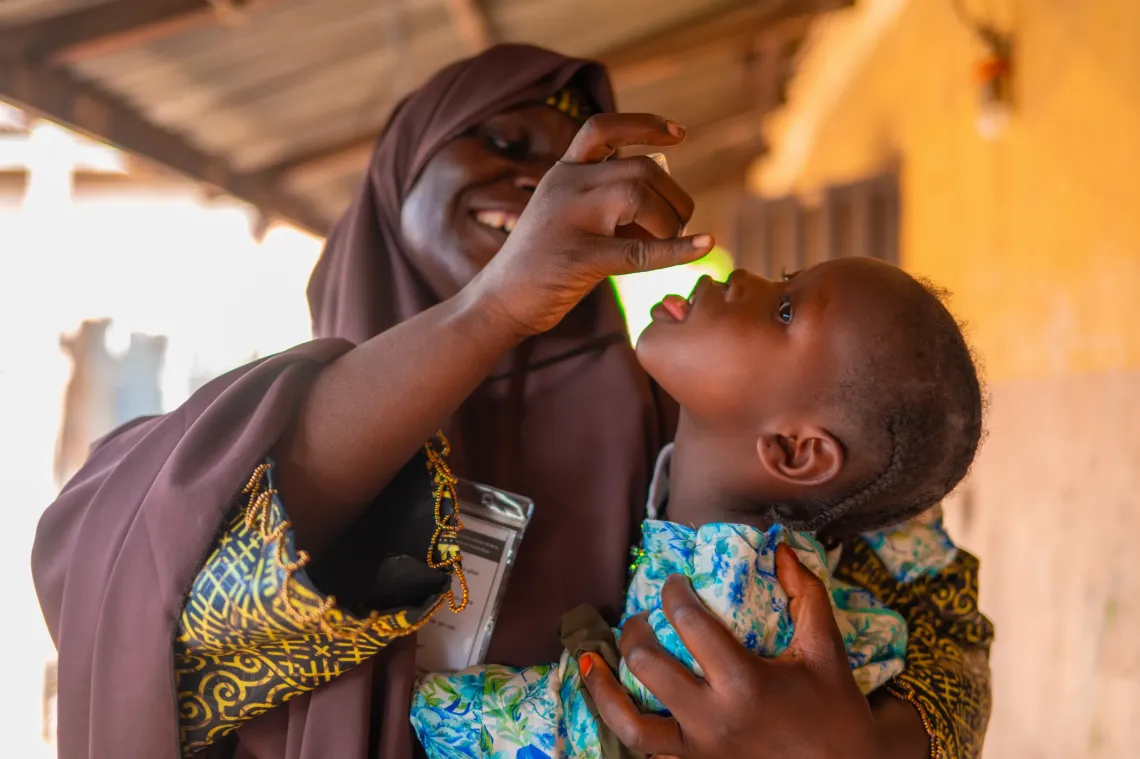
Her demeanor is warm, yet firm, gentle, but unwavering. When Hauwa Ishiyaku reaches for a vaccine vial, resistance from a child does not deter her. It is not that she forces compliance, she simply understands trust. A mother herself, Hauwa has worked, for years, as a vaccinator in Yola, Adamawa State, guided by motherly instincts. She knows the moment children see her; fear often follows. “Sometimes, when children see us, they begin to cry and try to hide,” she says. “They are scared because they think vaccination hurts.”
Over time, she has encountered many children who strongly resist vaccination. But Hauwa brings something unique to her work, an ability to negotiate, not with authority, but with empathy. “My motherly instincts always help,” she explains. She kneels to their level, speaks softly, and reaches out with patience.
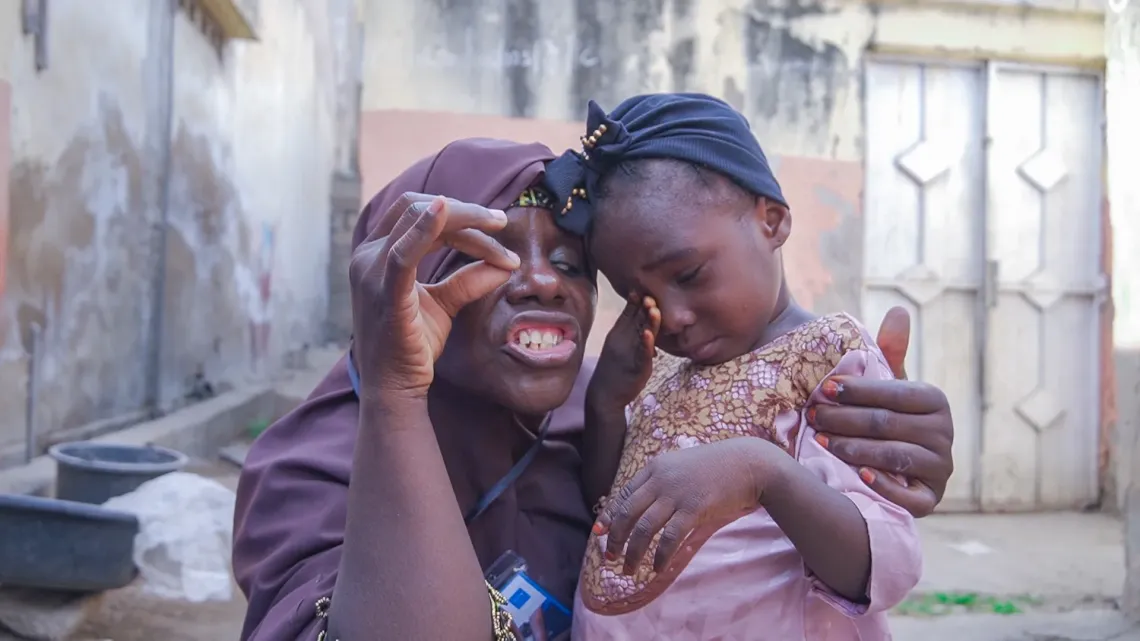
In those moments, she is not just a health worker, she becomes a friend. Sometimes, she becomes a child herself. Using play, laughter, and reassurance, she transforms fear into trust before she administers the vaccine.
This skill was on full display during the March 2026 polio immunization campaign in Adamawa State. Moving from house to house across the community, Hauwa carried her cold box of life-saving vaccines under the heat of the day. At nearly every stop, she met children who believed she had come to bring pain. But Hauwa knows better. “For me, this work is not just about vaccinating children,” she says. “It is about building a bond with each child.” She negotiates in ways only children understand, through play and storytelling. “Sometimes, I give them candy.” She reassures them that the vaccine is not something to fear, but something that protects them. By the time she is done, many children who once resisted are smiling.
Hauwa’s motivation runs deeper than duty. “There is a child in my community affected by polio,” she says quietly. “My heart aches every time I see the child.” That pain fuels her determination. Each vaccination is, for Hauwa, a step toward preventing another child from suffering a preventable disease.
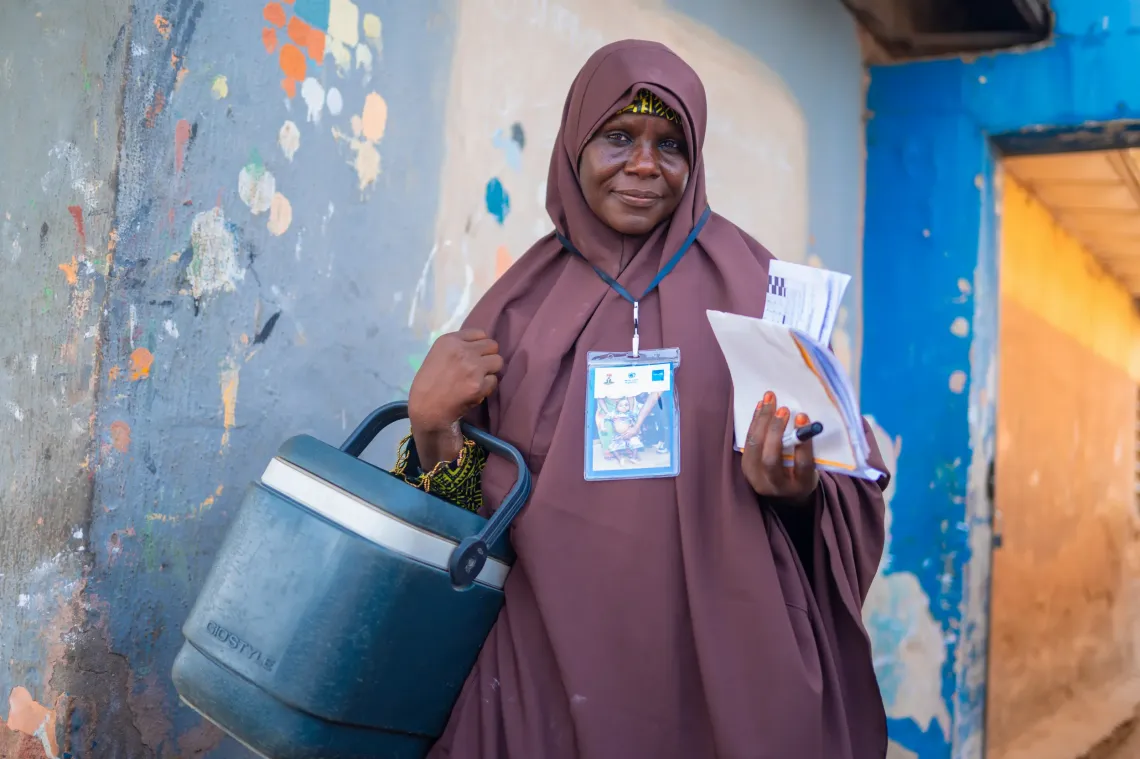
“When I go out for immunization campaign, I want to make sure we don’t have more children like that,” she says. Hauwa understands that vaccination remains one of the most effective ways to protect children from diseases like polio. And she is committed, not just to delivering vaccines, but to delivering them with care, dignity, and joy. She wants children to take vaccines while feeling safe, even happy, as she holds them and does her work. She plays. She listens and builds trust.
In Adamawa State, UNICEF works with the government to reach every eligible child with life-saving vaccines. Through this partnership, health workers receive training and support to effectively administer vaccines. But beyond the systems and structures, it is frontline people like Hauwa who make the difference. They understand that, sometimes, protecting a child with vaccines can begin with something as simple and as powerful as earning the child’s trust. She recognizes that every trust she negotiates with a child is a step towards ending polio and other vaccine-preventable diseases.