The Twins Who Came With the Harmattan
Hassan and Hussain’s Story of Hope and Care
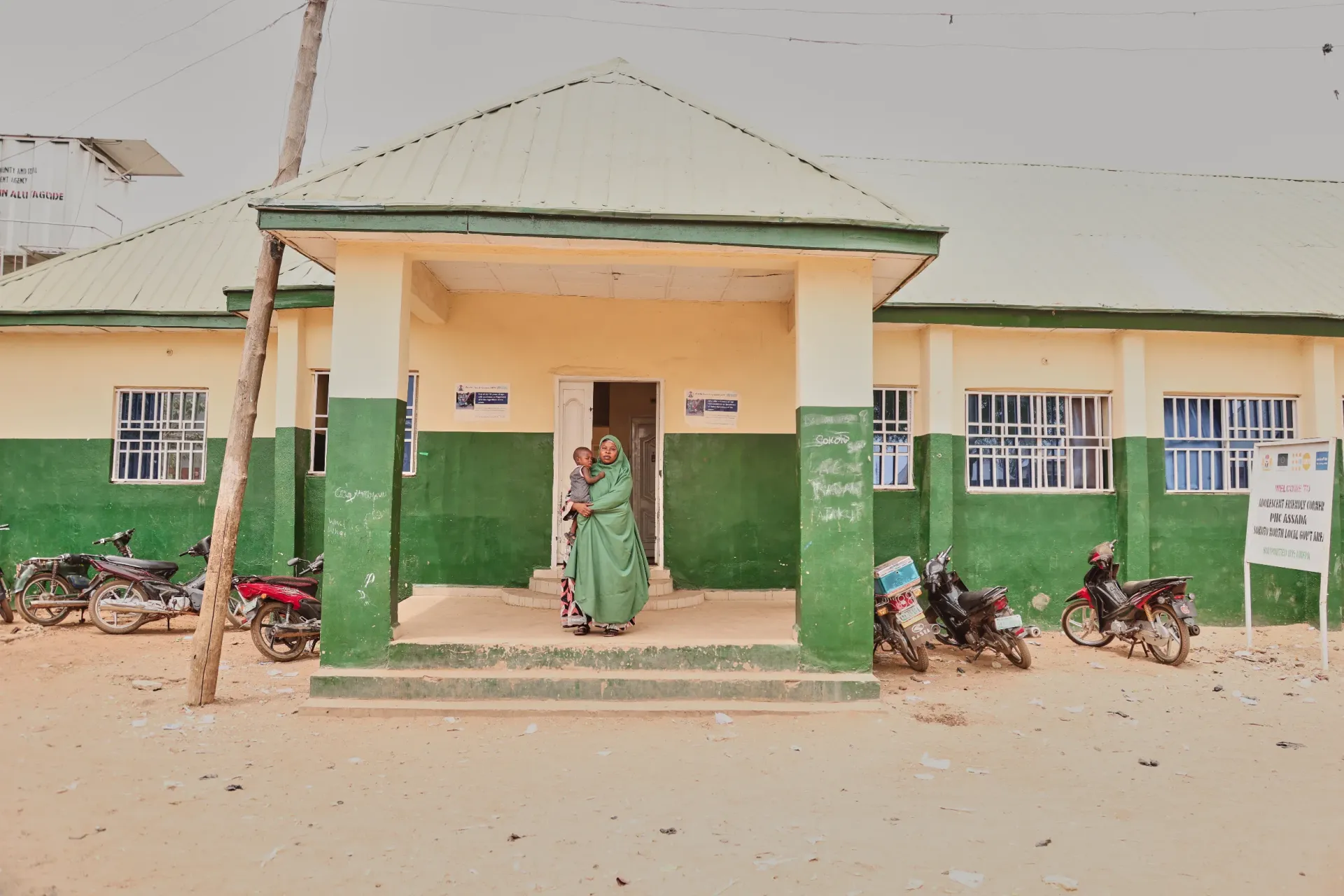
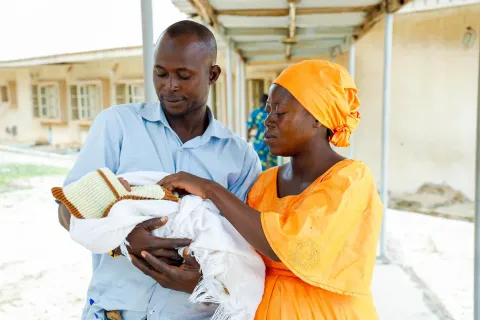
Thirteen months ago, Hassan and Hussain entered the world wrapped tightly in thick blankets against the bitter harmattan cold sweeping through Sokoto.
They were tiny, fragile and completely dependent on the careful hands that received them at the Assada Primary Healthcare Centre on the outskirts of Sokoto North.
Today, the twins race through the same health facility with unstoppable energy.
Their small feet slap against the veranda tiles as they chase one another between benches, bursting into laughter every few seconds. Nurses smile as they run past. Mothers waiting for consultations pause to watch them play.
The boys move around the facility with the confidence of children returning to a familiar place.
Because this is where their lives began.
And for their mother, Sadiya Bello Hassan, every laugh, every step and every playful scream carry deep meaning.
“They are my last born, and the first twins in our family,” the 36-year-old mother says, her eyes fixed lovingly on the boys. “They brought so much happiness to us.”
In many communities across northern Nigeria, twins are seen as a blessing.
For Sadiya, Hassan and Hussain became something even greater.
They became proof that care can change outcomes.
Having delivered her older children years earlier, she immediately noticed that something had changed this time around.
“Everything was different,” she says quietly. “During antenatal care, during delivery, even after birth, the care was better.”
“There are more health workers now. The equipment is better. Even their attitude has changed. They speak to you with reassurance. You can see confidence on their faces that you will deliver safely.”
For mothers, those small things matter.
The calm voice of a midwife.
The confidence of a nurse.
The feeling that someone will stand beside you when fear begins to creep in.
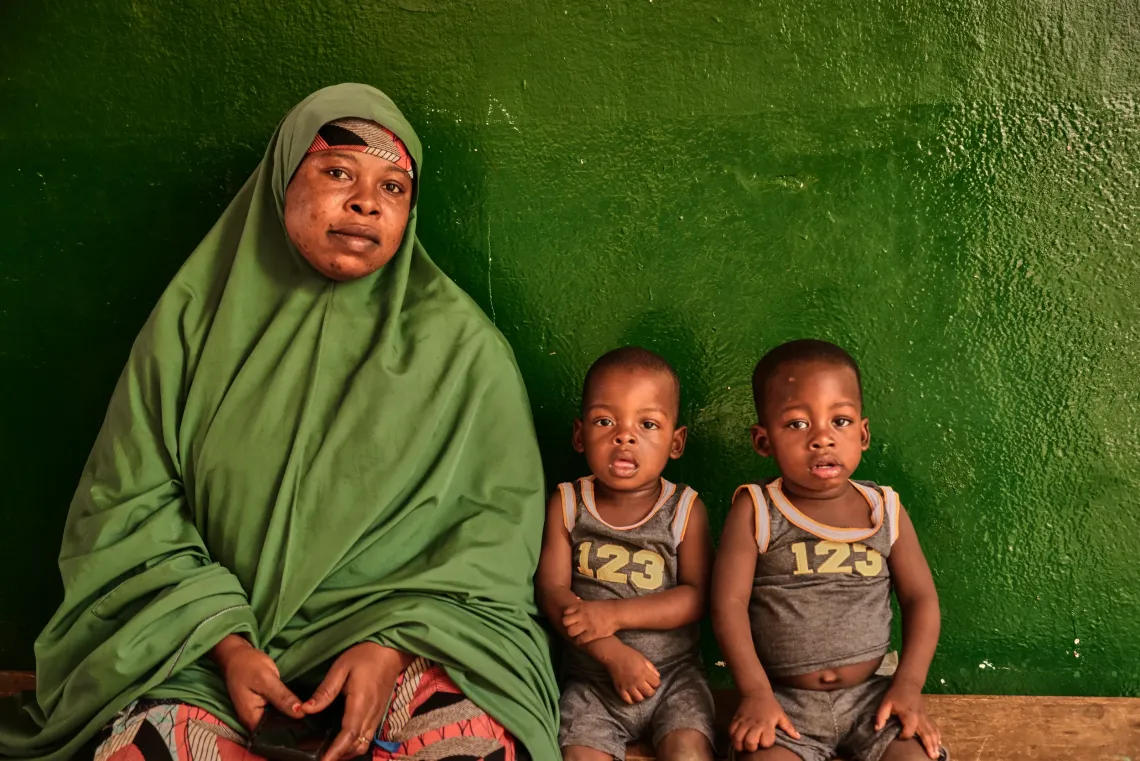
Sadiya attended all five recommended antenatal visits throughout her pregnancy, something she believes played a major role in her safe delivery.
“I have always come to this health centre,” she says. “The relationship between us and the staff goes beyond treatment. They treat us like family.”
The Assada Primary Healthcare Centre sits only a short walking distance from her home, but for many families in the community, it represents something far bigger than convenience.
It represents trust.
That trust is visible everywhere.
In the relaxed smile of a mother waiting for her turn.
In the women greeting nurses by name.
In the sight of Hassan and Hussain turning the health facility into their playground.
Their laughter echoes through the building like a reminder of what quality healthcare can protect.
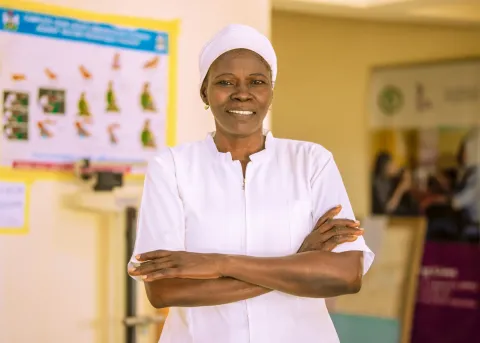
Behind stories like theirs are health workers carrying enormous responsibility every single day. One of them is Fatima Aminu Isah, a community midwife who leads the labour room with warmth, patience and remarkable calmness.
During antenatal sessions, Fatima refuses to let health education become cold or mechanical. Instead, she turns it into moments of connection. She sings with mothers.
She jokes with them.
She gets them moving, clapping and laughing together while teaching them important messages about pregnancy and childbirth.
Soon, the room fills with voices singing together:
“Yarona, yarona, Zan siya maka Wando, Zan siya maka Riga…”
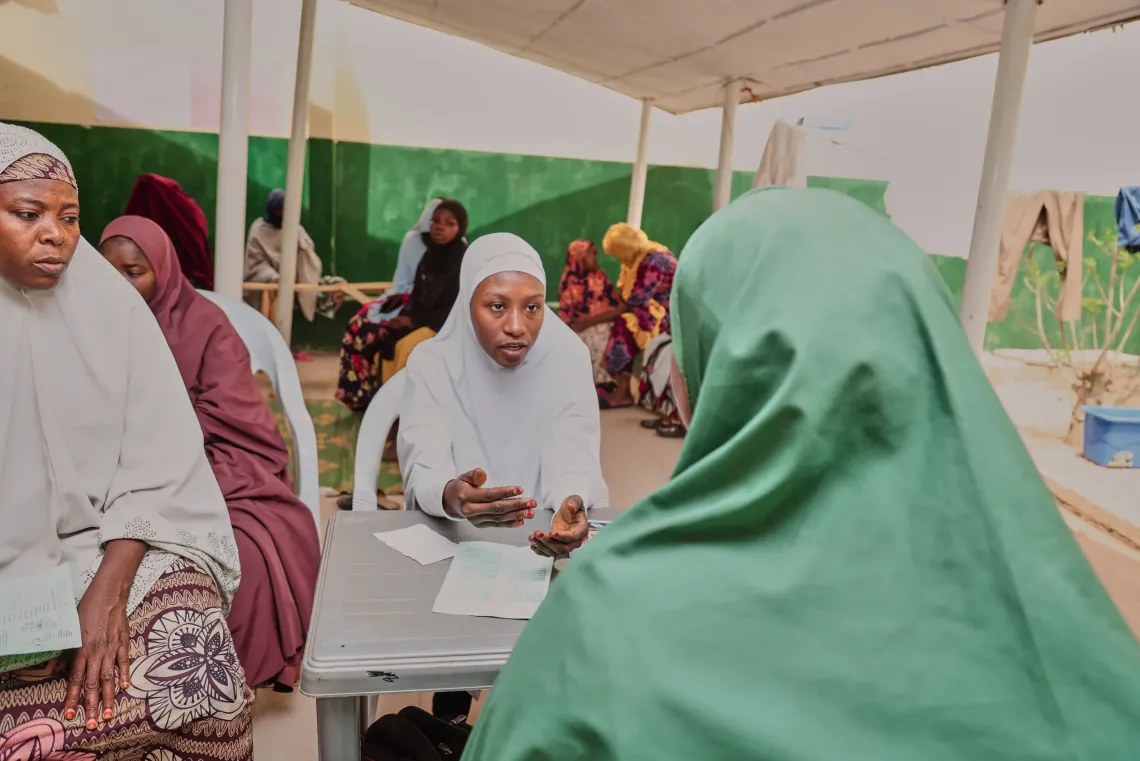
The women sway gently as they sing along, transforming routine health talks into something joyful and unforgettable.
“I may not have given birth to my own child yet,” Fatima says with a smile, “but I have shared in the joy of bringing many children into this world.”
“I am there from the beginning of the journey to the end, when it almost always finishes with smiles.”
For her, every safe delivery leaves a mark.
“Women come here pregnant and leave carrying healthy babies,” she says. “Knowing I am part of that journey gladdens my heart.”
“And after every delivery, I look forward to the next mother who will walk through that door. That is my purpose.”
Across Sokoto State, support from the European Union is helping strengthen maternal and newborn healthcare services, improving care for thousands of women and children.
Since 2024, more than 150,000 women have accessed improved healthcare services during pregnancy, childbirth and after delivery.
But statistics alone cannot fully tell the story.
Sometimes the real story is found in the sound of two little boys laughing freely through the corridors of a healthcare centre where they were once carried in as fragile newborns during the cold harmattan season.
Hassan and Hussain are no longer the tiny babies wrapped tightly against the wind.
They are growing, thriving and filling rooms with life.
And in many ways, they have become living proof of what happens when healthcare is not only available, but compassionate, trusted and strong enough to give children a healthy start from their very first breath.