A Miracle of Modern Medicine
How UNICEF helped Jummai survive postpartum complications

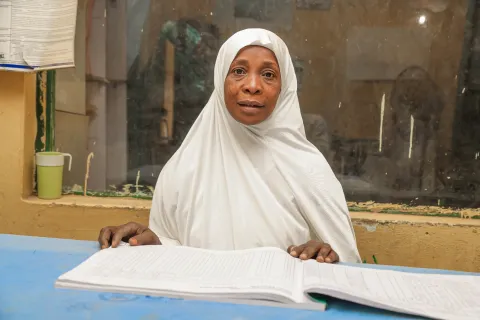
Jummai Yerima, a young mother of three, lives in Benisheik, a small rural community between Maiduguri and Damaturu in northeast Nigeria.
Benisheik is a transit town, home to traders and farmers who have been displaced by years of conflict. Armed attacks by non state armed groups are part of daily life. Unlike the nearby cities, Benisheik does not have clean water in every home, secondary schools for every child, or fully equipped health facilities for every family. This is where Jummai has lived for four years with her husband and children, surviving on what they can grow on their small farm.
Early this year, her life changed in a single night.
Jummai gave birth to her third child inside a tent. The delivery was handled by an untrained birth attendant. At first, everything looked normal. Then the bleeding started.
For four days, Jummai bled endlessly. She became weaker by the hour. Her relatives tried everything they knew. Nothing worked. They had no money for transport and no way to reach a hospital quickly. They watched her drift in and out of consciousness, terrified they were losing her.
“My husband and I are farmers. We cannot afford medical care. We are barely surviving,” she said quietly.
Jummai’s story is the story of many rural women in Benisheik, women who live with conflict, poverty, and long distances to quality healthcare. These are the women most at risk of dying from preventable complications during pregnancy and childbirth. Their newborns are at risk too.
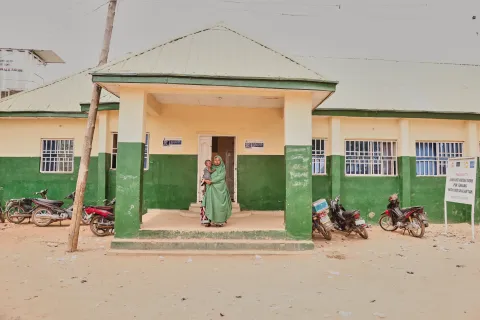
It was not until the weekly market day that the family finally managed to hire transport to take Jummai to General Hospital Benisheik in Kaga Local Government Area.
By the time she arrived, she was extremely weak. Her packed cell volume was only 10 percent. Her vital signs were failing, and her relatives had almost given up.
“Even I had given up on myself,” Jummai recalled. “I felt faint most of the time. All our home remedies did not work. I thought I was going to die and leave my children behind.”
The medical team at the hospital moved fast. They placed her on oxygen, stabilized her and arranged an urgent transfer to the University of Maiduguri Teaching Hospital, where she could receive specialist care. And this is where the quiet, behind the scenes work of UNICEF became part of her story.

The oxygen that helped her breathe, the essential drugs and fluids used to control her bleeding, the antibiotics that fought the infection in her body, even the emergency delivery supplies stocked in that ward were part of the lifesaving commodities that UNICEF provides to the Borno State Government, with support from the United Nations Central Emergency Response Fund. These supplies are deliberately placed in facilities that serve communities like Benisheik, where a single delay can cost a life.
For women who live far from major hospitals, these are not abstract interventions. They are the difference between a family losing a mother and a mother returning home to hold her baby again. For Jummai, they gave her the fighting chance she needed to survive.
At the teaching hospital, doctors diagnosed puerperal sepsis and postpartum hemorrhage, complicated by severe anemia. She received four pints of blood and a full course of treatment. Slowly, her body responded. Within days, she began to regain strength.
The day she was discharged, Jummai walked out of the hospital alive, relieved and deeply grateful.
“I am lucky to be alive, and I cannot express my gratitude enough to everyone who made it happen,” she said. “Now I have learned that prevention is better than cure and that antenatal care is very important for pregnant mothers.”
Before she left, health workers counselled her and her relatives on the importance of antenatal care, immunization, delivering in health facilities with skilled attendants and seeking care early when there are warning signs.
Back home in Benisheik, Jummai and her family now talk to other women about what they went through. They encourage pregnant women to register for antenatal care and to plan to deliver in a health facility.
Their experience, painful as it was, has turned them into advocates for prevention and safe motherhood.
Jummai’s journey, from the brink of death to full recovery, is a powerful reminder that access to quality healthcare, the right supplies at the right time and compassionate care can save lives and protect children’s futures.