One Life, A Thousand Mothers
Why They Call Her Dubu
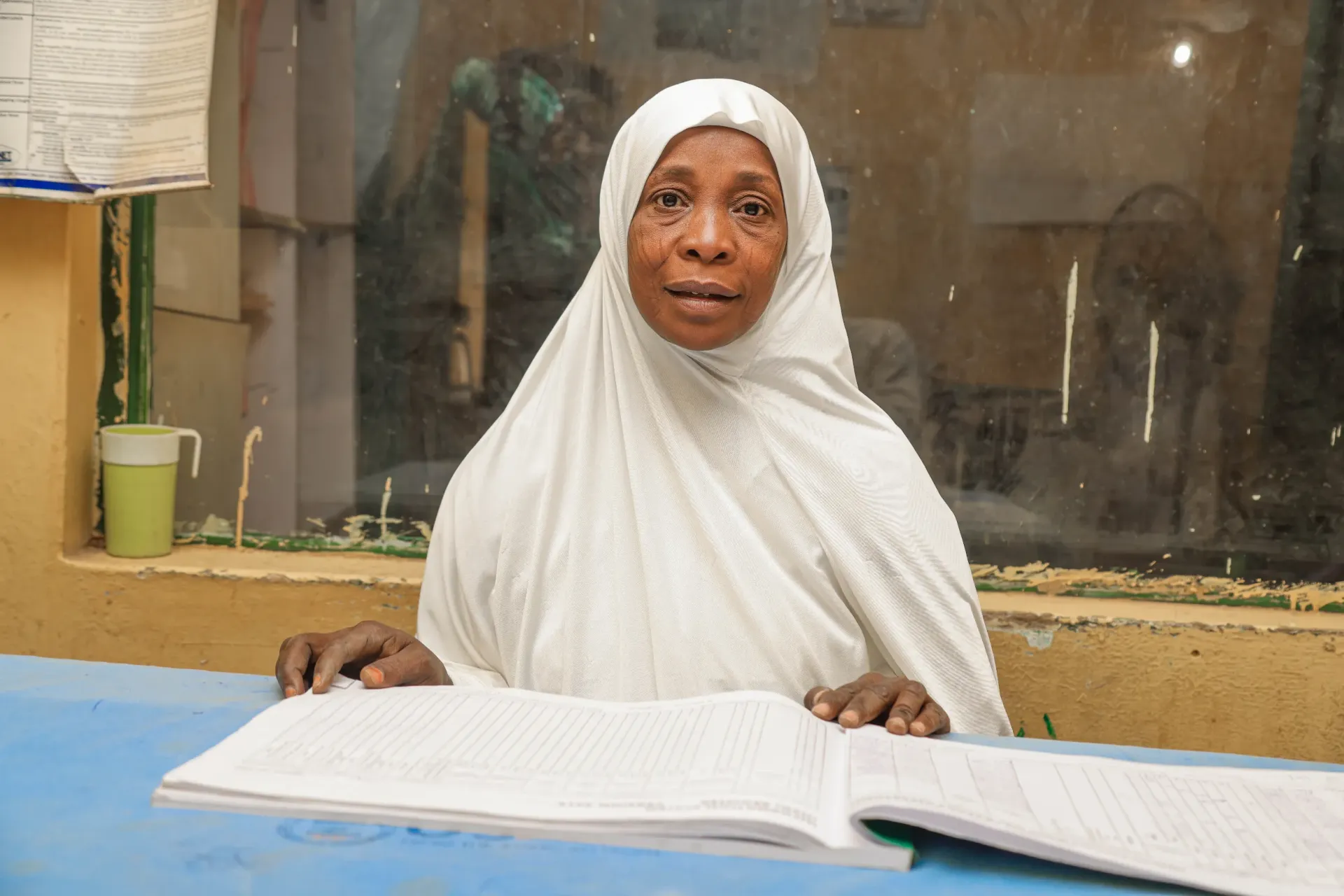
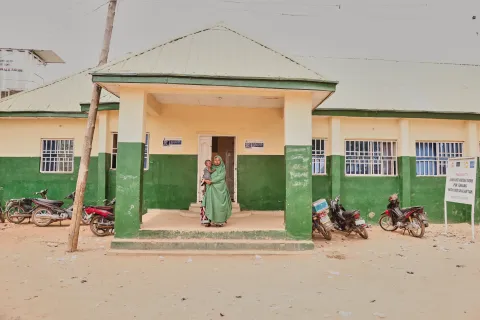
Before sunrise, the maternity ward at the Mother and Child Health Primary Healthcare Centre in Argungu, Kebbi State, is already full.
Women sit shoulder to shoulder on long wooden benches, some gently rubbing their swollen stomachs, others rocking crying babies against their chests. A few toddlers wander across the tiled floor, laughing and stumbling through the crowded waiting area, too young to understand the fears their mothers carry inside them.
The ward is busy, but there is a strange calm in the middle of it all.
That calm has a name.
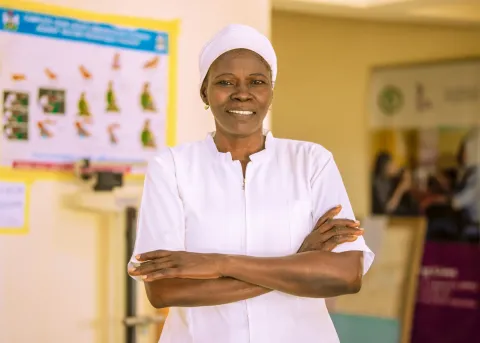
Halimatu Ibrahim Argungu.
But almost nobody here calls her that.
To the women who come through these doors, she is simply “Dubu.”
In Hausa, Dubu means “a thousand.”
For many mothers in this community, the name fits perfectly.
For more than 17 years, Halimatu has stood beside women during some of the most painful, frightening and life-changing moments of their lives. She began as an antenatal care attendant and today leads the labour ward. But titles barely explain what she has become to the women she serves.
To some, she is a nurse.
To others, a counselor.
Many simply call her Inna Dubu, Mother Dubu.
Her voice is soft but firm. She moves quickly from one patient to another, comforting a frightened first-time mother in one corner, checking on a woman in labour in another, gently reminding another patient to stay calm and breathe through the pain.
Years inside the labour ward have given her more than medical experience. They have taught her how to recognize fear before a woman says a word. How to spot hopelessness in tired eyes. How to steady someone who feels they are about to lose everything.
And the women trust her deeply.
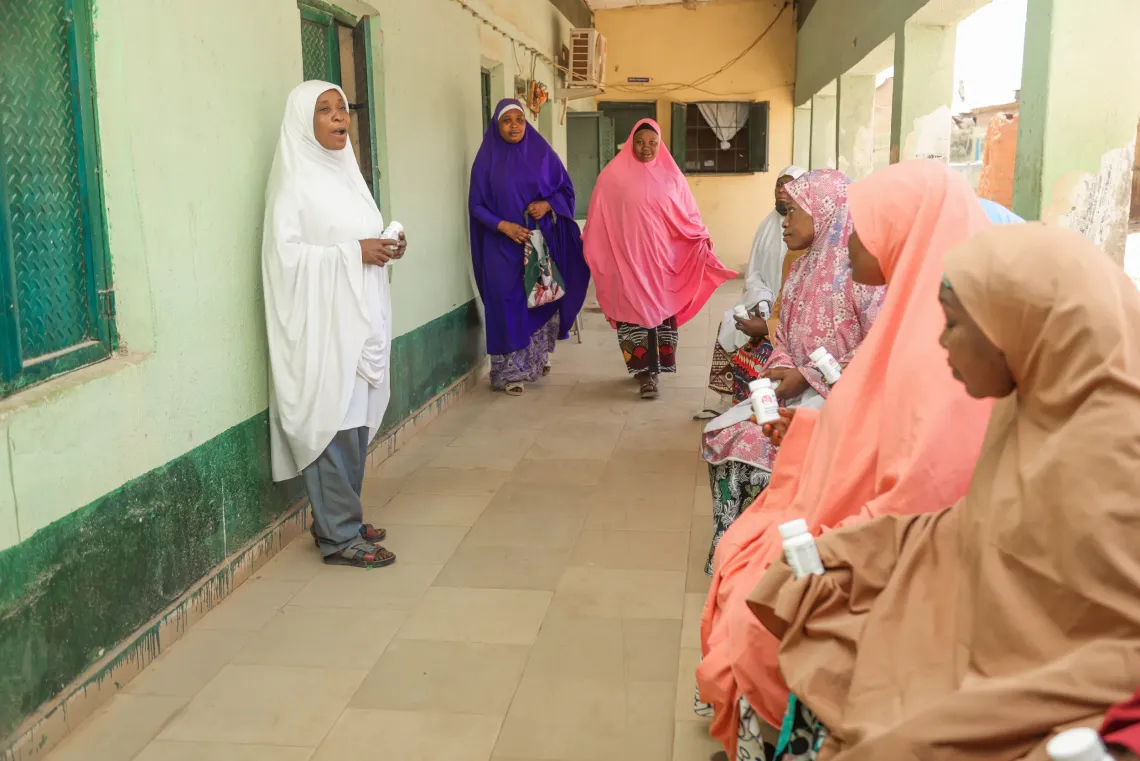
Everywhere she walks through the facility, mothers greet her warmly, some reaching out to hold her hand as she passes.
But Halimatu remembers when things were very different.
“There was a time very few women came to the facility,” she says. “Sometimes we only saw about 20 clients in an entire month.”
Today, the facility attends to between 150 and 200 women monthly.
The difference, she says, came when women began to feel safe, respected and cared for.
Healthcare workers at the facility received clinical mentorship and training on birth preparedness, management of complications, dignified labour and delivery care, and emergency response procedures. Over time, those improvements helped transform the facility from a place many women avoided into one families increasingly trust with their lives.
Still, some stories never leave her.
One of them is Zainab’s.
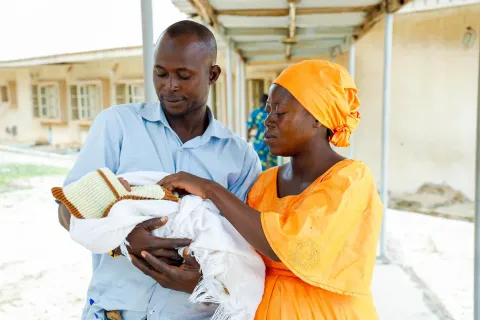
Zainab arrived at the facility on the back of a motorcycle. Her husband dropped her off quietly and rode away immediately.
“She looked exhausted,” Halimatu recalls. “I could see she was carrying more than labour pains.”
As Halimatu helped her inside, the woman suddenly burst into tears.
“She held my hand and said, ‘Please help me deliver a live baby. I have already lost four children. My husband said if I lose another one, he will divorce me.’”
For a moment, the labour ward felt heavier.
The words stayed with Halimatu.
“I immediately knew we had to do everything possible for her,” she says quietly.

The healthcare team began close monitoring immediately, using a partograph to carefully track labour and identify danger signs early. Every protocol mattered. Every minute mattered.
Eventually, Zainab delivered a healthy baby with a strong APGAR score, a quick assessment used immediately after birth to check a newborn’s breathing, heartbeat, muscle tone, reflexes and colour.
The newborn received vaccines before discharge. Halimatu also ensured active management of the third stage of labour to prevent postpartum haemorrhage, one of the leading causes of maternal deaths.
But for Zainab, this was more than a safe delivery.
After years of loss, fear and heartbreak, she finally carried home a living child.
And with that child came something else she thought she had lost long ago.
Hope.
Stories like Zainab’s are becoming more common as investments in quality maternal, newborn, child and adolescent healthcare continue to strengthen frontline services across communities.
Since 2024, about 500 frontline healthcare workers have been trained and equipped with lifesaving skills to improve maternal, newborn and adolescent survival.
With support from Global Affairs Canada through Quality-of-Care clinical mentorship programmes, primary healthcare facilities are becoming more than treatment centres. They are becoming places where women are treated with dignity, compassion and respect.
Places where mothers are listened to.
Places where fear slowly gives way to trust.
And for Halimatu Dubu, every safe delivery means one more life protected.
Perhaps one among a thousand more still waiting for her steady hands.