Between a First Cry and a Last Breath
How training is helping a health worker in Adamawa save mothers and newborns when every second counts
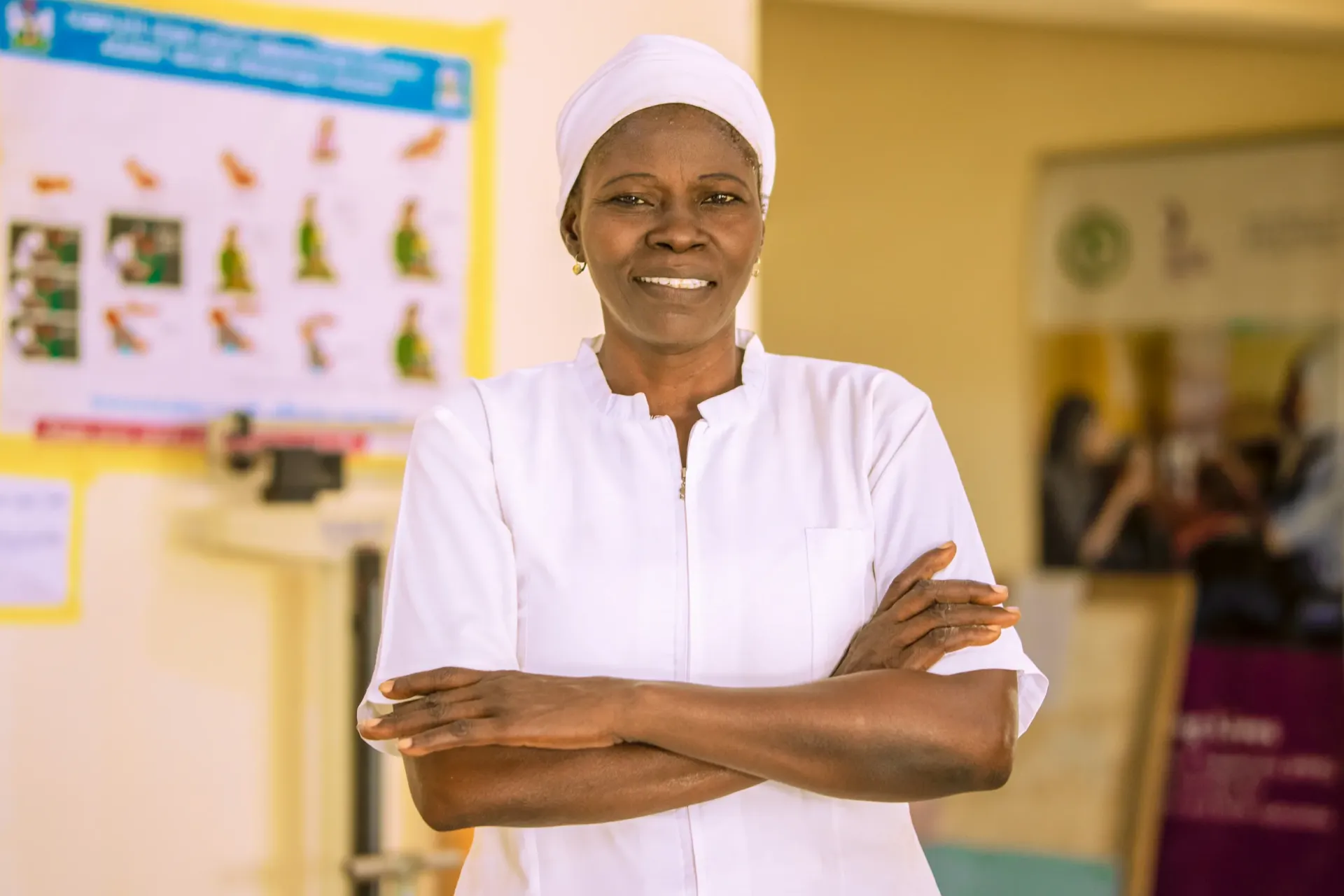
For Bridget Tanko, there is a sound she is never tired of hearing.
It is the cry of a newborn baby.
After hours of labour, pain, uncertainty and prayers, that first cry cuts through the silence of the delivery room. For Bridget, it is more than a sound. It is relief. It is hope. It is life announcing its arrival.
For more than 20 years, Bridget has stood beside women during one of the most important moments of their lives. From her health facility in Demsa, Adamawa State, she has helped bring babies into the world. She has held the hands of frightened mothers through painful contractions. She has wiped away tears of anxiety and shared in moments of overwhelming joy.
"One of the happiest parts of my work is hearing the cry of a newborn and lifting the baby into my hands," she says, her face lighting up instantly. "That feeling never gets old."
But childbirth has also taught Bridget another lesson. She knows how quickly joy can turn into heartbreak. She has witnessed moments when families expecting celebration, carry grief. She has sat quietly with mothers whose dreams were shattered within moments of delivery. She has seen babies who never took their first breath and mothers whose lives slipped away while bringing life into the world.
Those memories have never left her.
"Labour is a very delicate line between the beginning of life and the end of one," she says softly. "Sometimes the difference can be just a few minutes."
For Bridget, every mother who enters the labour room carries a future in her hands. Every newborn bears possibilities that are impossible to measure.
"No mother should die while giving birth," she says firmly. "No baby should die during childbirth."
Yet the reality in Adamawa remains troubling.
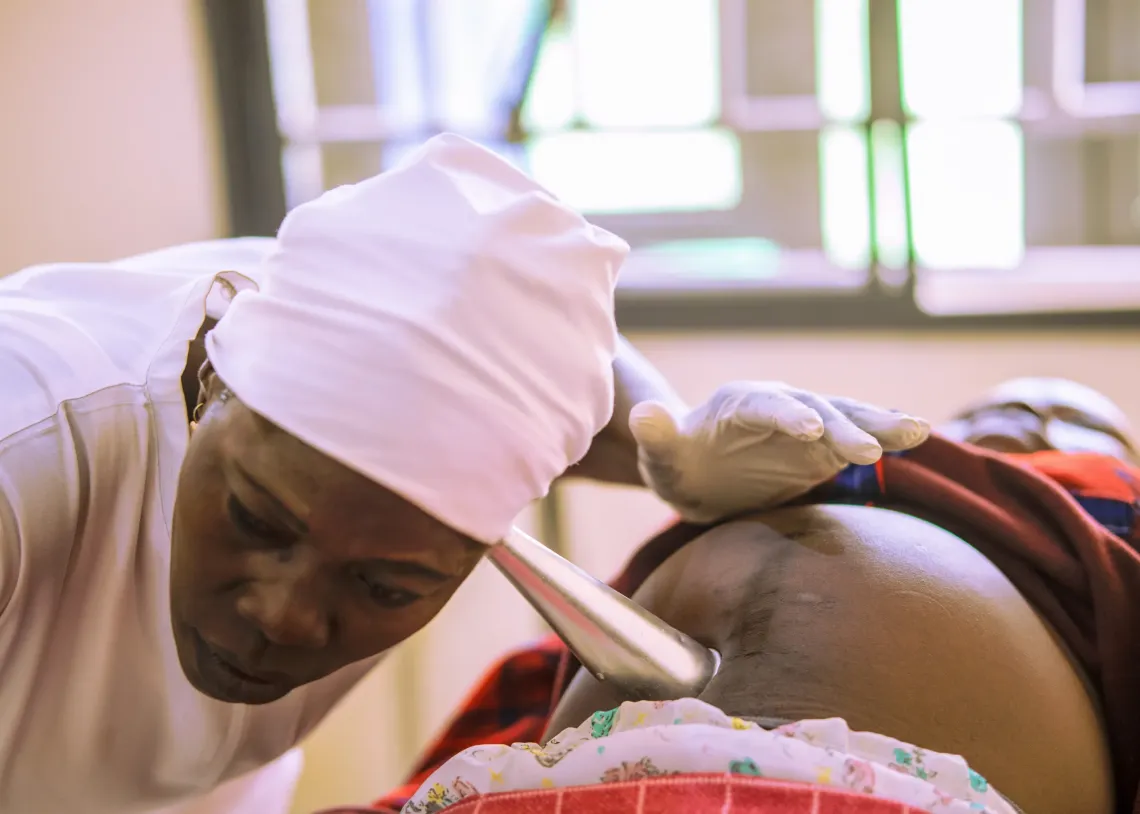
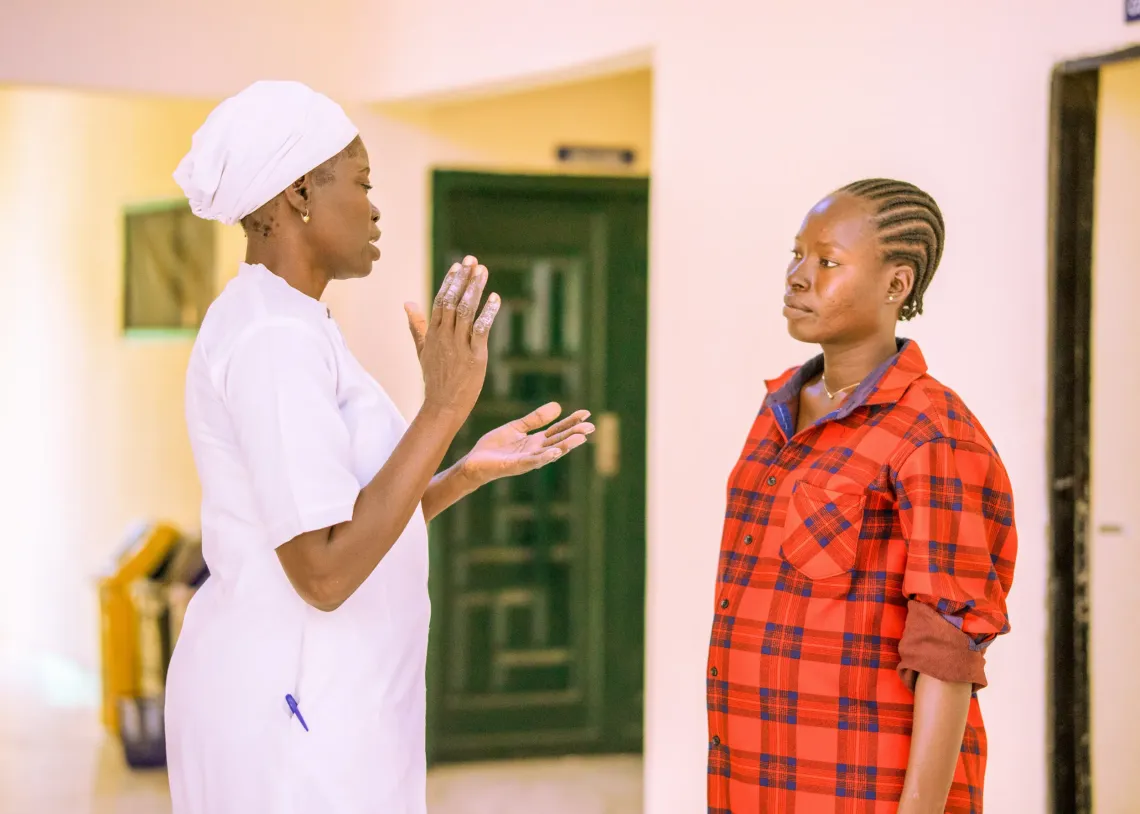
According to the Nigeria Demographic and Health Survey 2024, neonatal mortality in the state stands at 43 deaths per 1,000 live births. Behind every number is a child who never had the chance to grow up, attend school, discover a talent, pursue a dream or change the world.
Bridget believes many of these deaths can be prevented. She points to the continued practice of home deliveries and low attendance at antenatal clinics. The same survey shows that about 25 per cent of births in Adamawa are attended by a skilled attendant.
"When women do not attend antenatal care and deliver at home, complications can quickly become dangerous," she explains. "Sometimes both the mother and baby can be at risk."
But Bridget is equally honest about another challenge. Health workers themselves need continuous training.
"Sometimes we also need more skills," she says. "Medicine changes. New knowledge emerges. If we are not updated, we cannot provide the best care possible."
For most of her career, opportunities for advanced training were limited. Then, in 2025, everything changed.
Through the European Union-funded Strengthening Access to Reproductive and Adolescent Health programme, known as EU-SARAH, Bridget joined more than 100 health workers across Adamawa State for training on Basic Emergency Obstetric and Newborn Care (BEmONC).
The training focused on some of the most common causes of maternal and newborn deaths, including severe bleeding, infections, obstructed labour, birth complications and eclampsia.
For Bridget, it was a turning point.
"Oh, that training changed me completely," she says with a broad smile. "I learnt how to better manage labour, identify complications earlier and respond much faster when emergencies happen."
For the first time in years, she felt she was gaining practical skills that could immediately save lives.
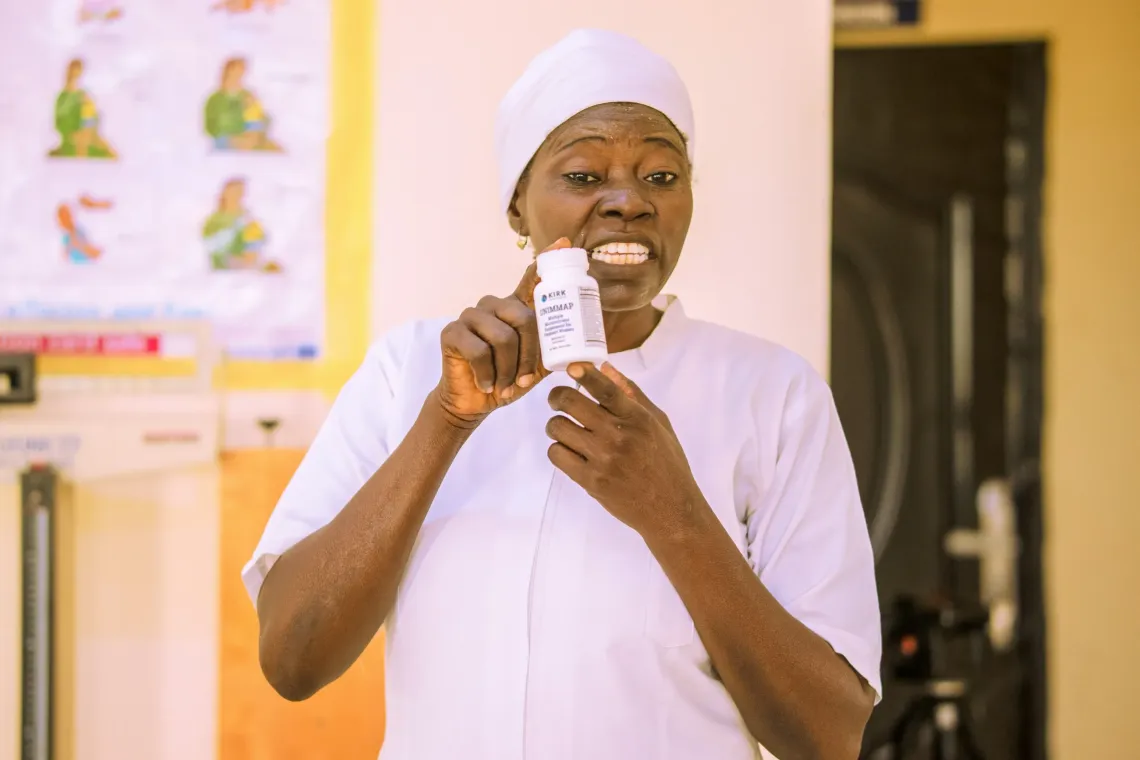
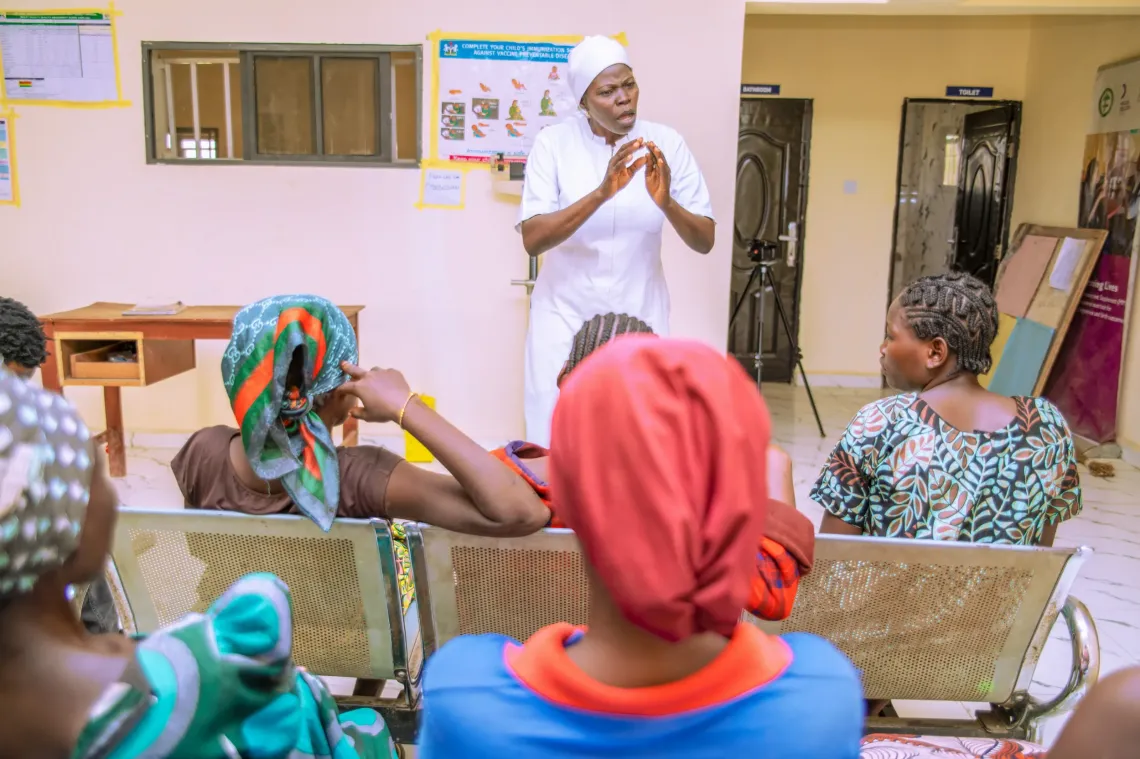
The EU-SARAH project is helping strengthen access to quality reproductive, maternal, newborn, child and adolescent health services across Adamawa State. By improving the skills of health workers and expanding access to essential healthcare services, the programme is working to reduce preventable deaths among mothers and children.
For Bridget, the impact became visible almost immediately. The training changed not only how she manages deliveries, but how she relates to pregnant women long before they enter the labour room. Today, she spends more time counselling expectant mothers, encouraging them to attend antenatal appointments and helping them understand potential risks early in pregnancy.
"I learnt that safe delivery starts long before labour begins," she says. "It starts during pregnancy. It starts with trust. Mothers need to feel comfortable enough to tell us what they are experiencing."
One part of the training left a particularly strong impression on her. The care of adolescent mothers. Many young girls become pregnant before their bodies are fully prepared for childbirth, placing them at higher risk of complications.
"Adolescent girls are especially vulnerable," Bridget explains. "The training taught us how to identify high-risk pregnancies early and provide the support they need. When risks are identified early, lives can be saved."
Today, Bridget approaches every delivery with greater confidence. The knowledge she gained has strengthened her skills, sharpened her judgement and deepened her commitment to protecting mothers and newborns. Yet for all the technical knowledge she has acquired, it is still the human moments that stay with her most.
The exhausted mother who finally smiles after hours of labour.
The father waiting anxiously outside the delivery room.
The grandmother who whispers prayers under her breath.
And above all, the cry of a newborn child.
Every time that sound fills the room, Bridget pauses for a moment. Because she knows what it represents.
A life saved.
A mother given another chance to hold her child.
A family spared heartbreak.
And proof that when skilled care is available at the moment it is needed most, the distance between tragedy and celebration can be measured by a single cry.